



Gothic Iron Hanging Light
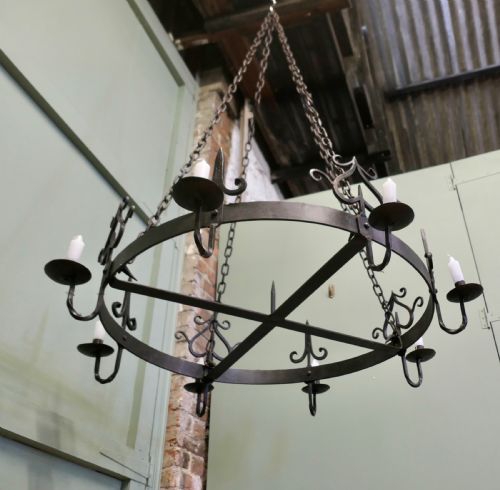
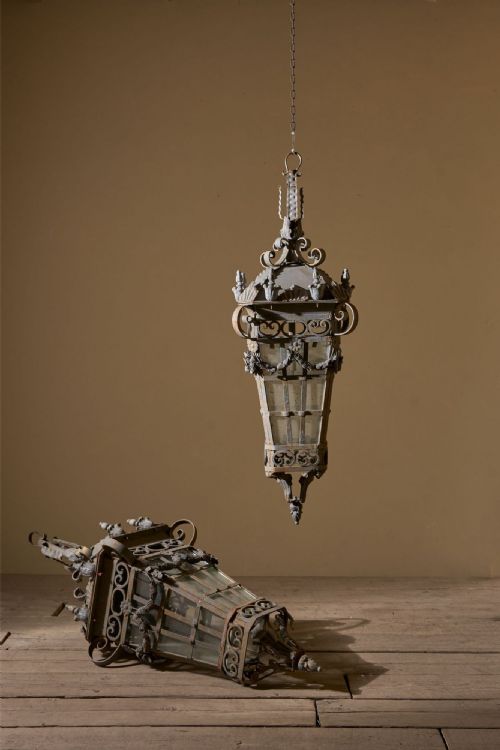
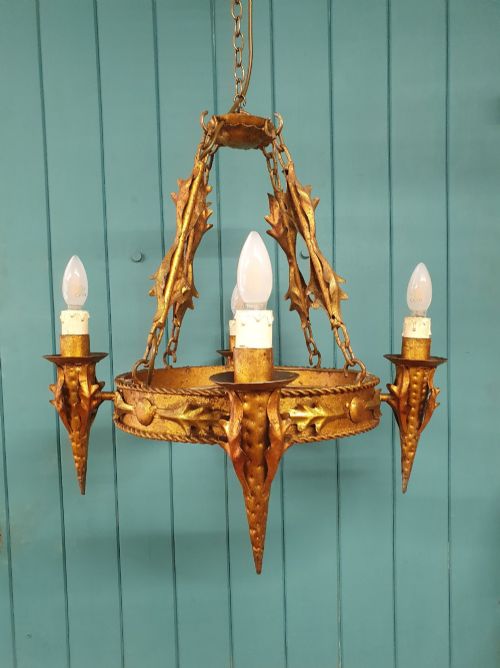
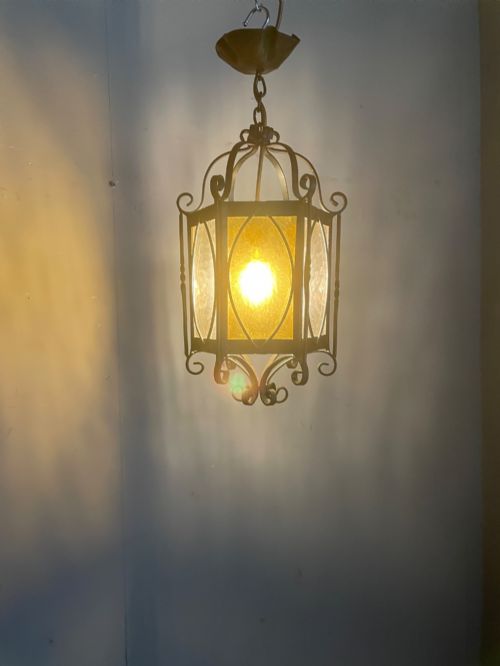
These gothic iron hanging light pieces bring dramatic silhouettes and heavy metalwork into modern spaces with genuine historic presence.
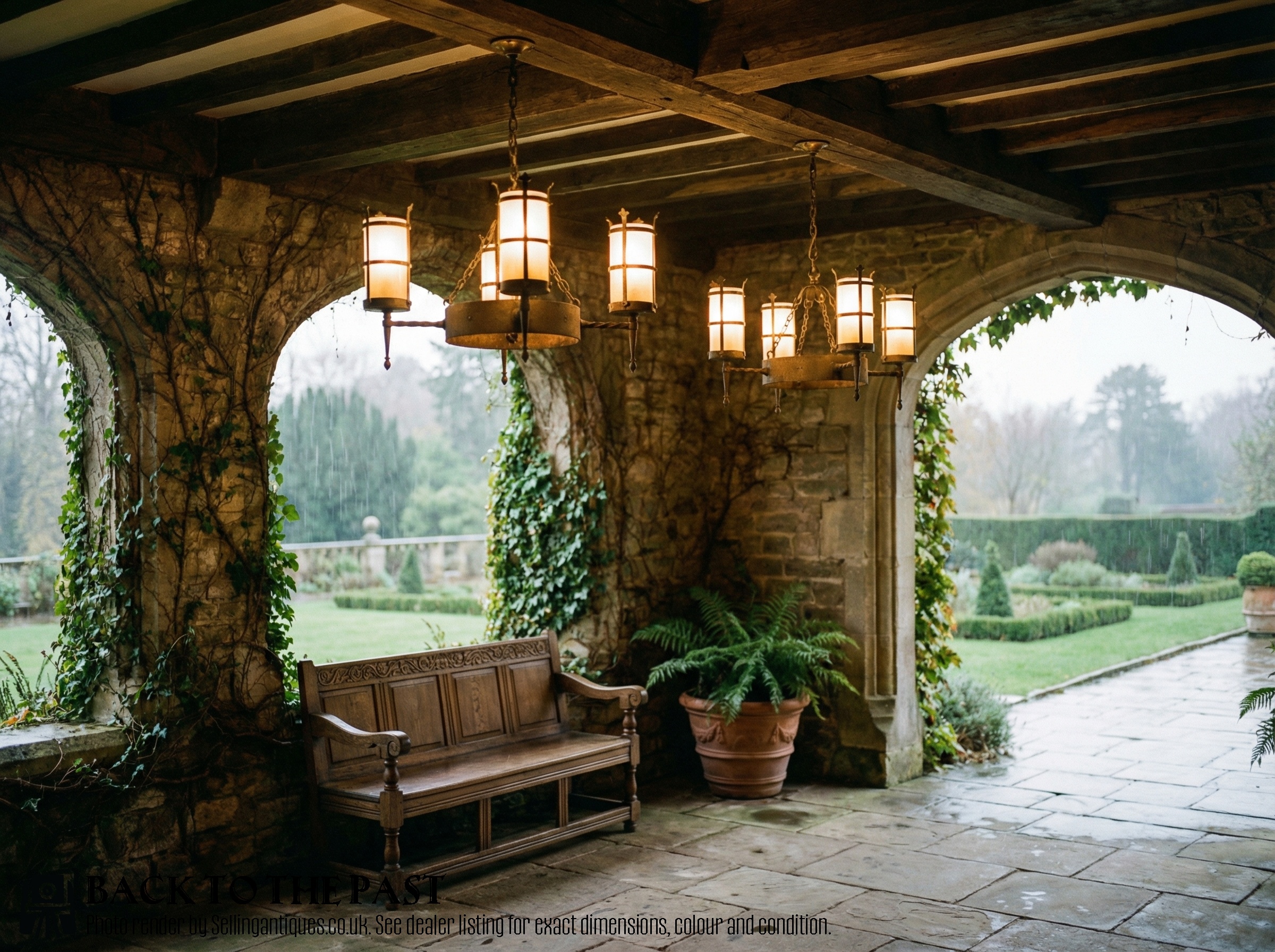
Gothic Iron Hanging Light
A gothic iron hanging light brings architectural presence to a hallway, porch, or high-ceilinged room through robust metal framing and historic styling. When searching for a gothic iron hanging light, buyers encounter ceiling fixtures, hall lanterns, and multi-branch chandeliers spanning the eighteenth, nineteenth, and early twentieth centuries.
The selection here draws primarily from nineteenth-century and early twentieth-century examples, taking form as hexagonal hall lanterns, porch lights, and wrought iron chandeliers. French and English workshops dominate the design lineage, often incorporating regional stylistic touches such as stained glass panels or decorative copper and zinc elements.
These fixtures serve as primary overhead illumination while acting as focal points that define the character of a space. Their heavy construction and medieval-inspired detailing suit period properties and modern interiors seeking strong historic contrast.
How they were made
Blacksmiths and metalworkers shaped these fixtures using hand-hammered wrought iron, cast iron, and structural steel. Components were joined with traditional rivets, collars, and welds, creating rigid frames designed to support glass panes and heavy candle or electric fittings.
Transparent and coloured panels of glass, leaded glass, and stained glass were fitted directly into metal channels to diffuse light. Secondary metals such as brass, copper, and zinc appear as decorative accents, hanging chains, or protective hoods.
Gothic Iron Hanging Light Retail Price Guide 2026
Typical asking prices for gothic iron hanging light among the pieces listed under this phrase on Sellingantiques today, from the lower quarter to the upper quarter. They describe what is for sale here now, not the wider market.
The listings span the eighteenth, nineteenth, and early twentieth centuries, capturing shifts from candle-lit hall lanterns to early electrical porch lights.
What varies in quality
The integrity of the metalwork defines the distinction between standard production and exceptional craftsmanship. Hand-forged wrought iron with varied section thicknesses and deliberate texturing indicates superior blacksmithing compared to uniform machine-rolled steel.
The integration of glazing and secondary metals demonstrates the maker's ambition. Lead-came construction, hand-soldered stained glass panels, and the inclusion of cast bronze or copper decorative elements elevate a simple utility light into an architectural statement.
The Gothic Iron Hanging Light Glossary
- Wrought iron
- Iron that has been heated and worked with tools by a blacksmith rather than cast in a mould. This material displays subtle surface textures and fibrous grain patterns unique to manual forging.
- Hall lantern
- An enclosed ceiling fixture designed specifically for narrow entrance spaces and stairwells. These units protect the light source behind glass panels while projecting illumination downward.
- Gothic Revival
- An architectural and decorative movement drawing inspiration from medieval forms, pointed arches, and heavy masonry. In lighting, this translates to quatrefoil motifs, spiked coronets, and dark metal frames.
- Leaded glass
- Individual pieces of glass joined together by strips of lead channel called came. The joints are soldered at intersections to form a rigid, decorative translucent panel.
- Chandelier
- A branched hanging light fixture designed to hold multiple illumination points. These larger pieces distribute light across wider areas and serve as central architectural ornaments.
Gothic Iron Hanging Light: Frequently Asked Questions
How do I hang a heavy iron lantern safely?
Suspension requires fixing directly into ceiling joists or structural timber using rated steel hooks and load-bearing chains. The weight of cast and wrought iron fixtures demands hardware that exceeds the resting load to ensure stability.
Professional electrical installation is recommended to handle the weight and integrate older wiring safely with modern ceiling boxes.
Can these antique lights be wired for electricity?
Most hanging lights from the nineteenth and early twentieth centuries have already been adapted for modern electrical supplies during their working lives. Internal lamp holders are fitted within the original candle sockets or frames without altering the external metalwork.
Rewiring allows these historic fixtures to function safely in domestic settings while preserving their medieval and industrial aesthetic.
How do I clean and maintain wrought iron?
Routine maintenance involves removing dust with a soft dry cloth or a gentle brush attachment. Avoid chemical polishes or abrasive pads that can strip the historic wax or darkened surface patination from the iron.
Applying a microcrystalline wax periodically helps protect bare iron surfaces from moisture in environments like porches and hallways.
How do I date a gothic iron light?
Dating relies on observing construction methods, joinery, and material choices recorded across different eras. Eighteenth-century examples often show distinct hand-forged blacksmith techniques, while late Victorian and Edwardian pieces incorporate standardised rolled steel and machine-cut glass.
Stylistic shifts between Gothic Revival, Arts and Crafts, and French rustic designs provide further chronological markers.