


Gothic Church Sculpture
Gothic church sculpture brings sacred history into domestic rooms through wood and stone figures carved by ecclesiastical hands.
Gothic Church Sculpture
Gothic church sculpture comprises devotional statues, architectural fragments, and altarpiece panels originating from sacred spaces and ecclesiastical buildings. When exploring gothic church sculpture on this page, buyers primarily encounter figures of saints, Madonnas, and angels carved from timber and stone.
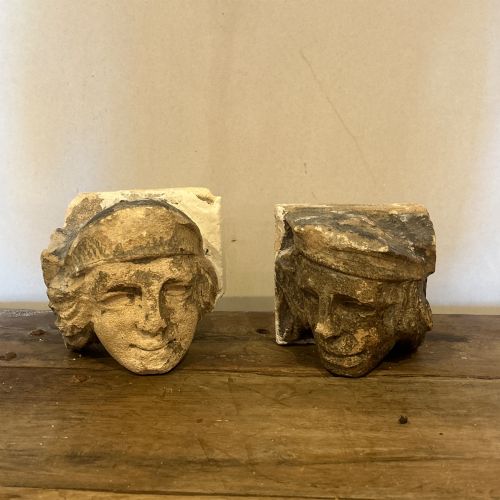
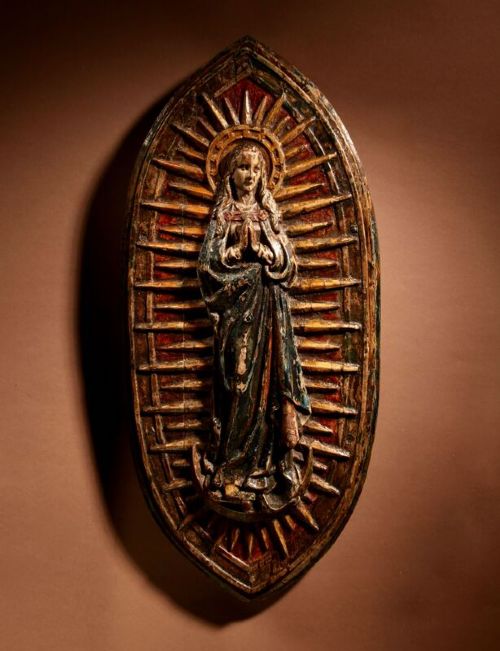
The selections span multiple eras, connecting pre-16th century and 16th-century medieval work with later 19th-century revivals. Pieces range from stone corbels and relief panels to freestanding wooden statues of figures such as Saint John, the Virgin, and archangels.
Continental workshops from regions like Germany, France, and the Upper Rhine are heavily represented alongside English pieces. These works served a primarily liturgical purpose before finding their way into architectural salvage and decorative collections.
Materials and methods
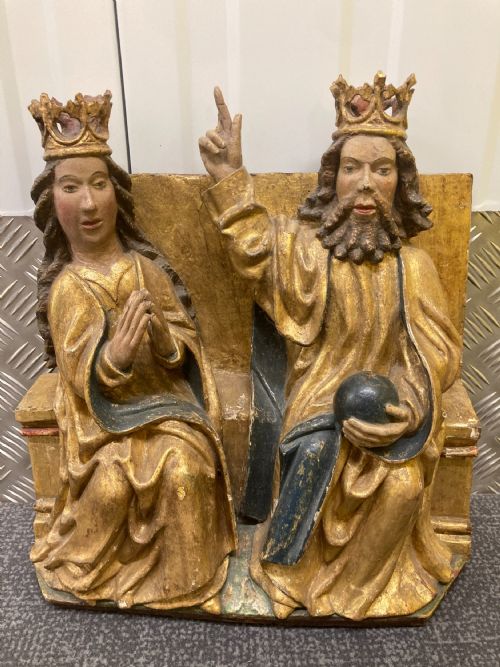
Many wooden surfaces received layers of gesso to prepare for polychrome paint and gold leaf decoration, adding rich colour and luminosity to sacred interiors. Over centuries, these painted and gilded finishes have aged, often leaving subtle traces of pigment beneath weathered patinas.
The inventory bridges multiple eras, ranging from pre-16th century medieval fragments up to Victorian Gothic Revival interpretations.
Evaluating the carving
The quality of a piece rests in the anatomical proportion and emotional expression achieved by the carver. Superior examples display confident, deep undercut drapery and sensitive facial detailing that breathe life into the wood or stone.
The survival of original surface treatments, including polychrome paint and gesso, distinguishes exceptional survivals from stripped pieces. The strength of the silhouette and the integration of the figure within its architectural context further define the distinction between standard workshop output and master craftsmanship.
Rouillard Angers
The Gothic Church Sculpture Glossary
- Polychrome paint
- Decoration applied in several colours to the surface of wood or stone sculpture. This technique was standard in medieval workshops to make religious figures appear lifelike.
- Corbel
- A structural stone or wood projection built into a wall to support a weight above. In ecclesiastical settings, these often took the form of carved human or grotesque heads.
- Gesso
- A white paint mixture consisting of a binder mixed with chalk, gypsum, or pigment. It provided a smooth surface for gilding and painting on wooden carvings.
- Altarpiece
- A structured artwork placed behind or above an altar. Central panels often featured high-relief sculptures of saints or biblical scenes.
- Ecclesiastical gothic
- A design style drawing on medieval church architecture and sculpture. This aesthetic saw a major revival during the nineteenth century.
Gothic Church Sculpture: Frequently Asked Questions
Where were these sculptures originally displayed?
These figures typically stood within churches, positioned on altarpieces, integrated into choir stalls, or mounted as architectural supports. Many formed part of larger narratives depicting saints and biblical events.
Over time, changes in religious practices and building alterations led to these works leaving their original ecclesiastical contexts, eventually entering private collections as architectural salvage and antiques.
How do I care for antique wood and stone sculptures?
Keep wooden and stone sculptures away from direct heat sources and dramatic humidity fluctuations to prevent cracking or warping. Dust them gently with a soft, dry cloth without applying modern polishes or cleaning agents.
Stable indoor environments help preserve fragile remnants of original gesso, gold leaf, and polychrome paint that remain on the surface.
Can these sculptures be mounted on modern walls?
Many wall sculptures and architectural carvings are suited for display on interior walls, provided the mounting hardware adequately supports their weight. Professional consultation ensures that heavy oak or limestone pieces are secured safely.
Placing them at eye level allows the fine details of the carving and the remaining polychrome pigment to be appreciated closely.