


Carved Oak Madonna
A carved oak madonna brings the quiet devotion of medieval and later European workshops straight into your room.
Carved Oak Madonna
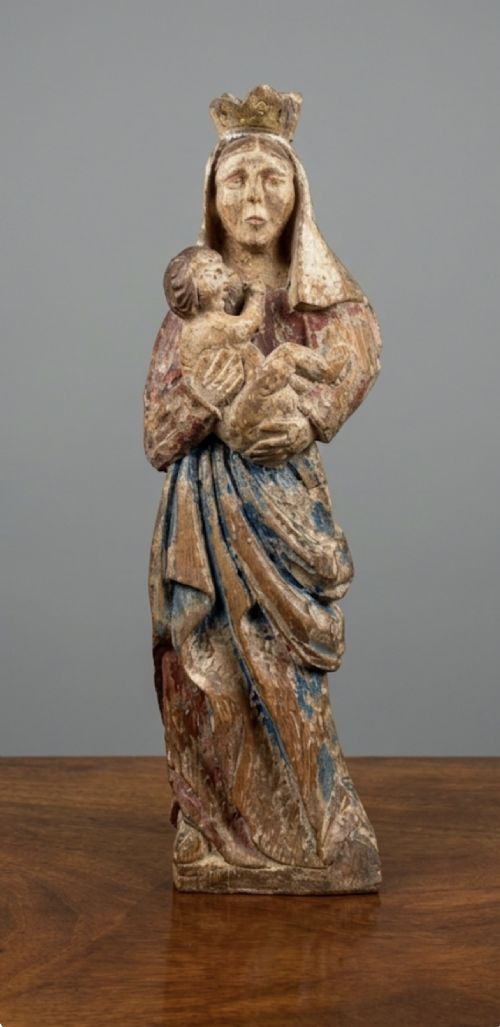
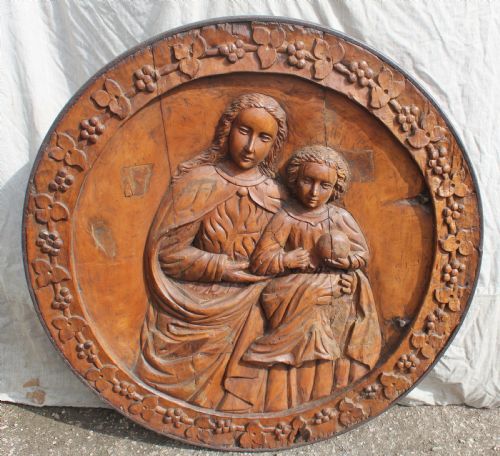
When you search for a carved oak madonna, you encounter religious sculptures and wall plaques spanning from the pre-sixteenth century through to the twentieth century. These figures take forms such as central panels from altarpieces, standing statues of the Virgin and child, and expressive pietà representations.
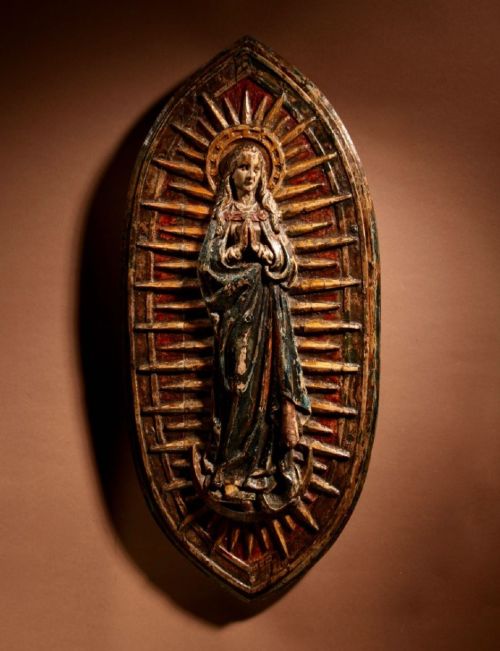
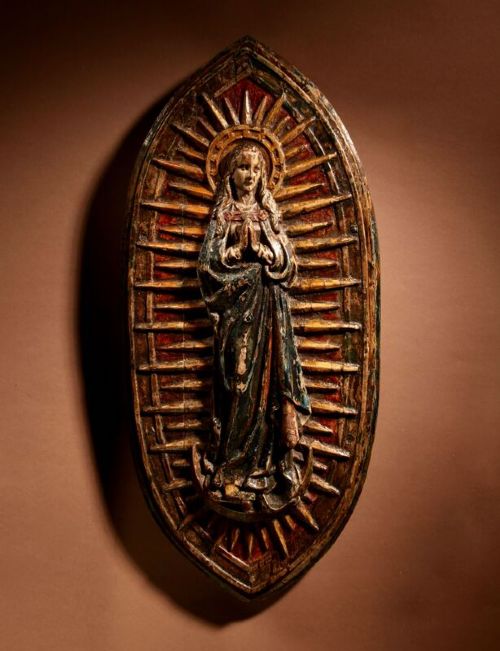
The pieces on this page lean heavily towards sixteenth-century examples, alongside nineteenth-century works and a twentieth-century wall sculpture. You will find subjects depicting the praying virgin on the half moon with the snake, the virgin of the annunciation, and Mary with Jesus.
How they were made
These sculptures are shaped from solid timber using traditional hand-carving techniques. The primary material recorded across the pieces is oak and carved wood.
Surfaces frequently receive applied finishes including gesso, polychrome paint, and gold leaf. These decorative layers add colour and detail to the carved wood figures.
Some medieval virgins share floor space with a discreet carved snake tucked beneath a crescent moon.
What varies in quality
Quality rests upon the depth and expressiveness of the hand-carving in the wood. Pieces that capture intricate drapery and facial emotion stand apart from simpler wall plaques.
The preservation of original surface treatments such as polychrome paint, gesso, and gold leaf influences the character of each sculpture. Patina accumulated across centuries alters how the oak reads today.
The Carved Oak Madonna Glossary
- Polychrome
- Painted in several colours. This term describes statues and panels finished with multiple pigments over wood or gesso.
- Gesso
- A plaster mix used as a smooth base for paint or gold leaf. It provides a prepared surface on carved wooden sculptures.
- Altarpiece
- A structured artwork placed behind an altar. Central panels often feature carved figures of the Madonna.
- Piétà
- A subject depicting the Virgin Mary supporting the dead body of Christ. It appears in medieval Gothic carved oak sculpture.
- Gothic
- A medieval art style characterised by pointed arches and vertical forms. Pieces from this period display distinct architectural influences.
Carved Oak Madonna: Frequently Asked Questions
How old are these sculptures typically?
The pieces range from pre-fifteenth century works up to twentieth-century revivals. Many examples date from the sixteenth century.
Earlier items carry medieval Gothic characteristics, while later interpretations reflect nineteenth-century revival styles.
Were these figures meant for walls?
Some pieces function as wall plaques or wall sculptures meant to be hung directly. Others formed parts of larger altarpieces.
Freestanding statues were also created for devotional spaces within churches or private homes.
What is the significance of the half moon?
Depictions of the Virgin standing on the half moon often relate to imagery from the Book of Revelation. The snake beneath her feet represents the triumph over evil.
This specific iconography appears frequently in medieval altarpiece panels.
How should I care for antique oak?
Keep wooden sculptures away from direct sunlight and steady humidity changes to protect the material. Avoid harsh cleaning products that might disturb old paint or gesso layers.
Dust gently with a soft, dry cloth to preserve the surface.