

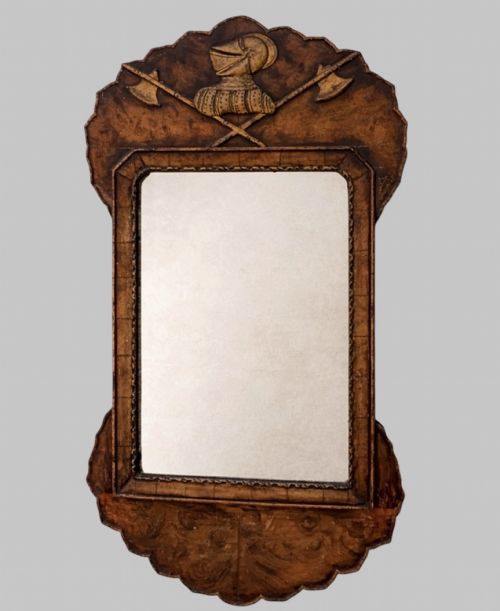


Gothic Carved Wood Mirror
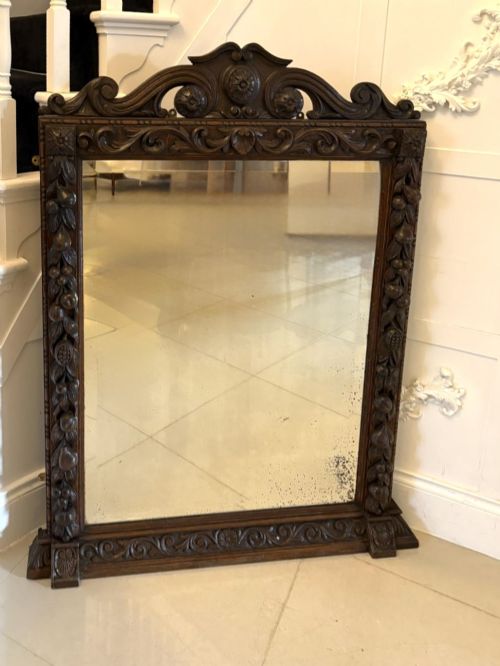
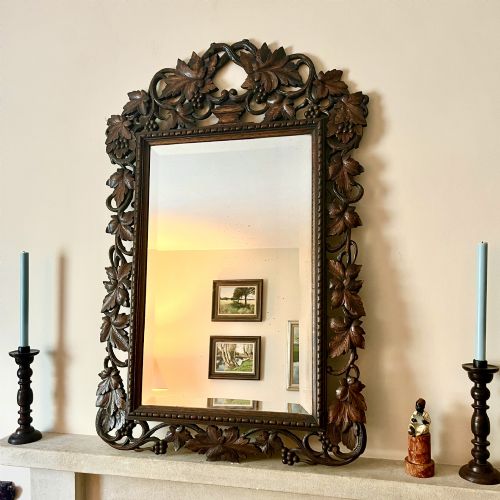
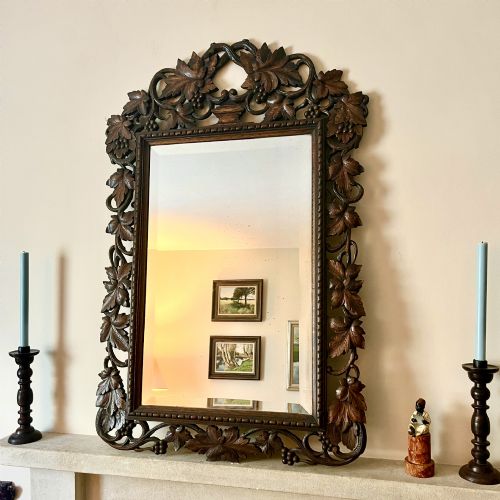
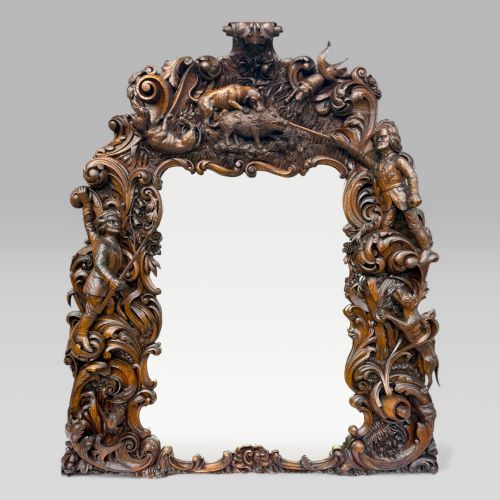
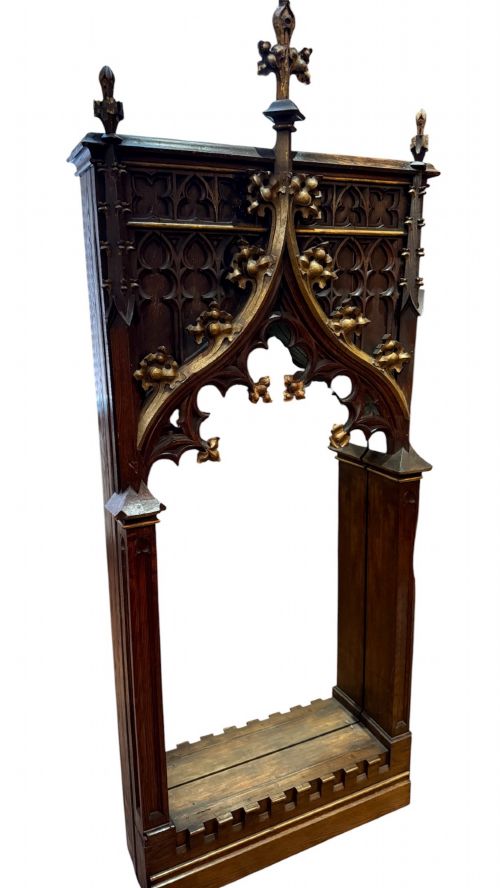
These gothic carved wood mirror examples bring dramatic architectural forms and rich grain into a room, offering the heavy character and dark timber work typical of nineteenth century revivalism.
Gothic Carved Wood Mirror
A gothic carved wood mirror draws upon medieval architecture and nineteenth century revival styles to create striking wall pieces, overmantels, and swing mirrors. Buyers searching this phrase look for heavy timber frames adorned with arches, tracery, and heraldic motifs.
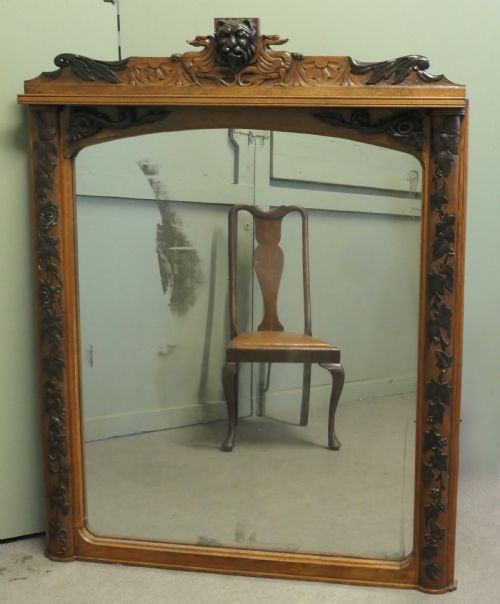
The version most commonly met on this page is the nineteenth century oak wall mirror, often bearing deep relief carving and architectural pediments. These items range from domestic wall hangings to grand overmantels originating from Victorian interiors and hunting lodges.
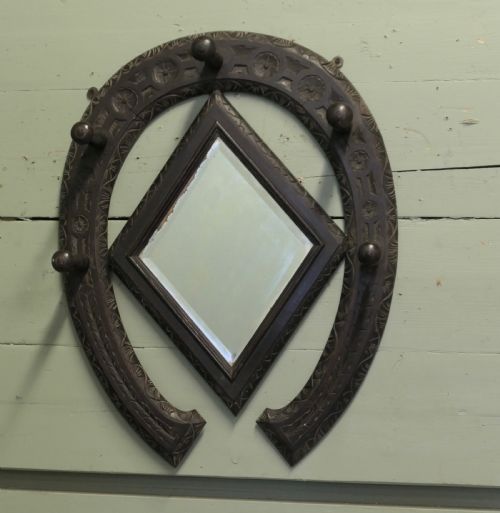
Alongside standard wall mirrors, the selection includes related forms such as mirrored coat racks, swing mirrors in mahogany or walnut, and occasional pieces featuring dragon or green man carvings. Oak predominates, supplemented by rosewood, walnut, and gilded wood.
How they were made
Carpenters and cabinetmakers constructed these frames using solid hardwoods like oak, walnut, and mahogany, selecting timber with strong grain patterns to withstand deep chisel work. Frames frequently incorporate mortise and tenon joinery to support the weight of heavy glass plates.
Carvers utilised hand chisels and gouges to execute complex tracery, cusps, and heraldic crests directly into the timber. Surfaces were then finished with wax or polish to highlight the natural colour and texture of the wood.
Listings feature nineteenth century pieces predominantly in oak, walnut, and mahogany, spanning styles from Victorian Gothic Revival to Regency.
What varies in quality
The depth and crispness of the carving separate the finer pieces from simpler workshop output. Skilled hands created undercut foliage and sharp architectural mouldings that catch the light, whereas lesser examples rely on shallow stamping or repetitive machine routing.
The integration of the mirror glass within the heavy wooden frame also marks the grade of the piece. Superior items retain their original bevelled or heavy plates fitted securely behind rebated timber, maintaining the structural integrity of the design.
The Gothic Carved Wood Mirror Glossary
- Gothic Revival
- An architectural and decorative style drawing inspiration from medieval buildings. It gained immense popularity during the nineteenth century across Britain and Europe.
- Overmantel Mirror
- A large mirror designed to hang directly above a fireplace mantelpiece. These pieces often matched the scale of surrounding architectural joinery.
- Armorial Crest
- A heraldic design carved into wood or displayed on shields, often incorporating family coats of arms. It signals status and lineage in nineteenth century furnishing.
- Green Man
- A sculptural motif depicting a human face emerging from or entwined with foliage. This pagan symbol saw a major revival in Victorian and Edwardian wood carving.
- Tracery
- Architectural stonework elements translated into timber joinery, such as intersecting ribwork in gothic windows. It forms the linear framework of many mirror pediments.
Gothic Carved Wood Mirror: Frequently Asked Questions
Where should I hang a heavy oak mirror?
These substantial timber frames require secure wall fixings tied directly into masonry or solid studs to bear the weight safely.
Position the piece at eye level or above a mantelpiece to allow the architectural details and grain to catch the room's natural light.
How do I date a nineteenth century wooden mirror?
Examine the timber species, backboards, and the method used to cut and bevel the glass plate. Nineteenth century pieces often show hand-tool marks behind the frame and utilise dense native oaks or imported dark hardwoods.
Stylistic cues like Victorian gothic tracery or armorial crests help narrow the decade of production when combined with construction evidence.
Are these mirrors made of solid oak?
Most examples utilise solid timber for the structural frame and carved decorative elements, particularly within the nineteenth century oak grouping.
Certain larger overmantels incorporate stable secondary woods behind deep mouldings to prevent warping under the weight of heavy glass.
What is a green man carving?
A green man depicts a face surrounded by or made from leaves and vines, symbolising rebirth and the spirit of vegetation. This motif appears frequently in nineteenth century architectural woodwork.
Carvers integrated these mask elements into mirror frames and sideboards to invoke medieval ecclesiastical decoration.
How do I care for antique carved wood?
Dust the deep recesses of the carving regularly with a soft brush and apply a microcrystalline wax sparingly to nourish the timber. Avoid placing the mirror in direct sunlight or near heat sources to prevent the wood from splitting.
Keep moisture away from the glass edges where it might seep behind the plate and damage the silvering over time.