







Gothic Brass Stand
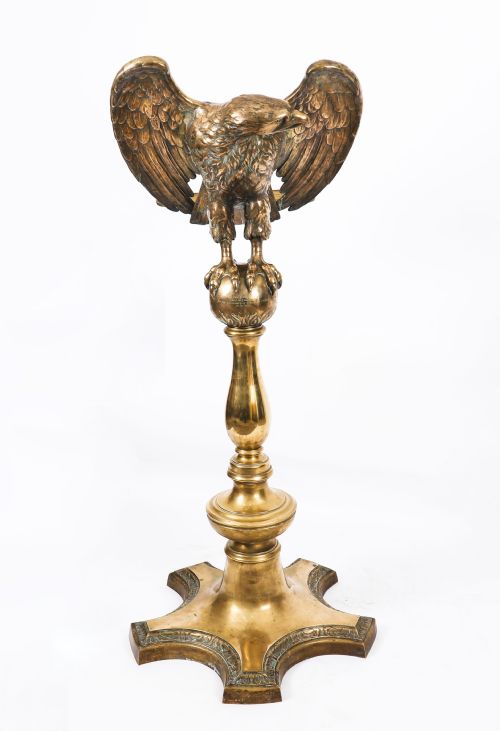
When you handle a gothic brass stand, you hold heavy ecclesiastical metalwork and domestic fittings shaped by nineteenth-century revival taste.
Gothic Brass Stand
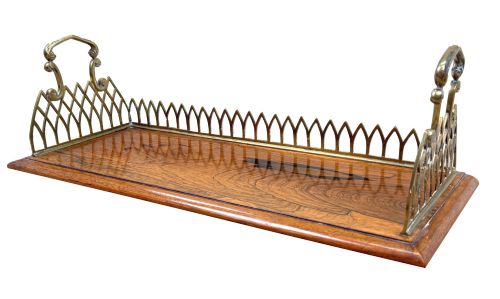
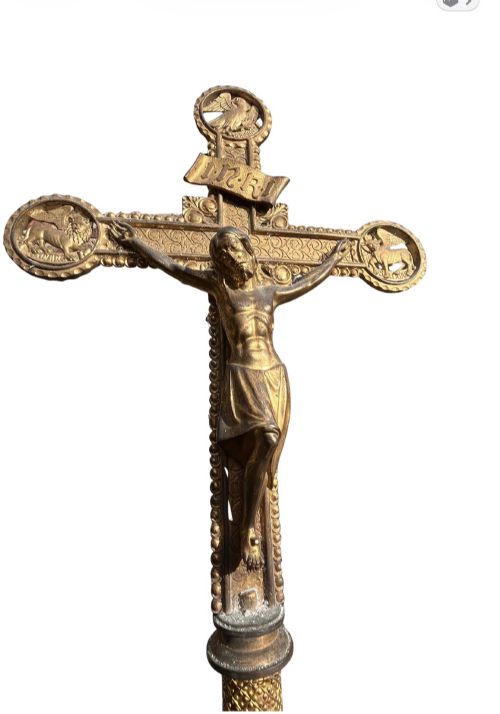
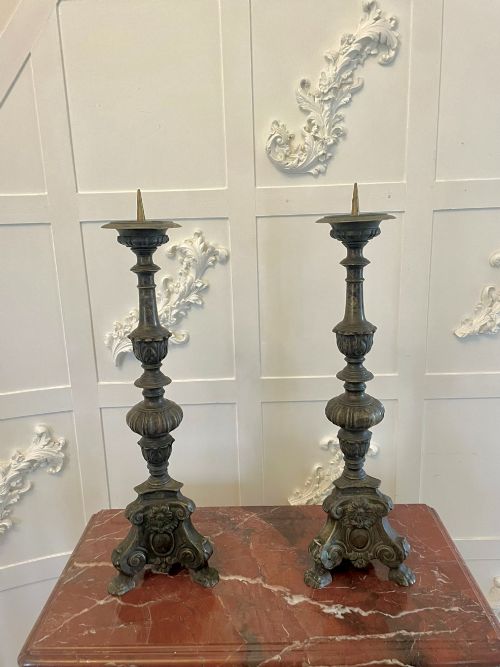
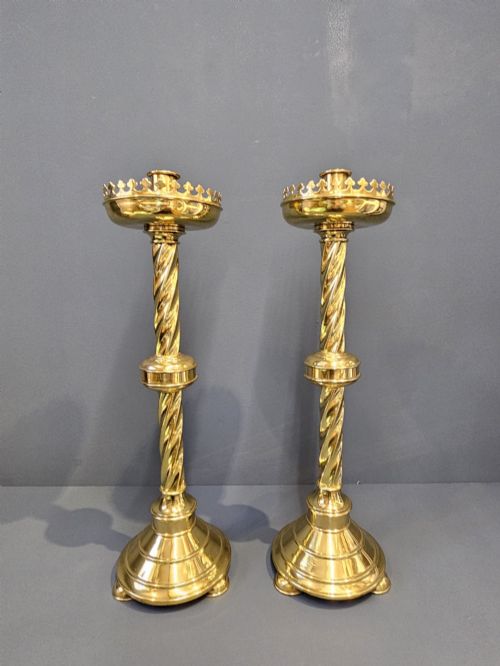
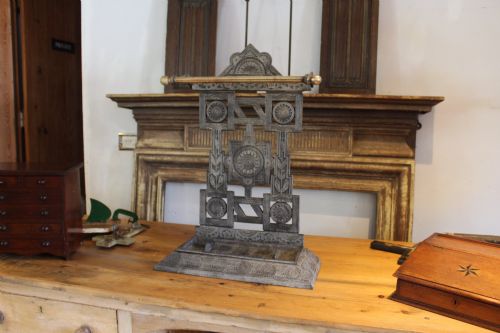
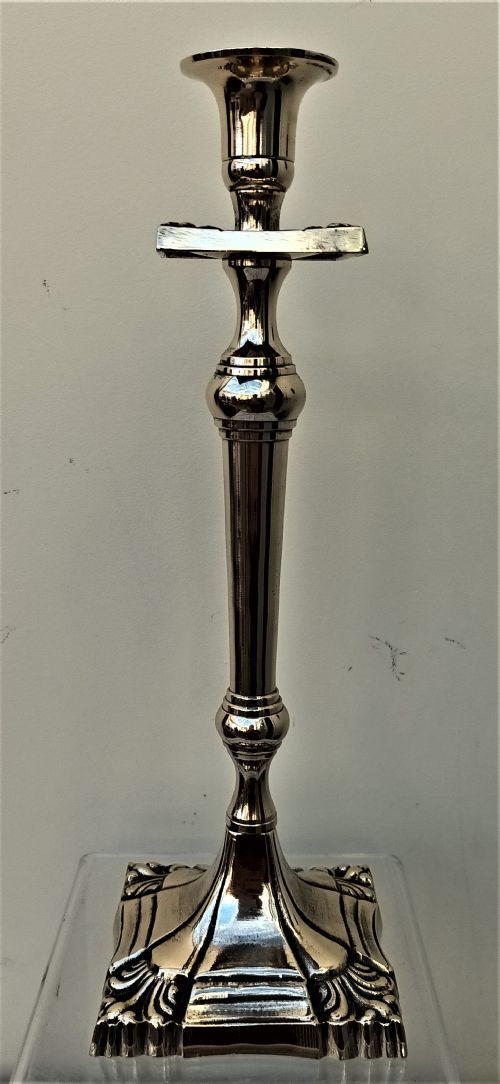
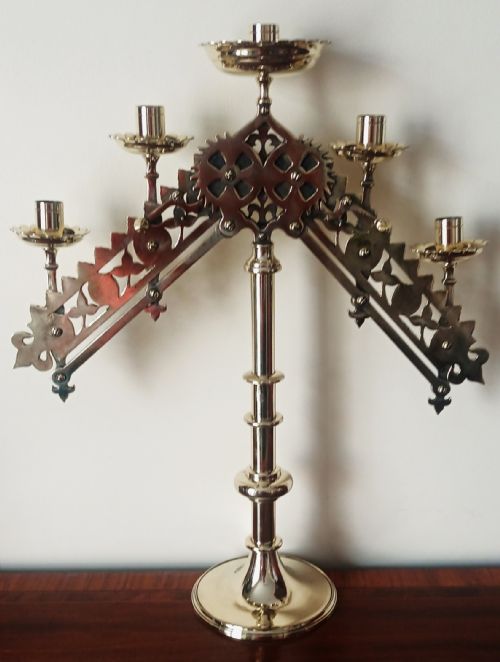
A gothic brass stand encompasses a range of church and domestic metalwork, from tall pricket candlesticks and floor-standing candle holders to umbrella stands and desk accessories. Buyers searching this phrase most frequently encounter nineteenth-century ecclesiastical pieces, alongside domestic items shaped by Victorian Gothic Revival and Arts and Crafts design.
The objects span periods from the mid-nineteenth century into the early twentieth century, reflecting a sustained architectural interest in medieval forms. Makers utilised brass, bronze, and cast iron to build sturdy stands intended for both sacred altars and domestic hallways.
Materials and Technique
Construction relies heavily on cast and turned brass, often paired with secondary materials such as oak, walnut, cast iron, and bronze to add structural weight and visual contrast. Metal components are frequently assembled through threaded fittings, heavy riveting, or soldered joints designed to bear the weight of tall candles or damp umbrellas.
Surface finishes range from polished golden brass to darkened patinas achieved through natural oxidation or applied treatments, sometimes accented by mounted copper, glass, or painted panels.
Gothic Brass Stand Retail Price Guide 2026
Typical asking prices for gothic brass stand among the pieces listed under this phrase on Sellingantiques today, from the lower quarter to the upper quarter. They describe what is for sale here now, not the wider market.
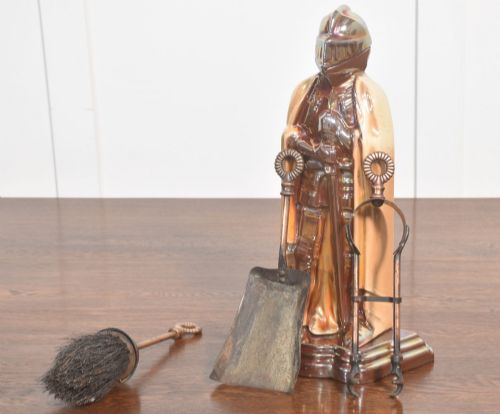
Several stands feature painted metal knights standing ready to hold your walking sticks.
The Measure of Quality
Quality rests upon the crispness of the cast ornamentation and the sheer heft of the metal utilised in the construction. Pieces displaying deep hand-chiselling, substantial gauge brass, and integrated structural elements separate standard production items from workshop-designed examples.
The integrity of the assembly also defines standard, as skilled joining keeps tall pricket candlesticks and umbrella stands rigid over decades of use.
Thomas Jeckyll·Wm. Tonks & Sons·Dr Christopher Dresser·Betjemanns
The Gothic Brass Stand Glossary
- Pricket candlestick
- A candle holder featuring a sharp metal spike at the centre of the drip pan to secure tall altar candles.
- Gothic Revival
- An architectural and decorative style drawing inspiration from medieval design, featuring pointed arches and trefoils.
- Arts and Crafts
- A design movement prioritising traditional craftsmanship and honest construction over mass production.
- Ecclesiastical
- Artefacts and furnishings specifically designed for use within a Christian church or chapel.
- Aesthetic Movement
- A late nineteenth-century British movement emphasising decorative art and beauty over narrative meaning.
Gothic Brass Stand: Frequently Asked Questions
What is a gothic brass stand?
A gothic brass stand is a nineteenth-century metal object created in the medieval revival style, functioning as a church candlestick, floor-standing candle holder, or domestic umbrella stand.
These pieces combine utilitarian purpose with decorative architectural motifs drawn from ecclesiastical design.
How were gothic brass stands used?
Church examples held large wax tapers upon altars and chancels to illuminate religious services, while domestic versions supported heavy walking sticks and umbrellas in Victorian hallways.
Desk and book stands served library spaces to hold folios and reading material upright.
How do I date a brass stand?
Dating relies on stylistic clues, manufacturing marks, and material combinations spanning the Victorian, Edwardian, and Arts and Crafts periods.
Heavier cast construction and specific revival motifs generally point toward the nineteenth century, while later pieces incorporate early twentieth-century workshop methods.
Where should I place a stand?
Tall pricket candlesticks suit quiet corners or hearthsides where their vertical height adds architectural presence to a room.
Umbrella and stick stands find a natural home in entrance hallways, echoing their original functional placement.