


Gothic Architectural Salvage
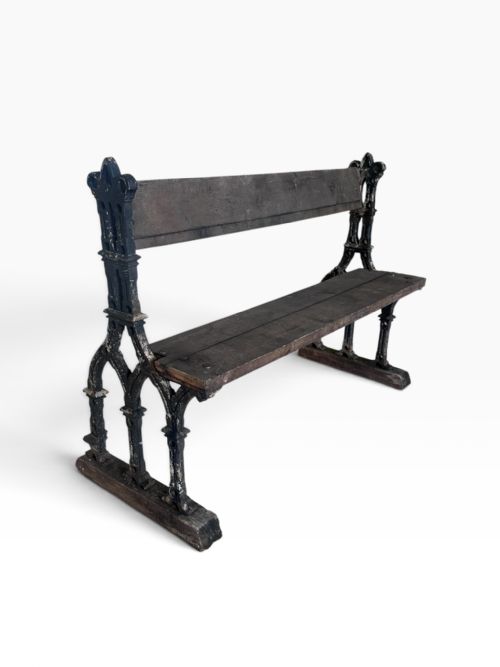
Gothic architectural salvage pieces are historic stone and timber fragments that bring centuries of structural craftsmanship into a modern interior.
Gothic architectural salvage
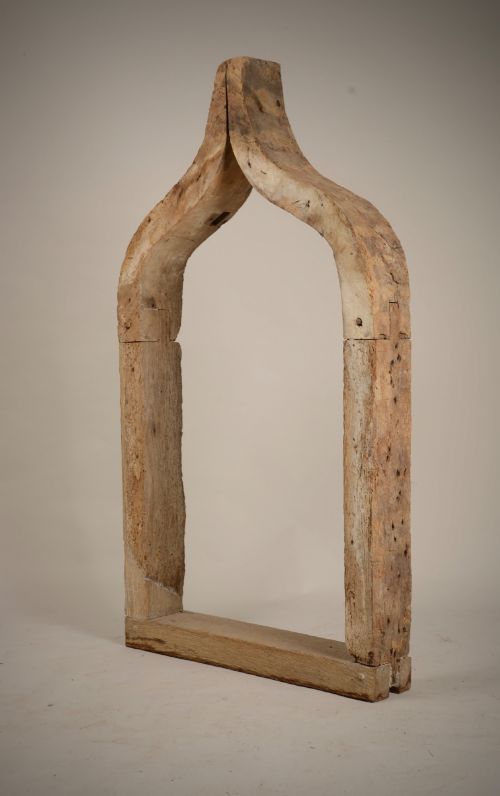
Gothic architectural salvage pieces are historic stone and timber fragments recovered from ecclesiastical and medieval buildings. These remnants span from pre 16th century origins to the 19th century Gothic Revival movement, capturing centuries of design. A buyer sorting through this selection will encounter both genuine medieval fragments and later revival interpretations.
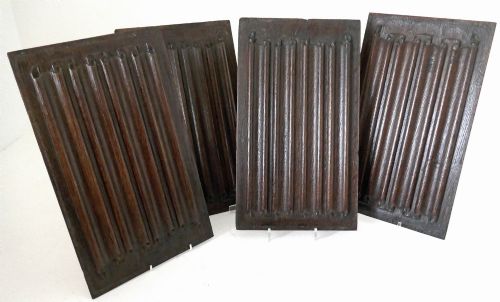
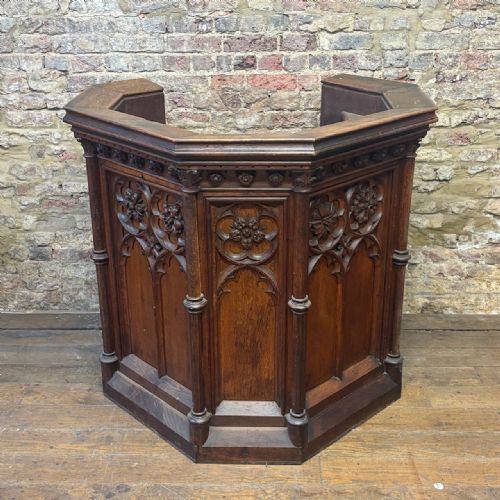
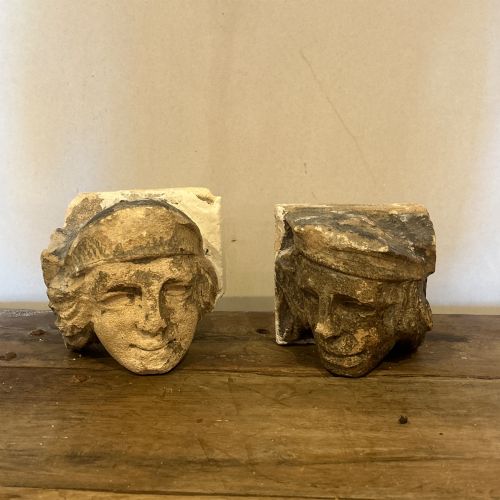
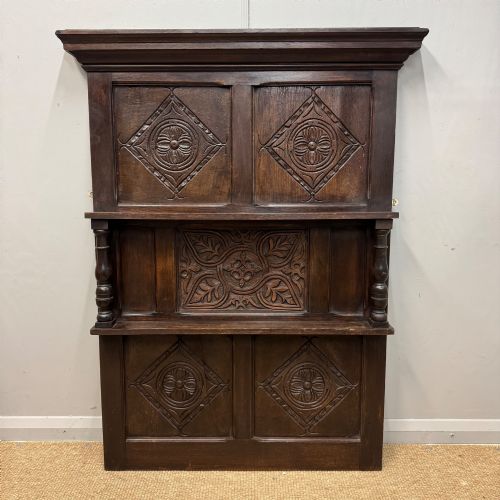
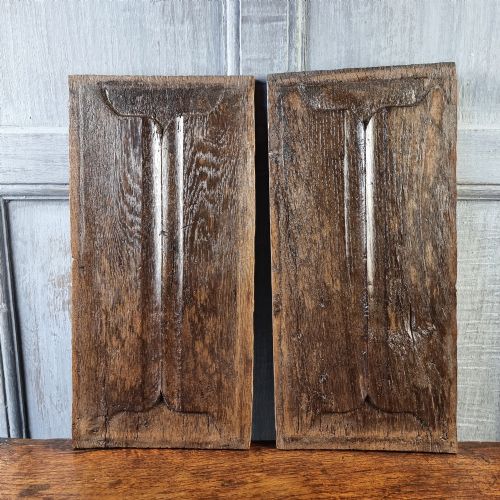
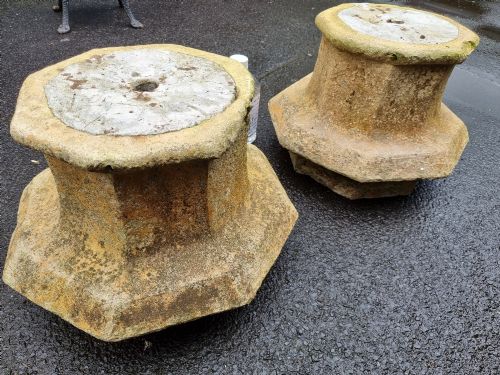
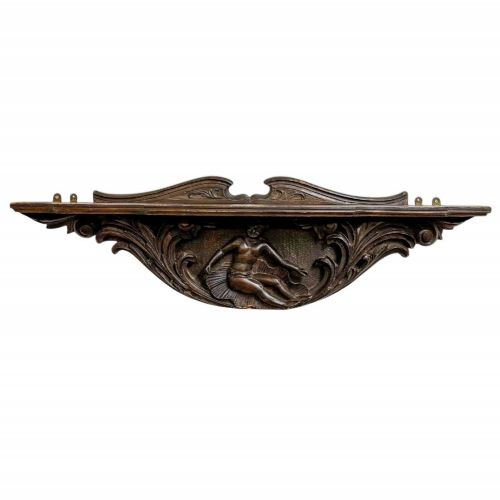
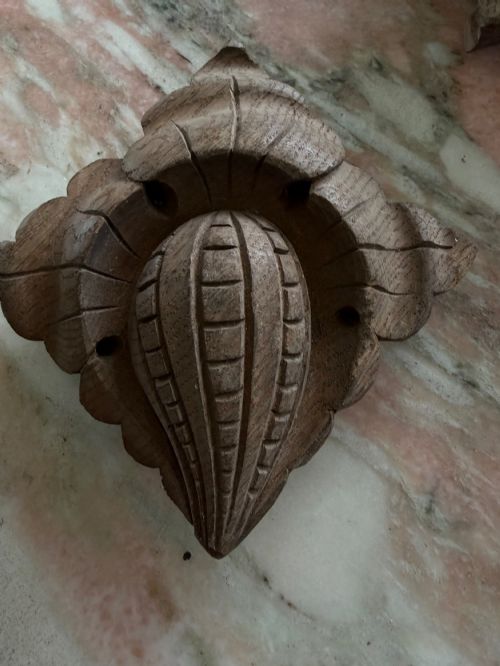
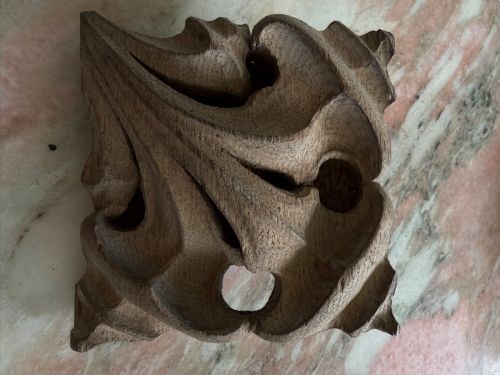
The objects take several distinct architectural forms, including structural corbels, intricate tracery panels, and carved stone fragments. Limestone and sandstone dominate the earlier stonework, whilst carved pine forms the basis of the ecclesiastical panels. Each piece represents a specific structural element removed from its original architectural context.
Materials and construction
Masons shaped durable materials like limestone and sandstone using hand chisels and mallets to create load bearing corbels and decorative wall fragments. These natural stones show the tool marks and weathering of centuries exposed to the elements. Sandstone and limestone items rely purely on the density and natural grain of the mineral for their longevity.
Carpenters carved architectural tracery panels from seasoned pine, utilising relief techniques to form intricate window and screen patterns. The pine panels demonstrate the skill of historical woodworkers working within ecclesiastical traditions. Joinery and surface tooling on the timber elements reflect the specific techniques of 19th century church workshops.
Retail Price Guide 2026
Typical UK retail prices for gothic architectural salvage, calculated from the Sellingantiques database of over a million retail prices indexed since 2003. This retail price guide relies exclusively on Sellingantiques data; no external sources or auction records are used, so the figures do not describe the wider market.
Listings span two distinct eras, featuring both pre 16th century medieval stonework and 19th century Gothic Revival pine and sandstone.
Judging quality
Quality rests entirely on the depth of the carving and the integrity of the material, separating simple industrial leftovers from masterwork sculpture. A sharp, deeply undercut relief on a pine tracery panel demonstrates superior hand dexterity compared to a shallow, mechanical milling. Similarly, limestone corbels with crisp, expressive facial or geometric detailing command greater visual presence than eroded blocks.
Provenance and age further divide the selection, distinguishing pre 16th century medieval stonework from 19th century Gothic Revival pine. Genuine medieval fragments carry the weight of early ecclesiastical history, whilst later pine panels display the stylistic confidence of Victorian revivalists. The purity of the Gothic style and the honesty of the surviving material dictate the piece's ultimate character.
The Gothic Architectural Salvage Glossary
- Corbel
- A structural stone bracket projecting from a wall to support a weight above. Medieval examples often feature carved figures or foliate motifs.
- Tracery
- Openwork stonework or timber framing supporting glass in a Gothic window or decorating a screen. Pine examples replicate stone church designs.
- Ecclesiastical
- Relating to the Christian Church or its clergy. Pieces of this origin come directly from religious buildings.
- Sandstone
- A sedimentary rock composed mainly of sand-sized minerals or rock grains. It provides a durable medium for exterior architectural carving.
- Limestone
- A sedimentary rock consisting largely of calcium carbonate, frequently used in medieval masonry. It accepts fine detail work from the mason's chisel.
Frequently Asked Questions
What is gothic architectural salvage?
Gothic architectural salvage comprises historic stone and timber elements removed from medieval and 19th century ecclesiastical buildings. These pieces include corbels, tracery panels, and carved fragments.
They represent the structural and decorative components of historic architecture, preserved for modern display or interior integration.
How are these stone fragments dated?
Dating relies on stylistic analysis of the carving, the choice of material, and historical records associated with the object. Pre 16th century pieces display medieval hand-tool techniques.
Nineteenth-century items reflect the Gothic Revival movement, utilising historic motifs interpreted through Victorian craftsmanship and tooling.
How do I display architectural stone?
Stone corbels and fragments require sturdy support due to their substantial weight from dense limestone or sandstone. Many collectors mount them on custom metal stands.
Placement should account for both the structural load of the piece and the lighting needed to highlight the carved relief.
What distinguishes medieval from revival pieces?
Medieval pieces, dating before the 16th century, exhibit authentic age-related weathering and the distinct tool marks of early stone masons. Their Gothic style is contemporary to the period.
Revival pieces date to the 19th century, reproducing medieval forms using contemporary woodworking or masonry methods popular during the Victorian era.