



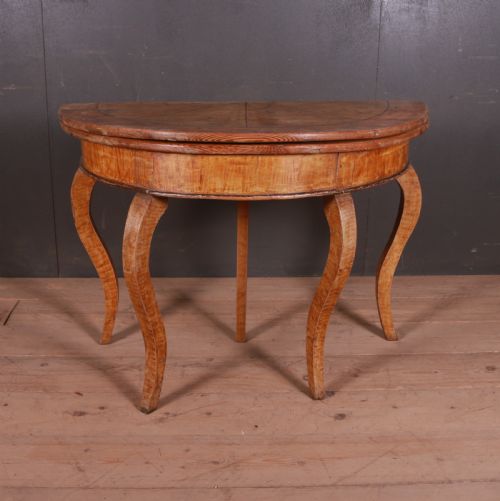
Golden Wood Hall Table
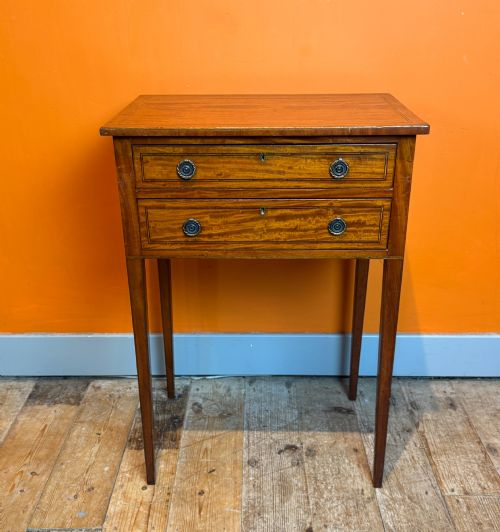
A golden wood hall table brings warmth and refined grain into an entranceway, offering a surface of satinwood, birch, or maple that catches the light.
Golden Wood Hall Table
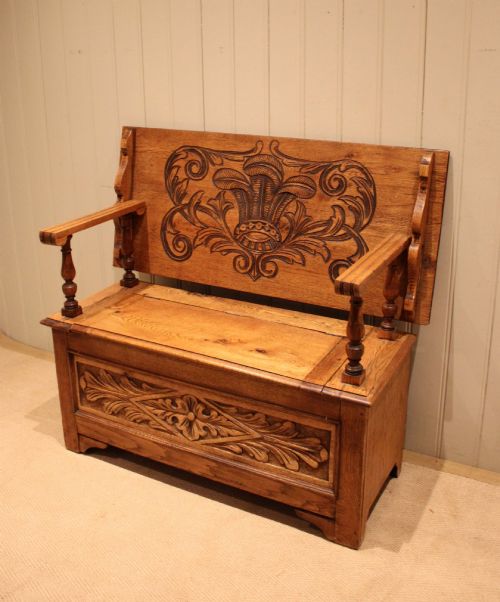
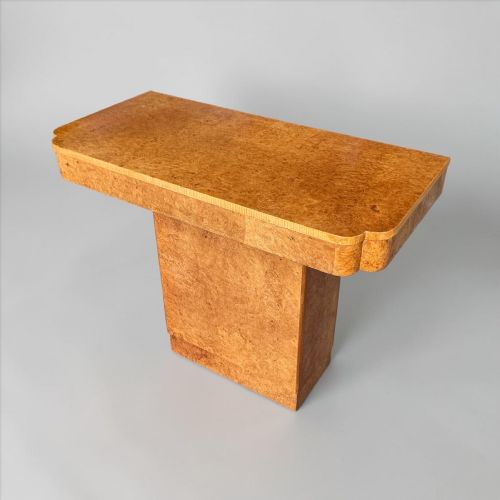
A golden wood hall table sits in narrow spaces to hold post and keys while reflecting light through a pale, figured timber surface. When searching for a golden wood hall table, buyers encounter console tables, pier tables, and occasional tables dating from the eighteenth century through the Art Deco era.
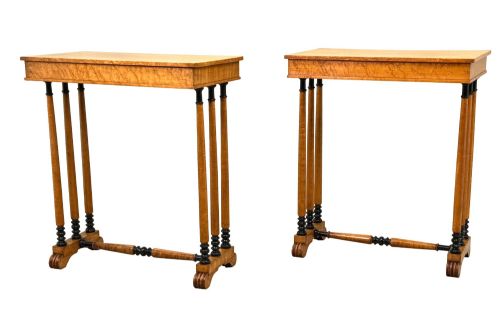
The material runs predominantly to satinwood, birch, and burr birch, often shaped as console or pier tables designed to stand flush against a hallway wall. Pieces span George III, Regency, and Edwardian periods, alongside revival styles from the nineteenth and twentieth centuries.
Makers utilised contrasting timbers like padoukwood, ebonised wood, and boxwood for inlay work, framing the golden ground of the primary wood. Proportions remain shallow to suit corridors and entrance halls without obstructing passage.
Construction and Materials
Craftsmen built these tables using timber veneers such as satinwood, birch, and birdseye maple laid over stable secondary woods. Cabinetmakers applied complex stringing and crossbanding in boxwood and ebony to create geometric or neoclassical borders.
Turning, tapering, and reeding shaped the legs, while French polishing brought out the natural iridescence and chatoyancy of the light-toned grain. Structural joints relied on traditional mortise and tenon joinery hidden beneath decorative veneers.
Golden Wood Hall Table Retail Price Guide 2026
Typical asking prices for golden wood hall table among the pieces listed under this phrase on Sellingantiques today, from the lower quarter to the upper quarter. They describe what is for sale here now, not the wider market.
Geometric inlay utilising boxwood and ebonised wood appears across multiple pieces from the Edwardian and Sheraton revival eras.
Assessing Quality
Quality rests in the selection of the timber veneer, where dense bird's eye figuring or uniform golden satinwood grain elevates a piece. The crispness of the boxwood inlay and the preservation of the original polish determine whether the surface retains its optical depth.
Proportion and restraint separate standard production from superior examples, particularly in how gracefully the legs taper from the frieze. Integrated drawer construction, using solid secondary timbers with hand-cut dovetails, marks the distinction in higher-tier tables.
The Golden Wood Hall Table Glossary
- Console Table
- A side table designed to stand against a wall, frequently supported by two front legs and secured to the wall at the back.
- Pier Table
- A decorative table made to stand against the wall between two windows, often paired with a matching wall mirror above it.
- Satinwood
- A durable, hard timber with a natural golden sheen and a smooth, lustrous grain highly prized for fine cabinetmaking.
- Stringing
- Thin inlay lines of contrasting wood used to outline geometric panels or drawer fronts on decorative furniture.
- Veneer
- A thin layer of figured wood applied over a sturdier secondary timber base to create decorative surfaces.
Golden Wood Hall Table: Frequently Asked Questions
What is a hall table?
A hall table is a narrow surface placed in an entranceway to provide a drop zone for daily items without blocking foot traffic.
These pieces typically take the form of console or pier tables, designed specifically for shallow spaces.
How do I care for satinwood?
Satinwood furniture requires protection from direct sunlight and excessive moisture to prevent the pale timber from darkening or splitting.
Regular dusting with a dry cloth and occasional waxing maintain the natural lustre of the polished surface.
Where should I place a console table?
Console tables sit best against flat walls in hallways, living rooms, or dining areas where floor space is limited.
Their shallow depth allows them to anchor a wall space while supporting lamps, mirrors, or decorative objects.
How do I identify Regency style?
Regency design draws heavily on classical Greek and Roman motifs, featuring clean architectural lines and restrained ornamentation.
Furniture from this period often employs dark wood contrasts, reeded legs, and elegant brass mounts.