






Golden Wood Box
A golden wood box antique brings warm grain and historic craft to a desk or table, offering a neat home for letters, tea or keepsakes.
Golden Wood Box
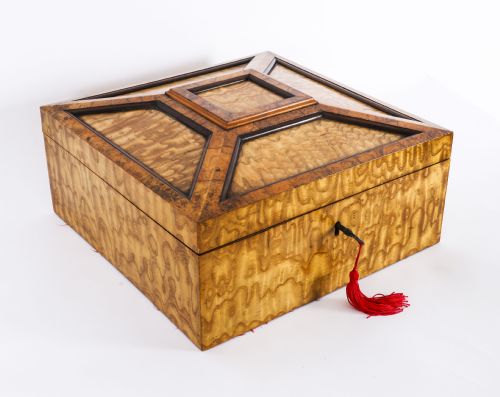
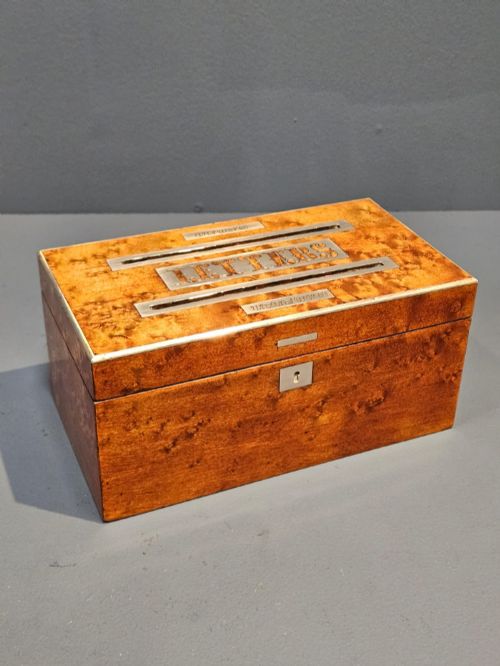
Buyers seeking this type of item most frequently encounter tea caddies, desktop boxes and caskets rendered in figured timbers like satinwood, yew and burr maple. These smaller containers survive in considerable variety, reflecting the domestic habits and writing customs of past households.
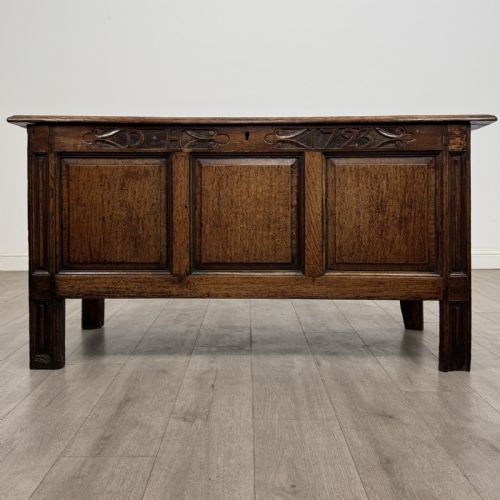
Larger examples such as camphor wood trunks and solid oak benches appear alongside smaller table boxes, showing how golden woods were utilised across scale and function. The selection ranges from inlaid Georgian specimens to early twentieth-century desktop pieces featuring integrated clocks.
Assessing quality in golden wood boxes
The sophistication of the timber selection dictates much of the visual appeal, with tightly knotted burrs and deeply figured grains commanding greater appreciation than plain planks. Cabinet makers who carefully matched grain patterns across lids and panels achieved a more cohesive, harmonious appearance.
Precision in joinery and inlay work marks the divide between standard utility items and finer workshop production. Crisp mitres, tight shell inlays and well-fitted interior compartments demonstrate the high level of skill invested by the original maker.
Golden Wood Box Retail Price Guide 2026
Typical asking prices for golden wood box among the pieces listed under this phrase on Sellingantiques today, from the lower quarter to the upper quarter. They describe what is for sale here now, not the wider market.
The listings show a strong representation of nineteenth-century pieces, alongside eighteenth-century examples and early twentieth-century desktop items.
The Golden Wood Box Glossary
- Tea caddy
- A container designed to store loose tea leaves securely, often featuring internal lidded compartments and mixing bowls. These boxes were key domestic accessories when tea was an expensive commodity.
- Writing slope
- A portable desk with a hinged slanted lid that opens to reveal a flat writing surface, inkwell recesses and stationery storage. They were essential for correspondence before fitted household writing furniture became universal.
- Burr wood
- A growth deformity on a tree that produces highly figured, swirling grain patterns when sliced into veneer. Cabinet makers prized burr timbers like yew, maple and elm for their decorative surfaces.
- Inlay
- A technique where pieces of contrasting material, such as shell, bone or lighter wood, are set into recesses flush with the surface. This created geometric patterns and decorative borders on boxes and furniture.
- Casket
- A small, often locked box used for safeguarding valuables, documents or jewellery. Historically built with robust timber construction and metal hardware to protect contents.
Golden Wood Box: Frequently Asked Questions
What were tea caddies used for?
Tea caddies stored precious tea leaves under lock and key in the formal rooms of eighteenth and nineteenth-century homes. Servants typically managed the supply, bringing the locked caddy out only when tea was prepared.
The internal compartments kept different tea varieties separated and fresh. Some caddies included small glass bowls for blending leaves before brewing.
How do I date a wooden box?
Dating relies on combining the timber species, construction methods, hardware style and decorative motifs visible on the piece. Regency pieces often feature clean geometric lines and contrasting veneers, while Victorian examples can incorporate heavier carvings or elaborate brass mounts.
Secondary woods inside the box and the style of internal fittings also offer clues to the decade of manufacture. Comparing the piece to dated examples helps narrow down the period.
Where should I place a desktop box?
A desktop box suits placement on a study desk, hall table or chest of drawers where its decorative grain adds warmth to the room. Keeping it out of direct sunlight prevents the golden timbers from fading or drying out.
Using these boxes to hold modern items like stationery, keys or trinkets lets them continue their original storage function in a contemporary home.
How do I care for antique timber?
Maintenance requires keeping wooden boxes away from excessive heat sources and sudden humidity changes that cause timber to warp or split. A light dusting with a dry microfiber cloth is usually sufficient for routine cleaning.
Applying occasional specialist wax helps nourish the antique finish without building up heavy residues. Avoid modern silicone polishes that can penetrate the grain and damage older surfaces.