





Golden Walnut Dressing Table
A golden walnut dressing table brings warmth and rich grain to a bedroom, offering a surface for preparation alongside deep drawers for storage.
Golden Walnut Dressing Table
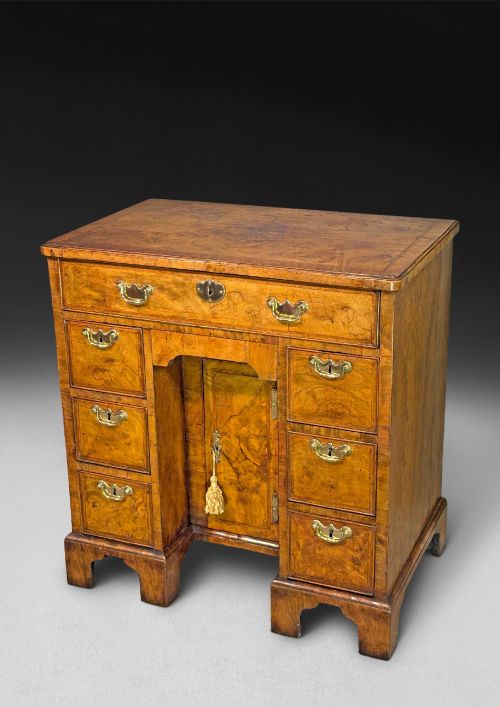
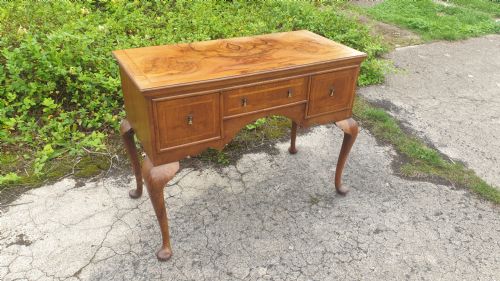
A golden walnut dressing table is a fitted piece for the bedroom, designed with surface space and often incorporating mirrors or drawers to hold daily items. When seeking a golden walnut dressing table, you encounter items stretching from the Georgian period through the Victorian and Edwardian eras into the Art Deco years of the twentieth century. These furnishings appear in forms ranging from traditional kneehole desks and kidney-shaped writing tables to elaborate duchess styles and streamlined Art Deco chests.
The materials span standard walnut, burr walnut, and satin walnut, often complemented by glass, mirror glass, and brass fittings. Stylistic influences vary widely, taking cues from Queen Anne Revival and George I designs as well as Louis XV Revival and twentieth-century modernism. Makers such as Maple and Company and Harry and Lou Epstein represent the London workshops that produced these sturdy and decorative domestic items.
Materials and Construction
Makers utilised walnut timbers for their strength and distinctive grain patterns, frequently selecting burr walnut veneers to create striking decorative effects across drawer fronts and tops. Secondary woods such as oak appear in internal framing and drawer linings to ensure structural integrity over decades of daily use. Brass handles, escutcheons, and hinges provide functional hardware, while polished mirror glass forms the backing for dressing table mirrors.
Joinery techniques follow traditional cabinetmaking standards, with dovetailed drawer construction and solid timber framing supporting thin layers of figured veneer. Surface finishing relied on hand-applied polishes that enhanced the natural golden tones of the wood without obscuring the grain. Side tables and dressing chests incorporate sturdy legs, ranging from cabriole supports on revival pieces to clean lines on Art Deco examples.
Golden Walnut Dressing Table Retail Price Guide 2026
Typical asking prices for golden walnut dressing table among the pieces listed under this phrase on Sellingantiques today, from the lower quarter to the upper quarter. They describe what is for sale here now, not the wider market.
Listings feature items from the Georgian period, the Victorian era, and the Art Deco years of the twentieth century.
Factors That Determine Quality
The value of a piece rests heavily on the choice of timber and the symmetry of the veneer work across prominent surfaces. Finer examples display carefully matched burr walnut grains that flow seamlessly across drawer fronts, whereas simpler pieces utilise plain walnut boards. The crispness of carved details, such as those found on Queen Anne Revival legs, indicates the skill of the original hand.
Hardware choice and internal construction also separate standard production from superior cabinetmaking. Original brass fittings, well-fitted drawers with clean oak linings, and makers' stamps or labels from firms like Maple and Company elevate the standing of an item. Structural soundness, minimal veneer lifting, and preserved original surfaces determine how well a piece holds its character.
Maple and Company·Harry and Lou Epstein·Maurice Adams
The Golden Walnut Dressing Table Glossary
- Burr walnut
- A specialised wood veneer taken from the wart-like growth on a walnut tree, prized for its swirling, highly figured patterns. It creates a decorative surface finish on fine antique furniture.
- Kneehole desk
- A compact desk or dressing table featuring a central recess for the legs, flanked by pedestals of small drawers. This form provides substantial storage within a modest footprint.
- Duchess dressing table
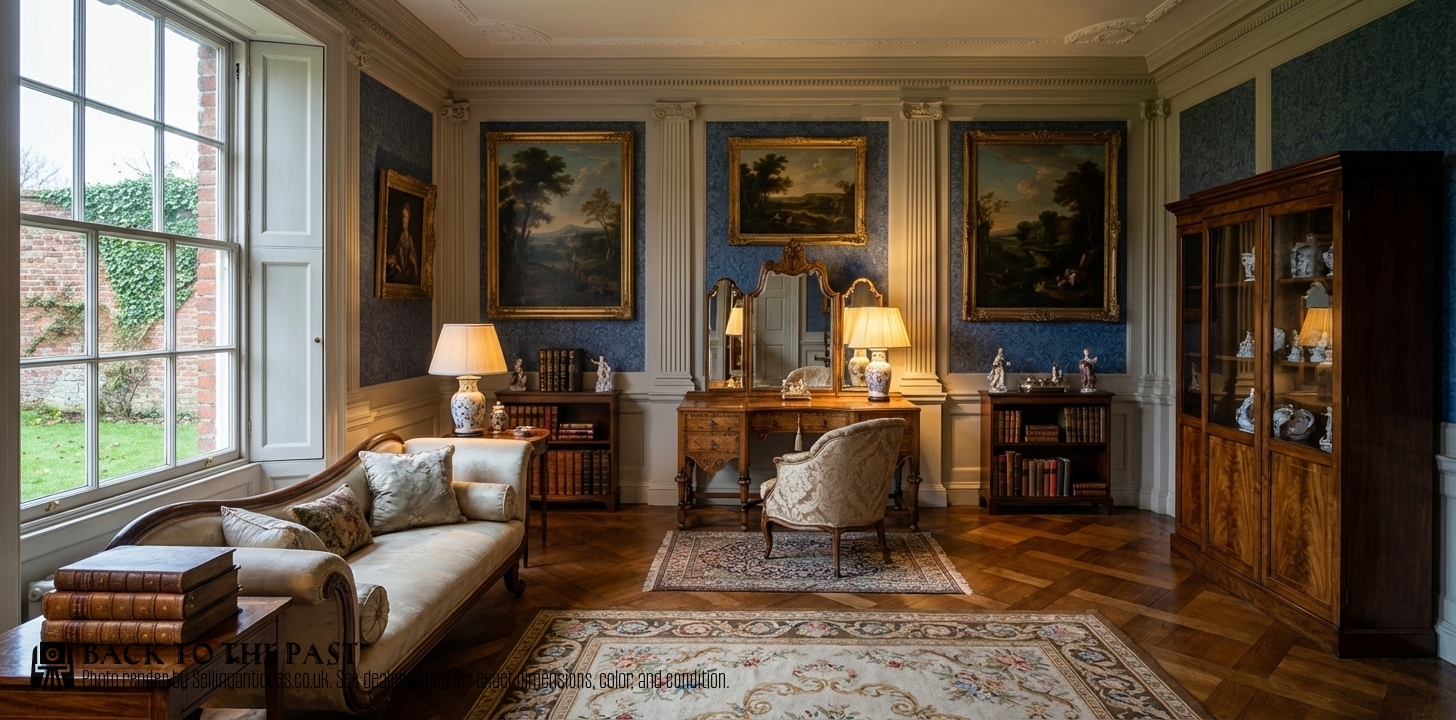
- A large Victorian dressing table style featuring a large central mirror supported by smaller jewellery drawers, above a main table surface. It represents a heavier, more ornate form of bedroom furniture.
- Satin walnut
- A timber derived from American red gum, often used in Victorian and Edwardian furniture for its warm, pale grain appearance. It mimics more expensive satinwoods while providing a durable domestic surface.
Golden Walnut Dressing Table: Frequently Asked Questions
What periods do these tables come from?
The pieces span several centuries, beginning with Georgian examples and moving through Victorian, Edwardian, and Art Deco periods.
Craftsmanship and design styles shifted across these eras, moving from ornate revival details to clean modern lines.
How do I care for walnut surfaces?
Walnut benefits from occasional polishing with traditional beeswax to maintain the moisture and sheen of the wood.
Keep these items away from direct sunlight and heat sources to prevent the timber from drying and the veneer from lifting.
Were mirrors original to these pieces?
Many dressing tables retain their original pivoting or fixed mirror attachments, which were secured to the backboards or small side supports.
Some pieces were designed to function as writing tables or side serving tables without mirrors, depending on their original room placement.