

Gold Tone Artwork
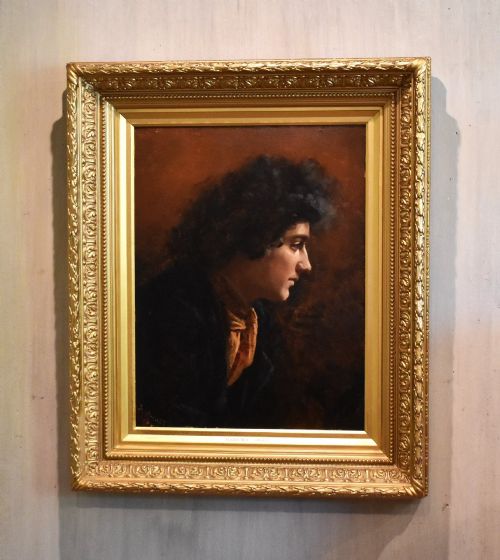
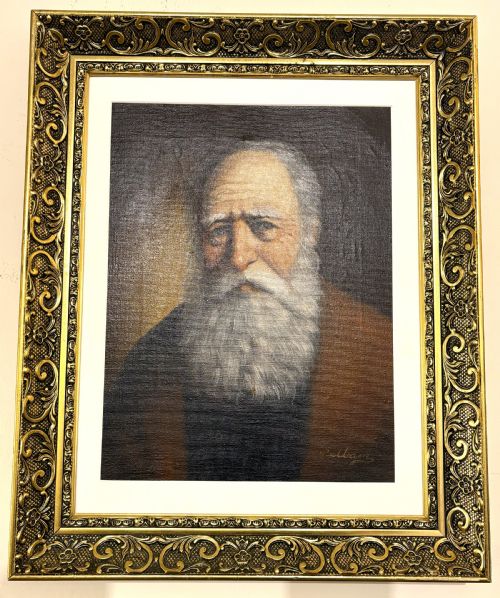
Gold tone artwork encompasses traditional paintings and works on paper framed by the warm luminescence of historic gilded surfaces.
Gold Tone Artwork
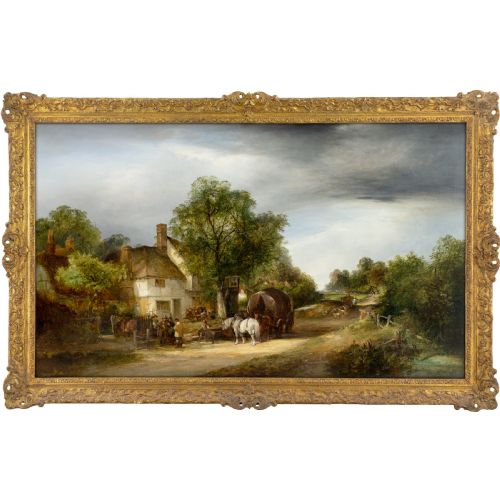
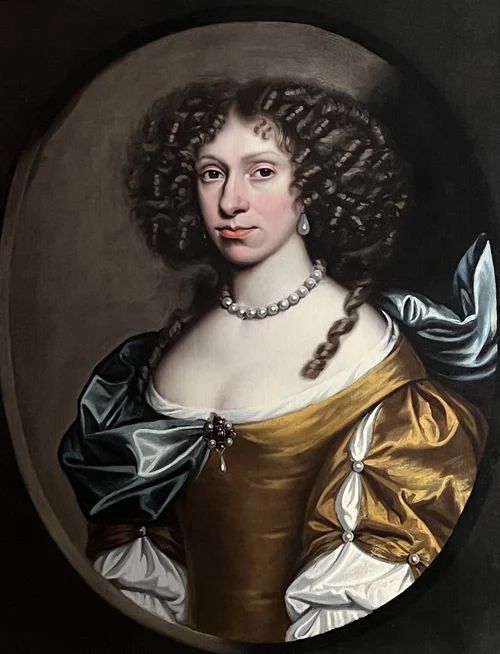
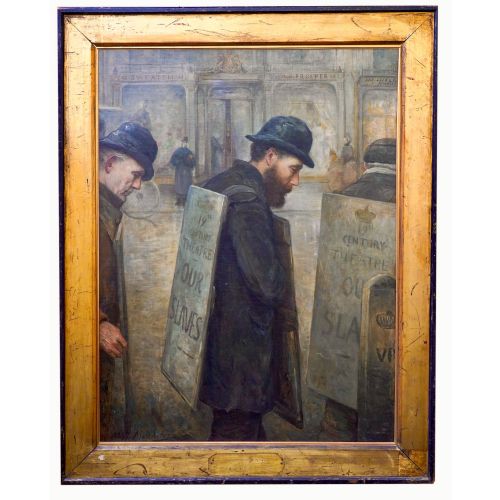
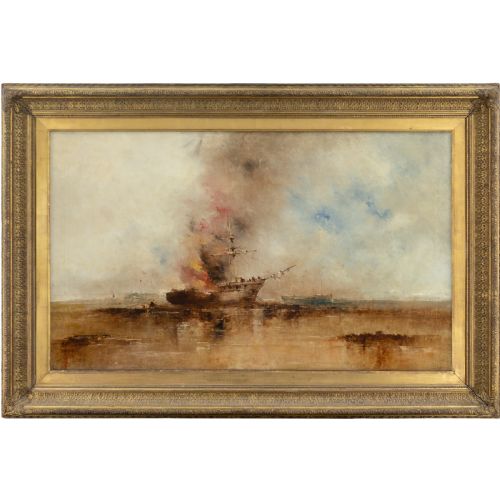
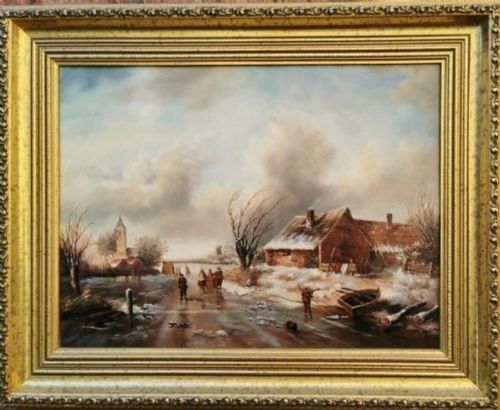
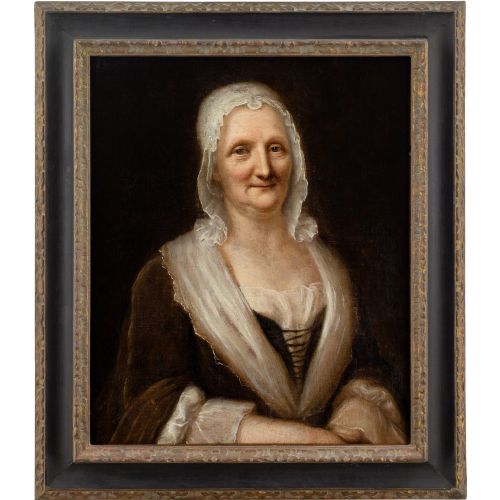
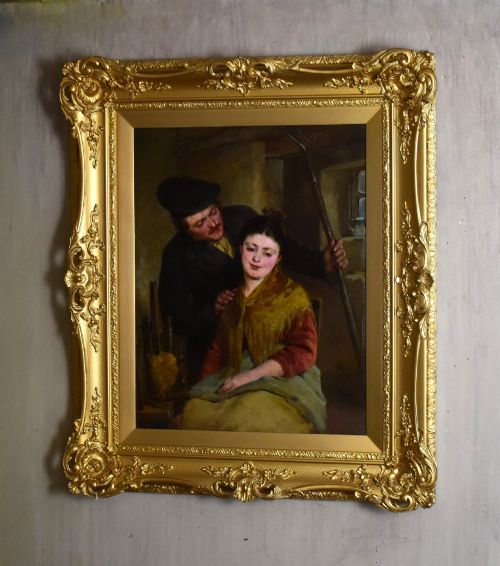
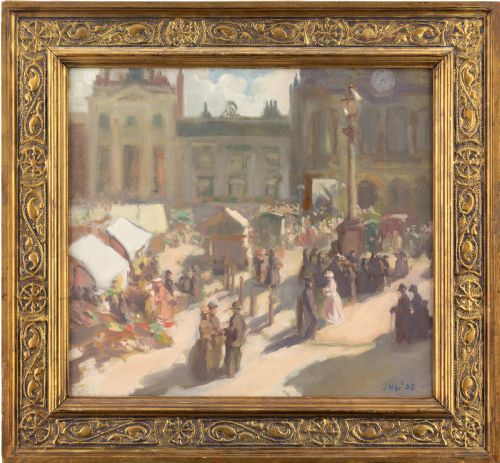
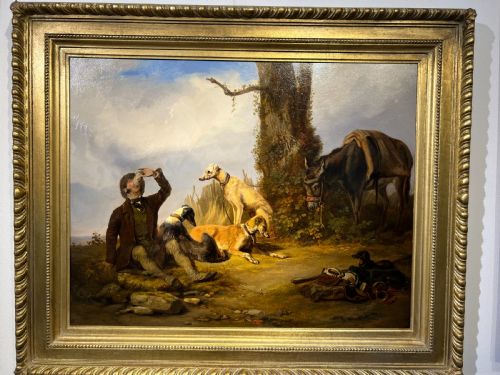
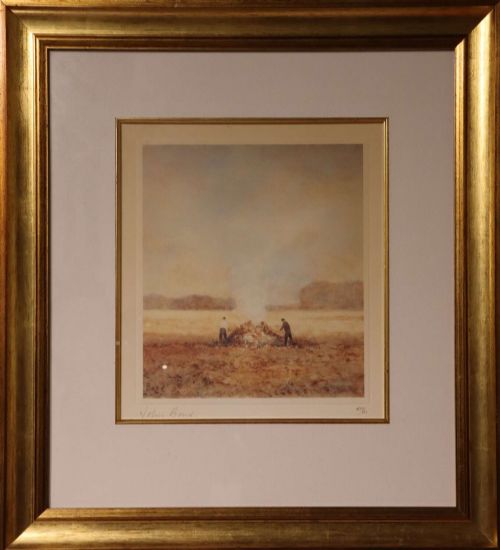
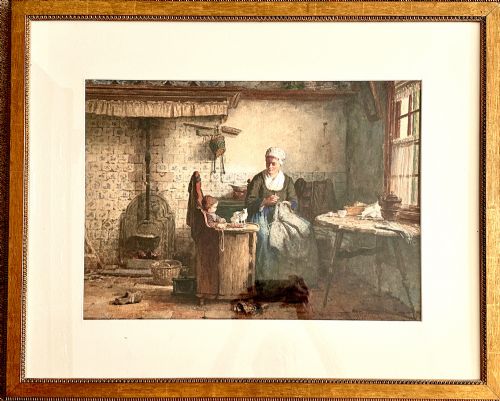
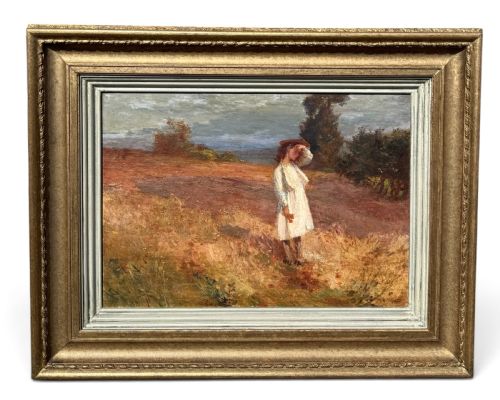
When you search for gold tone artwork, you encounter historical oil paintings, watercolours and framed fine art spanning multiple centuries. The selection ranges from seventeenth-century portraits and baroque landscapes to nineteenth-century genre scenes and mid-twentieth-century prints.
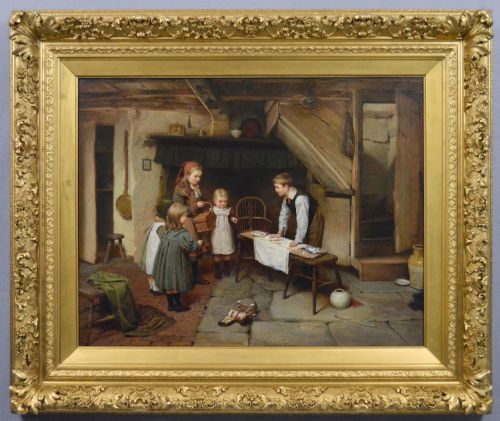
The version you are most likely to meet on this page is an oil painting on canvas housed within a period wooden frame. These works frequently employ warm palettes that complement their surrounding giltwood settings.
What varies in quality
The standard of execution in the brushwork and the depth of the composition separate different tiers of work. Finer examples display assured handling of light, form and anatomical proportion.
The preservation of both the artwork and its original frame dictates overall standing. Intact historical giltwood frames with original gilding elevate the integrity of the piece.
Monks fishing, mischievous children, and rabbits all make appearances, proving that historical artists loved a good animal or cottage story.
David Scougall·Felix Stone Moscheles·Howard Helmick·John Hodgson Lobley·David Teniers II·Francesco Zuccarelli·Eduard Leon Cortes
The Gold Tone Artwork Glossary
- Giltwood
- Wood that has been coated with gold leaf or gold paint. This technique provides a luminous, reflective border for historical paintings.
- Oil on canvas
- Pigment mixed with drying oil applied to a stretched woven fabric support. This combination allows for rich colour blending and lasting durability.
- Genre painting
- Artwork depicting scenes from everyday life involving ordinary people. These works often capture domestic interiors or local village activities.
- Watercolour
- A painting method where fine pigment is suspended in a water-soluble binder on paper. It creates translucent washes of colour.
Gold Tone Artwork: Frequently Asked Questions
How do I care for antique oil paintings?
Keep paintings away from direct sunlight and dramatic fluctuations in temperature or humidity. Avoid touching the painted surface directly.
Dust the frame gently with a dry, soft brush. Professional cleaning should only be undertaken by a conservator.
How can I identify the period of a painting?
Dating relies on stylistic conventions, costume details, and the physical characteristics of the canvas, stretcher, and pigments used.
Signatures, inscriptions, and historical documentation provided in the listing further establish the timeframe of creation.
Where should I hang a framed artwork?
Select an interior wall with stable environmental conditions, away from moisture sources like kitchens or bathrooms.
Position the piece at eye level to ensure comfortable viewing and to showcase the interplay of light on the gilt frame.