


Original Canal Painting
An original canal painting captures the evocative atmosphere of historic waterways, bringing the distinct light and architectural charm of Venice, Dutch windmills, and British industrial canals directly to your walls.
Original Canal Painting
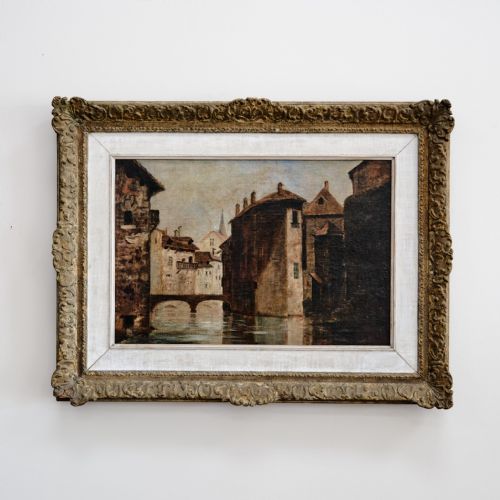
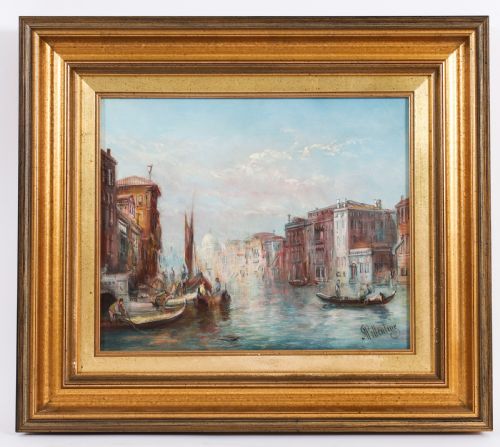
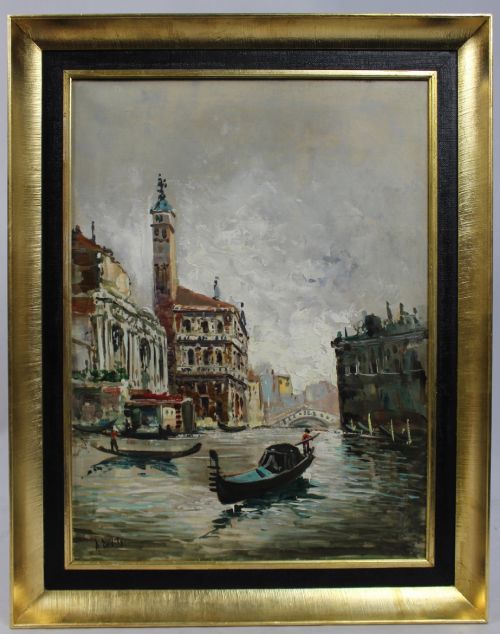
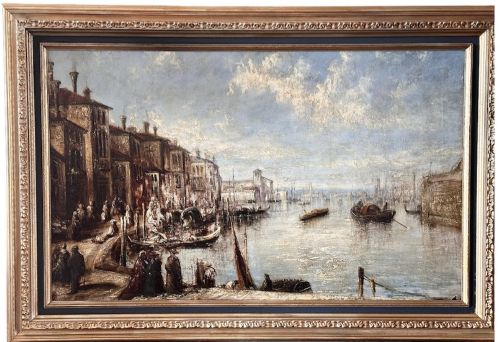
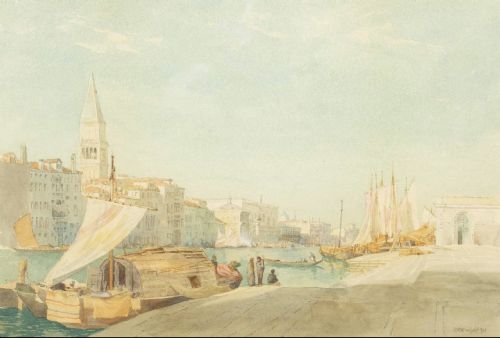
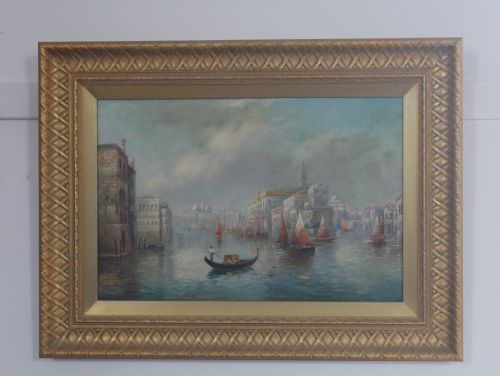
An original canal painting on this page presents waterborne vistas spanning the nineteenth and twentieth centuries, encompassing bustling Venetian waterways alongside domestic English and European canals. These works range from tightly detailed topographical watercolours to broader impressionistic oil studies on canvas and board.
Buyers will most frequently encounter nineteenth-century and early twentieth-century depictions of Venice, executed in oil or watercolour by notable hands, alongside atmospheric views of northern European and British waterways. The subjects vary from grand Venetian palaces and gondolas to quiet locks, barges, and towpaths.
The selections demonstrate diverse stylistic approaches, moving from Victorian fine art precision through Edwardian lightness to mid-century impressionism and German expressionist interpretations. Each piece retains its original framing and surface characteristics, reflecting the period of its creation.
Materials and methods
The works utilise traditional media, primarily oil paint on canvas or board and transparent watercolour on paper, frequently supported by preparatory pencil or ink underdrawing. Painters applied oil pigments with brushes and palette knives to build rich, textured surfaces, while watercolourists employed washes to capture the reflective quality of water.
Giltwood frames often house these paintings, providing period-appropriate borders that enhance the depth of the composition. Supporting grounds include stretched canvas, heavy artist papers, and occasionally pastel or gouache on tinted sheets.
Makers recorded atmospheric shifts through precise pigment layering, utilising gold leaf accents in specific decorative frames to complement the tonal values of the painted scene.
Gondoliers quietly paddle through centuries of soot and sea salt.
Factors of distinction
The strength of a composition rests on the artist's handling of light reflecting off water and the accurate perspective of surrounding architecture. Superior examples demonstrate confident brushwork and precise tonal control, particularly in complex architectural renderings like Venetian palazzos.
The reputation of the painter and the documented provenance elevate certain works above standard topographical records. Signed pieces by established practitioners carry stronger attribution weight and demonstrate a higher tier of technical execution.
Condition of the paint surface and the originality of the associated framing contribute significantly to the overall standing of each piece. Intact surfaces without excessive restoration retain the maker's original touch and visual impact.
Alfred Pollentine·Antonio DeVity·Francis Moltino·Richard Henry Wright·Fred Lawson·Claude Jousset·Frederick Tully Lott·Marc Aldine·Antoine Bouvard Senior·Jan van Couver·William Greaves·Vittore Zanetti Zilla·Herbert Royle·Hercules Brabazon Brabazon·Frank Wasley·Thomas Pyne·David Law·William Knox·Wilfred Knox·GH Thompson·Henry Wimbush·Arthur Netherwood·John D Walker·J Yates·John Constable
The Original Canal Painting Glossary
- Oil on Canvas
- Pigment mixed with drying oil applied to a woven fabric stretched across a wooden frame. This medium allows for rich colour blending and textured impasto application.
- Watercolour
- Paint consisting of colour suspended in a water-soluble binder, traditionally applied to paper. It relies on the white of the paper to shine through translucent washes.
- Giltwood
- Wood carved and covered with a thin layer of gold leaf or gold paint. It provides a traditional reflective border for nineteenth-century fine art.
- Impressionism
- A style of painting emphasising light and its changing qualities rather than precise detail. Artists often used visible brushstrokes to capture immediate visual impressions.
- Gouache
- An opaque watercolour paint mixed with a binding agent. It creates a heavier, more solid matte finish on paper compared to transparent watercolours.
Original Canal Painting: Frequently Asked Questions
How do I identify a Venetian canal painting?
Look for distinct architectural markers such as the Doge's Palace, the Bridge of Sighs, or the Santa Maria della Salute. Gondolas and lagoon water levels provide immediate visual context.
Artists frequently inscribed titles or signatures near the lower margins, helping to confirm the specific Italian location depicted.
What is the difference between oil and watercolour canal scenes?
Oil paintings feature heavier, textured pigments applied to canvas or board, offering deep colours and visible brushwork. Watercolours utilise translucent washes on paper, creating a lighter, luminous effect.
Oils require stretcher frames and protective varnish, whereas watercolours traditionally sit behind glass for paper preservation.
How should I hang and light an antique canal painting?
Position the piece away from direct sunlight to protect organic pigments in watercolours and sensitive oil varnishes. Consistent indoor humidity prevents warping in wooden frames and canvas stretchers.
Use dedicated picture lights with low heat emission to highlight the reflective qualities of the water without damaging the historic medium.
Are these paintings cleaned or restored?
Many antique works retain their original surface grime and aged varnish layers, which accumulate over decades. Professional conservation sometimes removes discoloured varnish to reveal the original palette.
Examining the canvas reverse and frame joints often reveals clues regarding past conservation efforts or framing updates.