




Edwardian Impressionist Landscape
An edwardian impressionist landscape captures light and atmosphere across rural and urban scenes through loose, expressive brushwork.
Edwardian Impressionist Landscape
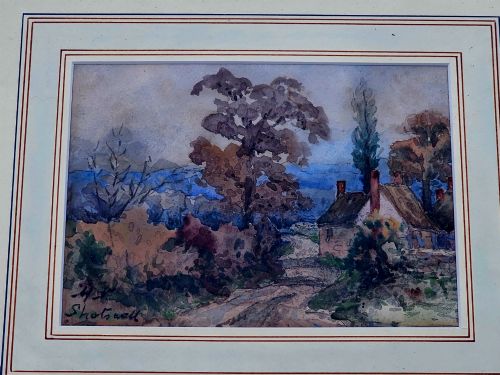
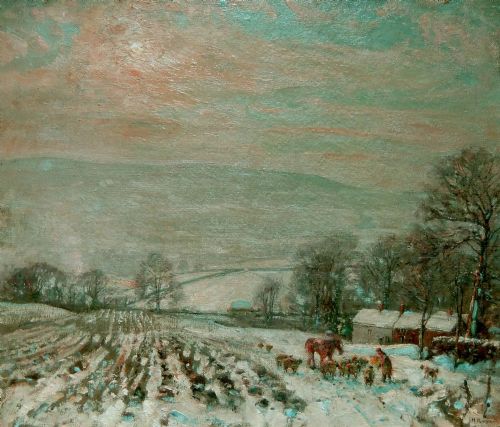
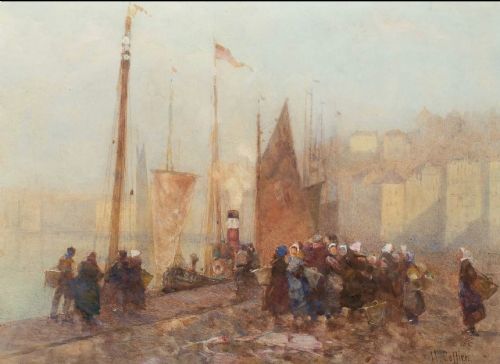
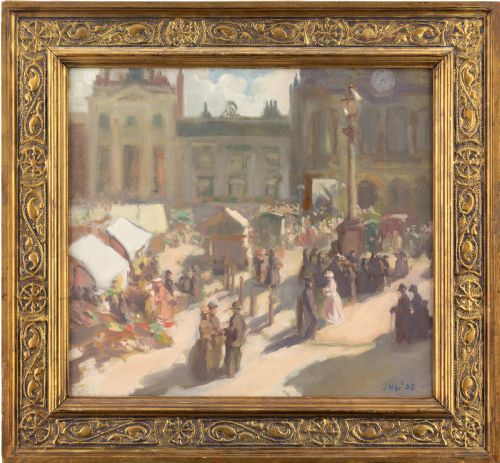
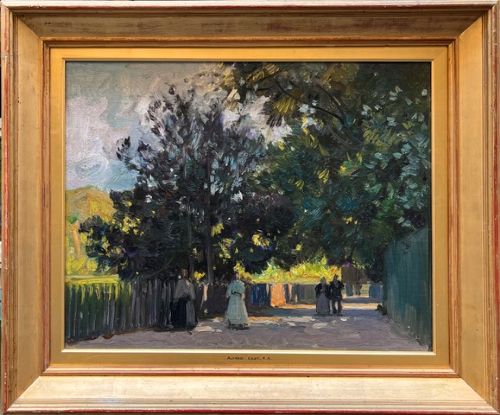
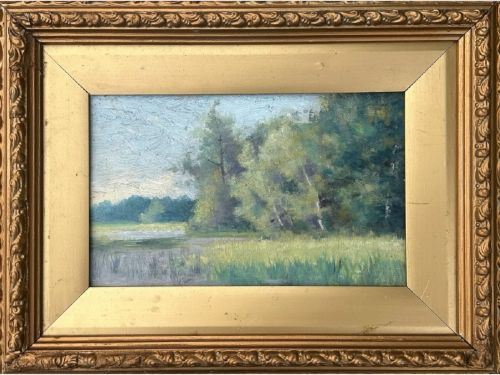
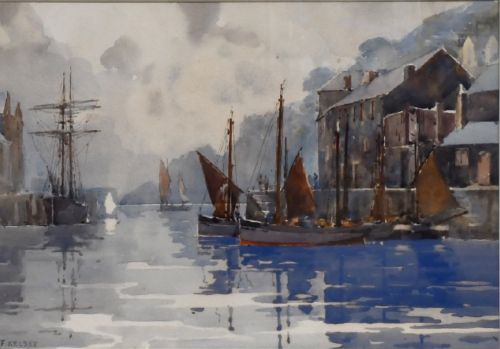
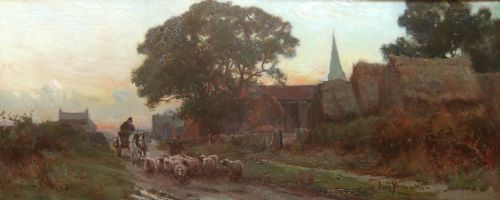
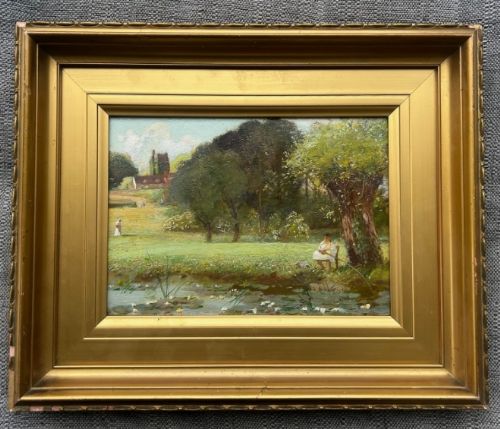
The edwardian impressionist landscape captures everyday rural views, coastal harbours, and quiet street scenes through loose, expressive brushwork. Buyers meet works spanning the Victorian, Edwardian, and early twentieth century periods, reflecting the enduring influence of plein-air painting across Britain. Most examples record pastoral life, agricultural labour, or quiet riversides set against shifting daylight.
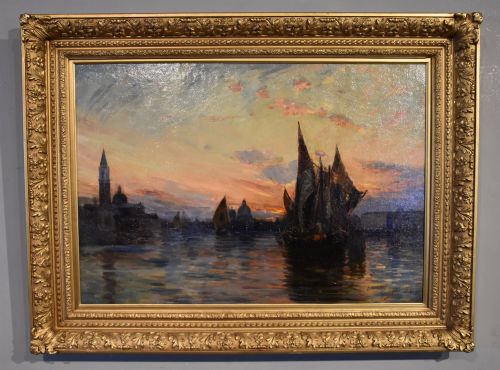
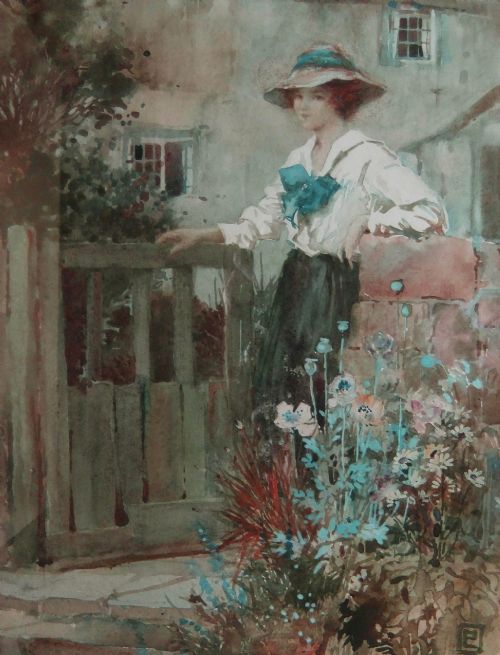
The forms range from intimate watercolour paintings on paper to large oil paintings executed on canvas, wood panel, or board. Many pieces retain their original gilt frames, which frame the composition and complement the palette of the period. Subjects often ground the viewer in specific regional locations, from Yorkshire and Cornwall to London and overseas destinations like Venice.
Artists working within British Impressionism, Scottish Impressionism, and Post-Impressionism contributed to this group, bringing varied regional interpretations to the style. The handling of paint shifts from the precise detail found in late nineteenth-century works to the broader, more gestural strokes characteristic of the nineteen-twenties and thirties.
Materials and Technique
Painters utilised oil paint and watercolour as their primary mediums, applying pigment to prepared canvas, absorbent paper, wood panels, or rigid board. Oil paint allowed artists to build heavy impasto and rich textures, particularly when capturing evening light or stormy skies. Watercolours offered a lighter transparency, applied swiftly on paper to seize fleeting atmospheric conditions.
Many works relied on en plein air practices, requiring artists to take their materials outdoors to record direct observations of nature. Panels and canvases were supported by wooden stretchers or mounted on board, whilst works on paper were protected behind glass within decorative frames.
Artists recorded subjects on canvas, paper, wood panels, and boards using oil paint and watercolour.
Evaluating Quality
Quality rests upon the confidence of the brushwork and the artist's ability to manipulate light and shadow to create atmospheric depth. Stronger compositions demonstrate a purposeful command of colour harmony, guiding the eye naturally across the surface without relying on rigid lines. Weaker examples often slip into formulaic repetition, lacking the vitality and spontaneity that define the movement.
The relationship between the subject and the support also dictates the strength of a piece; masterworks use the texture of canvas or wood panel to enhance the tactile quality of the paint. Preservation plays a role, with works retaining their original pigments and unrestored surfaces offering a more direct connection to the painter's hand.
Herbert Royle·Hector Caffieri·John Hodgson Lobley·Sir Alfred East·Thomas Hodgson Liddell·Percy Lancaster·Frank Kelsey·Archibald Kay·Owen Bowen·Edgar Woollatt·Sir David Murray·Thomas Bromley Blacklock·Reginald Grange Brundrit·Charles James Lauder·William Greaves·Ernest Pile Bucknall·Rowland Henry Hill·John Atkinson·James Watson·Frederick W Jackson·William Grant Murray·Ernest Higgins Rigg·Kershaw Schofield·James William Booth·George Soper
The Edwardian Impressionist Landscape Glossary
- Impressionism
- A nineteenth-century painting style focusing on the accurate depiction of light and its changing qualities, often painted outdoors. Artists utilised small, thin yet visible brush strokes and open compositions.
- Plein-air
- The act of painting outdoors to capture the direct effects of light and atmosphere upon subjects in real time. This method became central to impressionist practices across Britain and Europe.
- Impasto
- The process of laying paint thickly on a surface so that it stands out from the canvas or panel. This technique gives physical texture and dimension to brushstrokes.
- Watercolour
- A paint consisting of colour suspended in a water-soluble vehicle, typically applied to paper. It allows for luminous washes and rapid execution.
- Gilt frame
- A wooden protective border coated with gold leaf or metallic paint, frequently original to antique paintings. These frames enhance the visual weight and presentation of the artwork.
Edwardian Impressionist Landscape: Frequently Asked Questions
What is an edwardian impressionist landscape?
An edwardian impressionist landscape is a painting created around the turn of the twentieth century that uses loose brushwork to capture natural light, atmosphere, and rural or urban scenery. These works reflect the shift away from rigid academic realism toward a more personal, vibrant interpretation of the British countryside and city life.
Artists working in this mode recorded everyday subjects such as farmyards, harbours, and river paths. They prioritised the effect of weather and time of day over precise botanical or architectural accuracy.
How should I hang an oil painting?
Oil paintings on canvas or panel should be hung away from direct sunlight and steady heat sources to prevent the paint and support from drying out or warping. Ensure the wall can safely support the weight of the piece, particularly if it sits within a heavy wooden gilt frame.
Keep the painting at a comfortable, stable room temperature with moderate humidity. Using sturdy picture hooks secured into wall studs will keep the work safe and level over time.
How do I care for a watercolour painting?
Watercolour paintings require protection from direct sunlight, which can fade pigments and discolour paper over decades. Framing behind glass with acid-free mounts prevents dust and atmospheric pollutants from damaging the delicate surface.
Position watercolours in rooms with stable humidity levels to avoid moisture damage to the paper. Routine checks of the backing board and seals will ensure the interior remains clean and dry.
How do I distinguish oil from watercolour?
Oil paint sits on the surface with a heavier texture and often exhibits visible brush marks or impasto where the paint was applied thickly. It requires a rigid support like canvas, wood panel, or board and carries a glossy or satin sheen.
Watercolour is traditionally painted on paper, soaking into the fibres rather than sitting as a raised layer above them. These works present a flat, matte finish and must be displayed behind protective glass.