

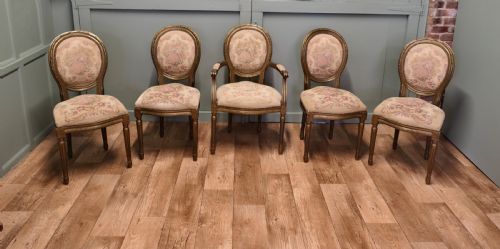
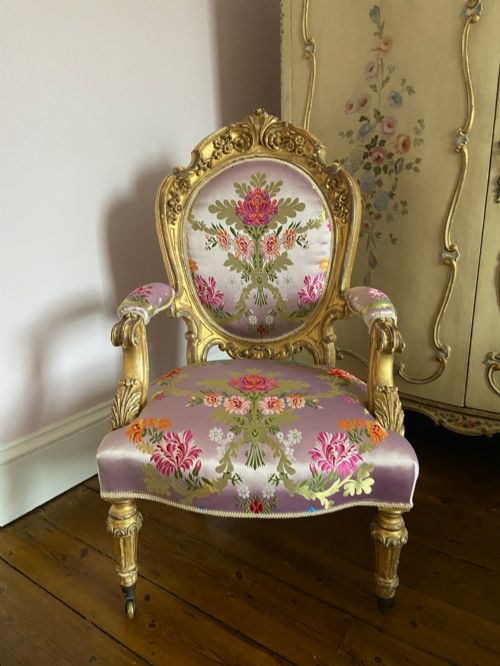
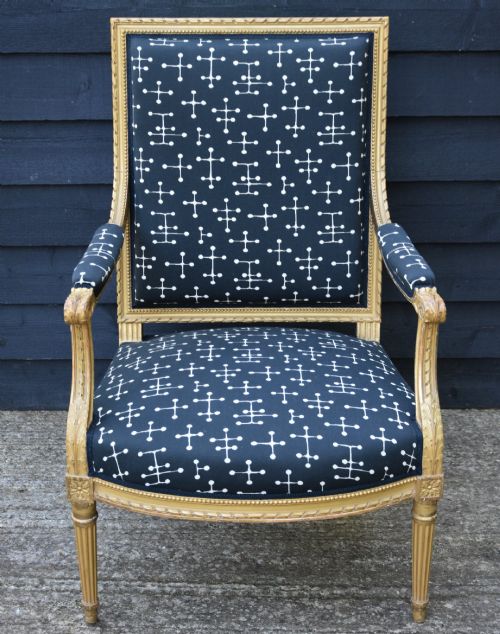
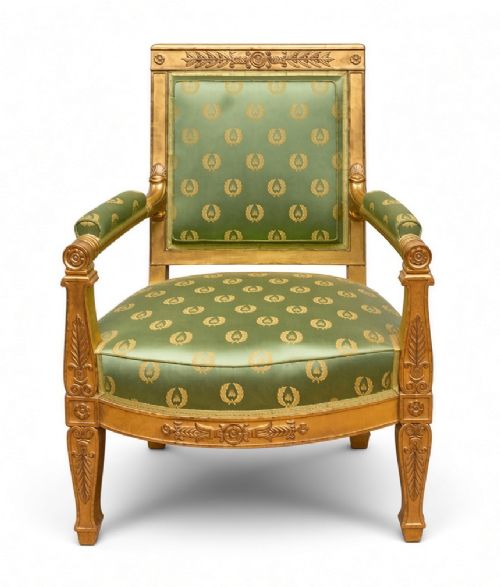
Gold Salon Chairs
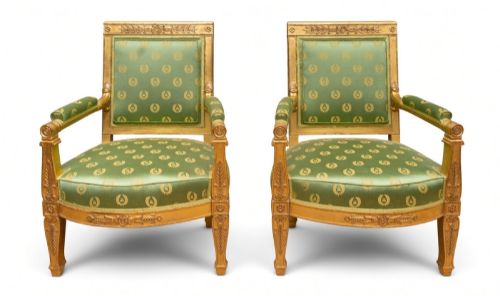
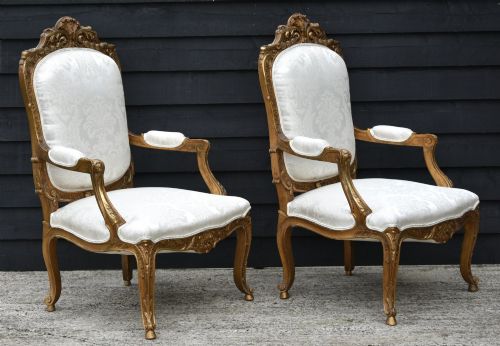
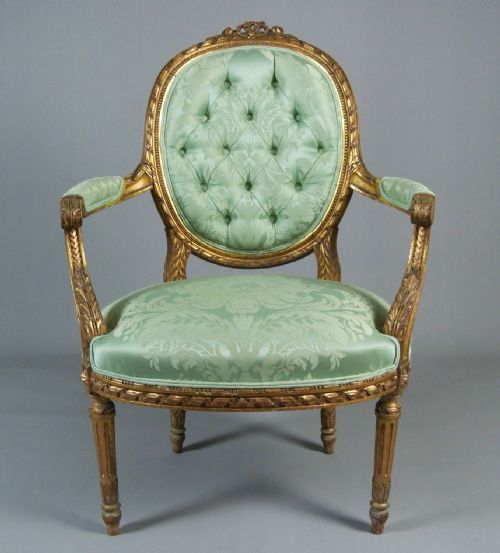
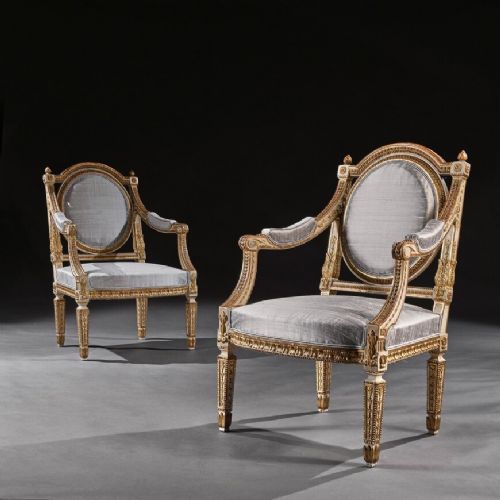
Gold salon chairs are ornate seating options from the eighteenth, nineteenth, and early twentieth centuries, designed to bring formal French elegance to reception rooms.
Gold Salon Chairs
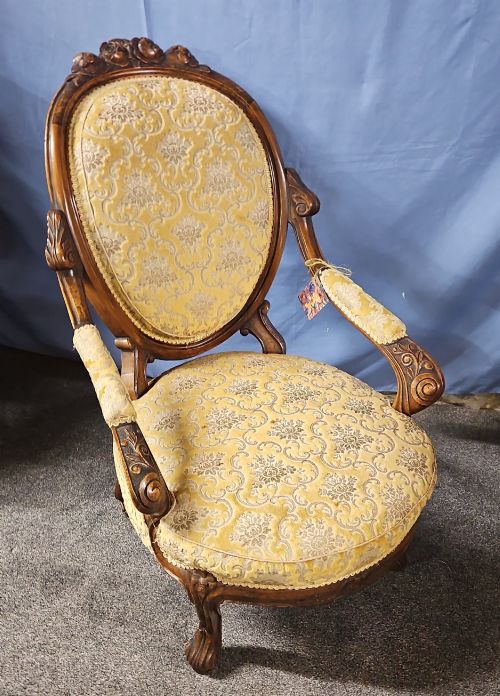
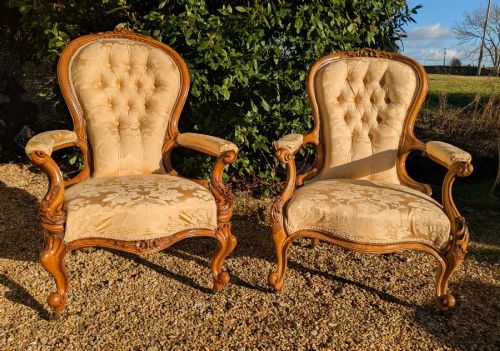
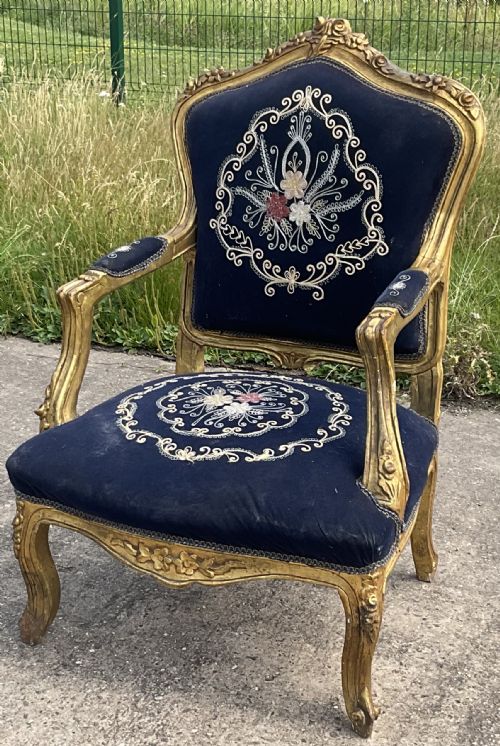
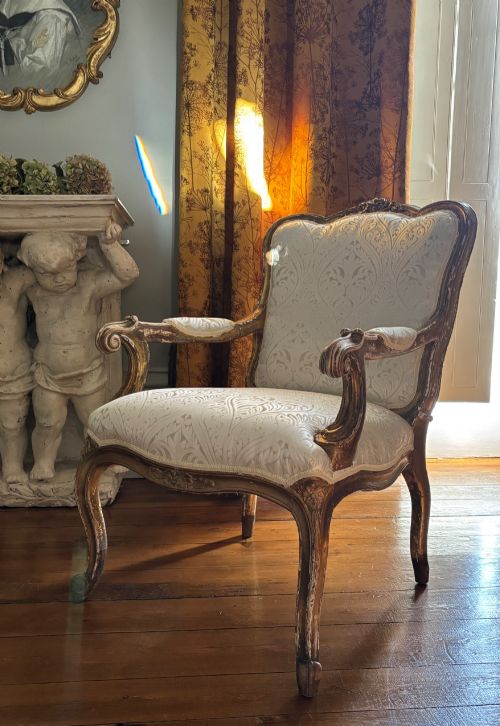
When you search for gold salon chairs, you encounter heavily ornamented seating spanning the eighteenth century through to the nineteen-twenties, with the nineteenth century heavily represented.
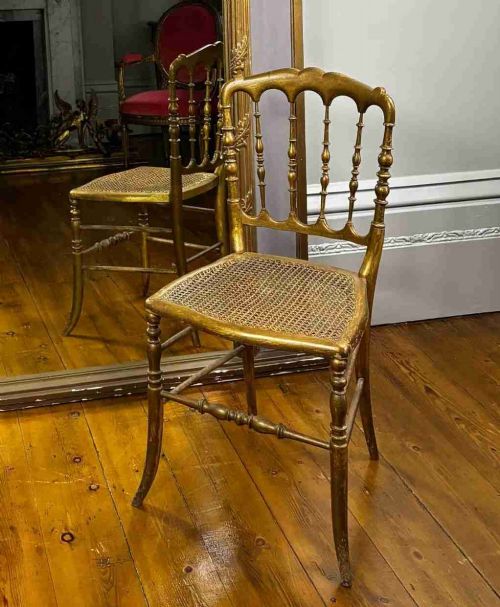
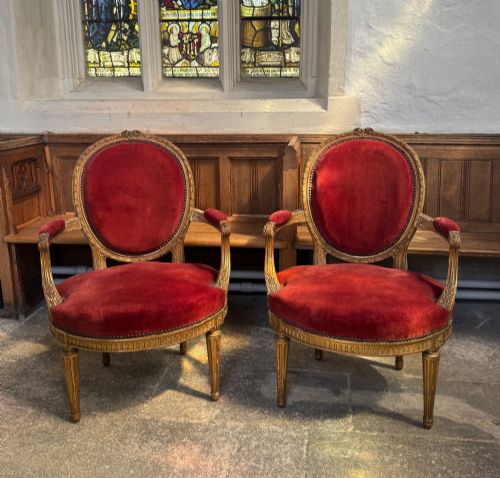
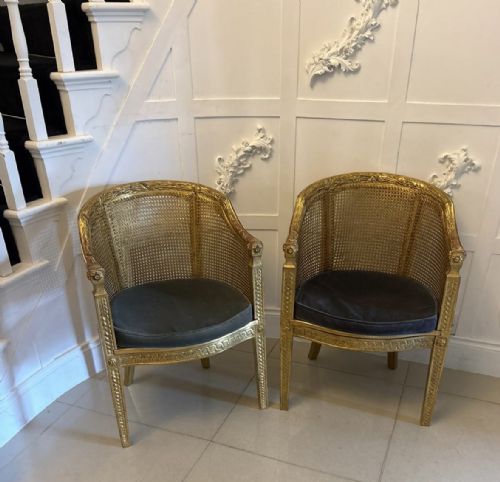
The selections on this page encompass various forms including open armchairs, bergères, fauteuils, and side chairs made in styles such as Louis XVI, Rococo Revival, and Victorian.
Makers and designers from different periods adapted these seating forms using gilded timber and polished brass, creating ornamental furniture suited for formal entertaining spaces.
How they were made
The foundational frames of these chairs rely primarily on hardwoods such as beech, walnut, and mahogany, shaped through carving.
Surfaces receive layers of gilding, paint, or parcel gilt to achieve the characteristic metallic finish, often paired with ormolu mounts on specific revival pieces.
Upholstery relies on traditional textiles including silk, velvet, and standard fabric, alongside occasional caned seating panels.
Selected nineteenth-century makers even produced miniature children's salon chairs so younger family members could join the formal reception room.
What varies in quality
The precision and depth of the woodcarving separate standard production items from workshop pieces bearing detailed ornamentation.
The original integrity of the gilding and the quality of applied textiles, whether silk or velvet, dictate the overall standard of the finished seat.
Jacob Desmalter·Thomas Chippendale·Blaise Maucuy·Holland and Sons
The Gold Salon Chairs Glossary
- Giltwood
- Timber treated with gold leaf or powder over a prepared ground layer. It forms the bright metallic framework seen on many period French seats.
- Bergère
- An enclosed upholstered armchair featuring padded sides and a built-in upholstered back. These seats often include a loose down cushion for comfort.
- Ormolu
- Cast bronze that has been mercury gilded or finished with modern gilt techniques. It provides metallic decorative mounts on nineteenth-century revival furniture.
- Caning
- Woven rattan material used to form seats and backs. This technique lightened the visual weight of formal chairs.
Gold Salon Chairs: Frequently Asked Questions
How do I date gold salon chairs?
Dating relies on observing the underlying wood types, carving styles, and structural assembly methods visible beneath the gilding. Specific revival periods often copy eighteenth-century motifs, requiring careful inspection of joinery.
Comparing the textile choices and upholstery techniques also helps distinguish nineteenth-century production from earlier eighteenth-century originals.
Were gold salon chairs used daily?
These formal seats were primarily intended for reception rooms and formal parlours where guests were entertained. Their delicate carved frames and bright silk or velvet upholstery suited display rather than heavy everyday sitting.
Consequently, surviving examples often retain well-preserved gilding due to light historical use.
How do I clean gilded chair frames?
Gilded surfaces require gentle dusting with a soft, dry brush to prevent damage to the delicate metallic leaf. Moisture and modern chemical cleaners should be avoided entirely.
Professional conservation is recommended if the gilt layer begins to flake or separate from the underlying wooden ground.