




Gold Rose Cut Ring
A gold rose cut ring brings together the distinctive flat-bottomed facets of historic diamond cutting and the warm gleam of antique precious metals.
Gold Rose Cut Ring
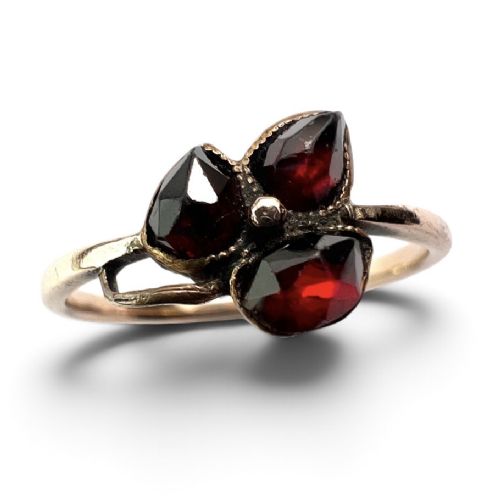
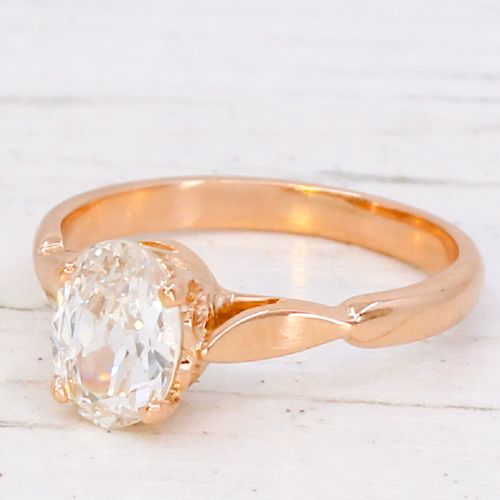
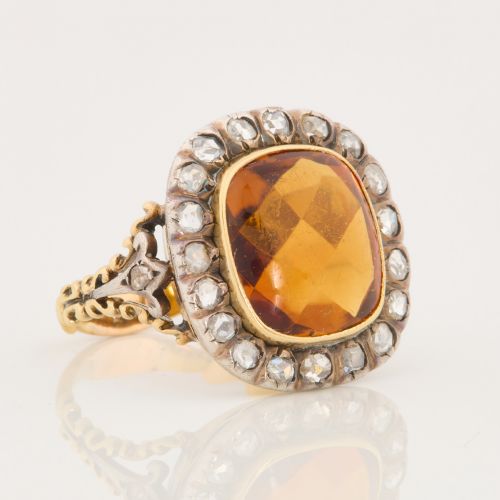
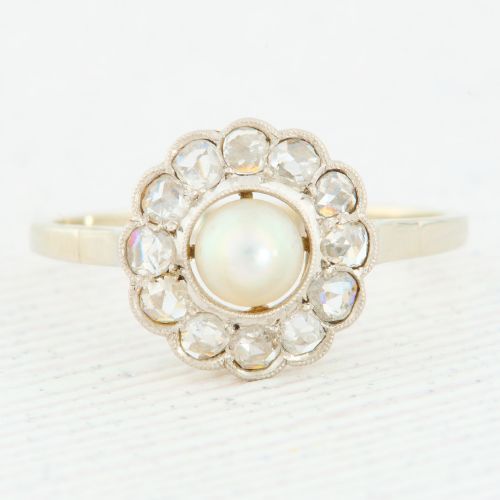
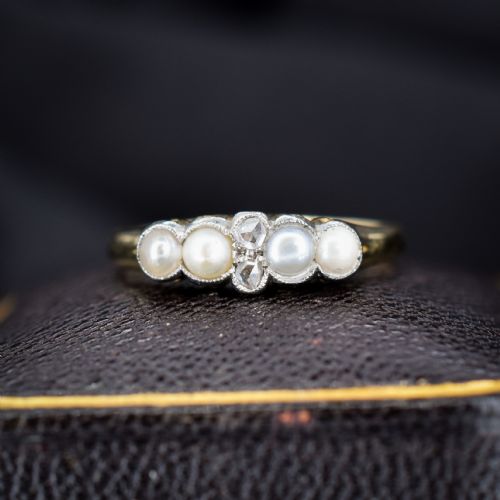
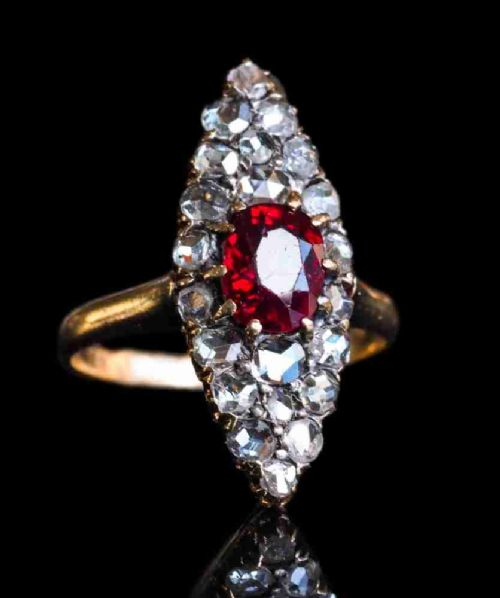
A gold rose cut ring is a piece of antique or vintage jewellery centred around a diamond polished with triangular facets and a flat base rather than a modern brilliant cut. These pieces primarily span the Georgian, Victorian, and Edwardian eras, showcasing the changing aesthetic preferences of the nineteenth and early twentieth centuries.
Many examples incorporate regional characteristics from British workshops, such as Birmingham hallmarked bands, alongside continental European elements. The design focus remains on low profiles and intimate candlelight scintillation, which distinguishes these historical items from later jewellery.
Materials and construction methods
Goldsmiths utilised varying purities of gold, predominantly eighteen carat and fifteen carat yellow gold, alongside silver-topped gold settings historically used to keep diamonds looking bright against dark backgrounds. Metals were hand-hammered, drawn, and cast to form delicate gallery work, heavy navette plaques, or sturdy gypsy bands.
Stones were hand-cut with asymmetrical facets to maximise the spread of the crystal, then secured in closed or open-backed foil-lined settings, collets, or early prong configurations. Additional gems such as natural pearls, turquoise, rubies, emeralds, and sapphires were integrated alongside seed pearls and blue glass to build intricate floral, star, and geometric motifs.
Gold Rose Cut Ring Retail Price Guide 2026
Typical asking prices for gold rose cut ring among the pieces listed under this phrase on Sellingantiques today, from the lower quarter to the upper quarter. They describe what is for sale here now, not the wider market.
The listings show pieces spanning Georgian, Victorian, and Edwardian periods, utilising yellow gold, white gold, and silver-topped settings alongside rose cut diamonds.
Distinctions in quality
Quality rests in the harmony of the hand-cut diamond and the integrity of the surrounding gold mount. Superior examples exhibit well-centred rose cut stones with symmetrical faceting that allow maximum light return through the flat base, paired with crisp, unrubbed metalwork on the shoulders and shank.
Finer rings display thoughtful integration of secondary materials, such as perfectly matched natural pearls or rich cabochon gemstones, set without disturbing the original proportions of the design. The presence of clear hallmarks and untouched structural mounts separates workshop masterworks from later altered pieces.
The Gold Rose Cut Ring Glossary
- Rose cut
- A historic diamond cut featuring a flat base and a domed crown covered in triangular facets resembling an unfolding rosebud. This style predates modern brilliant cutting and produces a soft, translucent glow under low light.
- Navette
- A boat-shaped ring setting that stretches lengthwise along the finger, often filled with multiple rose cut diamonds and smaller gemstones. This elongated silhouette was particularly favoured during the Georgian and Victorian periods.
- Cluster ring
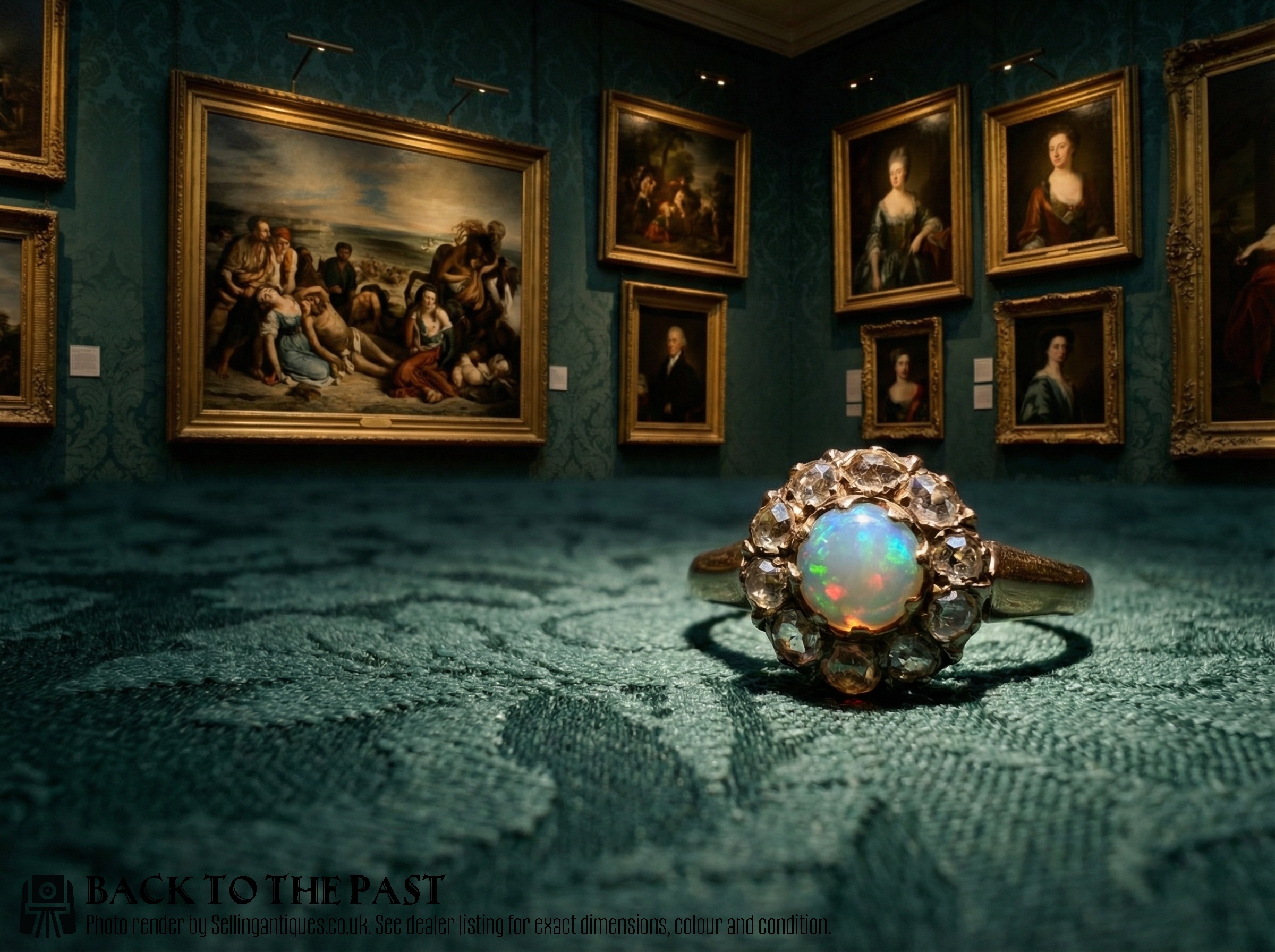
- A jewellery arrangement where a prominent central stone is encircled by a tight border of smaller gems. The configuration maximises visual impact and was widely produced across the Victorian and Edwardian eras.
- Collet
- A flat collar of metal that securely holds the edge of a gemstone in place without prongs. This technique offers a smooth, low-profile finish typical of antique rings.
- Gypsy band
- A ring style where stones are flush-set directly into a thick, tapered gold band whose shoulders widen seamlessly toward the centre. This sturdy construction became popular in the late nineteenth century.
Gold Rose Cut Ring: Frequently Asked Questions
How do I care for a gold rose cut ring?
These historical pieces require gentle maintenance, avoiding harsh ultrasonic cleaners and abrasive chemicals that might harm natural pearls or delicate foil backs. Regular inspection by a specialist ensures the ancient gold settings and stone securities remain intact during daily wear.
Store each ring separately in a lined box to prevent metal-on-metal scratching. Putting the ring on after applying cosmetics and removing it before washing hands preserves both the gold and the softer organic gems.
Can I wear an antique ring every day?
Many people wear these historic rings daily by choosing robust settings like gypsy bands or sturdy cluster mounts and being mindful of their age. Lower profile designs catch less on clothing, making them practical for regular use if treated with care.
However, delicate navette shapes or pieces containing softer stones like turquoise and pearls benefit from being reserved for lighter occasions. Assessing the thickness of the original gold shank with a jeweller helps determine its suitability for constant wear.
How can I tell if a rose cut diamond is original?
Original rose cut stones display characteristic hand-polished asymmetry and a distinct dome shape with flat bases that differ entirely from machine-cut modern diamonds. Examining the facet edges under magnification reveals the subtle irregularities typical of historical gem cutting.
The integration between the stone and the surrounding metalwork provides further clues, as antique collets and settings were hand-formed around the specific contours of each unique crystal. Traces of original closed-back foils or natural inclusions consistent with old mining techniques also support period authenticity.