



Gold Rimmed Porcelain Bowl
A gold rimmed porcelain bowl brings cabinet elegance and hand-painted artistry straight to the dining table or display cabinet.
Gold Rimmed Porcelain Bowl
A gold rimmed porcelain bowl unites fine ceramic bodies with applied precious metal edges, appearing across forms from punch bowls to bon bon dishes and sugar bowls. The pieces listed span periods from Georgian and Edwardian eras through the 1910s, 1920s, 1930s, and 1940s, alongside nineteenth-century Japanese examples.
Makers and decorators range from major English potteries like Royal Worcester, Royal Doulton, and Barr, Flight & Barr to Satsuma workshops. Buyers encounter cabinet dishes, cream and sugar sets, serving dishes, and decorative bowls reflecting styles such as Rococo Revival, Federal Revival, and Meiji Period Japanese designs.
How they were made
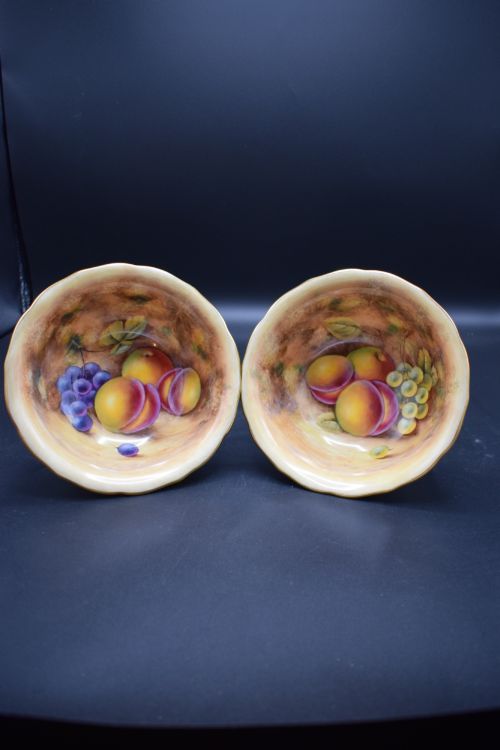
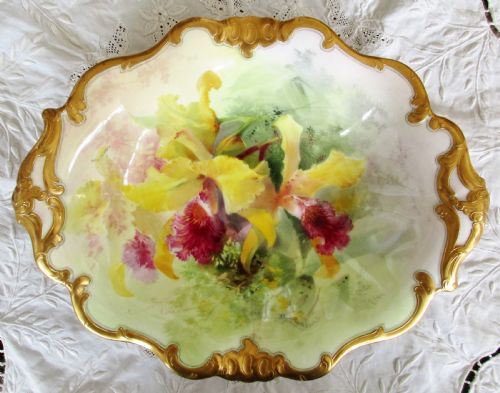
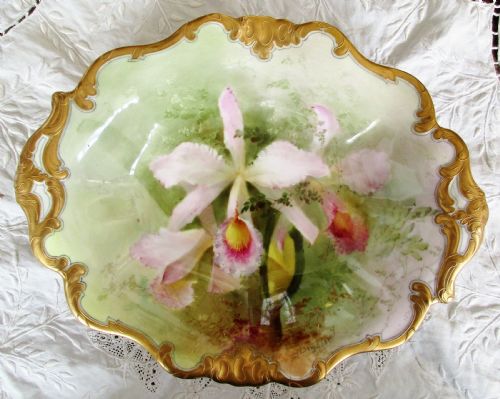
Potters shaped these objects from porcelain, bone china, or earthenware, forming bodies ready for detailed hand-painting and enamelling. Artisans applied cobalt enamel, polychrome fruit scenes, and botanical studies directly onto the ceramic surface before firing.
The defining metallic borders utilise gold leaf or liquid gilding applied to the rims. This metal layer required precise firing or burnishing to achieve a lasting metallic shine alongside the glazed ceramic body.
Gold Rimmed Porcelain Bowl Retail Price Guide 2026
Typical asking prices for gold rimmed porcelain bowl among the pieces listed under this phrase on Sellingantiques today, from the lower quarter to the upper quarter. They describe what is for sale here now, not the wider market.
Even the humblest sugar bowl occasionally received a generous sweep of gold leaf to trick the eye into royal ownership.
What varies in quality
Quality rests upon the skill of the brushwork and the prestige of the maker or painter, separating standard tableware from artist-signed cabinet pieces. Hand-painted fruit studies or named botanical artwork by known painters elevate an object significantly above simple transfer-printed wares.
The preservation and purity of the gilding on the rim dictate the overall standard of the piece. Crisp, thick gold leaf showing minimal rubbing demonstrates superior original execution and careful preservation.
Royal Doulton·Royal Worcester·Barr Flight And Barr·David Dewsberry·K Blake
The Gold Rimmed Porcelain Bowl Glossary
- Porcelain
- A hard, fine-grained ceramic material fired at high temperatures until vitrified and translucent. It forms the smooth, white body of most fine antique bowls.
- Gilding
- The application of gold leaf or powdered gold onto the ceramic surface. This technique creates the distinctive metallic rim seen on these bowls.
- Bone China
- A type of porcelain incorporating bone ash for enhanced strength and a warm white tone. It serves as the base body for several Edwardian and twentieth-century English pieces.
- Cabinet Dish
- A decorative ceramic piece intended for display in a cabinet rather than daily dining use. These items usually feature intricate hand-painted artwork by notable artists.
Gold Rimmed Porcelain Bowl: Frequently Asked Questions
How do I clean a gold rimmed bowl?
Wash these delicate pieces gently by hand using lukewarm water and mild soap. Avoid abrasive scrubbers or modern dishwashers to protect the hand-painted enamels and gold leaf edges.
Dry them immediately with a soft cloth to prevent water spots from forming on the glaze or metal rim.
Can I use these bowls for serving food?
Many of these pieces, such as punch bowls and cream sets, were originally designed for culinary service. However, twentieth-century cabinet dishes and hand-painted fruit bowls are best reserved for display or dry presentation.
Consider the presence of overglaze enamels and delicate gilding before serving wet or acidic foods.
How do I date a porcelain bowl?
Examine the base for factory backstamps, painted decorator signatures, and impressed marks. Reference guides for makers like Royal Worcester and Royal Doulton provide specific dating cyphers.
Stylistic cues such as Edwardian floral motifs or Georgian armorial designs also help narrow down the period of manufacture.
What is Satsuma ware?
Satsuma ware is a distinct type of Japanese earthenware traditionally featuring a ivory-coloured, crackle-glazed body decorated with polychrome enamels and rich gilding. These pieces emerged strongly during the nineteenth century for export markets.
They bring intricate pictorial scenes, such as thousand-flower patterns, into conversation with Western decorative tastes.