


Gold Pier Glass Mirror
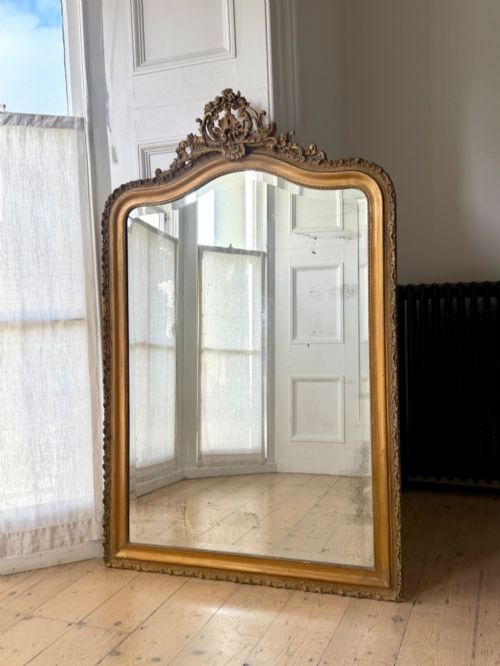
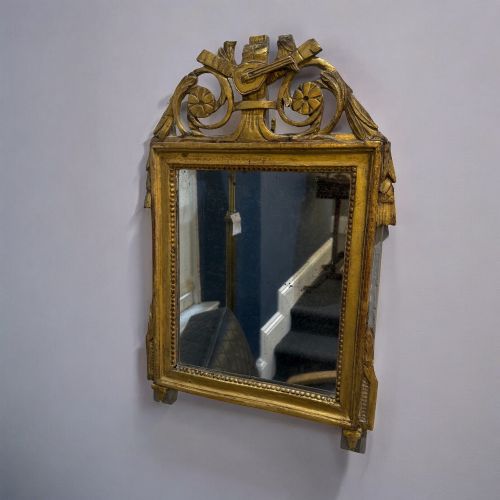
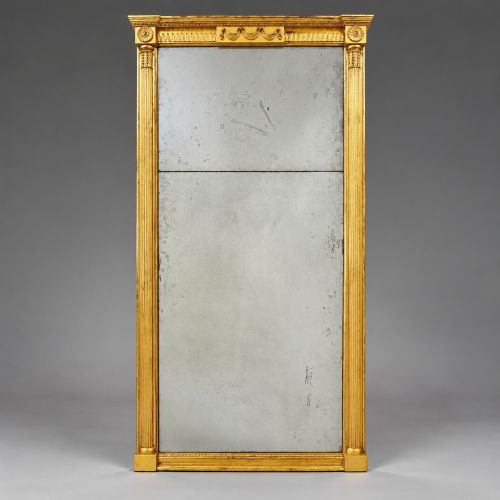
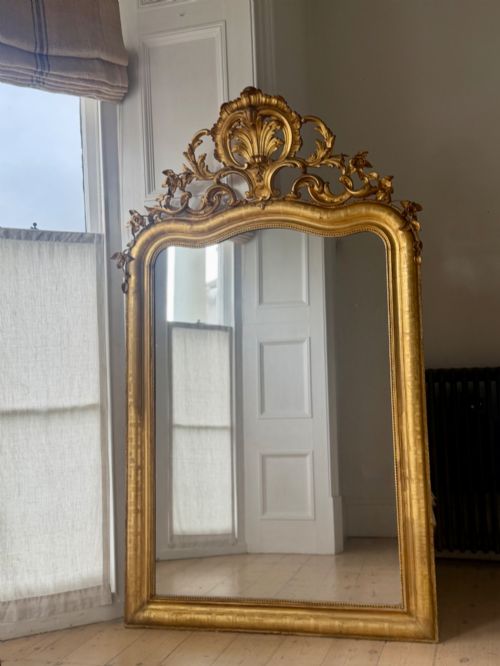
A gold pier glass mirror brings architectural light and vertical presence to a room, designed historically to hang between two windows.
Gold Pier Glass Mirror
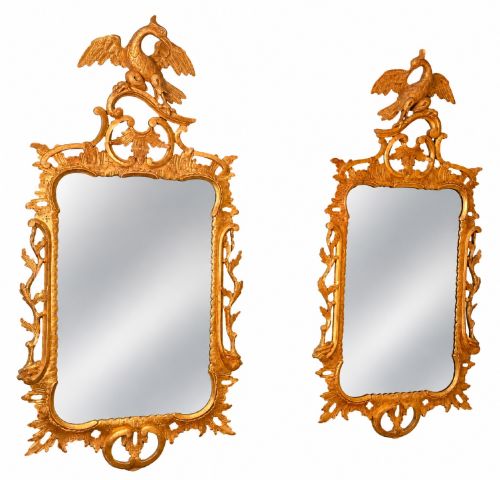
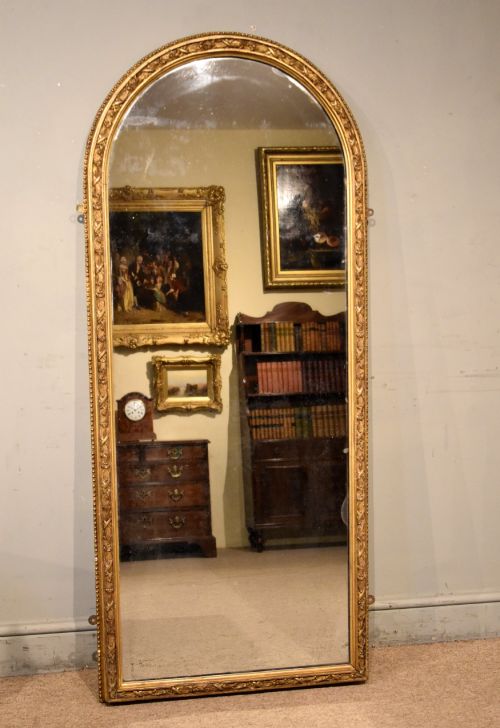
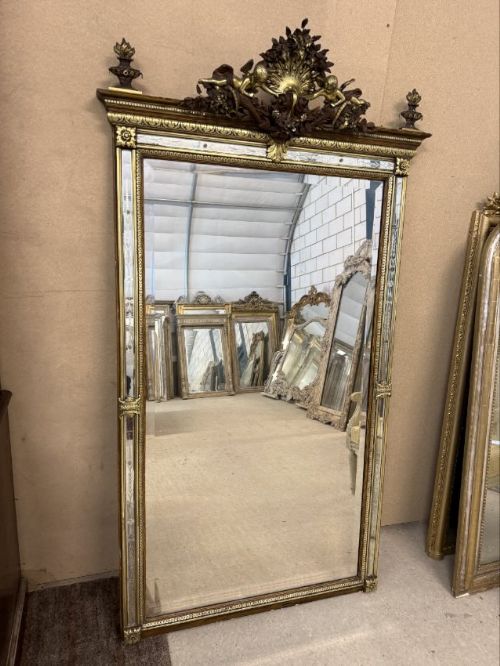
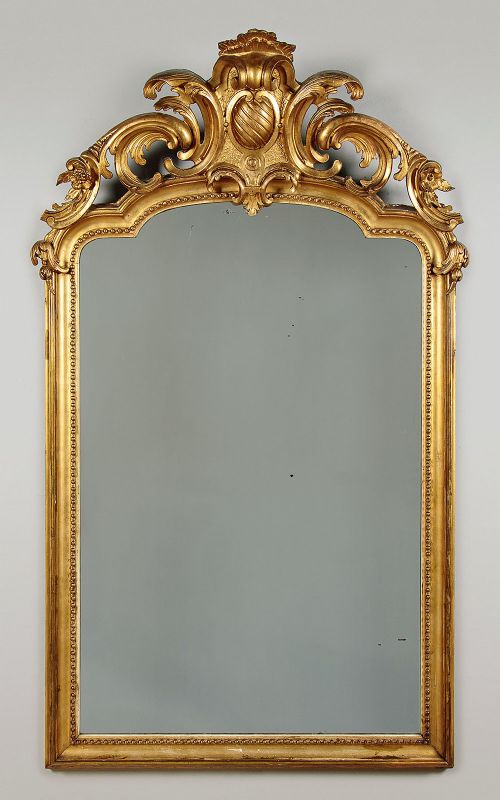
A gold pier glass mirror sits traditionally on the narrow wall space between windows, reflecting daylight back into the interior. These pieces date across the eighteenth and nineteenth centuries, taking forms from George III rectangular plates to French Louis-style shapes and Regency wall fixtures.
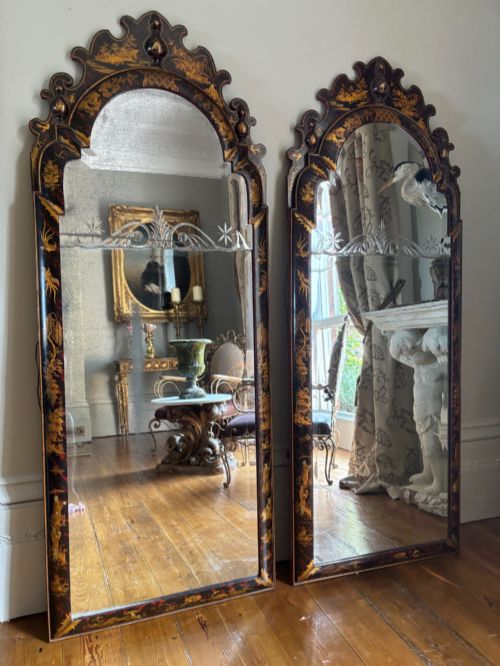
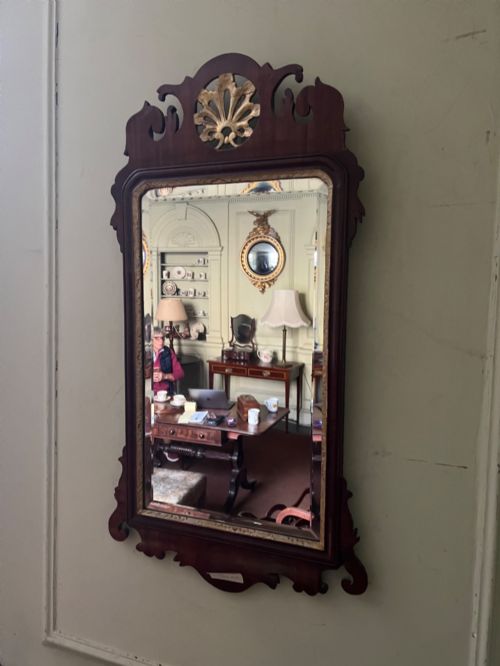
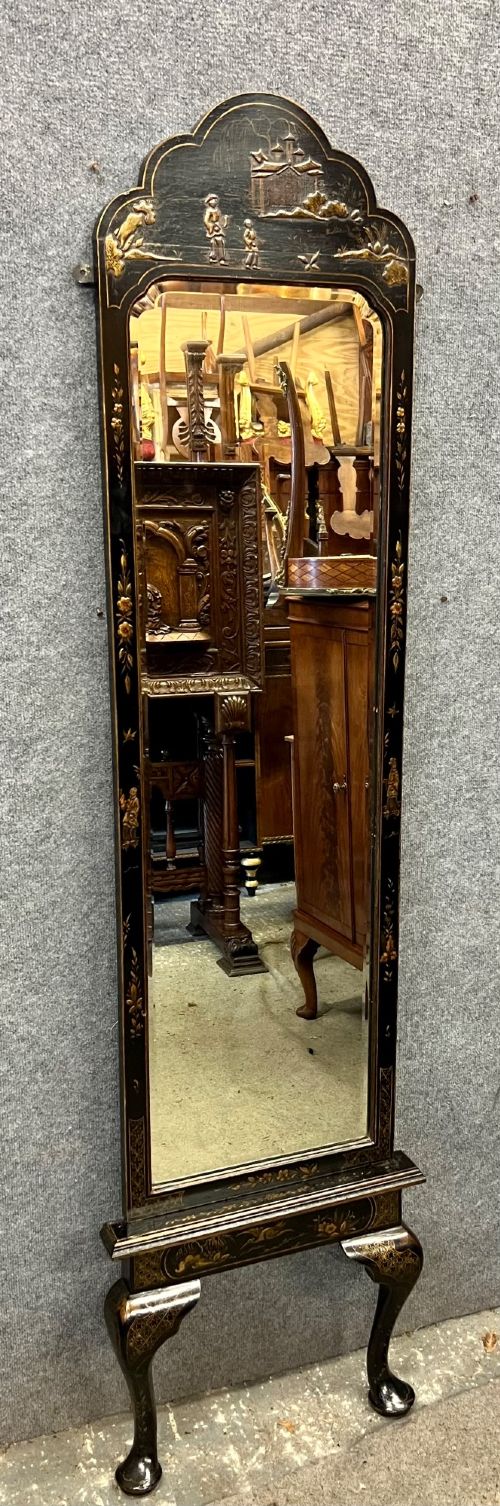
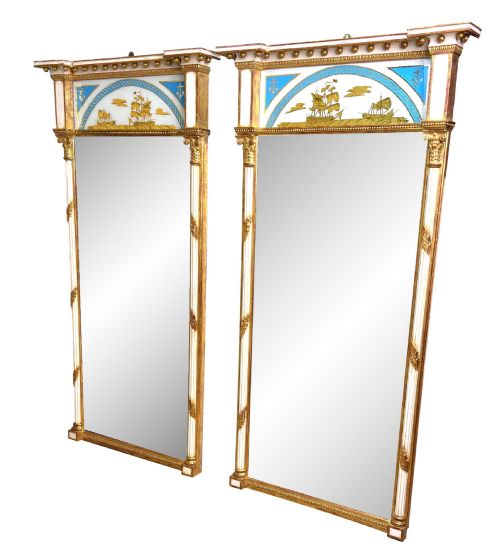
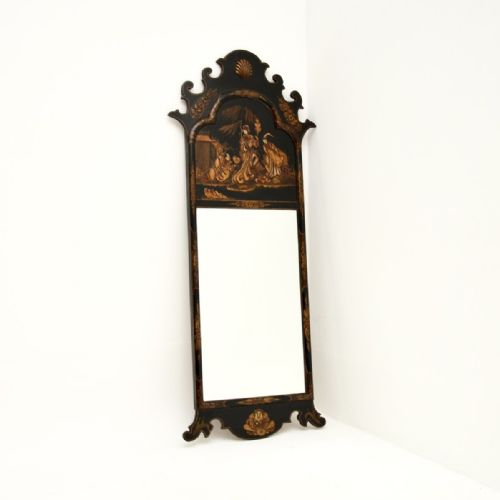
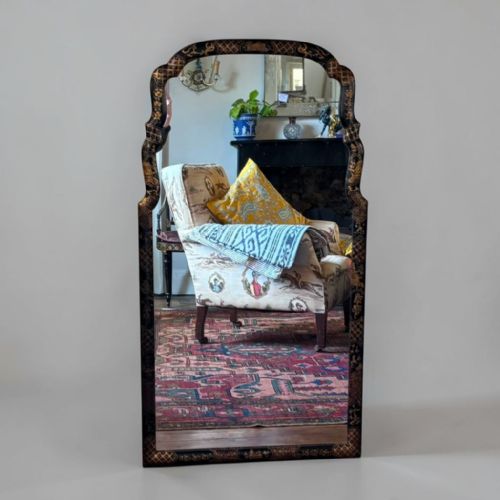
The buyer meets many nineteenth-century French and Regency examples on this page, alongside earlier Georgian giltwood pieces. Certain items include console table sets or painted Chinoiserie details, while others incorporate glass panels above the main mirror plate.
How they were made
Frames rely on carved wood, gesso, and applied gold leaf or surface gilding to catch the light. Craftsmen shaped timber and plaster ornament before laying thin gold leaf over the surfaces.
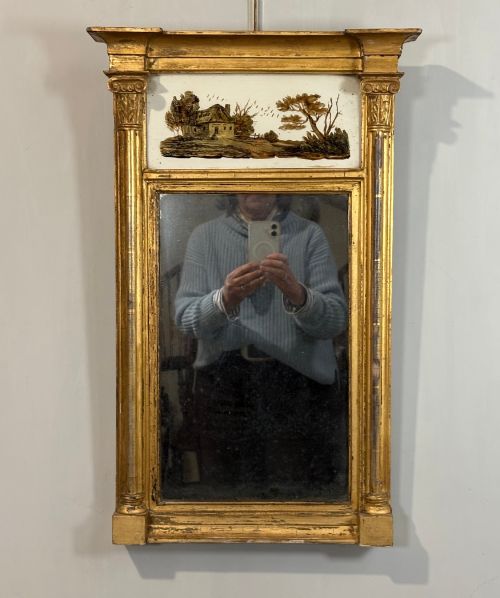
Glass production utilised mercury techniques in earlier periods, leaving characteristic foxed spotting on surviving plates. Later examples feature bevelled glass or verre églomisé panels set into the upper sections.
Gold Pier Glass Mirror Retail Price Guide 2026
Typical asking prices for gold pier glass mirror among the pieces listed under this phrase on Sellingantiques today, from the lower quarter to the upper quarter. They describe what is for sale here now, not the wider market.
Materials recorded across the inventory include giltwood, gesso, mercury glass, lacquer, and walnut.
What varies in quality
The depth and crispness of the carved detail distinguish finer frames from simpler production. Pier mirrors with original mercury plates or untouched gilding hold greater integrity than those with replaced elements.
Proportion and scale dictate the visual weight of the piece against a wall. Examples retaining their original verre églomisé panels or intact parcel-gilt surfaces demonstrate superior craftsmanship.
The Gold Pier Glass Mirror Glossary
- Pier glass mirror
- A tall mirror designed specifically for the wall space between windows. It frequently matches a console table placed directly beneath it.
- Gesso
- A plaster-based mixture applied to wood frames to create a smooth surface for gilding. Carvers model intricate relief designs directly into this layer.
- Verre églomisé
- A process of cold painting and gilding on the reverse of glass panels. This technique produces decorative borders or pictorial scenes above the main mirror plate.
- Mercury glass
- An early mirror-making method involving a tin and mercury amalgam poured behind glass. This creates a soft, mottled reflection with age spots.
- Parcel-gilt
- Woodwork finished with selective gilding rather than full coverage. The technique highlights specific carved details against a contrasting painted or polished wood ground.
Gold Pier Glass Mirror: Frequently Asked Questions
Where do you hang a pier mirror?
These mirrors suit narrow wall spaces, particularly the expanse of wall situated between two windows. Placing them there maximises the reflection of natural light into the room.
Alternatively, they function effectively above a low console table or sideboard. Their vertical proportions elongate the perceived height of the interior space.
What is verre eglomise?
Verre églomisé involves applying gold leaf and pigment to the reverse side of a glass panel. This decorative method creates shimmering, opaque borders or pictorial scenes.
On these mirrors, you find this technique used in the upper section above the primary glass plate. It adds colour and textural contrast to the gilt frame.
How do I identify a Regency mirror?
Regency pieces often display classical motifs such as lion masks, ebonised details, and architectural cornices. The frames lean towards bold neoclassical or naval-inspired ornamentation.
Many examples from this period incorporate painted glass panels or convex plates. The proportions remain balanced for domestic reception rooms of the early nineteenth century.
Are antique mirror plates original?
Many eighteenth and nineteenth-century frames retain their original glass plates, which often display foxing or light clouding. This irregular silvering forms part of the historical character of the piece.
Some mirrors received replacement glass over the centuries due to damage or breakage. Examining the backboards and fixings helps determine whether the glass remains contemporary to the frame.