


Gold Perfume Bottle
A gold perfume bottle carries the weight of history in precious metal, offering a tactile piece of dressing table luxury from centuries past.
Gold Perfume Bottle
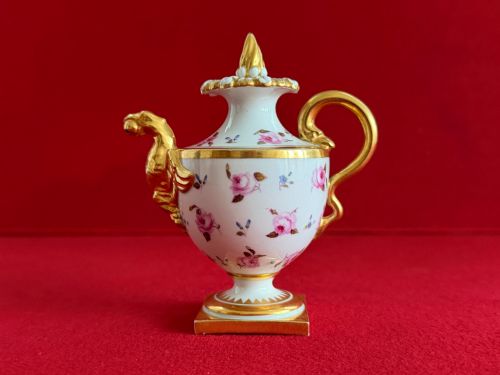
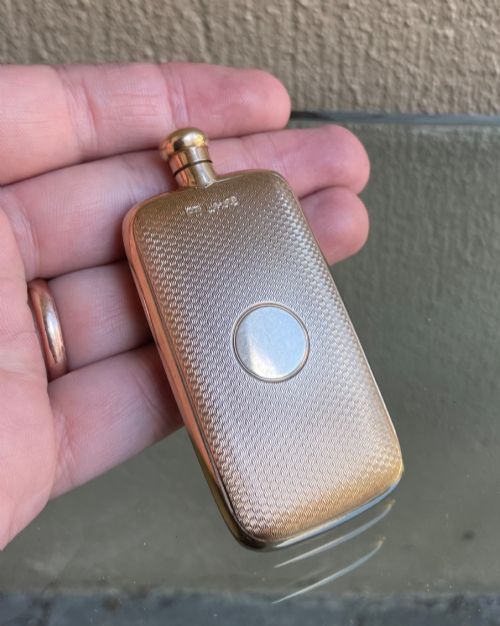
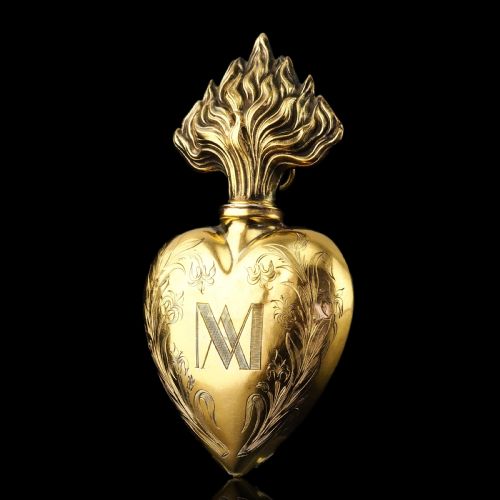
When you search for a gold perfume bottle, you encounter a range of portable vessels designed to hold precious scents and oils. These objects span periods from the seventeenth century through the Victorian era and into the Art Deco years of the twentieth century.
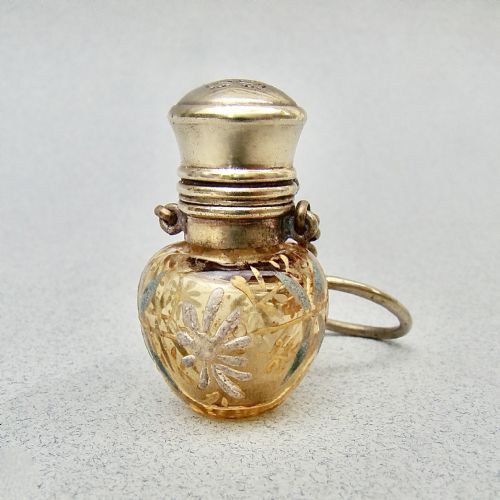
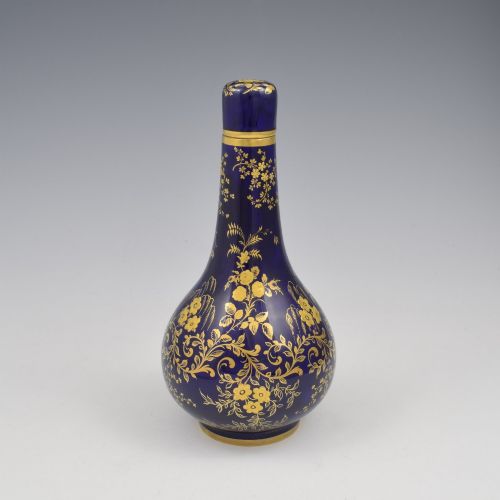
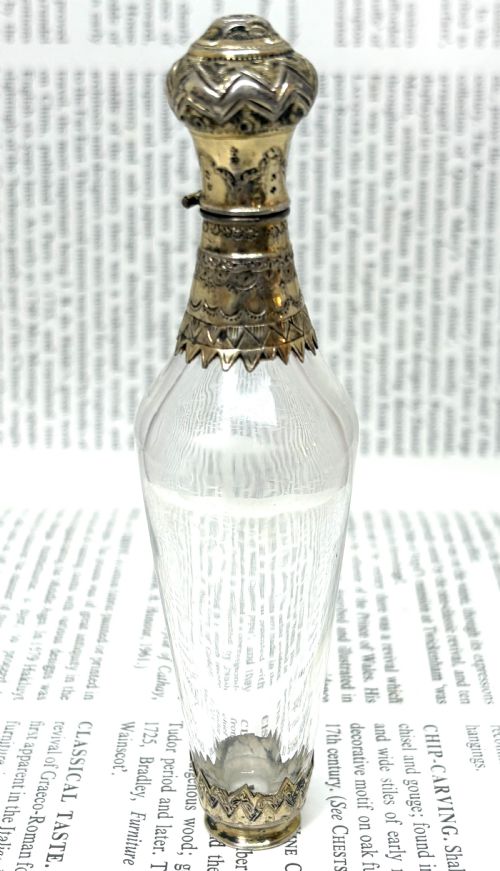
The selections on this page appear in diverse forms including flasks, chatelaine scent bottles, and atomisers. Makers also utilised porcelain, glass, and silver gilt alongside solid gold mounts and bodies.
Originating from British, French, and Bohemian workshops, these items reflect the changing domestic habits and vanity customs of their times. Buyers often find pieces paired with gemstone carvings, enamel decoration, or intricate repoussé metalwork.
How they were made
Craftsmen worked precious metals such as nine-carat and eighteen-carat gold, often combining them with sterling silver gilt to provide structural integrity. Glass bodies relied on techniques like mould-blowing and cased cutting, particularly seen in French Moser pieces and Czech glass.
Surface ornamentation involved hand engraving, guilloche enamel, and the application of gold leaf over porcelain or glass. Mounts were soldered by hand to secure stoppers and hinged caps tightly enough to prevent the escape of volatile floral essences.
Listings include items spanning the seventeenth through the twentieth centuries, utilising materials like 9ct gold, porcelain, glass, and silver gilt across diverse styles.
What varies in quality
Quality rests upon the weight and purity of the metal used in the mount or body, alongside the crispness of any hand engraving. Pieces featuring solid gold demonstrate superior durability compared to gilded metal or thin washes.
The integration between the glass or ceramic body and the metal collar dictates the overall standard of construction. Superior examples retain original stoppers that seal correctly and display maker marks from notable firms.
Flight, Barr and Barr·Cartier Paris·René Lalique·Goldsmith's and Silversmith's Co.·S. Morden and Co
The Gold Perfume Bottle Glossary
- Chatelaine
- A decorative belt hook worn by women from which suspended items such as scent bottles, keys, and watches hung. This accessory kept personal necessities immediately to hand.
- Vinaigrette
- A small ornamental box or bottle containing a perforated grille beneath a lid, enclosing a sponge soaked in aromatic vinegar. Victorians relied on these to ward off unpleasant odours.
- Guilloche
- An intricate decorative technique where a mechanical lathe engraves a precise, repeating pattern into metal beneath translucent enamel. This finish catches light from multiple angles.
- Silver gilt
- Sterling silver that has been coated with a thin layer of gold through a chemical or electrochemical process. This method provided the rich appearance of solid gold at a lower cost.
- Parian ware
- A fine-grained type of unglazed biscuit porcelain developed in the nineteenth century to imitate white marble. It frequently took the form of sculpted figures and decorative vases.
Gold Perfume Bottle: Frequently Asked Questions
How do I date an antique perfume bottle?
Dating relies on hallmarks stamped into the gold or silver mounts, stylistic clues from periods like Regency or Art Deco, and manufacturing methods. Maker marks and registration numbers provide specific chronological markers.
Examining the type of glass or ceramic body, alongside the cut of any stoppers, helps narrow down the decade of production when official stamps are absent.
How were these bottles used?
Owners filled these vessels with concentrated floral waters, perfumes, or smelling salts for personal refreshment while away from the dressing table. The tight-fitting stoppers prevented precious liquids from evaporating.
Wealthy individuals displayed them prominently in boudoirs or wore them as portable status symbols during social engagements and travels.
Are stoppers usually original?
Many surviving bottles retain their matching original glass or metal stoppers, which were ground to fit individual necks during manufacture. Replacement stoppers occur frequently due to the fragile nature of small glass components.
A correct fit and matching material composition indicate a high likelihood of originality, which influences the desirability of the piece.