
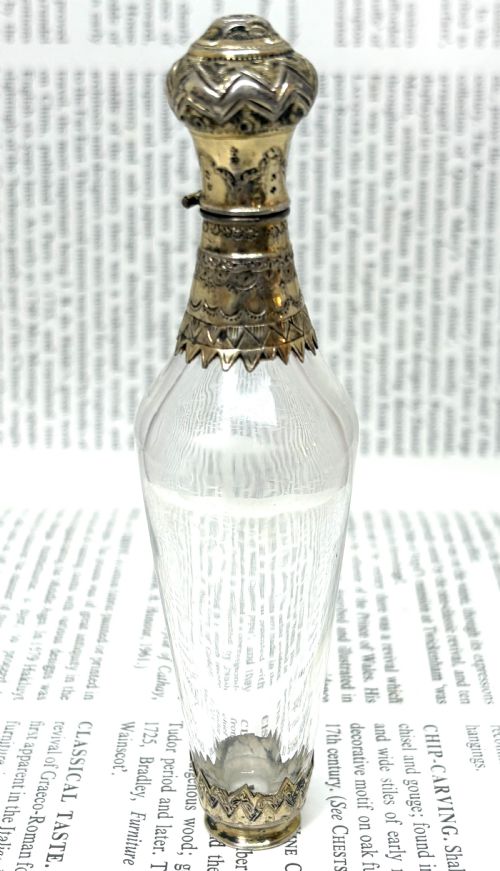


Silver Gilt Scent Flask
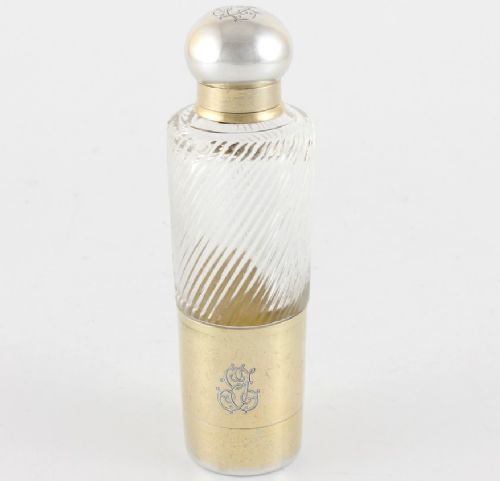
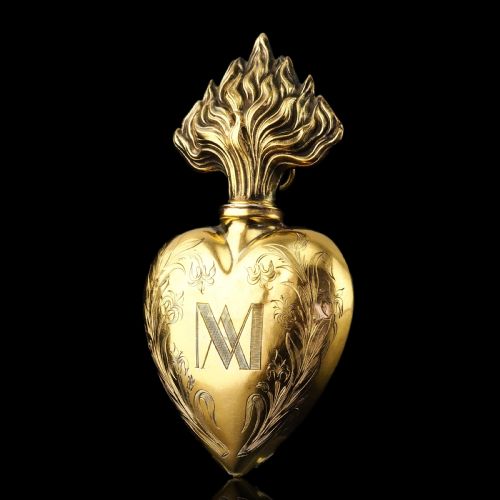
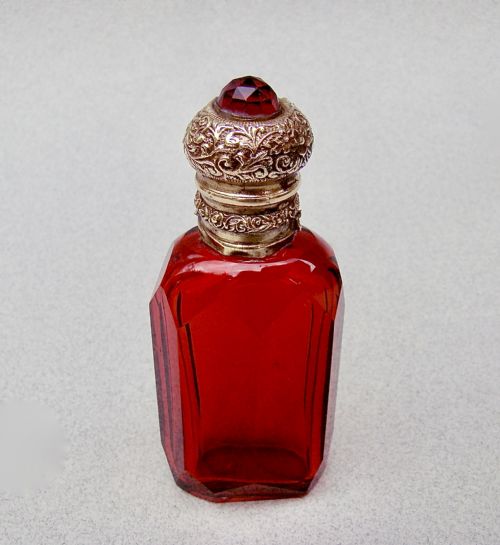
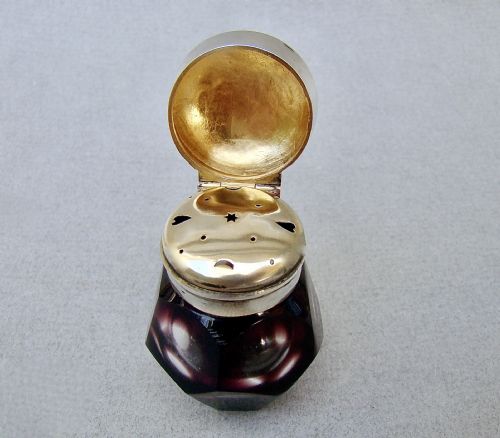
These silver gilt scent flask examples bring together precious metals and glass in portable containers designed for personal fragrance.
Silver Gilt Scent Flask
A silver gilt scent flask is a portable container designed to hold perfume or smelling salts, combining metalwork with glass components. When you examine a silver gilt scent flask on this page, you encounter examples originating from various periods including the nineteenth century and the Victorian era. The selection spans distinct geographic origins and visual styles, including French pieces and English designs.
The physical forms range from pocket-sized pocket flasks to heart-shaped perfume bottles and vanity containers. Many incorporate intricate metal mounts, coronet engravings, or fitted pill boxes alongside the primary vessel. Makers and workshops from London and Paris produced these objects for personal carriage or dressing table use.
The materials vary across the pieces, pairing silver-gilt mounts with cut glass, ruby glass, amethyst glass, or murrine glass bodies. Some incorporate guilloche enamel decoration or leather cases to protect the fragile interior reservoirs. Each item demonstrates the functional elegance demanded by past societies for personal hygiene and fashion.
Materials and construction
The creation of a silver gilt scent flask relies on the combination of precious metals and worked glass. Craftsmen shaped sterling silver or base metal before applying a thin layer of gold, known as silver-gilt or vermeil, to the exterior surface. This gilded metal forms the caps, collars, hinges, and decorative mounts that secure the vessel.
Glassmakers produced the inner bottles using techniques such as free-blowing, mould-blowing, or cutting. Coloured glass variants, including ruby, amethyst, and murrine glass, appear alongside clear cut glass bodies. Metalsmiths then fitted the silver-gilt mounts tightly to the glass necks, often incorporating internal stoppers to prevent leakage.
Materials recorded across the inventory include sterling silver, silver gilt, vermeil, cut glass, ruby glass, amethyst glass, murrine glass, and leather.
Distinctions in quality
The quality of a silver gilt scent flask depends upon the precision of the metalwork and the clarity of the glass. Finer examples display crisp, hand-chased ornamentation and secure, well-fitted hinges that operate smoothly without slack. The depth and uniformity of the gold gilt layer over the silver base further indicate the standard of production.
Artistic collaboration elevates certain pieces, particularly where specialised glassmakers produced intricate murrine or layered glass bodies to house within the metal mounts. The presence of legible maker marks, such as those from London silversmiths or Paris workshops, adds structural documentation to the physical craftsmanship.
Tonnel Paris·Franchini And Bigaglia·S Morden And Co London
The Silver Gilt Scent Flask Glossary
- Silver-gilt
- Silver that has been coated with a thin layer of gold on its exterior surface. This technique provides the rich appearance of solid gold while utilising a silver structural base.
- Vermeil
- A historical term for high-quality silver gilded with gold. It denotes the same material composition as silver-gilt.
- Vinaigrette
- A small ornamental box or bottle containing a sponge soaked in aromatic vinegar. These pieces typically feature an internal pierced grille beneath the primary lid.
- Guilloche
- A decorative mechanical technique in which a precise, intricate pattern is engraved into a metal surface. Enamel is frequently applied over the top to create translucent coloured designs.
- Murrine
- Coloured glass cane slices heated and fused together in a pattern. Venetian glassmakers utilised this complex method to create multicoloured mosaic effects.
- Ormolu
- Gilded bronze ornamentation applied to furniture, clocks, and decorative vessels. It provides metallic contrast against glass and enamel bodies.
Silver Gilt Scent Flask: Frequently Asked Questions
What is a silver gilt scent flask used for?
A silver gilt scent flask served to hold liquid perfume or volatile smelling salts for personal use. Owners carried them in pockets or reticules to refresh the air in crowded environments.
The secure caps and internal stoppers prevented the precious contents from evaporating or spilling during travel. Many functioned as dual items, incorporating small compartments for pills alongside the primary perfume reservoir.
How do you clean a silver gilt scent flask?
Cleaning requires great care to avoid damaging the thin gold layer over the silver and any fragile glass or enamel. Soft cloths and gentle, non-abrasive cleaners help remove surface tarnish without wearing away the gilding.
Moisture must be kept away from internal paper linings or vulnerable glued elements during the cleaning process. Professional conservation advice is recommended for pieces with delicate guilloche enamel or compromised glass.
Are these flasks made of solid gold?
These pieces are not made of solid gold, but rather silver-gilt or vermeil. This means a layer of gold is bonded to a sterling silver or silver base structure.
This method offered the luxurious appearance and corrosion resistance of gold while remaining structurally practical and economically viable for portable containers.
How can you tell the period of a scent flask?
Dating relies on stylistic clues, manufacturing techniques, and any accompanying maker marks or engraved ciphers. Victorian pieces often display distinct registration marks or hallmarks that point to specific decades of production.
Earlier seventeenth and eighteenth-century examples feature heavier hand-wrought mounts and simpler glass forms compared to later nineteenth-century moulded varieties.
Can you still use them for perfume today?
Modern use is possible if the internal stopper remains intact and creates a proper seal against evaporation. However, historical residues inside the glass can contaminate modern fragrances.
Most collectors prefer to keep them as display objects on dressing tables rather than filling them for daily wear.