


Gold Oval Frame Artwork
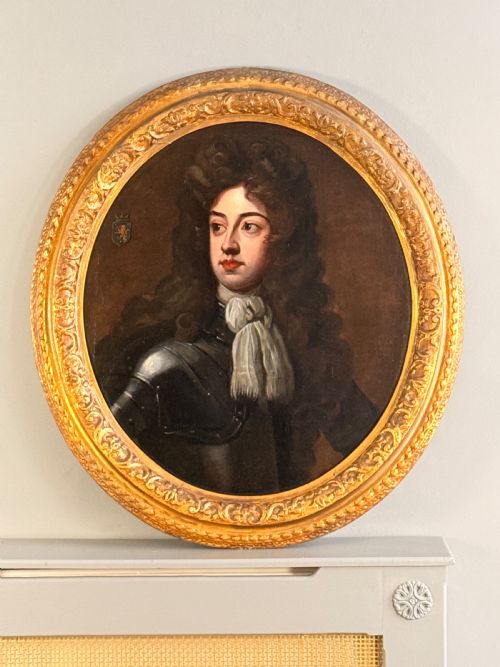
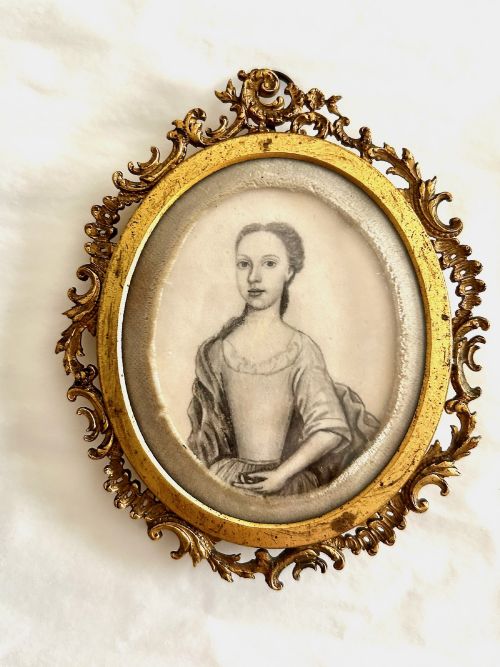
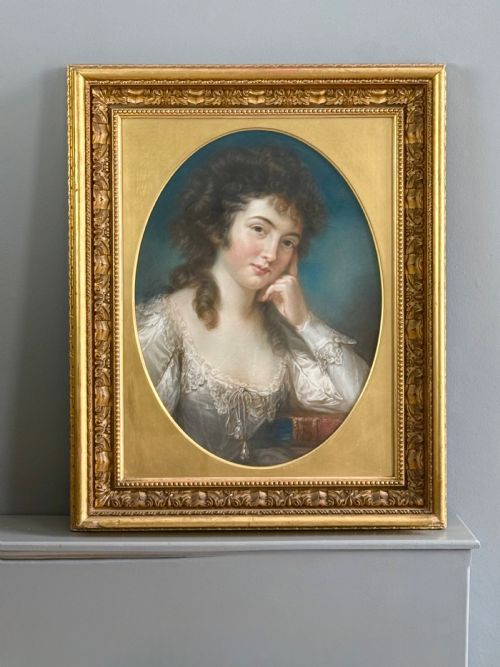
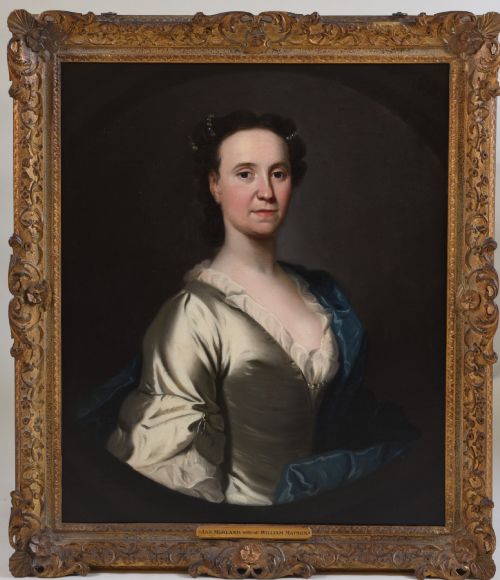
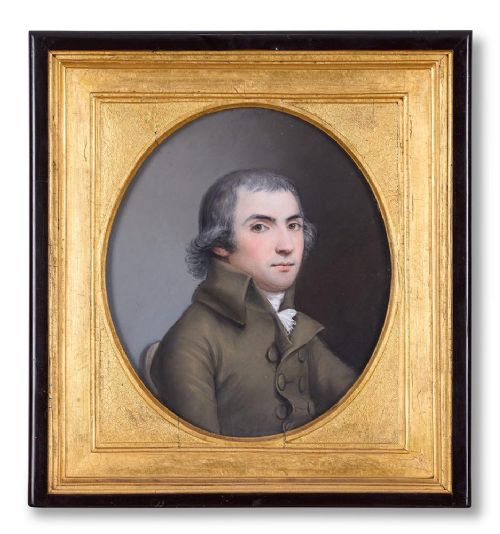
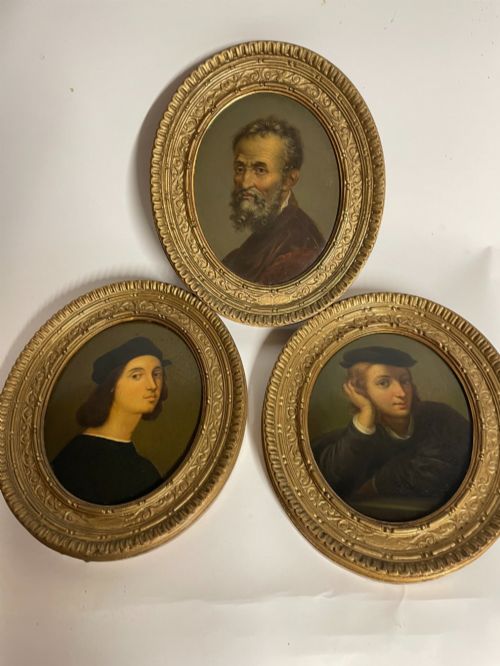
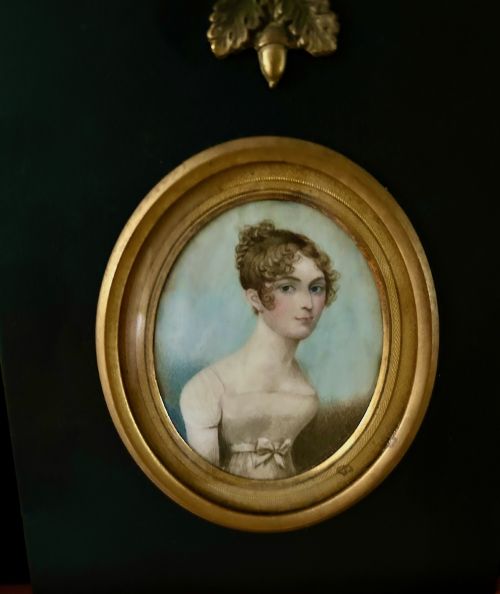
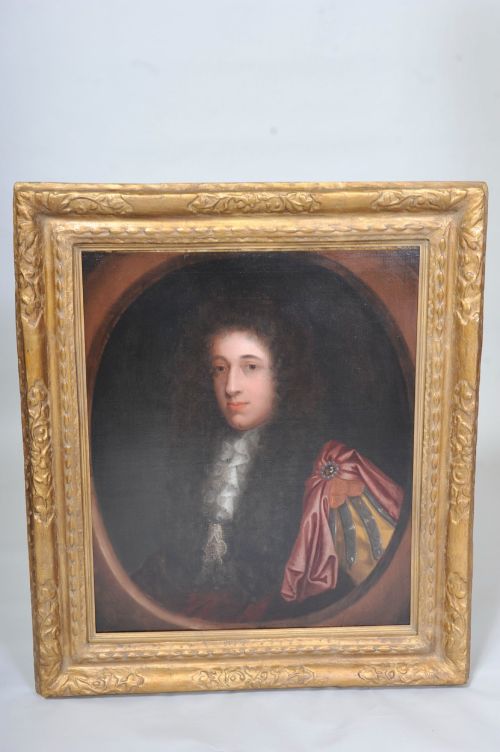
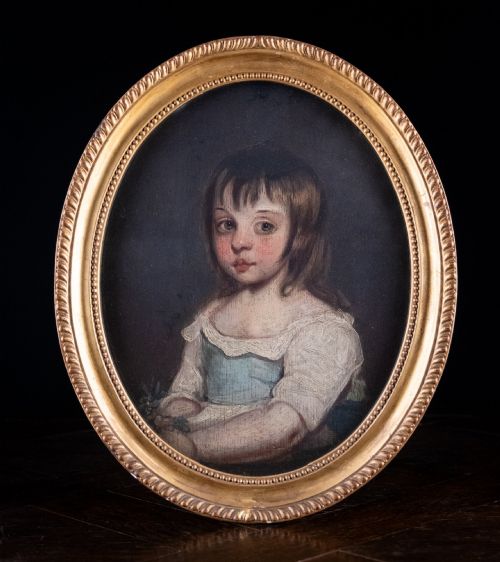
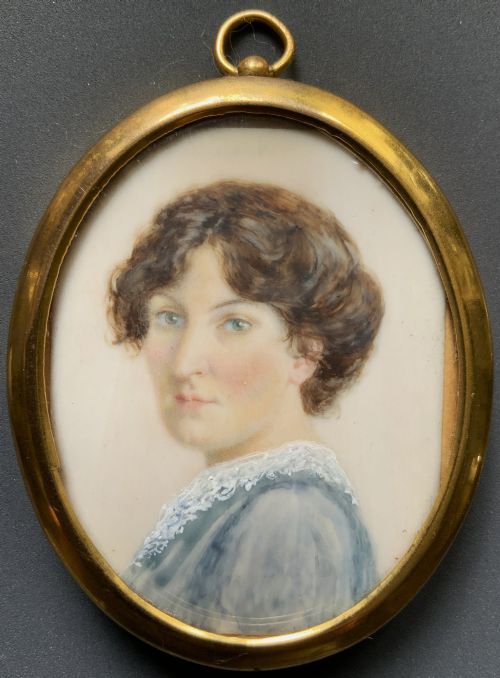
Gold oval frame artwork brings together portrait paintings, drawings and prints housed within curved gilt surrounds from the seventeenth century onwards.
Gold Oval Frame Artwork
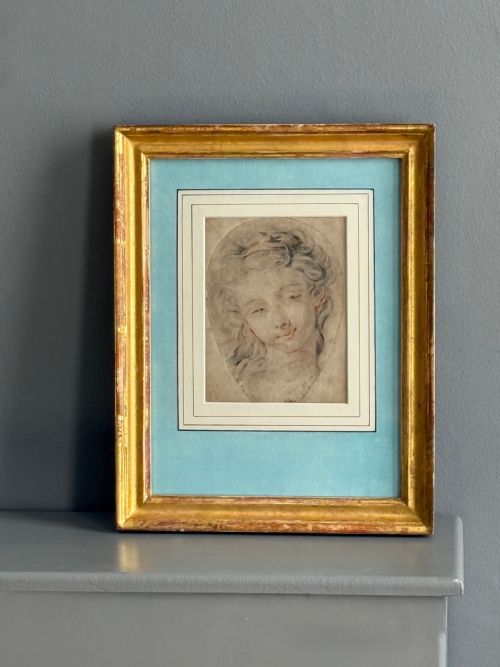
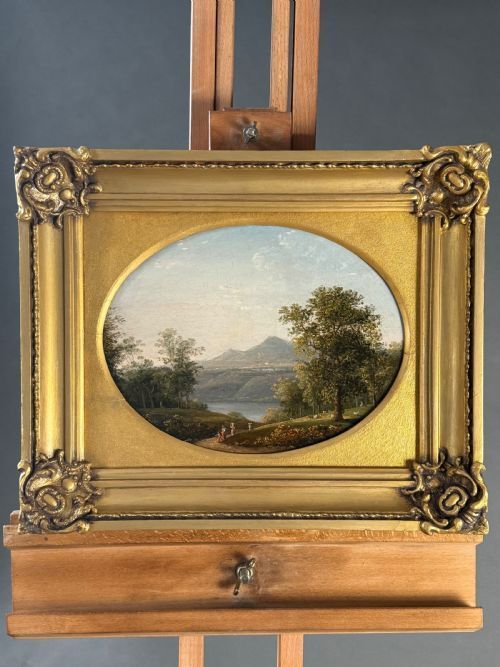
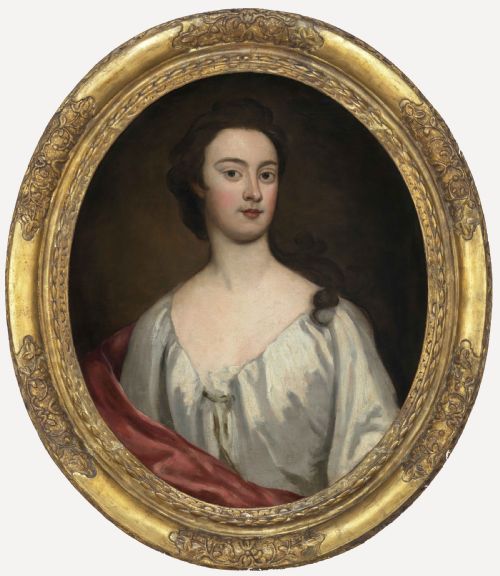
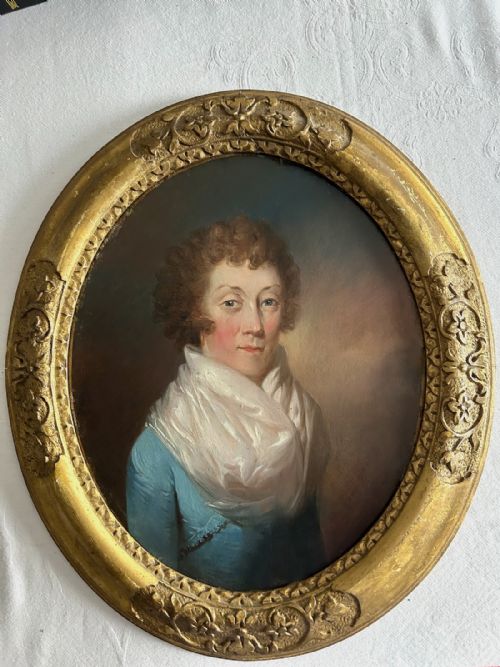
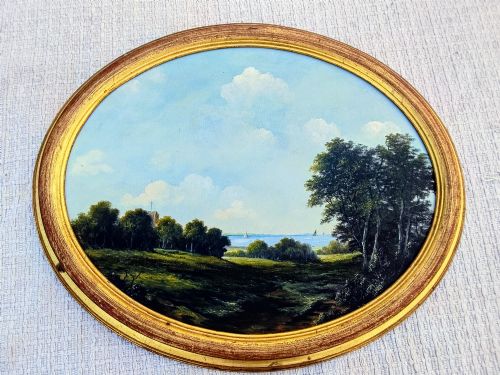
When you search for gold oval frame artwork, you encounter historical portraits, landscapes and prints framed within curved wooden or gilded boundaries. These pieces span centuries of artistic production, originating from English, French, Italian and Dutch schools.
The most common examples on this page are oil paintings on canvas and panel, alongside watercolours, pastels, silhouette portraits and stipple engravings. Portraiture dominates the selection, showing subjects ranging from noblewomen and gentlemen to children.
Makers and artists vary from named masters of the eighteenth century to anonymous provincial hands working during the Victorian and Edwardian eras. Many objects arrive in their original giltwood or gilded frames, which define the curved perimeter of the composition.
Materials and construction methods
The works themselves utilise oil on canvas or board, watercolour on paper, pastel on canvas, and printed media behind glass. Canvases are stretched over wooden supports, while paper works rely on mounting techniques appropriate to their period.
Frames are constructed from carved wood, such as giltwood, finished with gold leaf applied over a prepared gesso ground. The curved oval shape requires specialised joinery or steam bending of the wooden frame elements before gilding takes place.
Gold Oval Frame Artwork Retail Price Guide 2026
Typical asking prices for gold oval frame artwork among the pieces listed under this phrase on Sellingantiques today, from the lower quarter to the upper quarter. They describe what is for sale here now, not the wider market.
Listings span periods from the seventeenth century through the Edwardian era, incorporating oil, pastel, watercolour, and print media.
Distinctions in quality and execution
Quality separates through the finesse of the hand in painted works, where detailed brushwork in faces and drapery marks the output of skilled portraitists rather than workshop copyists. The depth of the gilding and the crispness of the carved ornamentation on the surrounding frame also separate standard items from superior examples.
The preservation of the original surface, including untouched oil pigments and undisturbed backing papers, dictates the standing of a piece within its period. Integration between the artwork and its specific oval frame indicates whether the pairing is contemporary to creation or a later assembly.
Jeremiah Davison·Francois Boucher·Jacob Philipp Hackert·John Russell·Arthur William Devis·Louis Icart
The Gold Oval Frame Artwork Glossary
- Giltwood
- Wood carved and coated with gold leaf. This material provides the reflective border characteristic of these curved frames.
- Silhouette
- A cutout or painted profile portrait filled in with a solid dark colour. These profiles often appear inside small oval frames.
- Pastel
- A medium consisting of powdered pigment mixed with a binder. Pastel artworks require glass protection due to the fragile nature of the pigment.
- Provenance
- The documented history of ownership of an artwork. This record establishes authenticity and traces the piece back through time.
Gold Oval Frame Artwork: Frequently Asked Questions
Are these frames original to the art?
Many gold oval frame artwork pieces retain their original period surrounds, particularly when the rebate and dimensions match the canvas precisely.
Over the centuries, frames and paintings were occasionally reunited, so checking the backboards and fixings helps determine if the pairing is historical.
How do I hang a heavy oval frame?
Heavy giltwood frames require secure wall fixings, such as steel picture hooks screwed directly into wall studs or heavy-duty masonry plugs.
Because oval frames distribute weight differently than rectangular ones, professional picture wire attached to sturdy D-rings is essential.
How do I clean a giltwood frame?
Giltwood surfaces collect dust within their carved recesses, which is best removed gently using a dry, soft-bristled artist brush.
Water and chemical cleaning agents must be avoided, as moisture strips the delicate gold leaf and gesso layers beneath.
Why are portraits painted in ovals?
The oval format became popular during the seventeenth and eighteenth centuries to focus attention squarely on the sitter's face.
Corners were omitted to soften the composition and complement domestic interior decor styles of the Georgian and Regency periods.