

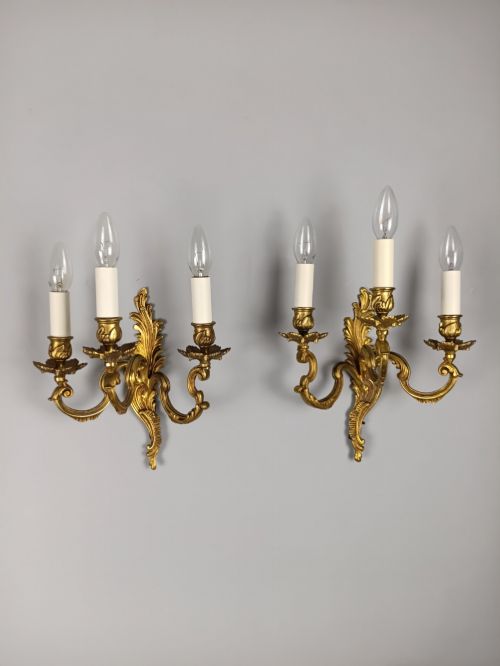
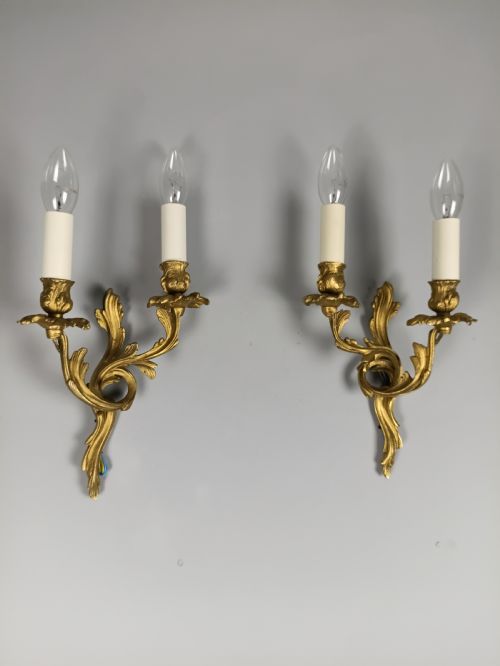
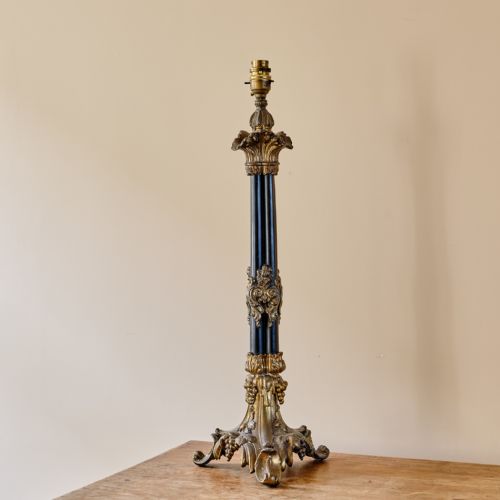
Gold Ormolu Lamp
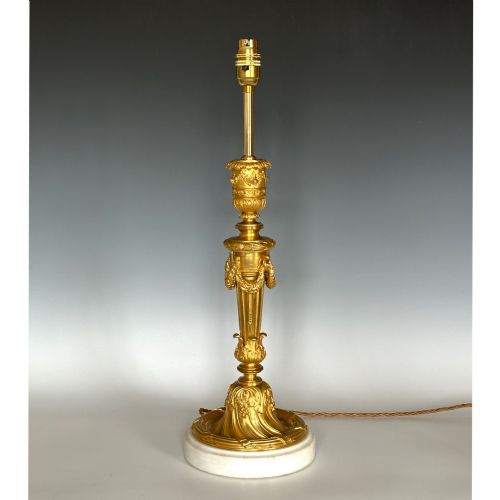
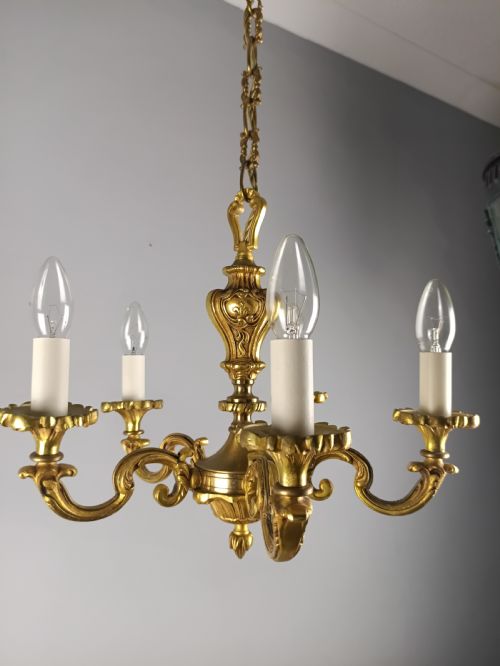
A gold ormolu lamp brings warm metallic brilliance and historical French design into a room.
Gold Ormolu Lamp
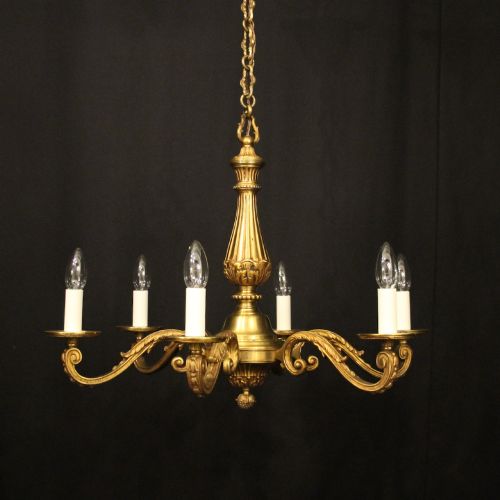
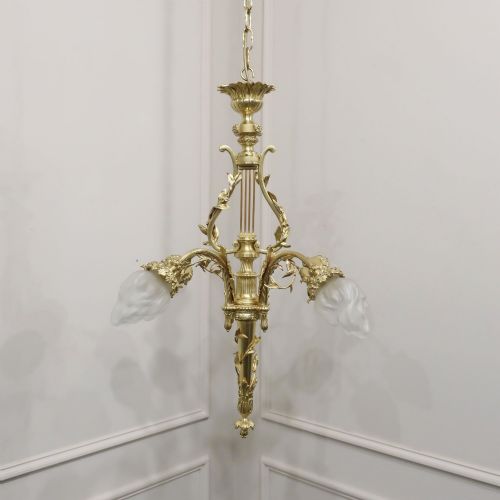
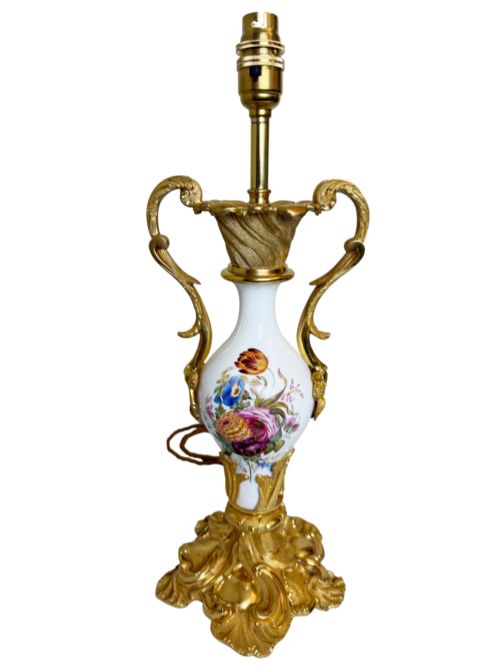
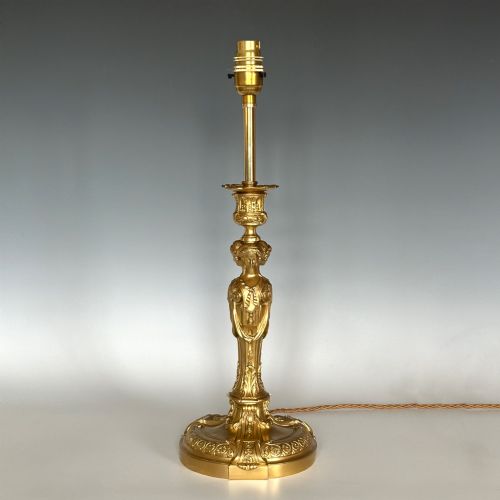
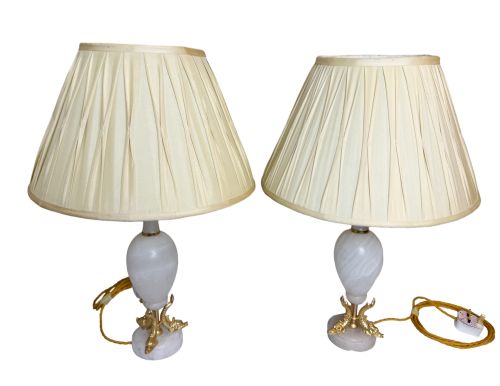
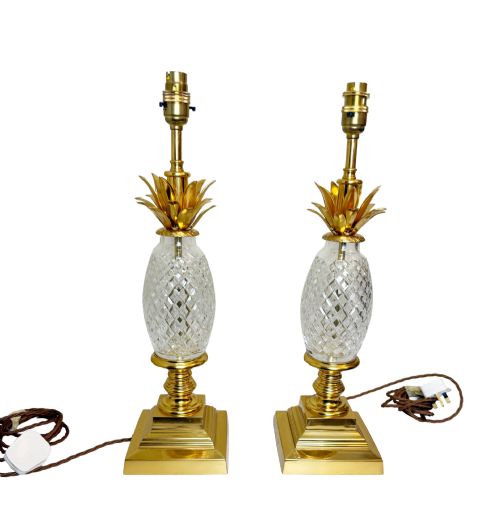
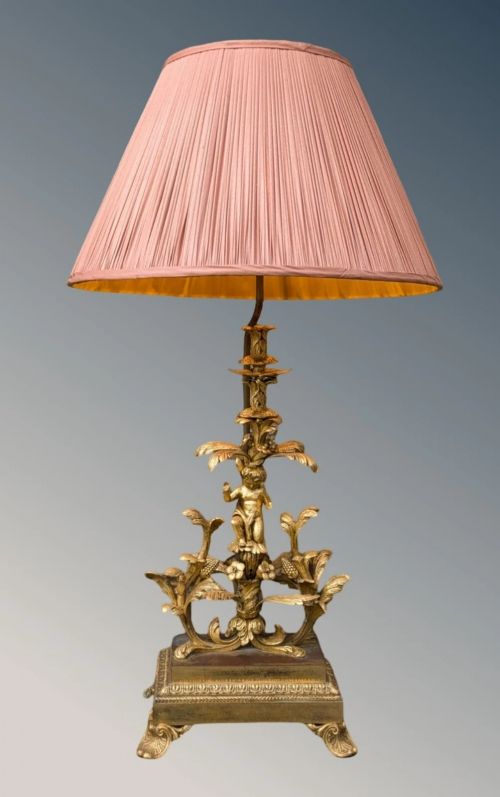
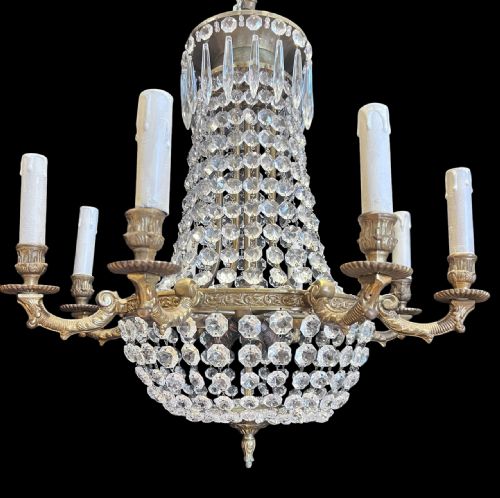
The selection ranges from petite floral design table lamps to monumental pairs incorporating onyx, marble, or crystal details. Many examples reflect specific historical revivals, such as Louis XVI style mounts or French chateau aesthetics. These variations allow collectors to match specific period aesthetics in domestic lighting.
Materials and construction methods
The primary material structure relies upon cast gilt bronze, brass, or ormolu, frequently paired with natural stone elements like marble and onyx. Artisans cast these metallic components in sections before applying gold gilding or mercury ormolu finishes to achieve a rich surface lustre. Additional elements such as crystal drops, glass shades, and fabric components complete the lighting assemblies.
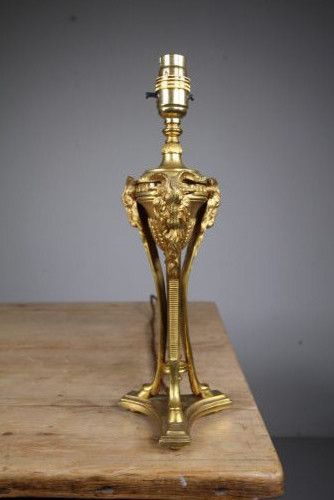
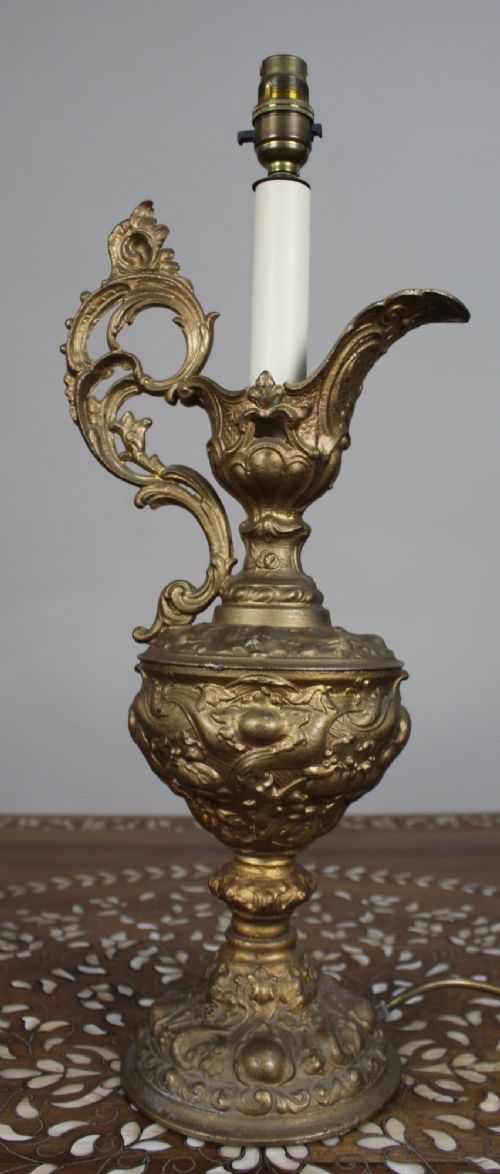
Makers integrated decorative motifs including rams heads, lions paw feet, and floral designs directly into the metal castings. Porcelain and ceramic bodies, including Chinese vases and Cantonese porcelain, were regularly fitted with bespoke ormolu mounts to create functional illumination from decorative vessels.
Current listings feature pieces spanning the Victorian era through the early twentieth century, utilising gilt bronze, marble, and crystal.
Factors of quality and execution
The crispness of the chased detail on the gilt bronze surfaces distinguishes finer examples from simpler production pieces. Superior castings retain sharp relief in floral garlands, figural elements, and architectural mouldings without softening of the contours.
The integration of secondary materials such as matched marble columns, intact crystal prisms, and heavy gauge mounts dictates the overall substance of the object. Heavier bronze gauge and more complex multi-arm assemblies indicate higher workshop ambition.
The Gold Ormolu Lamp Glossary
- Ormolu
- A golden-coloured metallic finish applied to bronze mounts, historically using a mercury amalgam technique on decorative objects. This surface treatment provides the characteristic bright metallic sheen seen on period French furnishings.
- Neoclassical
- A decorative style inspired by classical antiquity, prominent in eighteenth and nineteenth-century designs. It relies on symmetry, columns, urns, and restrained geometric ornamentation.
- Rococo Revival
- An ornate nineteenth-century style featuring asymmetrical scrolls, naturalistic plant motifs, and C-scrolls. It dominates many mid-nineteenth-century lighting fixtures and wall sconces.
- Empire
- A stylistic period drawing on ancient Roman and Egyptian motifs, characterised by formal symmetry and military symbols. Pieces from this aesthetic often incorporate lions paw feet and classical columns.
Gold Ormolu Lamp: Frequently Asked Questions
How do I date a gold ormolu lamp?
Dating relies upon stylistic markers, casting techniques, and material combinations associated with periods like the Victorian era, the nineteenth century, or the early twentieth century. Examining the construction methods of the mounts and the wiring provisions helps establish the approximate age.
Stylistic revivals often emulate earlier monarchs, meaning a Louis XVI style lamp might originate from the nineteenth century rather than the eighteenth. Comparing the cast details against documented design sources clarifies the manufacturing period.
Are these lamps safe to use today?
Many period fixtures require rewiring by a qualified professional to meet modern electrical safety standards. Existing components from earlier centuries may not comply with current regulations.
Retaining original lampholders is sometimes possible while updating the internal wiring and plug. Consult an electrician to ensure safe integration into contemporary domestic circuits.
What is the difference between ormolu and gilt bronze?
Ormolu specifically describes the historical mercury gilding process applied to bronze objects to produce a rich gold appearance. Gilt bronze is a broader descriptive term for bronze that has received any gold-coloured surface treatment.
Both terms describe the metallic components that give these lamps their distinctive golden exterior. The visual effect remains similar across both categories.
How should I clean an antique ormolu lamp?
Dusting gently with a soft, dry cloth is the safest method to maintain metallic surfaces without damaging the underlying finish. Avoid abrasive polishes or chemical cleaners that can strip away the historical gilding.
Professional conservation advice should be sought for deeper cleaning or restoration work. Preserving the original patina maintains both the visual character and the historical integrity of the piece.