





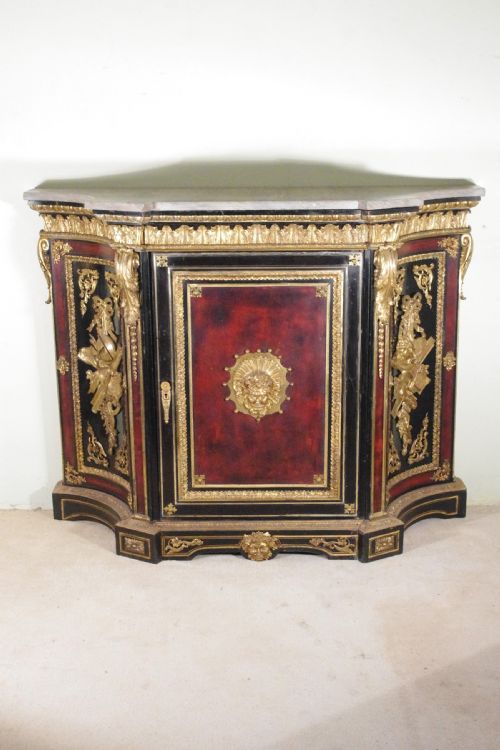


Gold Ormolu Cupboards
Gold ormolu cupboards bring French and Victorian splendour into a room, offering striking cabinetry mounted in heavy gilt bronze.
Gold Ormolu Cupboards
When you search for gold ormolu cupboards, you are looking at substantial nineteenth-century furniture designed to display and store valuables. Most examples on this page date from the Victorian era and the French Napoleon III period, spanning from eighteen fifty to eighteen ninety.
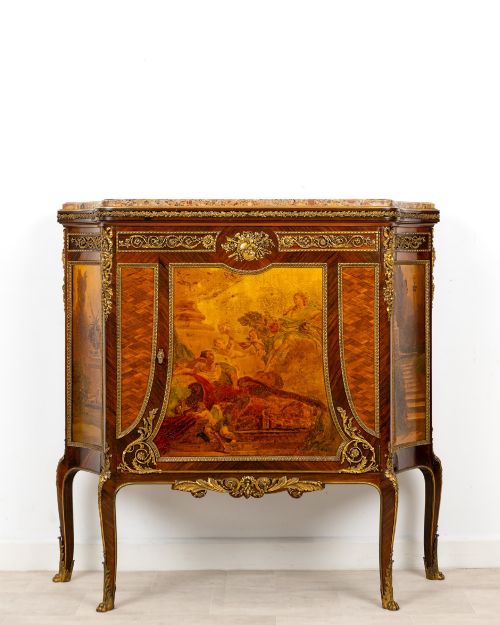
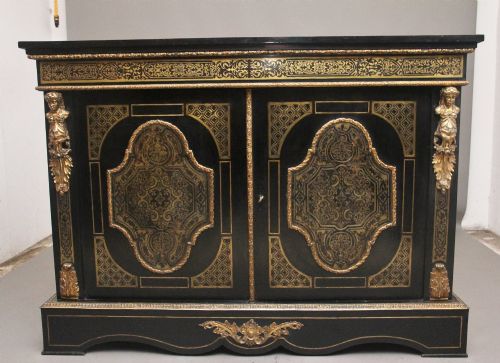
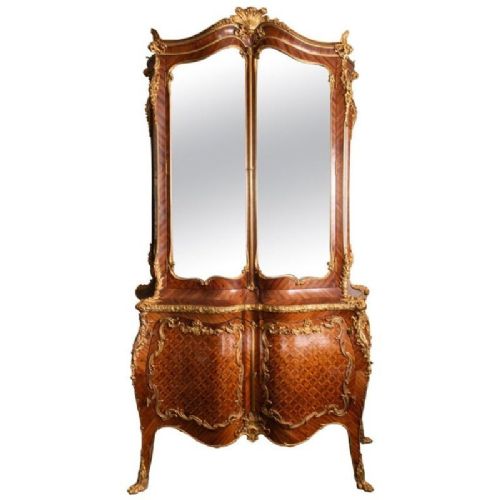
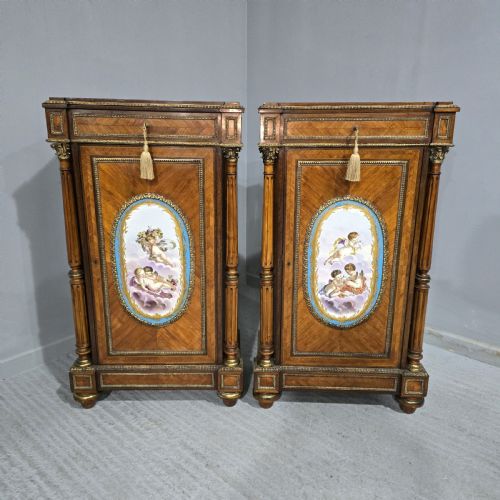
These pieces primarily take the form of side cabinets, pier cabinets, and tall vitrines. They frequently combine dark timber frames with shining metal mounts and inset panels.
Makers drew heavily upon Louis XVI and French Rococo revival styles, producing ornate display pieces with glass fronts and marble tops. You will encounter freestanding side cabinets alongside matched pairs built for formal drawing rooms.
How they were made
Cabinetmakers constructed the carcases from dense timbers such as mahogany, walnut, and ebonised wood, often applying intricate boulle marquetry or tortoiseshell inlay to the surfaces. This dark groundwork provided a strong visual contrast against the bright metallic mounts.
Gilt bronze or ormolu mounts were cast and applied to the corners, friezes, and feet of the furniture to accentuate the architectural lines. Selected pieces also incorporated Sevres style porcelain plaques and glass door panels into the facade.
Gold Ormolu Cupboards Retail Price Guide 2026
Typical asking prices for gold ormolu cupboards among the pieces listed under this phrase on Sellingantiques today, from the lower quarter to the upper quarter. They describe what is for sale here now, not the wider market.
Cabinet styles on this page encompass French Napoleon III, Louis XVI revival, and Victorian designs.
What varies in quality
The distinction between standard production and top quality pieces lies in the crispness of the bronze casting and the precision of the marquetry inlay. Finer cabinets display deeply chased ormolu mounts with sharp definition, whereas lesser examples feature softer, shallower metalwork.
Materials also dictate the tier of the piece, with genuine marble tops, thick tortoiseshell veneers, and hand-painted porcelain plaques marking out the more ambitious nineteenth-century commissions.
Edmond Poteau
The Gold Ormolu Cupboards Glossary
- Ormolu
- Gilt bronze mounts applied as decorative ornaments to furniture. The technique involves fusing gold to a bronze base.
- Boulle
- A form of marquetry using brass and tortoiseshell inlaid in contrasting patterns. It is named after the French cabinetmaker André-Charles Boulle.
- Vitrine
- A glass-fronted cabinet designed for the display of porcelain and curiosities. These pieces often feature glazed side panels as well.
- Pier Cabinet
- A low cabinet built to fit the narrow wall space between windows. They frequently feature marble tops and single mirrored or glass doors.
- Vernis Martin
- A simulated Japanese lacquer technique developed in France. It creates a glossy, translucent finish decorated with painted scenes.
Gold Ormolu Cupboards: Frequently Asked Questions
Where were gold ormolu cupboards placed?
These cabinets stood in formal reception rooms, drawing rooms, and parlours of grand nineteenth-century houses. They served both as decorative focal points and as secure enclosures for prized porcelain and small collections.
Pier cabinets specifically occupied narrow wall spaces between windows beneath large mirrors. Side cabinets and vitrines took up larger wall expanses where their gilt mounts caught the candlelight.
How do I care for ebonised wood and ormolu?
Ebonised wood benefits from gentle dusting with a soft, dry cloth to prevent the buildup of grime on the dark polished surfaces. Avoid modern silicone sprays that can penetrate old finishes and attract dust.
Ormolu mounts require careful treatment without abrasive metal cleaners that strip away the gold gilding. A light touch with a dry microfiber cloth preserves the original bronze surface.
Can I store books inside these cabinets?
While some lower side cabinets offer enclosed wooden shelving suitable for volumes, most examples feature glass doors designed for display. Vitrines and pier cabinets prioritise visual presentation over heavy book storage.
The original interior shelves are frequently glass or polished timber built for porcelain rather than heavy library use.
How do I distinguish Napoleon III from Victorian pieces?
Napoleon III pieces generally display a closer adherence to French design revivals, featuring elaborate boullework, Sevres style plaques, and rich ebonised finishes. They reflect the opulent taste of the Second Empire in France.
Victorian equivalents produced in Britain often incorporate walnut and marquetry inlay while adopting similar French structural forms. The distinction rests on regional cabinetmaking traditions and minor decorative flourishes.