
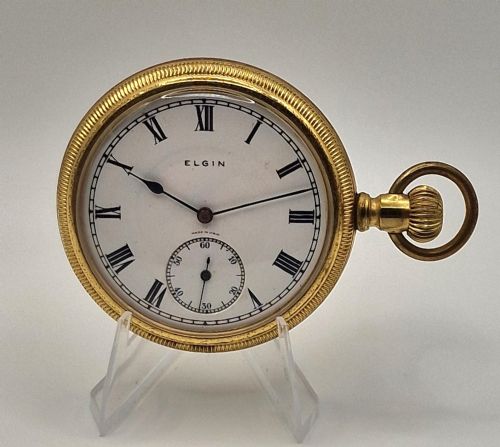
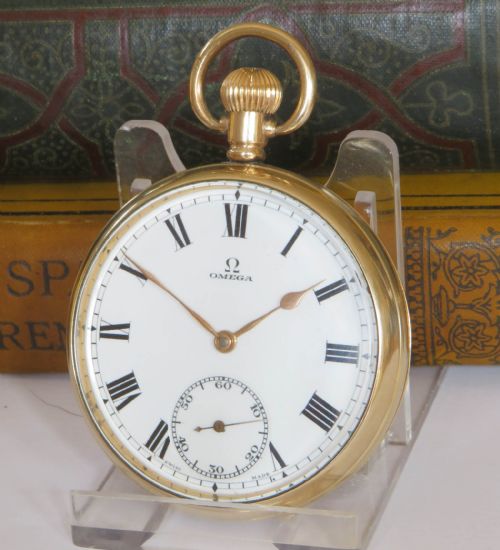
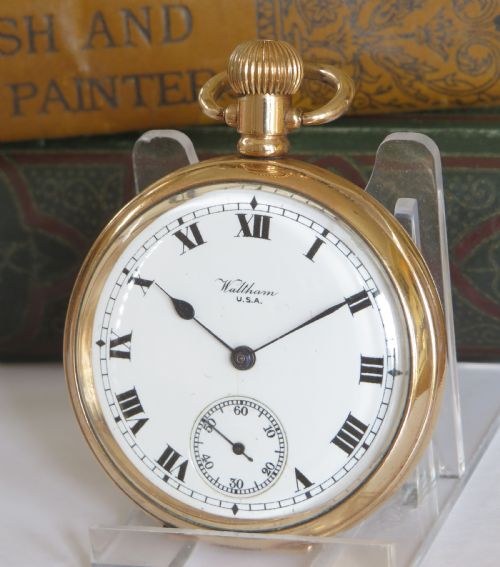
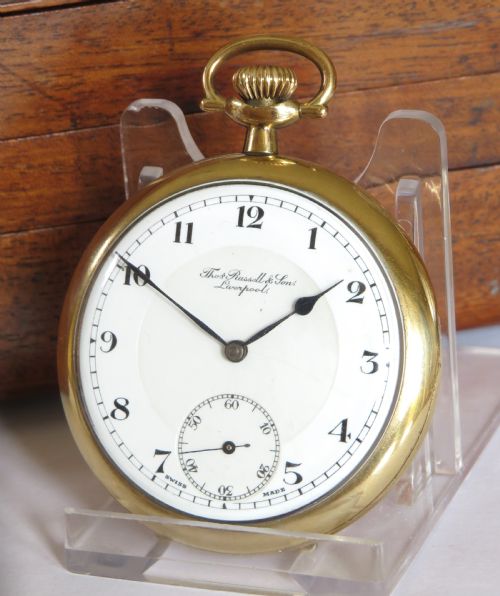
Gold Open Faced Watch
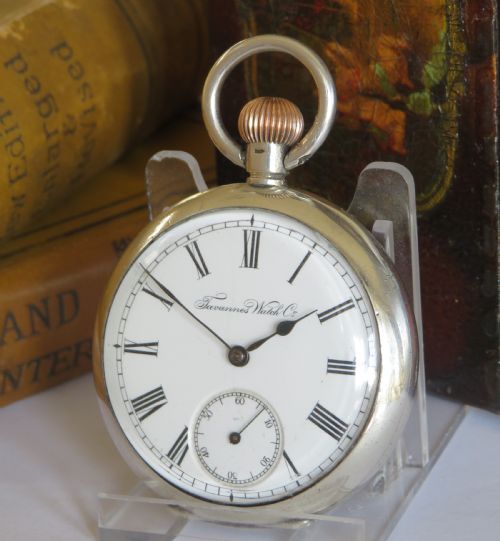
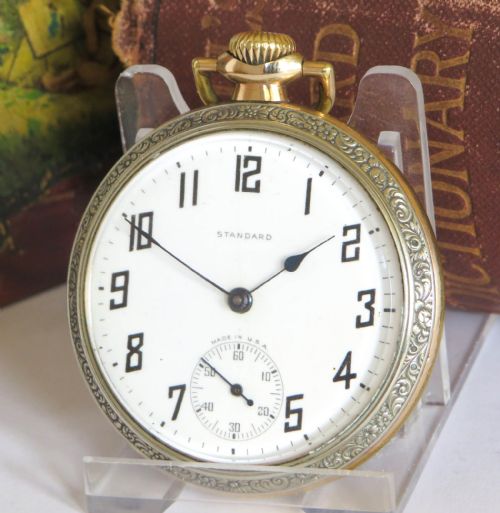
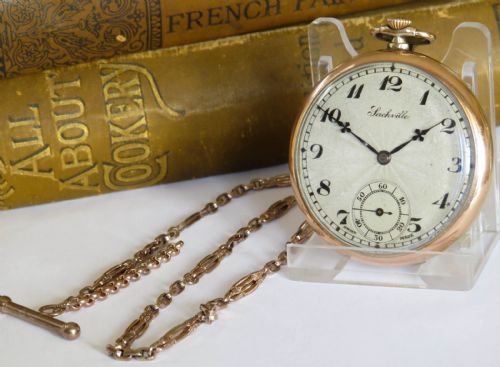
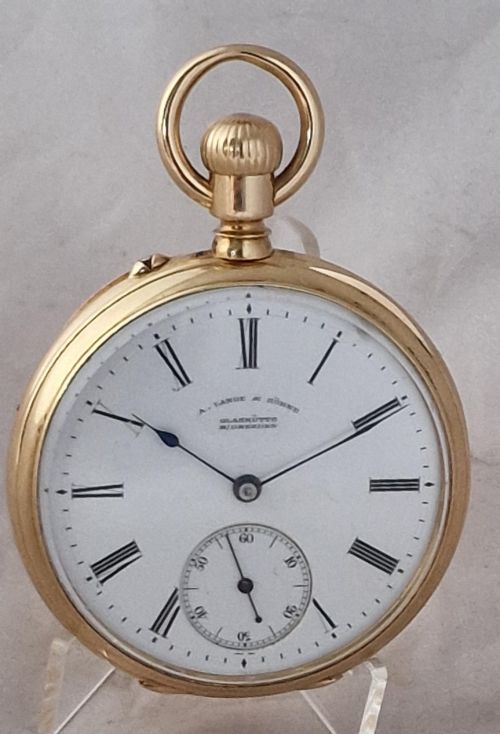
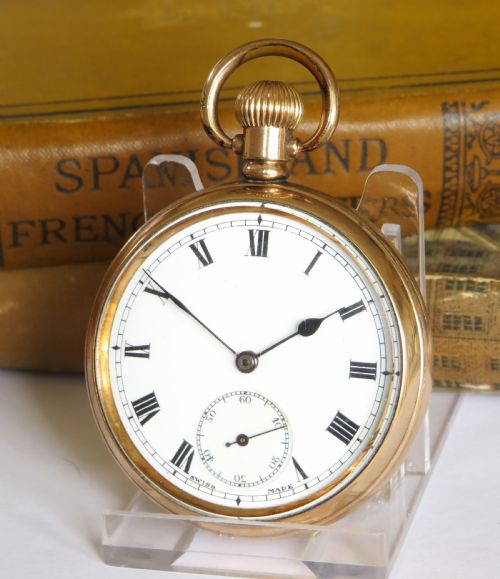
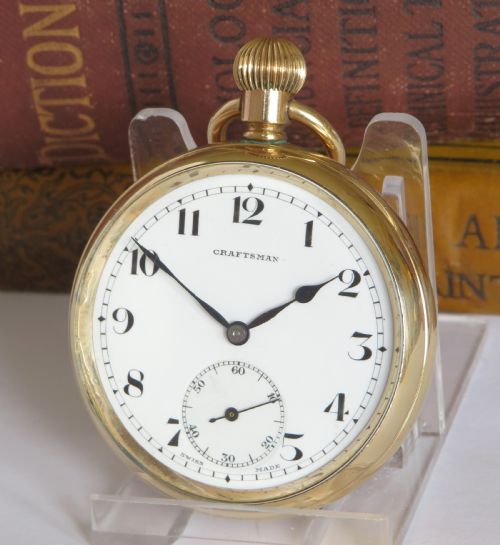
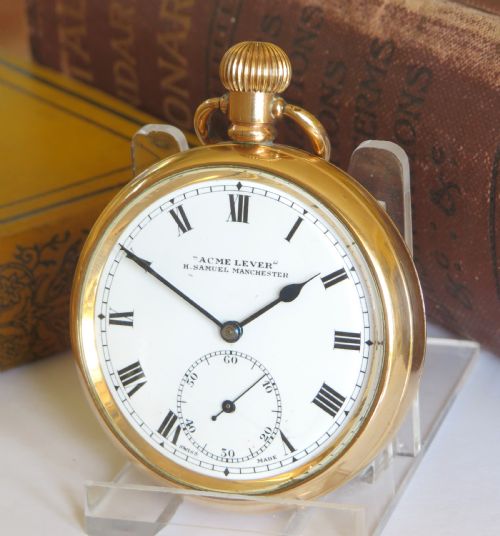
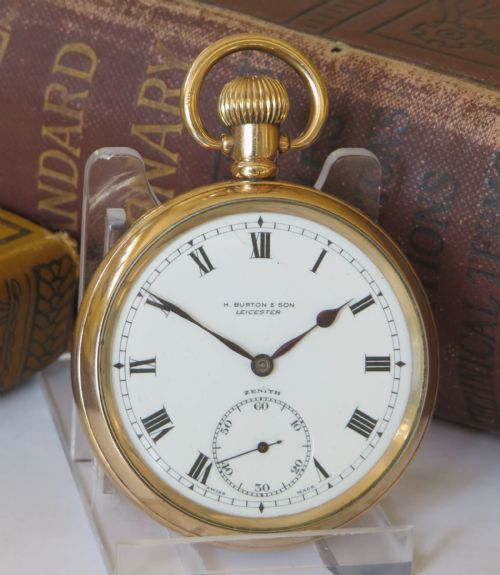
A gold open faced watch is a traditional pocket timekeeper designed for clarity and elegance, highly sought after by collectors for its fine mechanical movement.
Gold Open Faced Watch
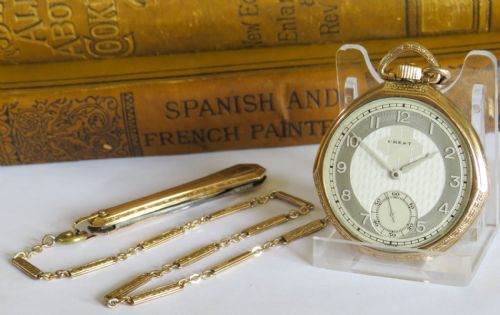
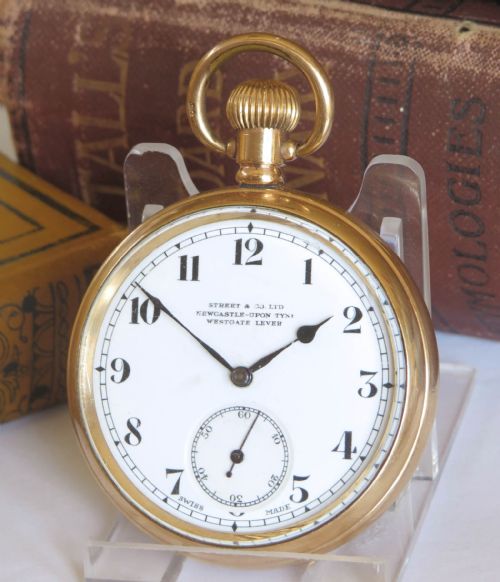
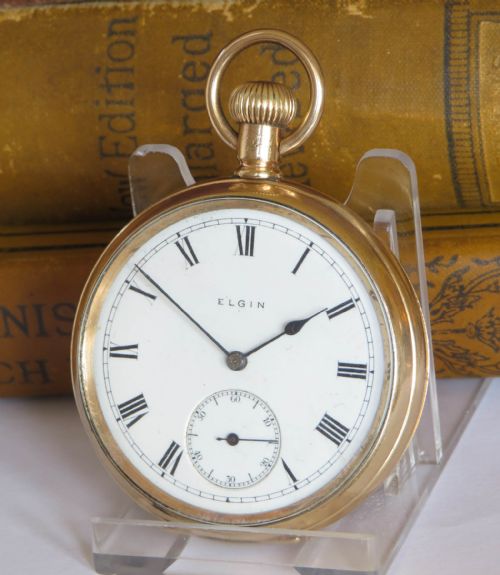
A gold open faced watch presents the dial directly to the viewer without a protective outer metal cover, allowing immediate time reading. These pieces span the nineteenth century, the Edwardian era, and through the 1920s, 1930s, 1940s, and 1950s.
Most examples encountered here originate from Swiss and British workshops, often taking the form of standard pocket watches or smaller fob watches. Styles range from restrained Victorian designs to geometric Art Deco creations.
Materials and construction
Cases are formed from gold, 18ct gold, 9ct gold, and gold plate, frequently paired with internal brass and steel movement components. Glass protects the enamel or metal dials across the various periods.
Makers utilised stem winding mechanisms alongside traditional lever escapements, enclosing the delicate gear trains within fitted metal cases designed for daily utility.
Listings feature pieces spanning the Edwardian period through to the 1950s, utilising gold, gold plate, enamel, and glass.
Factors of distinction
The refinement of the internal movement and the purity of the casing material primarily dictate the standing of a piece. Solid 18ct or 9ct gold cases represent a higher standard than gold plate over base metals.
Signatures from notable makers or retailers, alongside the complexity of the jewelled lever movement, separate standard utilitarian timepieces from exceptional examples.
Omega·Waltham·Thomas Russell and Son·Tavannes·Lange and Sohne·Elgin·Zenith·Smiths·Hamilton·Longines
The Gold Open Faced Watch Glossary
- Open faced watch
- A pocket watch lacking a hinged metal cover over the dial, exposing the glass and hands directly. This layout allowed rapid time reading during daily wear.
- Stem winding
- A mechanism allowing the watch to be wound via the crown at the top of the case rather than a separate key. This innovation became standard in the late nineteenth century.
- Lever escapement
- A mechanical linkage that controls the release of power from the mainspring to the balance wheel. It remains the most common escapement found in quality pocket watches.
- Gold plate
- A thin layer of gold bonded to a base metal core such as brass or steel. It provided the appearance of solid gold at a lower manufacturing cost.
Gold Open Faced Watch: Frequently Asked Questions
How do I wind a pocket watch?
Turn the crown at the top of the case gently between your thumb and forefinger until you feel resistance. Stop immediately to avoid over-winding and damaging the internal mainspring.
Most vintage movements require winding once a day to maintain accurate timekeeping throughout use.
What is an albert chain?
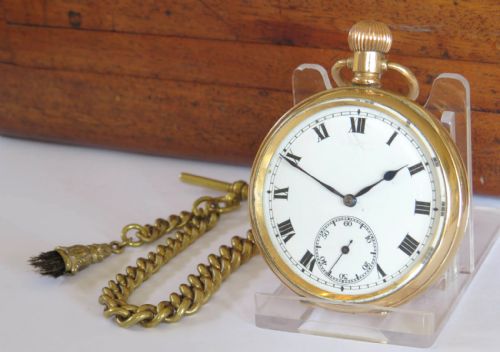
An albert chain is a traditional watch chain attached to a pocket watch on one end and secured to a garment buttonhole on the other. It prevented the watch from dropping.
They were produced in matching metals, including gold and gold plate, often holding decorative fob pendants.
How do I tell the period?
Examine the stylistic details of the dial, case ornamentation, and typography used for the numerals. Art Deco pieces show geometric motifs, while Victorian examples feature ornate floral engraving.
Internal hallmarks on gold cases provide definitive assay office stamps and date letters for precise dating.
Can I wear these daily?
These watches can be carried in a waistcoat pocket provided they are handled with care and kept away from moisture. Regular mechanical servicing helps ensure reliable operation during occasional wear.
Avoid high-impact activities while carrying a vintage timepiece to protect the delicate internal components.