
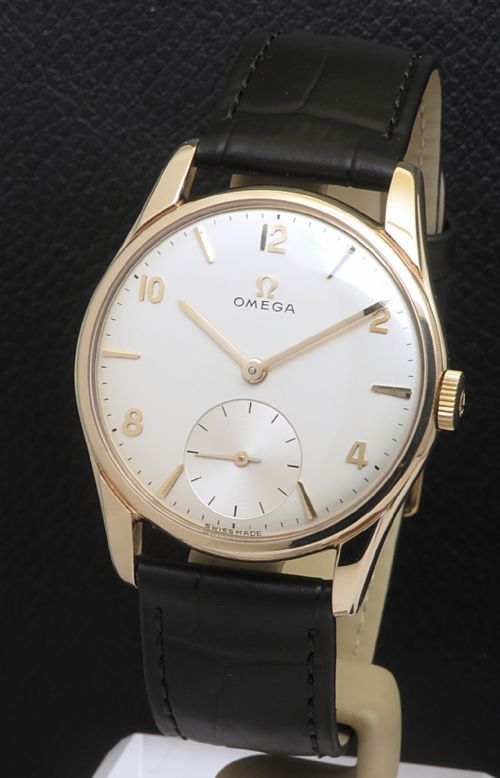
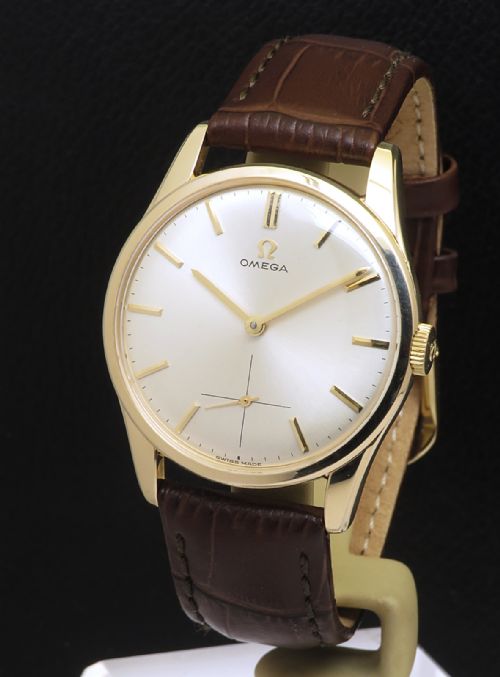


Gold Omega Wristwatch
A gold omega wristwatch is a timeless horological piece offering precision engineering and precious metal casing that every serious collector desires.
Gold Omega Wristwatch
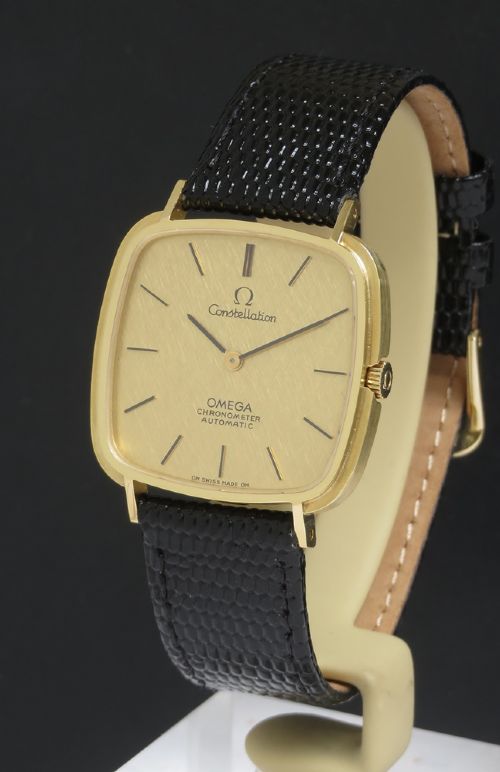
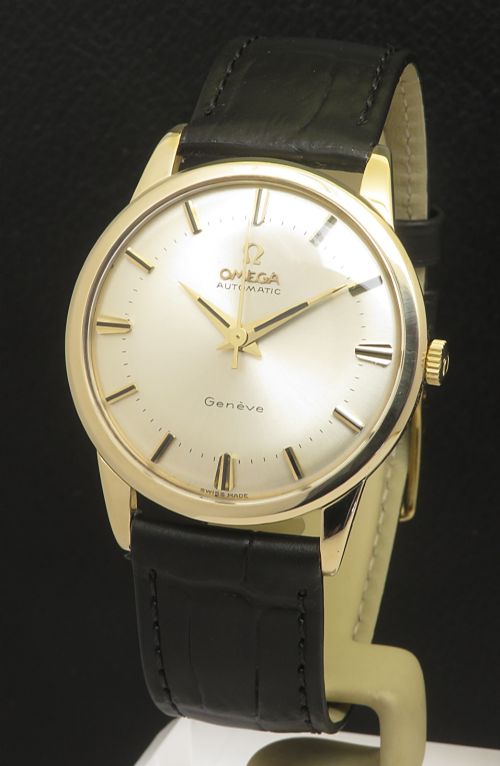
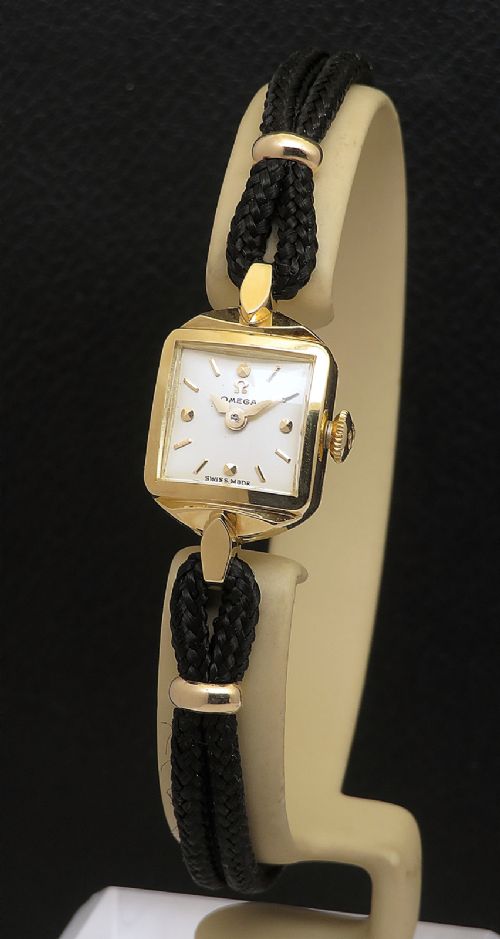
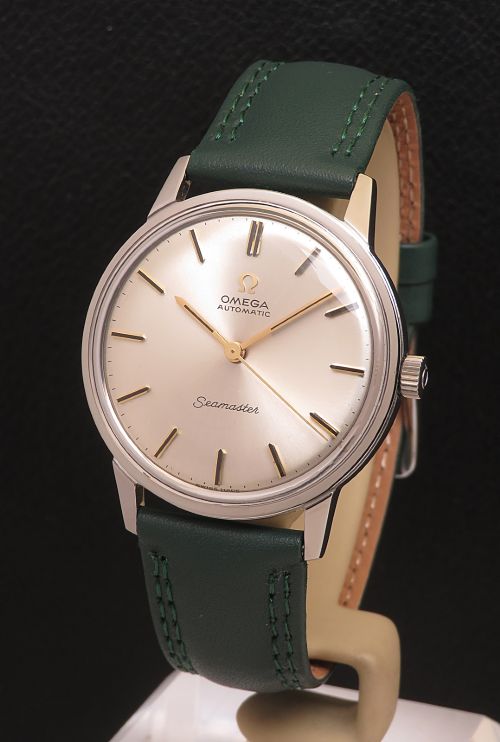
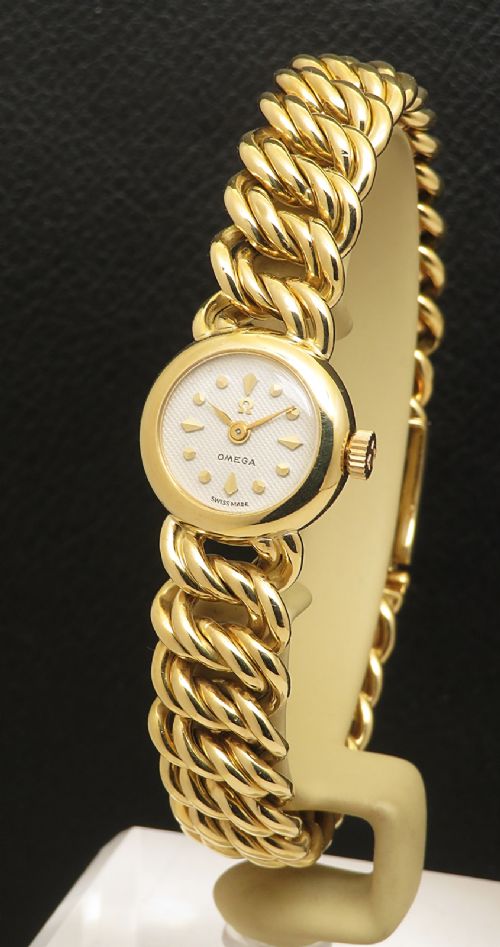
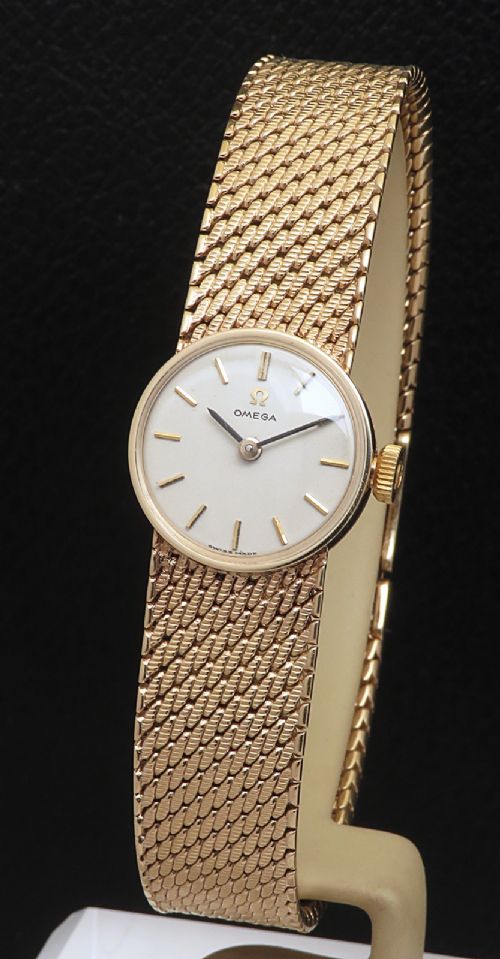
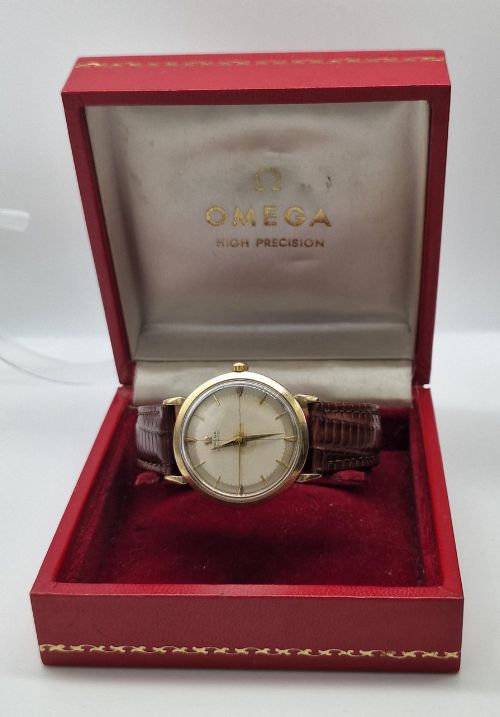
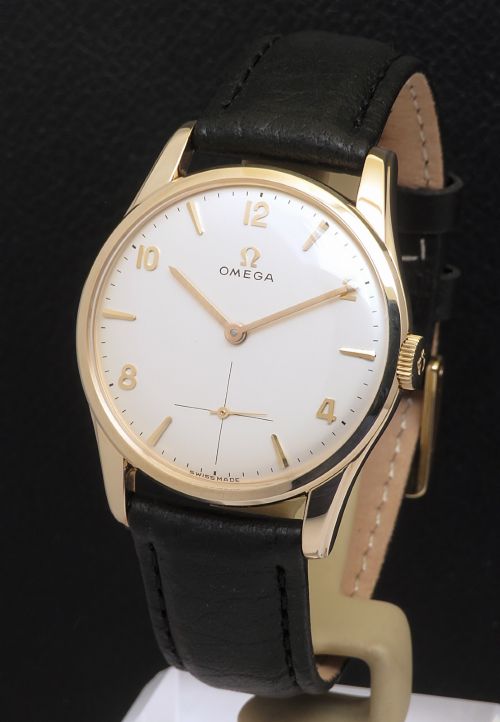
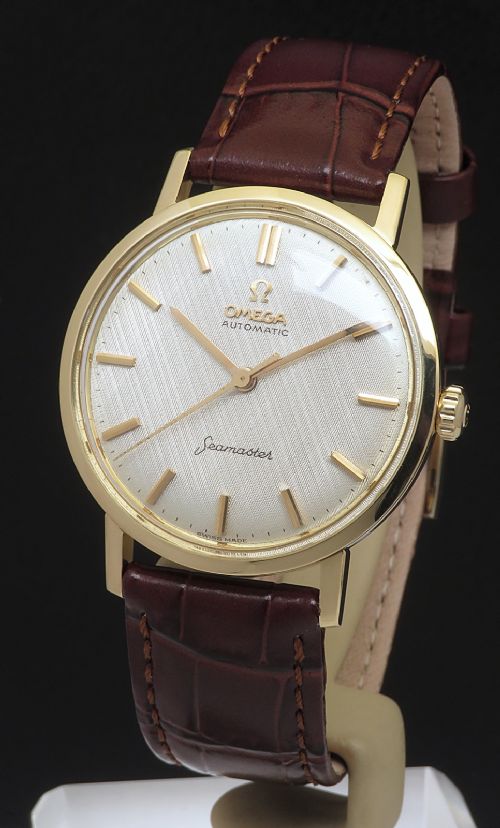
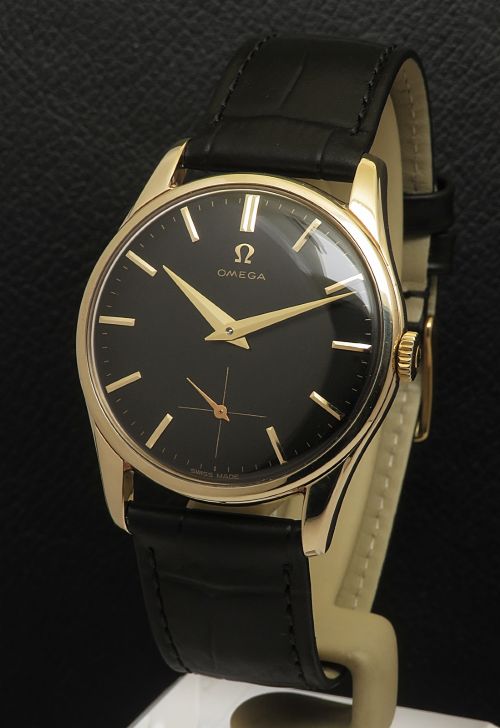
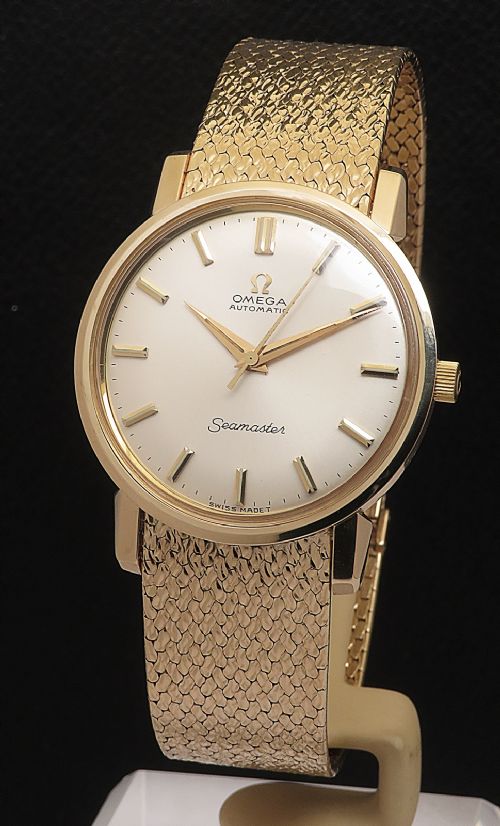
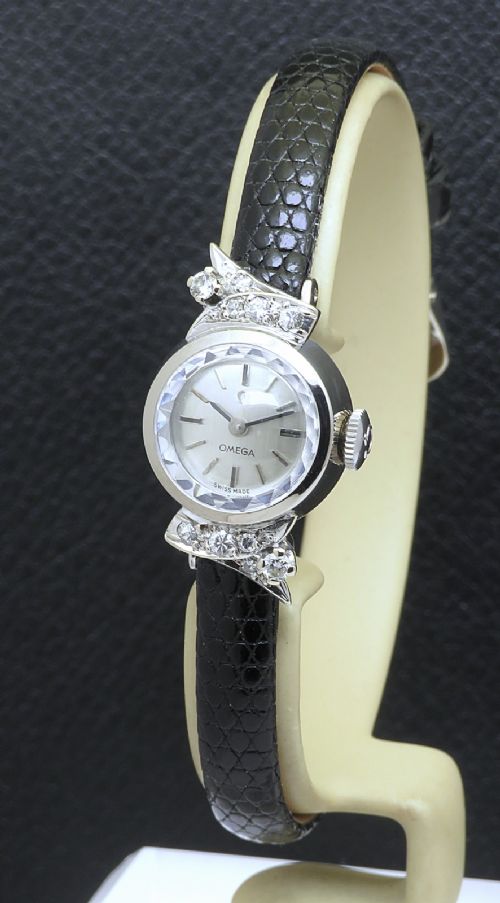
A gold omega wristwatch represents a significant chapter in twentieth-century horology, spanning gentlemen's and ladies' variations across multiple decades. Collectors seeking a gold omega wristwatch encounter various forms, including standard dress models, cushion cases, and dedicated lines such as the Seamaster, De Ville, Geneve, and Constellation. These timepieces embody mid-century modern design sensibilities while maintaining traditional mechanical functionality.
The archive demonstrates that these watches predominantly feature precious metal cases paired with functional dials and appropriate straps. Mid-century examples, particularly from the nineteen-fifties and nineteen-sixties, appear frequently in both manual wind and automatic configurations. Buyers find both gents and ladies sizes across the inventory, reflecting the extensive production range of the era.
Materials and Construction
Cases are forged from various purities of gold, predominantly nine-carat and eighteen-carat, alongside fourteen-carat and gold-filled alternatives. Movements rely on precise mechanical engineering, incorporating calibres such as the calibre 269 alongside early automatic and bumper automatic winding mechanisms. Dials sit protected beneath acrylic glass crystals.
Strap construction traditionally utilises genuine leather to complement the precious metal case. Metals are worked into specific case geometries, from circular forms to cushion shapes, housing intricate internal movements designed for reliable daily timekeeping.
Distinctions in Quality
The distinction between standard examples and superior pieces rests upon the purity of the gold casing and the sophistication of the internal movement. High-tier pieces often feature automatic or bumper automatic movements rather than basic manual calibres, alongside higher gold carat weights such as eighteen-carat construction.
Condition and originality dictate the standing of individual watches within the market. Examples retaining original dials, authentic signed components, and well-preserved mid-century modern case geometry command greater appreciation among discerning horologists.
The Gold Omega Wristwatch Glossary
- Calibre
- The specific internal mechanical movement designation given by the manufacturer. This number identifies the exact design and architecture of the watch's inner workings.
- Acrylic Glass
- A lightweight, shatter-resistant polymer material used for the crystal protecting the dial. It was standard on vintage wristwatches before the widespread adoption of synthetic sapphire.
- Bumper Automatic
- An early form of self-winding mechanical movement where the oscillating weight swings back and forth within a limited arc, striking springs that cushion its movement. This provides a distinct physical sensation on the wrist as the rotor moves.
- Gold-Filled
- A construction method where a thick layer of solid gold is mechanically bonded to a base metal core. This offers the appearance and durability of solid gold at a different production level.
- Cushion Case
- A watch case design shaped like a square with rounded corners and curved sides, resembling a soft cushion. This geometric form gained significant popularity during the earlier decades of the twentieth century.
Gold Omega Wristwatch: Frequently Asked Questions
How do I wind a vintage watch?
Wind the crown gently in a clockwise direction until gentle resistance is felt, taking care not to over-wind the mainspring.
For automatic models, simply wearing the piece provides sufficient movement to power the internal mechanism throughout the day.
Can I wear my vintage watch daily?
These timepieces were built for daily wear, though vintage models require careful treatment regarding moisture and physical impact.
Leather straps and acrylic glass require mindful handling compared to modern materials found in contemporary accessories.
What is a bumper movement?
A bumper movement represents an early self-winding mechanical design where an internal rotor swings partially around rather than completing full rotations.
The wearer feels a gentle tap on the wrist as the weight strikes the internal springs to wind the mainspring.
How do I identify the production year?
Production years are typically identified by examining the serial numbers located on the internal movement or engraved inside the case back.
Matching these numbers against manufacturer records reveals the exact timeframe in which the timepiece was manufactured.