




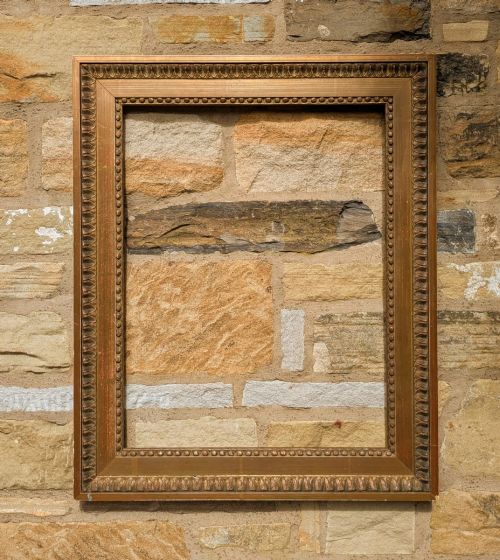
Gold Moulding Frame
A gold moulding frame brings warmth and definition to a wall, enclosing paintings and mirrors in rich metallic finish.
Gold Moulding Frame
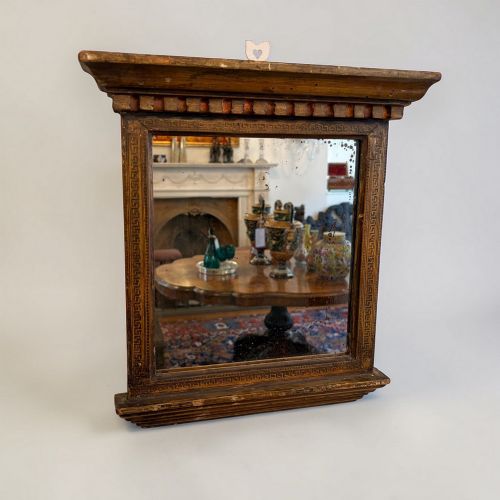
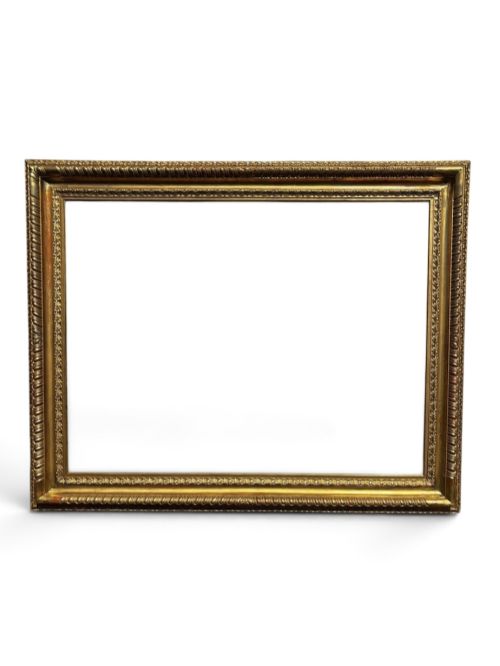
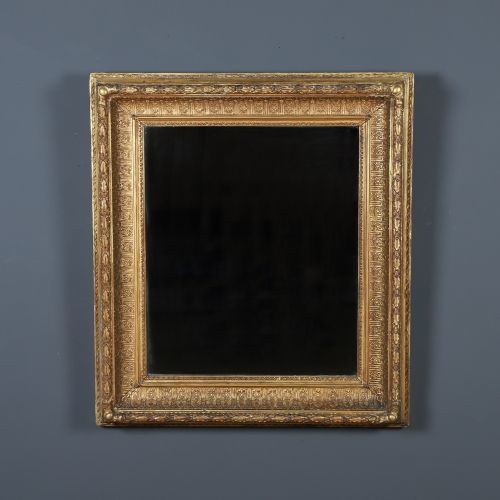
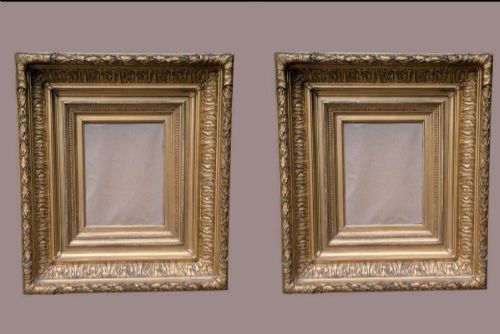
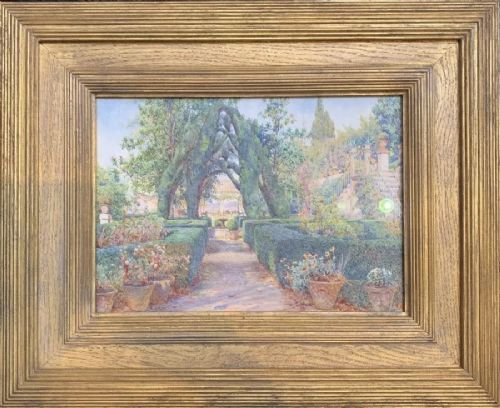
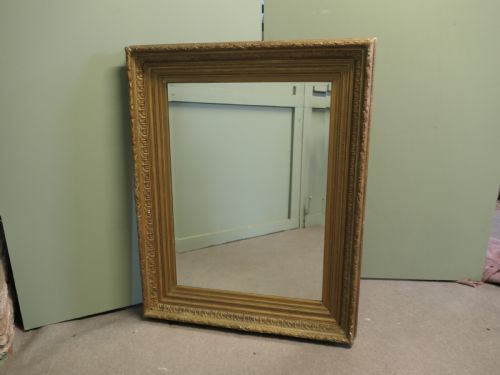
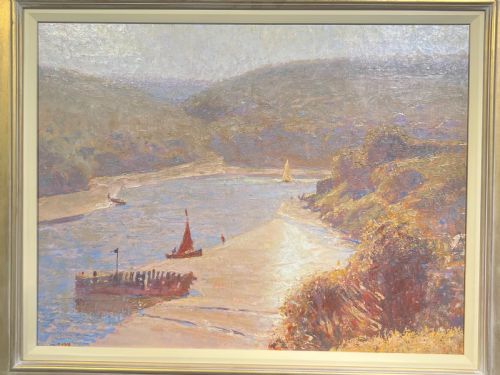
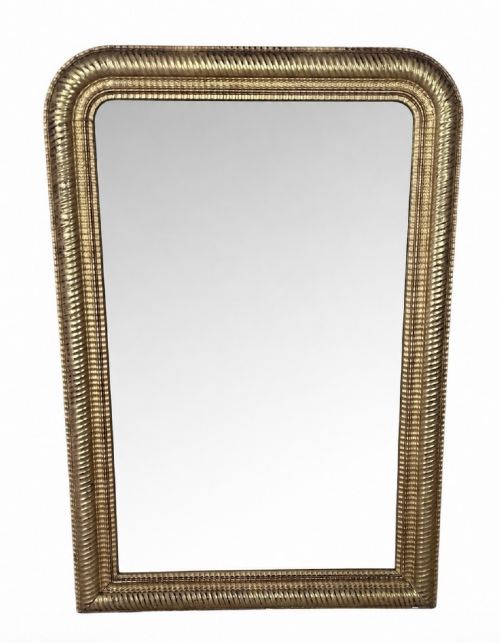
A gold moulding frame defines both picture frames and wall mirrors, encompassing pieces designed to hold art as well as reflective glass. Buyers searching this phrase encounter substantial Victorian and Regency examples alongside 19th century European pieces.
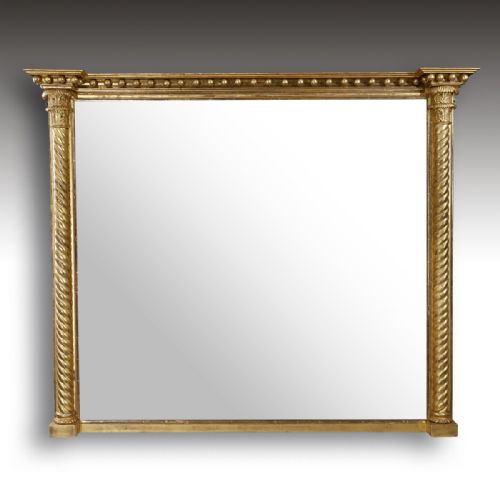
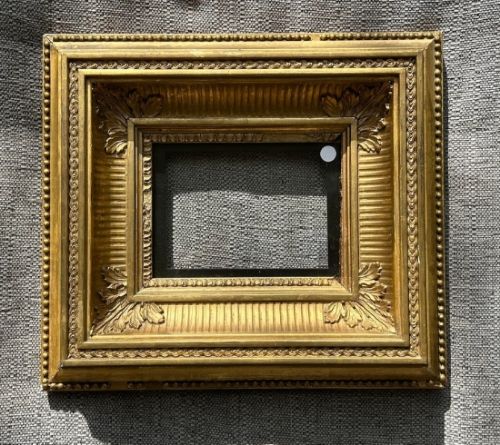
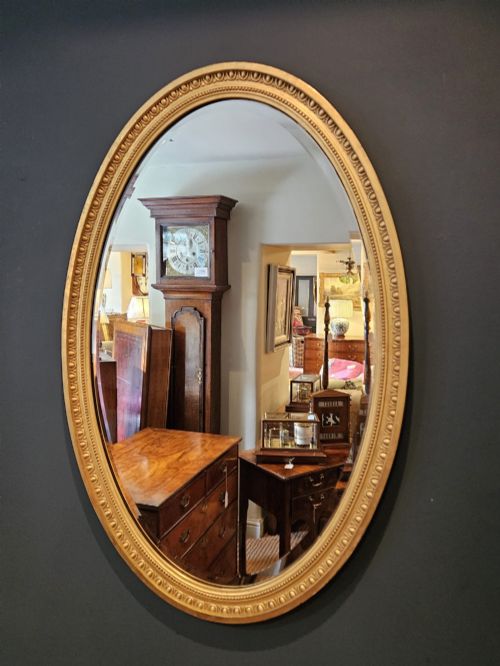
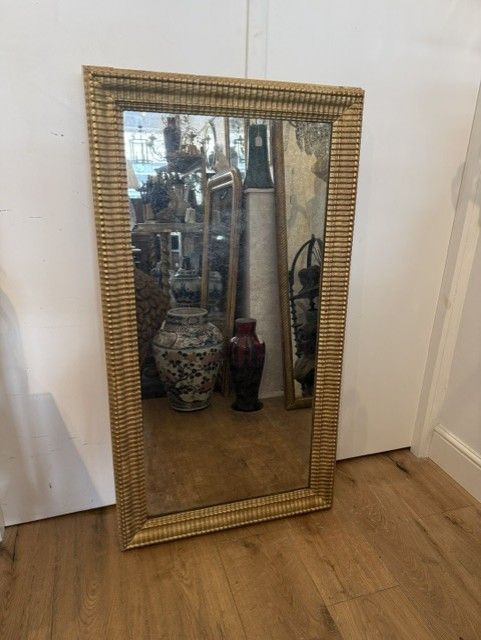
The selection ranges from deep picture frames to large overmantle mirrors and circular convex looking glasses. Many pieces utilise decorative edge treatments such as egg and dart or fluted hollow profiles.
Origins span English, French, and Italian workshops, capturing periods from the 17th century through to the early 20th century. These objects function equally as framing devices for paintings and as standalone wall decorations.
Materials and construction methods
Makers formed these pieces using wooden bases, frequently incorporating carved wood, ebonised wood, walnut, or brass on oak. Gesso and plaster were applied over the timber core to build up relief ornamentation before gilding.
Gold leaf provides the brilliant metallic surface seen across the majority of these listings. Certain variants incorporate glass, mirror glass, or verre eglomise panels alongside paper elements.
Gold Moulding Frame Retail Price Guide 2026
Typical asking prices for gold moulding frame among the pieces listed under this phrase on Sellingantiques today, from the lower quarter to the upper quarter. They describe what is for sale here now, not the wider market.
Some convex mirrors include tiny painted balls all around the frame to ward off evil spirits in Georgian parlours.
Distinctions in craftsmanship
The distinction between standard examples and exceptional pieces rests in the depth of the carving and the crispness of the moulding details. Heavy, substantial timber frames with finely modelled gesso ornament display superior handwork compared to simpler profiles.
The preservation of the original gilt surface and the integrity of the underlying wood determine the visual weight of the piece. Grand scale proportions and complex decorative programmes, such as egg and dart or sand moulded gesso, elevate the status of a frame.
The Gold Moulding Frame Glossary
- Gesso
- A plaster mix applied to wood surfaces to create a smooth base for gilding or to build up raised decorative motifs. It allows artisans to carve intricate patterns into the frame profile.
- Giltwood
- Timber that has been coated with gold leaf or gold paint to give the appearance of solid gold. This material defines the classic antique mirror and picture frame.
- Verre eglomise
- A cold decoration technique where designs are painted and gilded on the rear face of glass. It appears frequently in Regency mirror panels.
- Convex mirror
- A round looking glass with a curved surface that reflects a wide field of view. These pieces often feature spherical ball ornaments set into the moulding.
- Overmantle mirror
- A large horizontal mirror designed to sit directly above a fireplace mantel. They typically incorporate arched tops or heavy decorative mouldings.
Gold Moulding Frame: Frequently Asked Questions
Can I use a picture frame as a mirror?
Many empty picture frames adapt readily to mirror glass insertion, transforming flat art surrounds into decorative wall looking glasses. The depth and moulding profile of a heavy Victorian picture frame provide sufficient clearance to hold mirror plates securely.
Glaziers can cut mirror glass to fit the exact rebate dimensions of the antique wooden moulding. This practice allows collectors to utilise historic frames in rooms where paintings are absent.
What is the difference between a Regency and Victorian frame?
Regency frames often embrace classical restraint, featuring convex round glasses, reeded details, and verre eglomise panels. The proportions lean towards architectural symmetry and refined Neoclassical elegance.
Victorian frames tend toward deeper profiles, heavier gesso ornamentation, and exuberant floral or ripple motifs. Makers in this later era utilised expansive plaster relief to create intense visual depth.
How should I clean an antique gilt surface?
Dusting requires a very soft, dry brush to prevent disturbing delicate gold leaf or flaking gesso layers. Moisture and modern chemical cleaners damage historical gilding permanently.
Professional conservators should handle any stubborn grime or losses to the gold leaf. Maintaining a stable indoor environment without excess humidity preserves the original finish.