
Gold Mechanical Watch
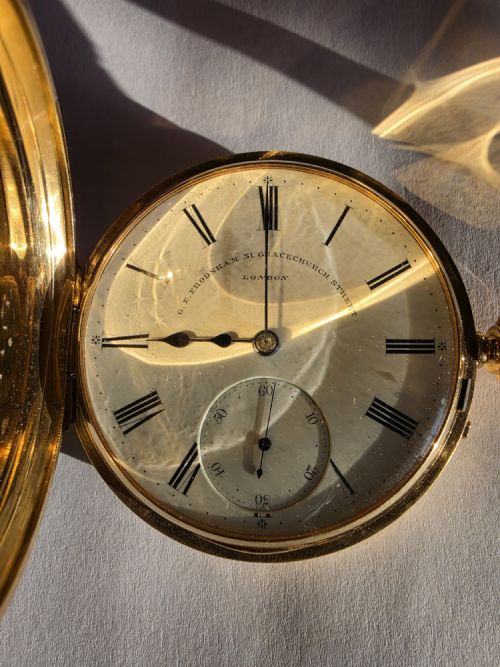
A gold mechanical watch combines traditional hand-wound or automatic inner machinery with precious metal cases spanning the Victorian era to the mid-twentieth century.
Gold Mechanical Watch
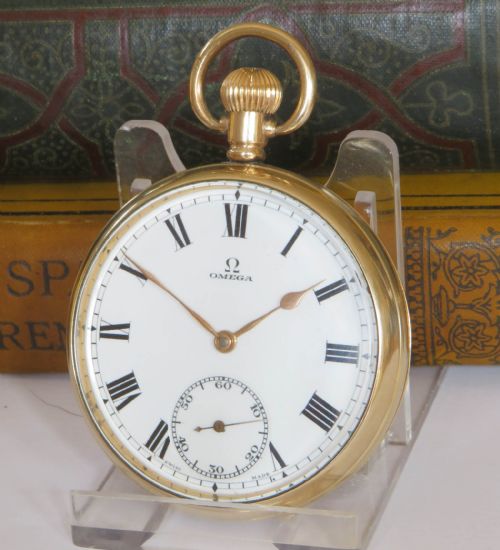
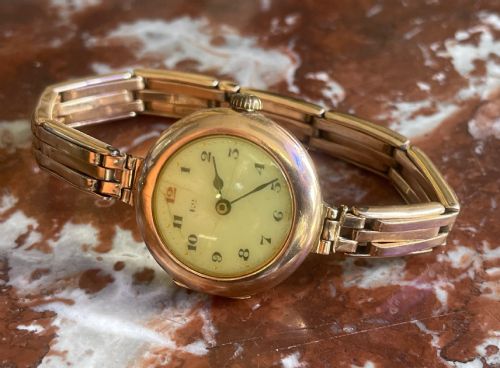
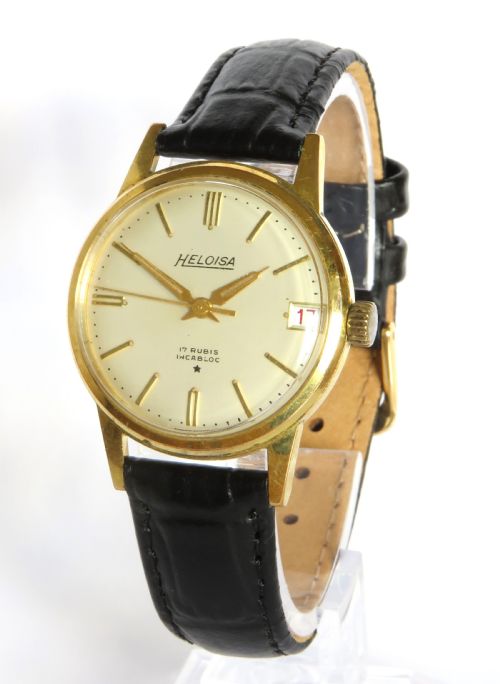
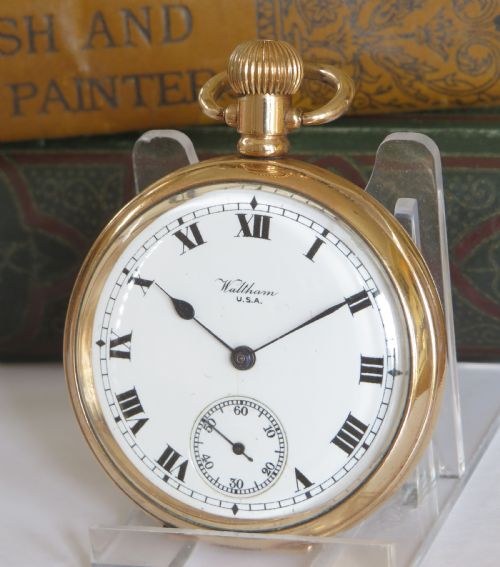
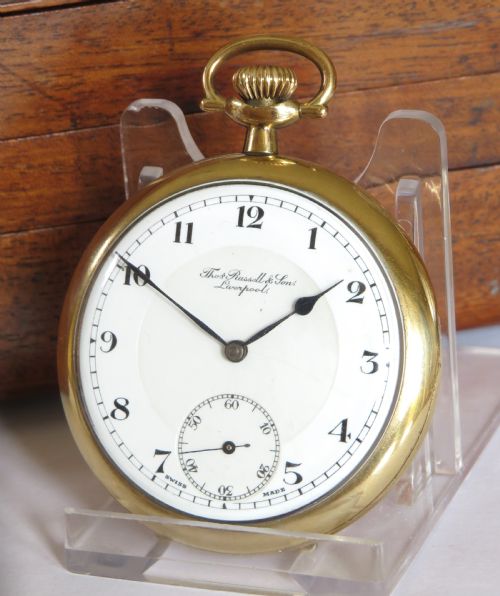
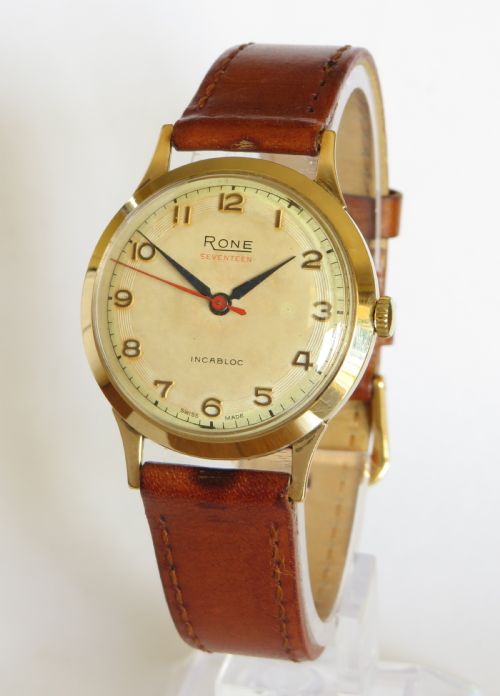
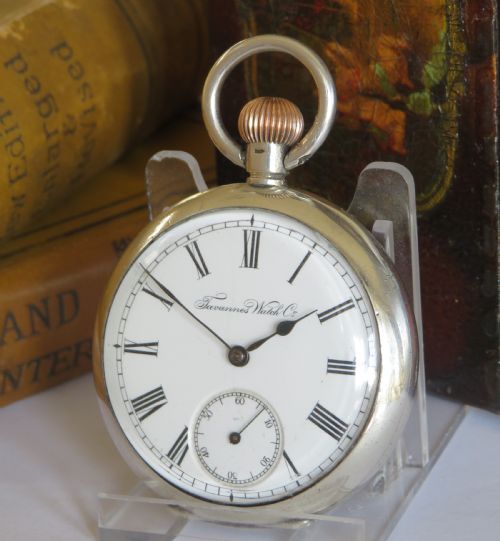
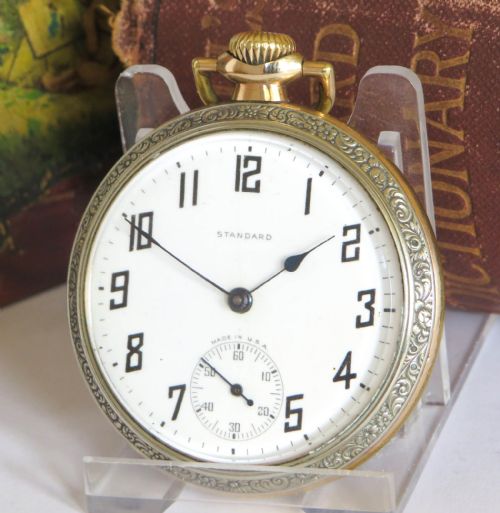
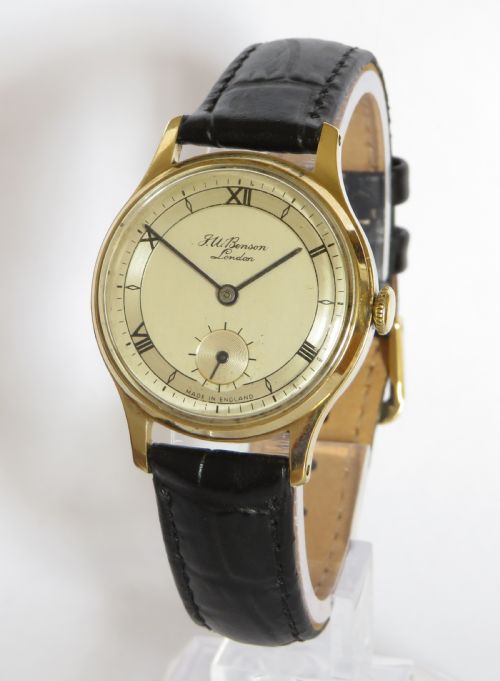
A gold mechanical watch represents a category encompassing both pocket watches and wristwatches driven by intricate internal gears rather than quartz batteries. When searching for a gold mechanical watch, buyers encounter diverse forms ranging from early pocket watches to mid-century dress wristwatches.
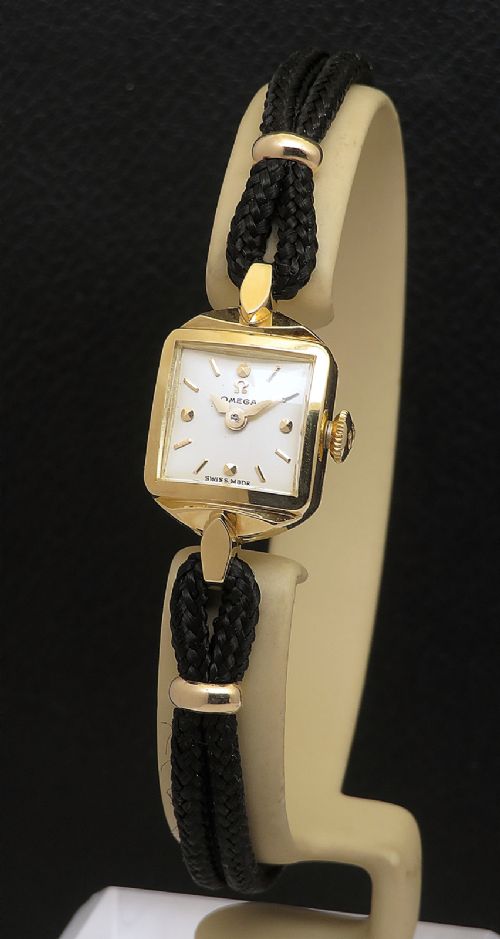
The pieces on this page bridge multiple eras, stretching from Victorian designs through Edwardian, Art Deco, and Mid-Century Modern periods. Pocket watches dominate the earlier decades, while wristwatches become more common by the 1950s and 1960s.
Origins vary widely across international horological centres, including Swiss houses, English makers, and American watch companies. These timepieces served as daily utilities, presentation pieces, and personal luxuries for generations.
Materials and construction
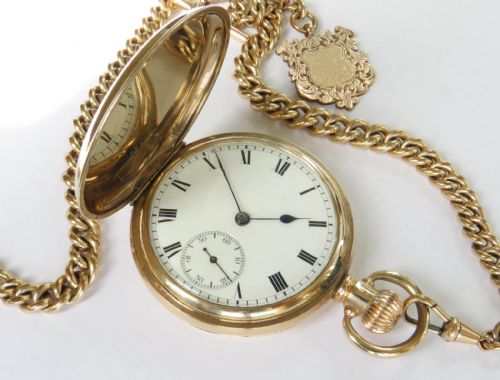
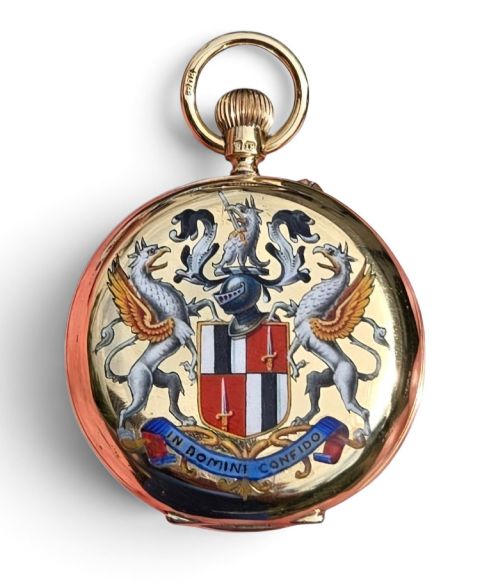
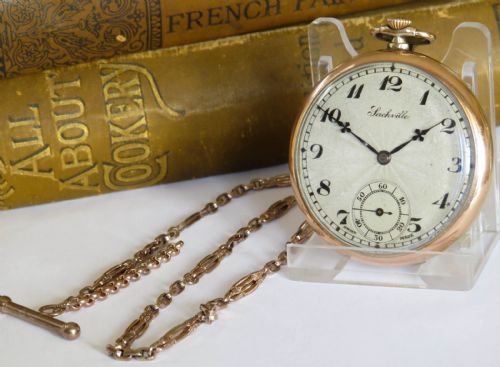
Cases utilise solid 9ct gold, 18ct gold, and gold plate, often paired with glass crystals protecting the dial and enamel accents on the face. Leather straps appear frequently on wristwatches, while pocket watches connect to chains of matching metal.
Internal movements rely on steel and brass components, driven by mainsprings and regulated by balances that require manual winding or automatic rotor movement. Enamel dials display painted numerals, while subsidiary seconds dials and calendar apertures appear on select movements.
Gold Mechanical Watch Retail Price Guide 2026
Typical asking prices for gold mechanical watch among the pieces listed under this phrase on Sellingantiques today, from the lower quarter to the upper quarter. They describe what is for sale here now, not the wider market.
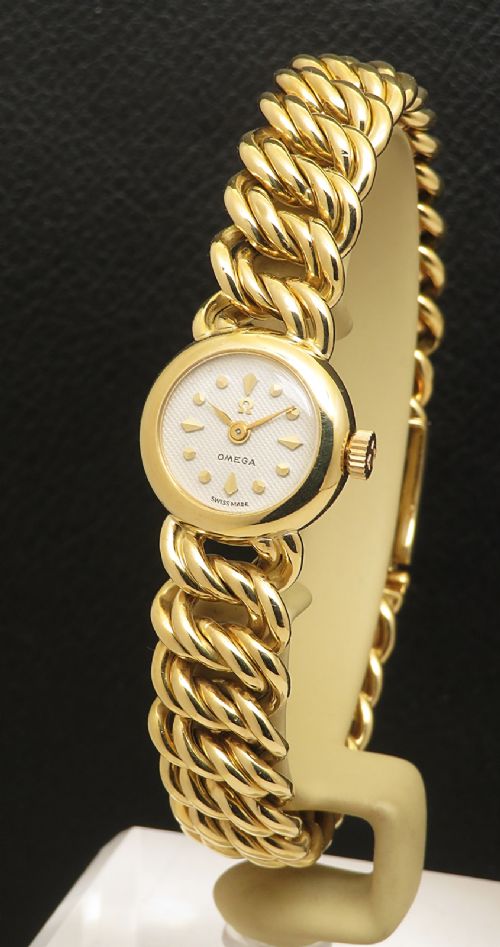
Some mid-century ladies' cocktail watches disguised timekeeping entirely beneath heavy gold bracelets that doubled as evening jewellery.
Distinctions in quality
Quality diverges between mass-produced utility movements and higher-jewel calibres produced by renowned horological houses. Solid gold cases carry greater intrinsic value and durability compared to gold-plated alternatives.
The presence of original boxes, papers, and matching chains elevates a piece. Furthermore, the crispness of case hallmarks, the preservation of enamel dials, and the complexity of the internal movement distinguish finer examples.
George Edward Frodsham·Waltham·Omega·Rolex Wilsdorf and Davis·Thomas Russell and Son·Lange and Sohne·Elgin·Smiths·IWC·Zenith
The Gold Mechanical Watch Glossary
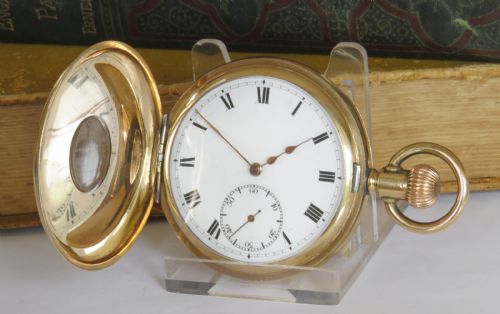
- Half hunter
- A pocket watch featuring a case cover with a glass or open centre circle, allowing the user to read the hands without opening the case.
- Full hunter
- A pocket watch fitted with a solid metal hinged cover that completely protects the dial until released by a push-piece.
- Fob watch
- A small pocket watch designed to be worn attached to a short chain or ribbon, frequently pinned to clothing.
- Calibre
- The specific manufacturer's designation for a particular watch movement design and size.
- Fusee
- A conical pulley used in older pocket watches to equalize the power of the mainspring as it unwinds.
Gold Mechanical Watch: Frequently Asked Questions
How do I wind a mechanical watch?
Turn the crown clockwise between your thumb and forefinger until you feel slight resistance. Stop immediately to avoid damaging the mainspring.
For daily wear, wind the watch at the same time each morning to maintain consistent tension and accurate timekeeping.
Can I wear a vintage watch daily?
Many vintage pieces handle regular wear if treated with care. However, older watches lack modern water resistance and shock protection.
Keep them away from moisture, magnetic fields, and heavy impacts to preserve the delicate internal mechanics.
What is a lever escapement?
The lever escapement is the internal mechanism that transfers energy to the balance wheel while locking the gear train between beats. It produces the characteristic ticking sound.
Invented in the eighteenth century, this mechanism greatly improved timekeeping accuracy in both pocket watches and wristwatches.
How do I date a gold watch?
Examine the hallmarks inside the case back for official assay office symbols and date letters. Serial numbers on the movement also match manufacturer records.
Comparing these stamps against historical reference tables reveals the exact year of production.