
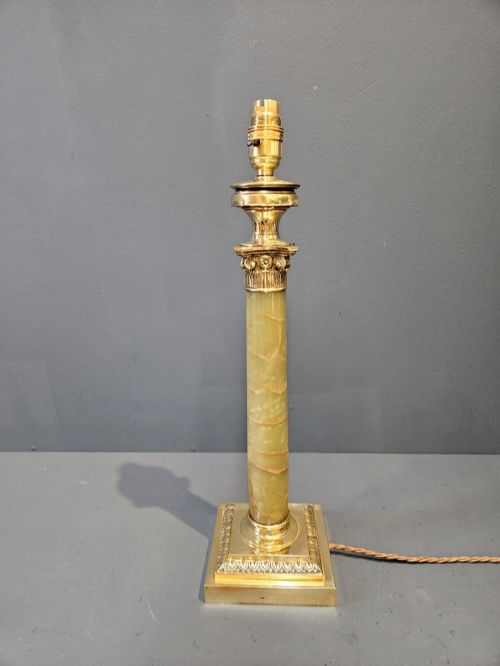


Gold Marble Table Lamp
A gold marble table lamp brings solid stone and warm metal together to anchor a room with calm weight.
Gold Marble Table Lamp
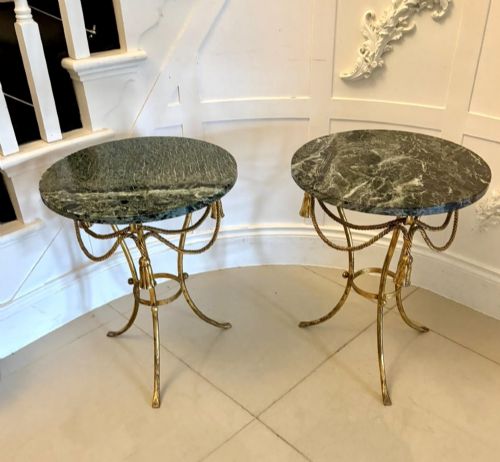
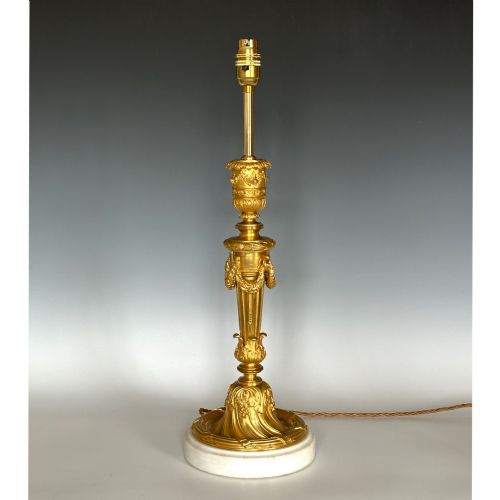
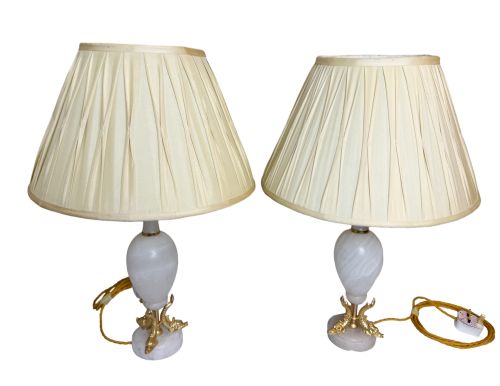
A gold marble table lamp unites polished natural stone with cast and gilded metal fittings to create a functional light source with architectural presence. The stones range from dense white varieties to rich green verde marble and warm onyx, paired with brass, ormolu, and gilt bronze. These pieces appear frequently in French Neoclassical, Louis XVI, and Victorian styles, reflecting heavy decorative influences from the nineteenth and early twentieth centuries.
Most examples on this page date from the late Victorian and Edwardian eras up to the nineteen-thirties, spanning periods from eighteen-eighty to nineteen-thirty. Forms vary from urn-shaped bodies and classical columns to integrated side table combinations designed to hold light fixtures. French workshops dominate the selection, bringing ornate rococo curves and disciplined neoclassical symmetry to the medium.
Buyers look for these lamps to introduce textural contrast and period character into domestic interiors. The combination of cold polished marble and warm gilded metal catches ambient light even when the bulb remains unlit. They sit comfortably on sideboards, desks, and occasional tables, functioning as both sculpture and illumination.
Materials and construction
Makers shaped the stone bases on lathes or cut them by hand, achieving smooth cylindrical, square, or urn profiles that display the natural veining of marble and onyx. This heavy mineral foundation provides the necessary ballast to support tall shades and brass fittings without tipping. Artisans selected stone blocks for colour consistency and decorative grain patterns.
Metal components rely on traditional foundry techniques, utilising cast brass, bronze, and gilt metal shaped into classical mounts, acanthus leaves, and claw feet. Fire-gilding and applied ormolu finishes impart a deep golden lustre that contrasts against the darker tones of the stone. Craftsmen secured the heavy stone and metal sections using threaded central rods and bolts hidden within the core.
A nineteenth-century bronze figure of a young girl blowing a kiss doubles as an unexpected domestic light source.
What separates the grades
Quality rests in the crispness of the metal chasing and the density of the stone. Superior pieces feature hand-finished bronze or ormolu mounts where fine details in hair, drapery, and foliate scrolls remain sharp and well-defined. Lower tiers rely on simpler stamped brass components or softer cast metal with blurred surface definition.
The choice and preparation of the marble also set the better examples apart. High-grade lamps employ solid, thick-cut blocks of stone with harmonious natural veining and tight joints, free from clumsy repairs or filler patches. Inferior items may use thin stone veneers over cheaper core materials or display visible fissures that weaken the structural integrity of the base.
The Gold Marble Table Lamp Glossary
- Ormolu
- Finely chopped gold amalgamated with mercury and applied to bronze through heat gilding. This historical French technique creates a rich, matte golden surface that resists tarnishing.
- Verde marble
- A dense, dark green stone often mottled with white calcite veins. It provides a striking, high-contrast pairing for bright gilt metal mounts.
- Neoclassical
- A decorative style inspired by the art and architecture of classical antiquity. It emphasises symmetry, straight lines, and restraint.
- Giltwood
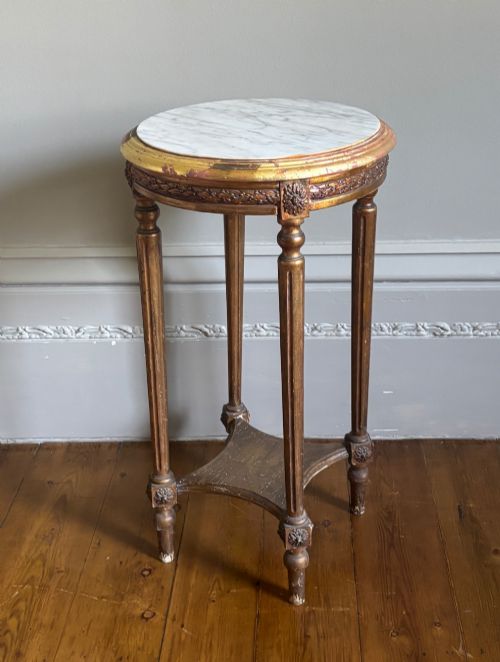
- Timber coated with a thin layer of gold leaf or gold paint. It frequently appears on table frames and occasional furniture associated with these lamp stands.
- Toleware
- Painted and lacquered metalware used for shades and bodies. It adds dark contrasting tones to polished stone and bright gilding.
Gold Marble Table Lamp: Frequently Asked Questions
How do I wire an old lamp safely?
Historic lamp bases often retain original wiring that fails to meet modern safety standards. A qualified electrician can replace the internal cord and lampholder while preserving the external antique components.
Rewiring ensures the metal body and brass fittings are properly earthed, protecting your home without altering the visible character of the piece.
What shades suit these lamp bases?
Classic fabric shades with simple pleats or neutral linen textures complement the heavy stone and metal bodies without competing for attention. Silk and parchment options diffuse light softly across the gilded surfaces.
Proportion matters greatly with heavier bases; choose a shade width that balances the substantial weight of the marble below.
How do I clean marble safely?
Dust the stone regularly with a soft, dry cloth to prevent grit from scratching the polished surface. Avoid acidic household cleaners, vinegar, and abrasive pads that permanently etch marble.
For stubborn marks, use a damp cloth with mild soap, drying the stone immediately afterward to maintain its natural sheen.
How do I date these lamps?
Examine the casting quality of the metal, the style of the switch, and the type of plug or wiring if original components survive. Stylistic cues such as Edwardian neoclassical revival or nineteen-thirties art deco lines offer strong chronological markers.
Comparing the turned profile of the marble to documented furniture styles from eighteen-eighty to nineteen-thirty helps narrow the period further.