



Gold Maki E
Gold maki e pieces are intricate Japanese lacquer works enriched with metallic powder, offering a tactile elegance that collectors prize for its meticulous detail.
Gold Maki E
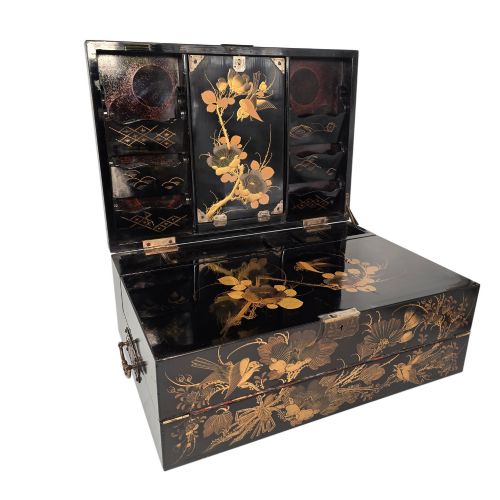
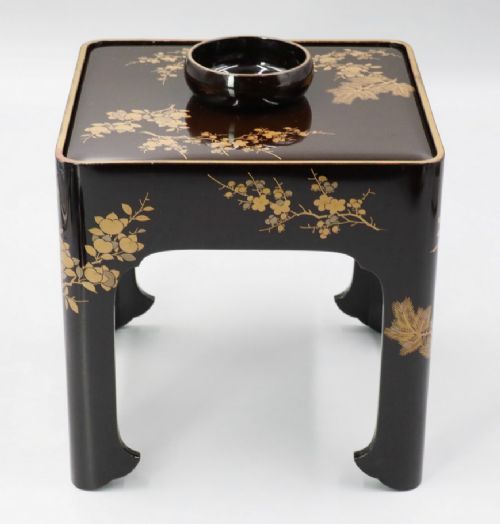
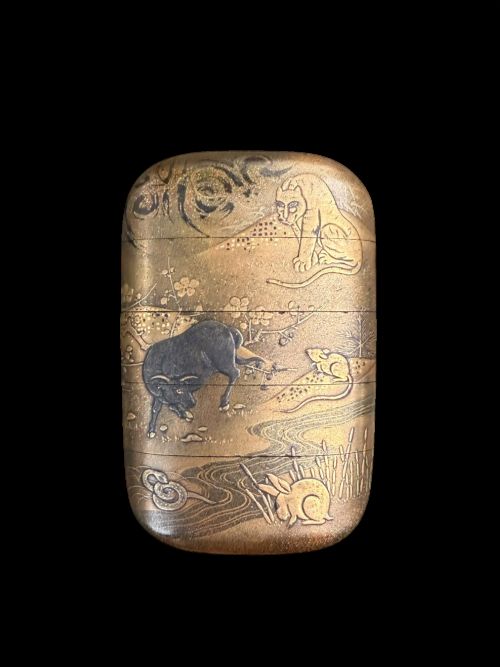
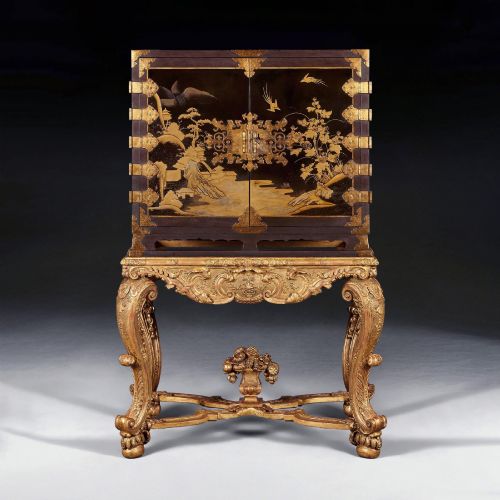
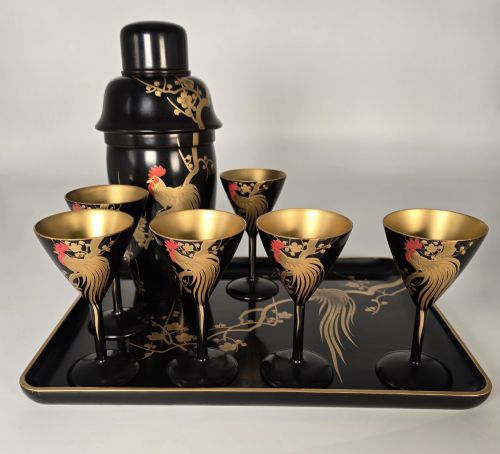
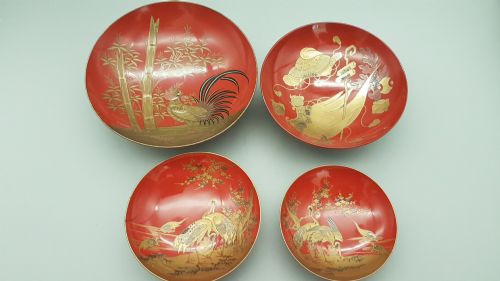
When you search for gold maki e, you encounter a refined selection of Japanese objects including writing boxes, inro, cabinets, and sake cups spanning from the seventeenth century through the Meiji and Taisho periods.
The pieces on this page frequently date from the nineteenth century and the Meiji period, representing both traditional domestic items and exports created for European interiors.
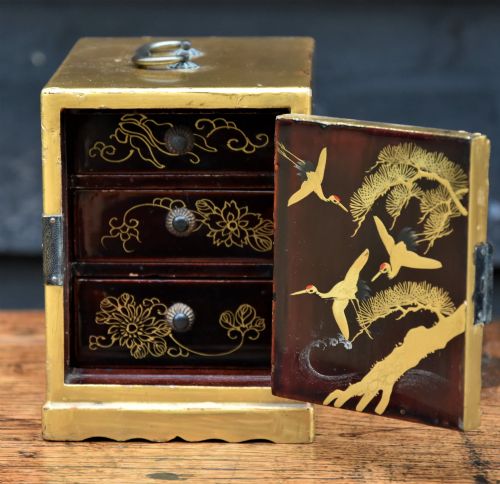
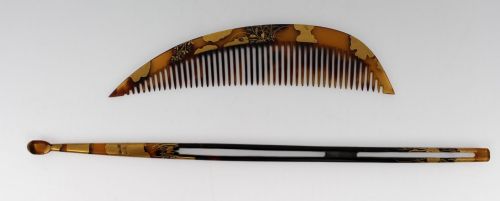
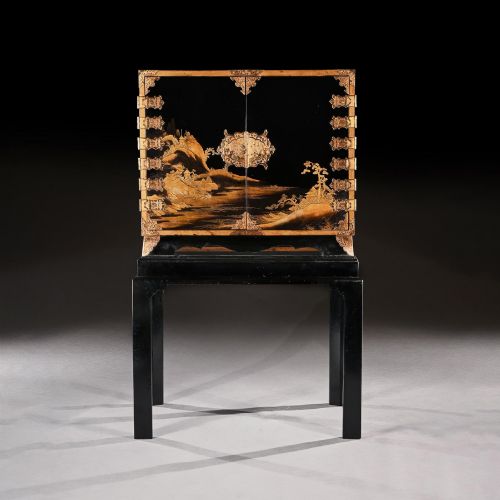
Forms range from small personal accessories like hair ornaments and jewellery boxes to larger table cabinets and cabinets on stands, illustrating the diverse application of lacquer artistry.
How they were made
Items are constructed using wood bases coated in urushi lacquer, building up durable surfaces that receive metallic details through the application of gold leaf and gilt.
Craftsmen applied successive layers of sap from the lacquer tree, sprinkling gold and other metal powders onto the wet surface before polishing to achieve a luminous finish.
Gold Maki E Retail Price Guide 2026
Typical asking prices for gold maki e among the pieces listed under this phrase on Sellingantiques today, from the lower quarter to the upper quarter. They describe what is for sale here now, not the wider market.
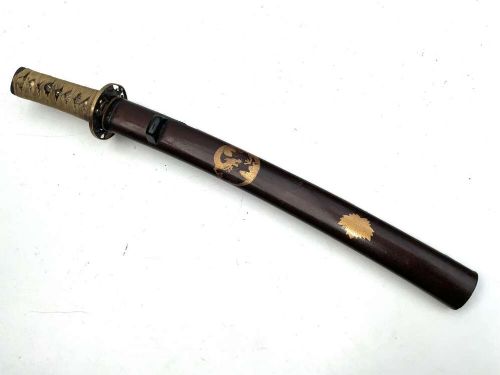
Tiny sake cups share space with towering samurai swords, proving that historic Japanese craftsmen were ready for both tea and trouble.
What varies in quality
The standard of a piece rests on the precision of the lacquer ground and the finesse of the metallic decoration, distinguishing routine export items from superior works.
Depth of detail in the hand painting and the integration of metal elements dictate the visual resonance of cabinets, boxes, and smaller personal items.
The Gold Maki E Glossary
- Urushi Lacquer
- A natural resin derived from the sap of the lacquer tree used to form a hard, durable coating on wooden objects. It provides the smooth foundation essential for applying metallic decoration.
- Inro
- A traditional Japanese small container for carrying medicines or sealants, suspended from a sash. These stacked cases frequently feature intricate surface designs.
- Kodansu
- A small Japanese table cabinet utilised for storing valuables or documents. They often stand on fitted bases and display elaborate surface artistry.
- Meiji Period
- The era in Japanese history spanning from eighteen sixty-eight to nineteen twelve, noted for the opening of trade and the proliferation of decorative export arts.
Gold Maki E: Frequently Asked Questions
How were inro used?
Inro served as portable stacked containers suspended from traditional Japanese garments to carry personal items like seals or medicines.
Their compact modular sections were held together by cords and secured with a decorative toggle.
How do I care for lacquer?
Lacquer requires stable environmental conditions away from direct sunlight and extreme humidity to prevent the wood base from moving and the surface from cracking.
Dusting gently with a soft dry cloth maintains the finish without risking abrasion to the delicate metallic layers.
How are periods told apart?
Periods are identified through stylistic shifts, structural characteristics, and the integration of European stands or mounts seen on pieces from the seventeenth century versus later Meiji works.
Early items often reflect traditional feudal aesthetics, while nineteenth-century pieces frequently balance domestic utility with international export tastes.