






Gold Leaf Miniature Frame
A gold leaf miniature frame wraps small portraits and paintings in rich metalwork, offering an intimate window into past centuries.
Gold Leaf Miniature Frame
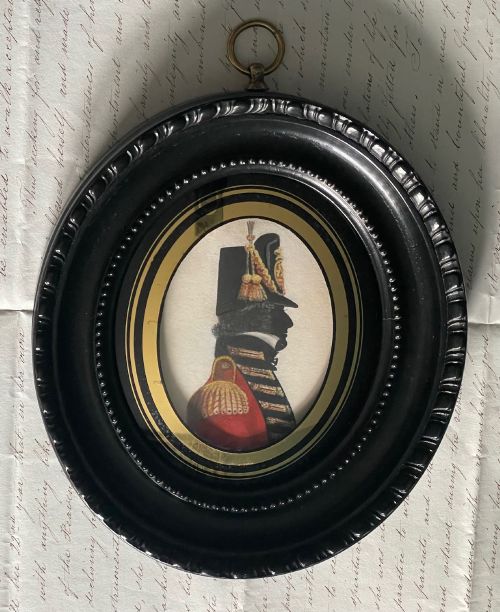
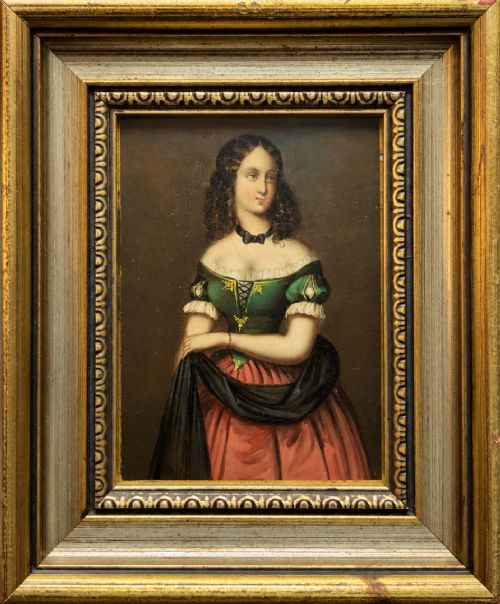
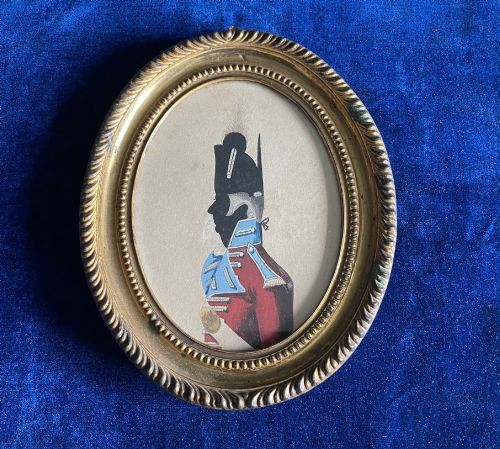
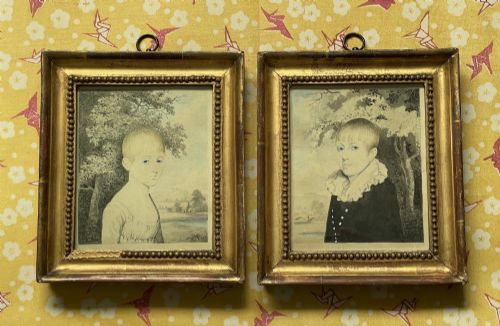
A gold leaf miniature frame houses small-scale artworks such as watercolour portraits, silhouettes, and gouache paintings. These pieces often originate from the eighteenth and nineteenth centuries, spanning periods from the Georgian era through to the Victorian age.
The most common formats on this page are oval or rectangular wooden profiles finished in giltwood or gilt metal. They frequently accompany portrait miniatures, framing likenesses of family friends, military officers, and theatrical figures.
Beyond standard frames, the listings include specialised forms like miniature wall mirrors and frames fitted with glass panels or stands. These objects reflect the diverse ways delicate artworks were displayed on desks or hung in intimate rooms.
Materials and construction methods
Makers constructed these frames primarily from wood, applying thin sheets of gold leaf over a prepared gesso base to achieve a brilliant metallic sheen. Gilt metal also appears in specific designs, offering a heavier, cast alternative to carved wooden mouldings.
Paper, glass, and specialised backings protect the delicate watercolours, pastels, and silhouette cutouts housed within. The craftsmanship relies on precise joinery and fine surface gilding suited to the small scale of the artwork.
Gold Leaf Miniature Frame Retail Price Guide 2026
Typical asking prices for gold leaf miniature frame among the pieces listed under this phrase on Sellingantiques today, from the lower quarter to the upper quarter. They describe what is for sale here now, not the wider market.
Periods represented span the eighteenth century, the Georgian era, the Regency period, and the nineteenth century.
Evaluating craftsmanship and condition
Quality rests on the crispness of the carving and the depth of the gilding across the wooden moulding. Superior examples retain their original gold leaf surface without heavy overpainting or loss of underlying detail.
The harmony between the miniature artwork and its surrounding frame dictates overall distinction. Pieces that retain their period glass, backing papers, and original fastenings command greater appreciation from collectors.
John Buncombe·Anna Tonelli·James Sharples·George Hargreaves·Louis Léopold Boilly·Ozias Humphry
The Gold Leaf Miniature Frame Glossary
- Giltwood
- Wood that has been coated with gold leaf or a gold-coloured metallic finish. This technique creates a luminous surface that catches low candlelight in period interiors.
- Silhouette
- A portrait represented as a solid shape of a single colour, usually black, outlined or cut from paper. These profiles were immensely popular during the Georgian and Regency periods.
- Chrystoleum
- A photograph or print applied to glass, made transparent with oil, and hand-painted from the back. They frequently appear in ornate period frames from the nineteenth century.
- Gouache
- An opaque watercolour paint consisting of pigment suspended in water and a binding agent. It provides dense, matte colour fields in miniature landscape and portrait works.
Gold Leaf Miniature Frame: Frequently Asked Questions
How were gold leaf miniature frames displayed?
These small frames were traditionally hung closely together in intimate spaces like boudoirs or study rooms, creating clusters of family likenesses. Some versions included small metal stands to allow placement on dressing tables or writing desks.
Their portable scale meant owners could move them easily or pack them for travel, keeping the likenesses of loved ones close at hand.
What subjects typically appear inside these frames?
The artworks inside range from detailed watercolour and oil portraits of gentlemen and ladies to delicate paper silhouettes. Artists also recorded children, military officers, and theatrical actors in these compact formats.
Occasionally, the frames enclose pastoral scenes or religious subjects, demonstrating the wide variety of miniature art produced during the eighteenth and nineteenth centuries.
How can I distinguish a Georgian frame from a Victorian one?
Georgian and Regency frames often feature restrained Neoclassical lines or simpler oval wooden profiles with hand-applied gilding. Victorian examples tend towards heavier ornamentation, reflecting styles like the Florentine Revival.
Examining the construction methods on the reverse, along with the materials used for the backing paper and fixings, helps confirm the correct period.
Can I replace the glass in an antique frame?
Original hand-blown glass often shows minor surface bubbles and slight imperfections that collectors value for authenticity. Replacing missing or broken glass requires sourcing thin, clear panes that fit the shallow rabbet of the antique moulding without damaging the frame.