

Gold Leaf Landscape Frame
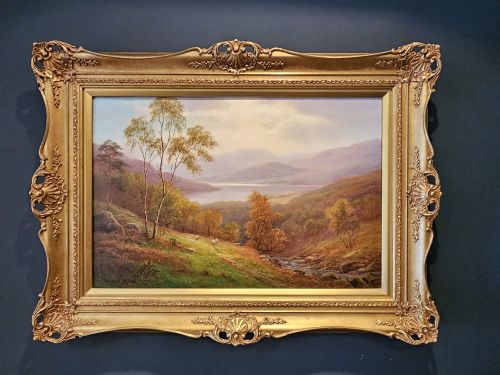
A gold leaf landscape frame holds the eye long before you study the canvas or glass it protects.
Gold Leaf Landscape Frame
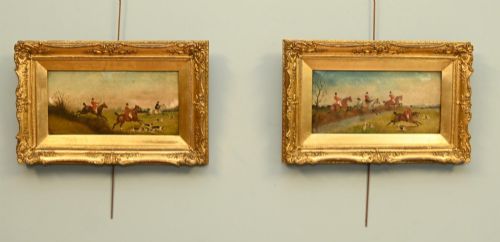
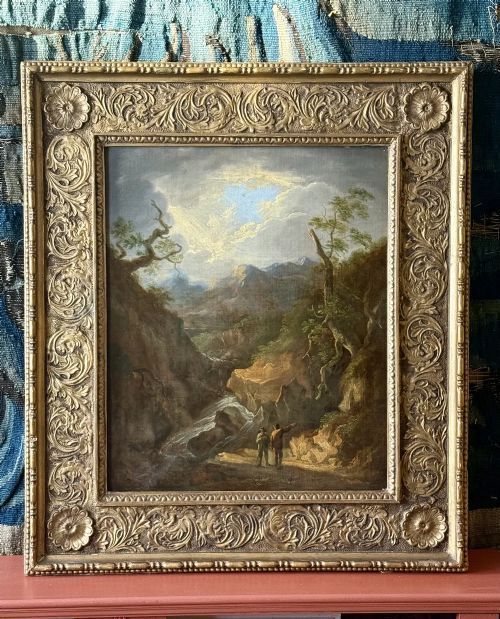
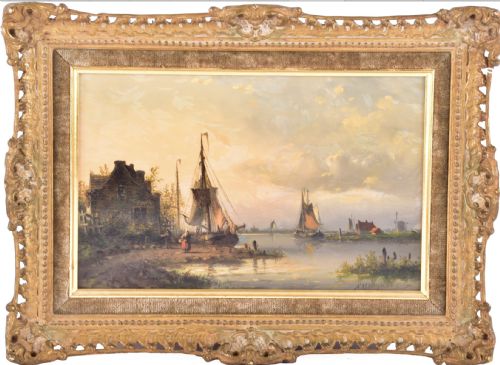
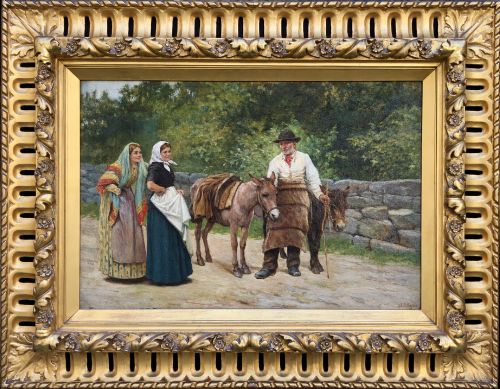
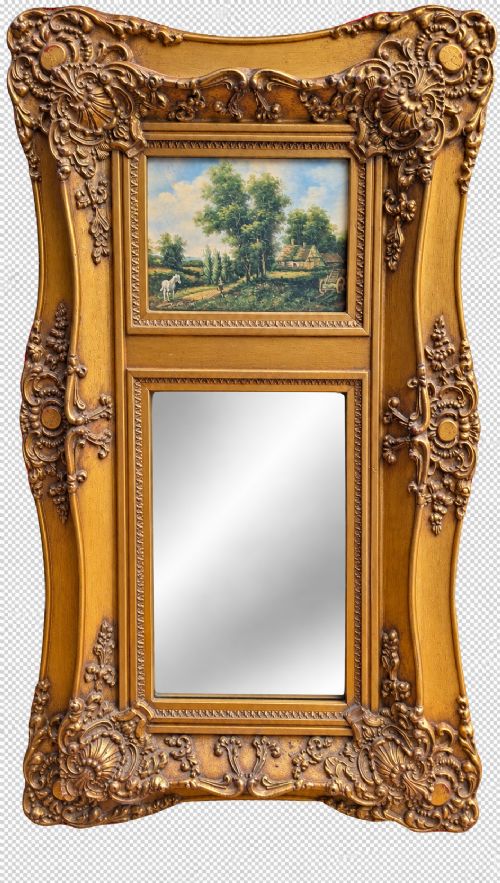
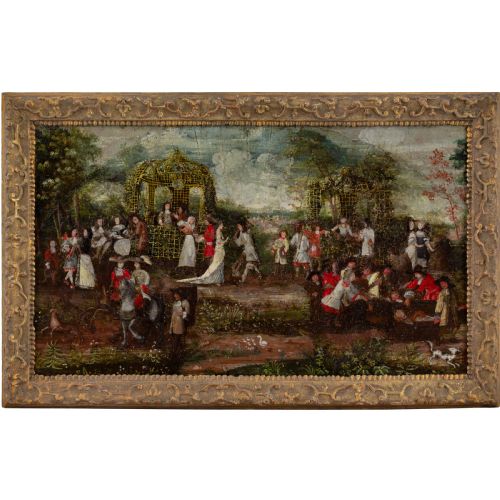
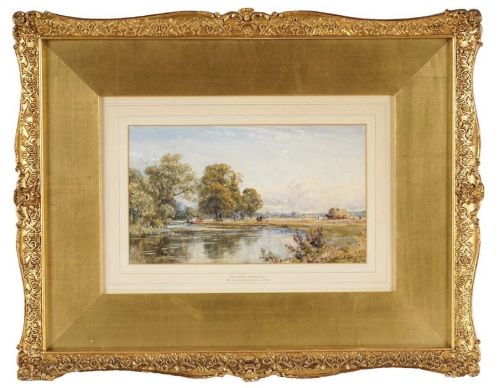
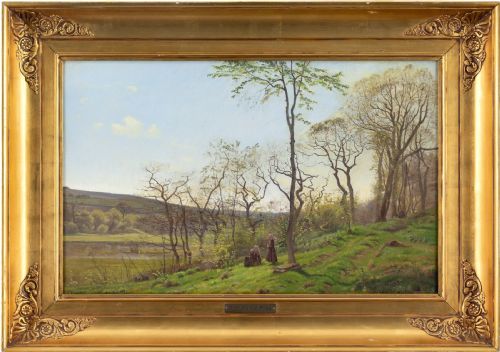
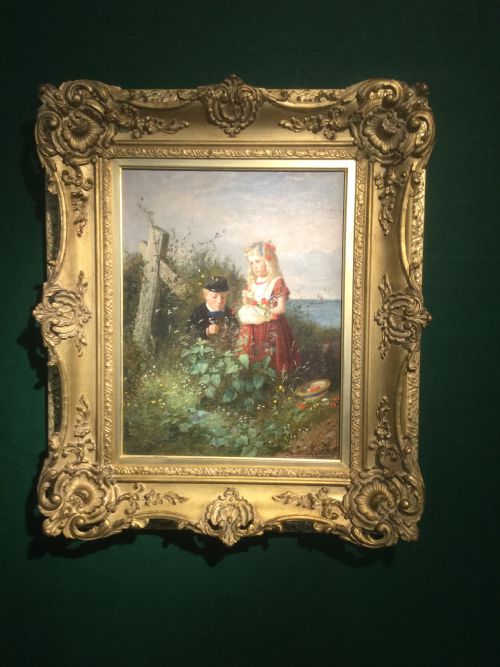
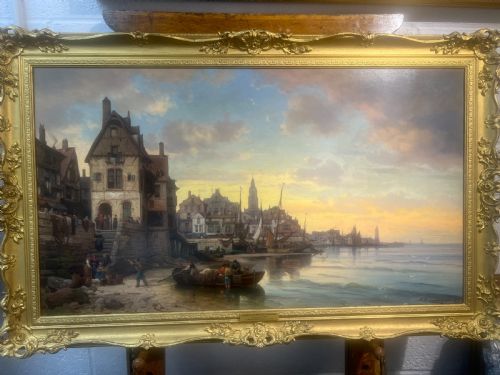
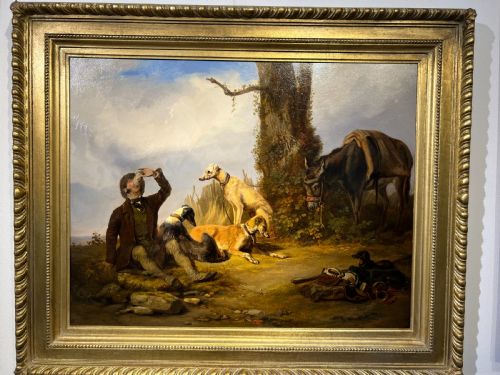
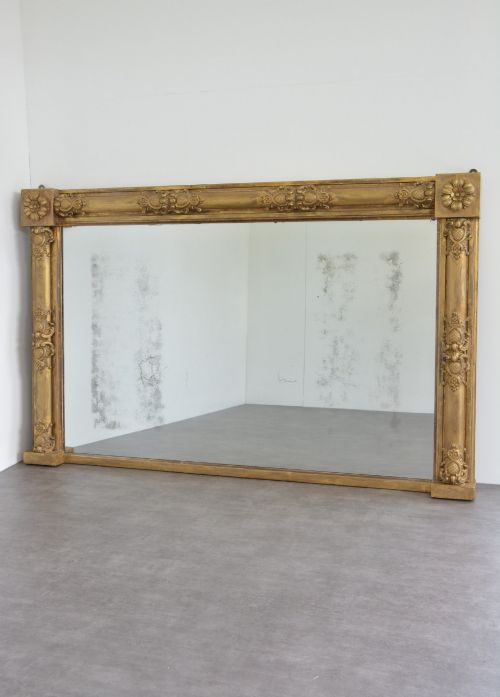
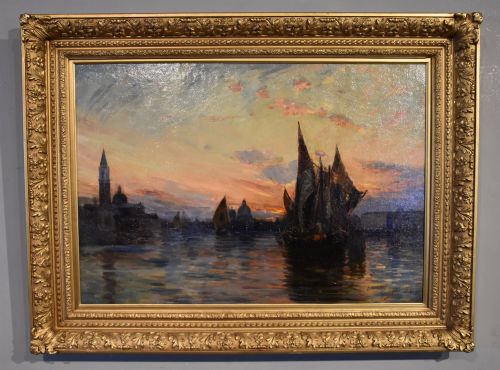
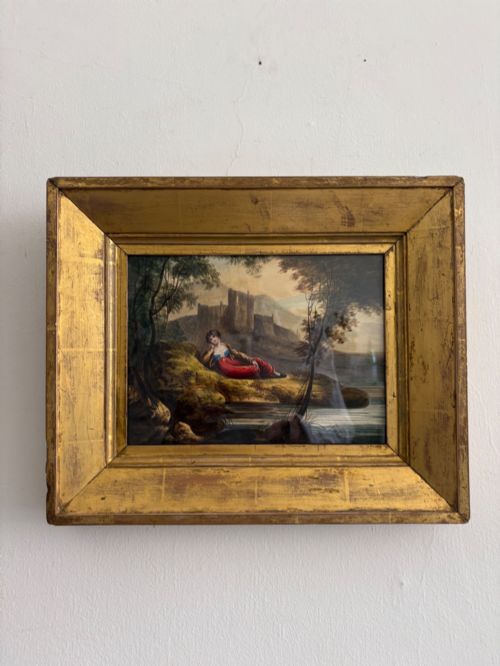
A gold leaf landscape frame surrounds oil paintings, watercolours, needlework pictures and overmantel mirrors created across multiple centuries. When you search for a gold leaf landscape frame, you encounter surrounds forged from wood, gesso and giltwood designed to frame horizontal views of nature, townscapes and interiors.
The selections span seventeenth-century Flemish panels, nineteenth-century British watercolours and Regency wall mirrors. These pieces unite traditional craftsmanship with the decorative requirements of historic domestic interiors.
Materials and construction
Artisans built the structural cores of these surrounds using timber, applying layers of gesso to create smooth surfaces for carving and gilding. Craftsmen then laid fine sheets of gold leaf over the prepared ground to achieve a luminous metallic finish.
Moulded ornamentation on nineteenth-century examples often utilised cast composition applied directly to the wooden rails. This combination of carved wood, gesso and metal leaf created durable housings that protected fragile canvases and works on paper.
Listings feature works from the seventeenth century through to the Edwardian era, incorporating oil on canvas, watercolour, and carved giltwood.
Evaluating the craftsmanship
The depth and crispness of the carved ornament distinguish finer examples from standard commercial production. Hand-carved wooden mouldings retain sharp profiles and intricate detailing that mass-produced composition ornament lacks.
The integrity of the original gilding surface dictates the visual weight of the piece. Surviving gilding that shows honest patination without aggressive cleaning preserves the intended warmth of the gold leaf.
Bonaventura Peeters·Sir Henry Landseer·Thomas Sidney Cooper·Cornelis Van Poelenburgh
The Gold Leaf Landscape Frame Glossary
- Giltwood
- Wood that has been coated with gold leaf or gold paint. This finish provides the characteristic metallic sheen seen on historic picture frames and mirrors.
- Gesso
- A plaster mix applied to a wooden frame base to create a smooth surface for gilding. Artisans carved intricate patterns directly into this hardened layer.
- Overmantel mirror
- A large horizontal looking glass designed to hang above a fireplace mantel. These architectural pieces often share identical gilding techniques with large landscape picture frames.
- Foxed glass
- Mirror plates showing small dark spots caused by age and oxidation. This chemical change alters the reflection and confirms the vintage nature of the glass.
Gold Leaf Landscape Frame: Frequently Asked Questions
How do I date a gold leaf frame?
Dating relies on examining the underlying construction timber, the composition of the gesso layer, and the style of the corner ornaments. Earlier pieces often display hand-carved wooden details, while later nineteenth-century examples frequently incorporate moulded plaster elements.
Changes in fastener types, backing boards, and the specific hue of the gold leaf further assist in placing the object within a precise decorative period.
Can I put a new painting into an antique frame?
Placing a new canvas into a period surround is possible provided the rebate dimensions match the thickness and width of the artwork. Many collectors pair contemporary landscapes with historic frames to create a deliberate contrast in eras.
Careful measurement of the internal aperture prevents damage to the delicate gesso and gold leaf edges during insertion.
How should I clean a giltwood frame?
Maintenance requires only gentle dusting with a soft, dry artist brush to remove surface particulate matter without disturbing the metal leaf. Water and chemical solvents must be avoided entirely because moisture strips fragile historical gilding from the gesso ground.
Professional conservation is necessary if the structural wood or surface finish shows active deterioration.
Why are some frames heavier than others?
Weight differences depend on the density of the underlying timber and the thickness of the applied gesso layers. Nineteenth-century overmantel frames utilise substantial pine or hardwood foundations to support large glass plates safely.
Smaller watercolours use lighter wooden battens that reduce overall mass while maintaining structural rigidity.