



Gold Leaf Girandole Mirror
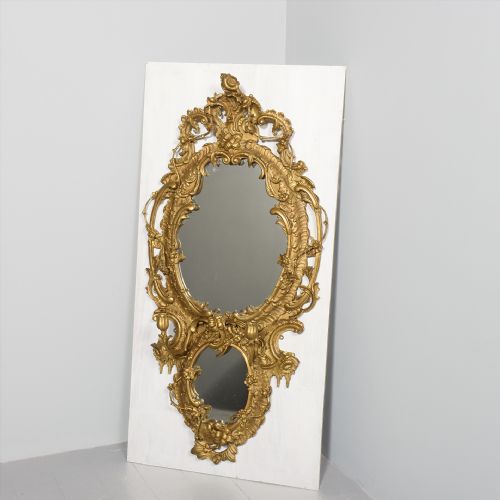
These gold leaf girandole mirror pieces bring striking candlelight and grand reflection to a room, spanning centuries of skilled craftsmanship.
Gold Leaf Girandole Mirror
A gold leaf girandole mirror combines reflective glass with integrated candle sconces, designed to multiply the warm glow of candlelight across a room. When searching for a gold leaf girandole mirror, buyers encounter impressive forms originating from the Regency, Georgian, and Victorian periods.
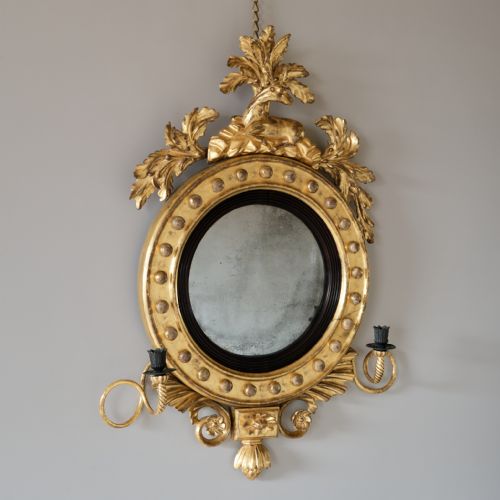
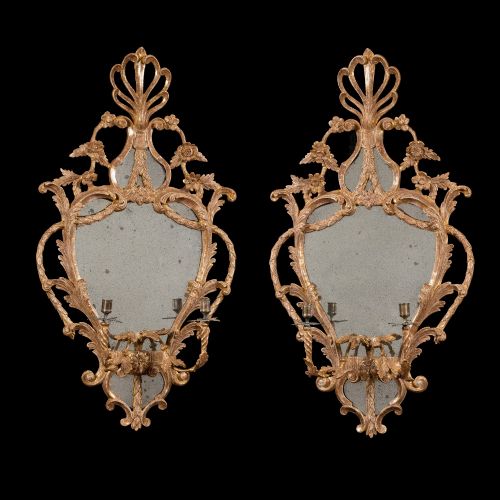
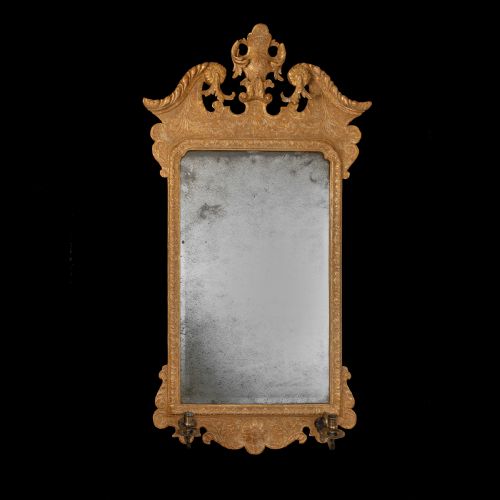
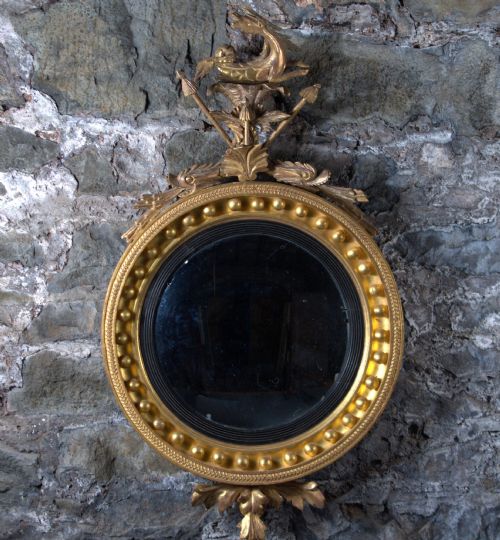
The selection ranges from circular convex convex glasses framed in carved giltwood to grand Rococo Revival and Neoclassical wall pier mirrors. Surviving examples often appear as matched pairs from the late eighteenth century and the early twentieth century.
Makers utilised traditional wall mirror formats alongside specialised wall sconces, incorporating carved details like dragons, rope twists, and ornate foliage. These pieces served both a functional lighting purpose and a decorative role in principal rooms.
Materials and construction methods
Carved giltwood and gesso form the primary structure of these frames, providing a stable wooden base for intricate ornamentation. Artisans applied thin layers of gold leaf over prepared gesso grounds to achieve a brilliant, enduring metallic finish.
Glass production involved mirror glass and convex lenses, often housed within robust timber or metal armatures. Workshops combined brass fittings and gilt metal components to secure the candle arms firmly to the main mirror frame.
Materials recorded on this page include giltwood, glass, brass, gesso, metal, ebonised wood, mirror glass, and gold leaf.
Distinctions in quality
The depth and crispness of the hand-carved wood ornamentation distinguish finer pieces from simpler mouldings. Superior examples show meticulous application of gold leaf and well-balanced proportions between the glass plate and the candle sconces.
The preservation of the original gilt surface and the clarity of the antique mirror glass influence the character of each piece. Frames with deeply articulated carving and intact structural joinery represent the higher tier of these historical items.
The Gold Leaf Girandole Mirror Glossary
- Girandole
- A wall mirror fitted with one or more arms for holding candles. The reflective glass serves to multiply the ambient light in the room.
- Giltwood
- Timber that has been coated with gold leaf or gold paint. This technique protects the wood while providing a luxurious metallic sheen.
- Gesso
- A plaster-like mixture applied to wood frames to create a smooth surface for gilding. It allows carvers to achieve sharp, detailed relief work.
- Convex mirror
- A curved mirror that reflects a wide, distorted panoramic view of the room. Regency examples frequently utilise this optical form.
- Rococo
- An ornate artistic style characterised by asymmetrical curves, scrolls, and naturalistic plant motifs. It heavily influenced eighteenth-century mirror frames.
Gold Leaf Girandole Mirror: Frequently Asked Questions
Where were these hung historically?
These mirrors typically hung between windows on piers of wall space to maximise natural light during the day. At night, the attached candle sconces were lit to illuminate the surrounding interior.
Positioning them opposite a window allowed the glass to bounce daylight further into dimly lit Georgian and Regency rooms.
How do I spot a Regency convex mirror?
Regency convex mirrors are instantly recognisable by their circular frames and deeply curved glass plates. They frequently feature decorative motifs such as ebonised reeded inner rings and carved crests.
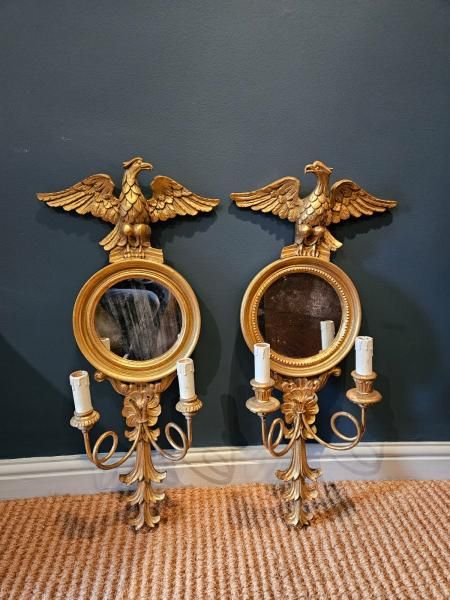
Many examples include an eagle perched on top or ornate candle arms extending from the lower section of the frame.
Are pairs common for these mirrors?
Matched pairs appear frequently across eighteenth, nineteenth, and early twentieth-century listings. They were originally manufactured to flank a fireplace, doorway, or large window for symmetrical interior decoration.
Finding a surviving pair preserves the intended balance of a formal historic room layout.
How should I clean a giltwood frame?
Giltwood frames require gentle maintenance using a soft, dry brush to remove dust. Moisture and modern chemical cleaners can damage delicate gold leaf and historical gesso.
Keeping the piece away from direct heat sources and damp environments protects the fragile materials over time.