
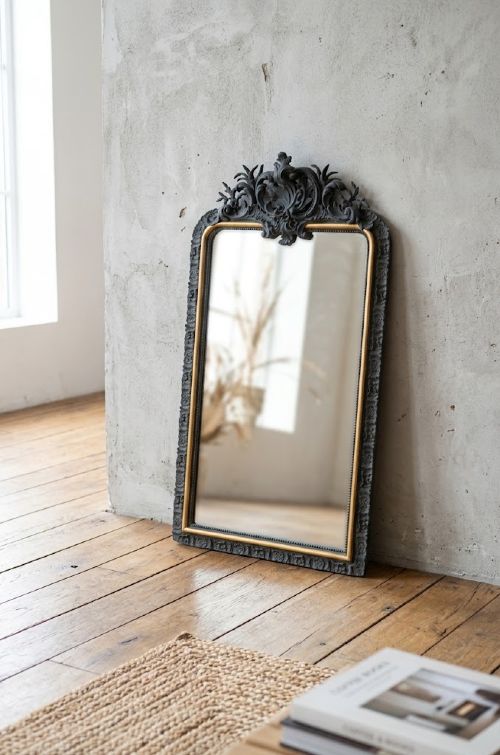
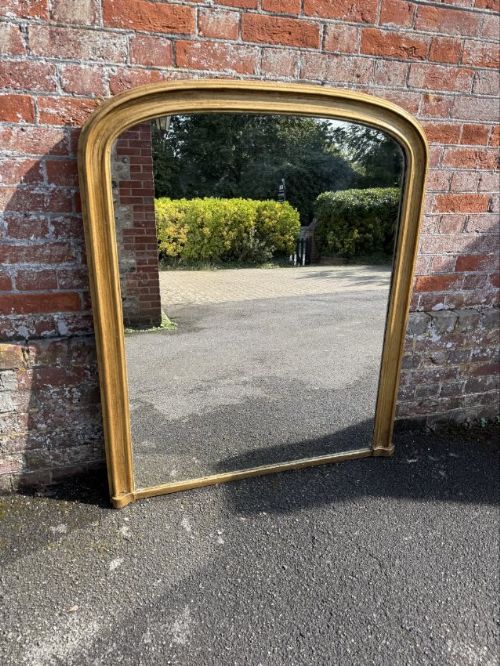
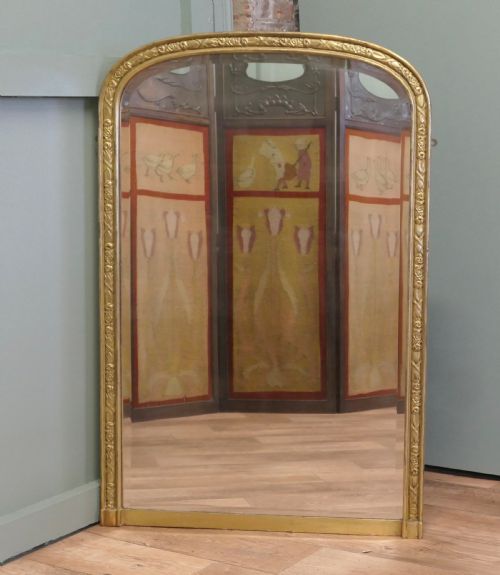


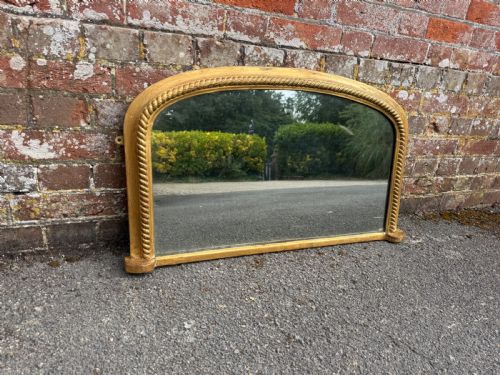
Gold Leaf Arched Mirror
A gold leaf arched mirror brings scale and reflected light into a room, drawing the eye with curved timber frames and gilded surfaces.
Gold Leaf Arched Mirror
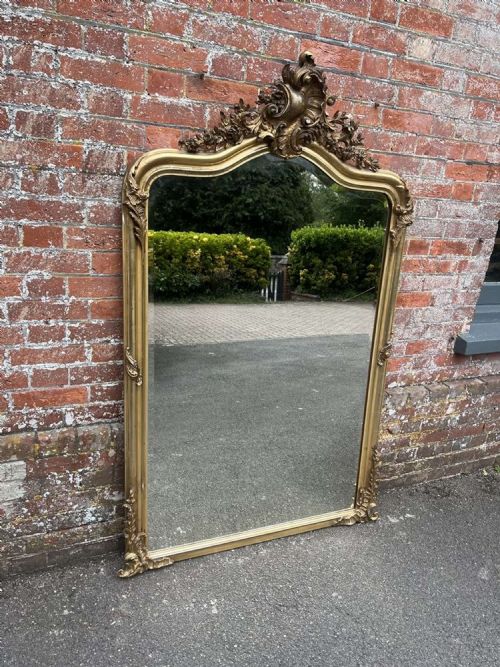
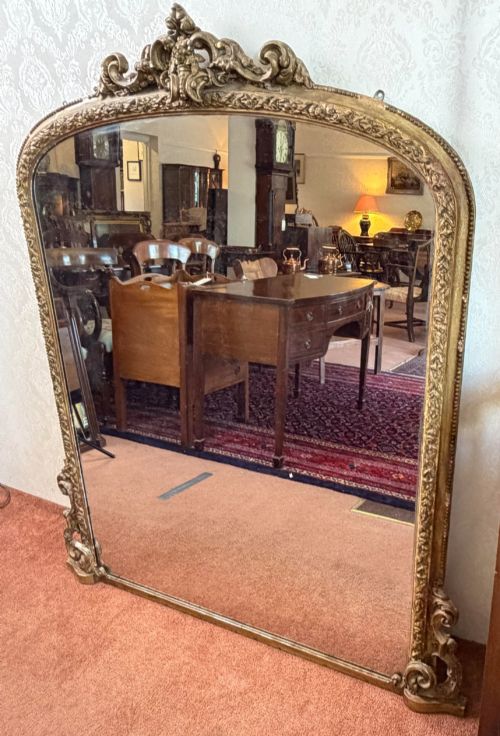
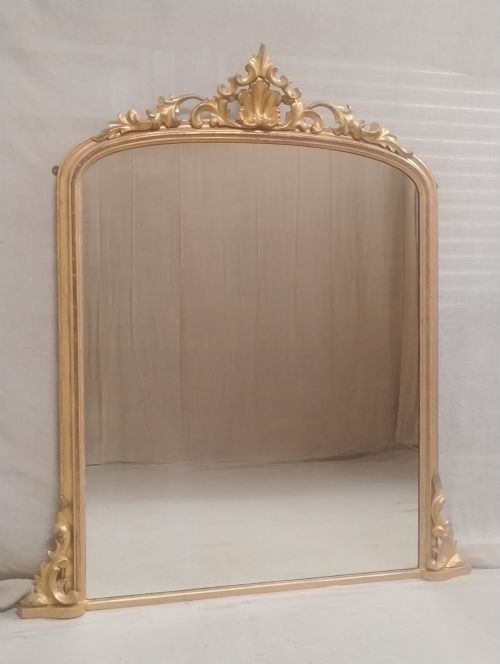
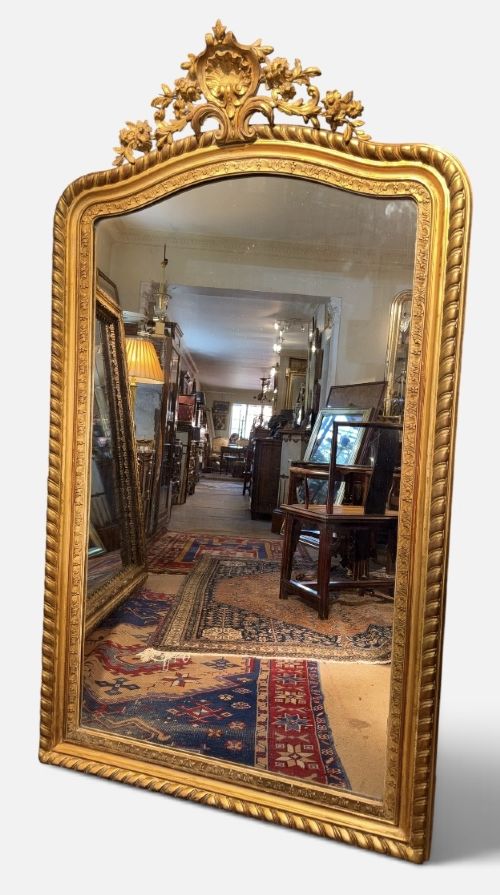
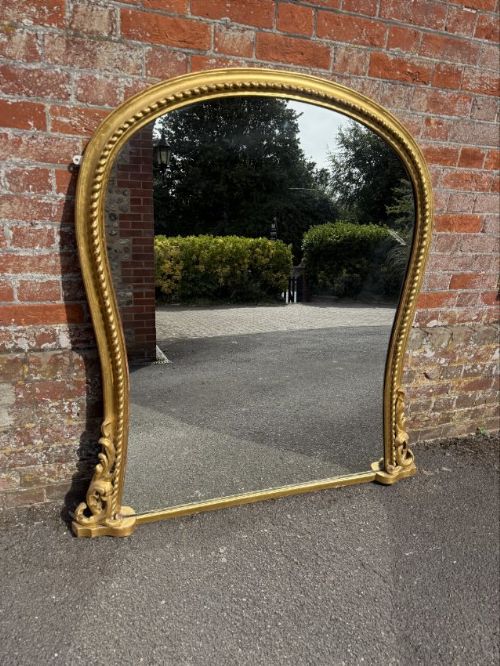
A gold leaf arched mirror serves principally as a grand overmantel or wall hanging, designed to dominate a chimney breast or principal wall. The selection centres heavily on nineteenth-century pieces, spanning Georgian, Victorian, and Edwardian eras alongside French Louis Philippe and Rococo styles.
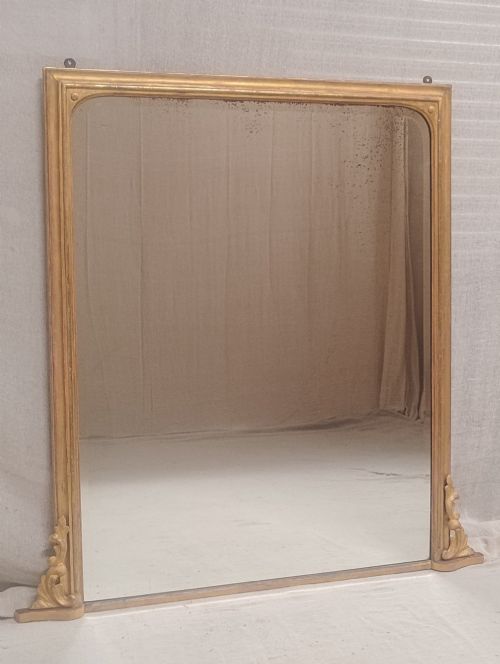
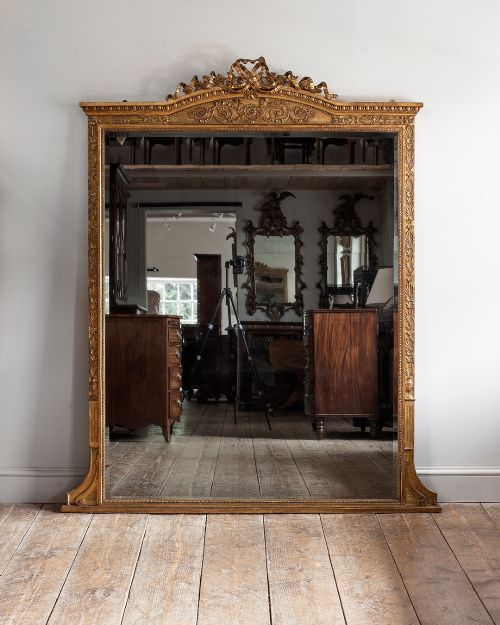
English and French workshops produced these arched forms in large proportions, often intended to sit directly above a fireplace. Overmantel mirrors and tall pier mirrors dominate the selection, bringing architectural presence and period character to domestic interiors.
Construction and gilding
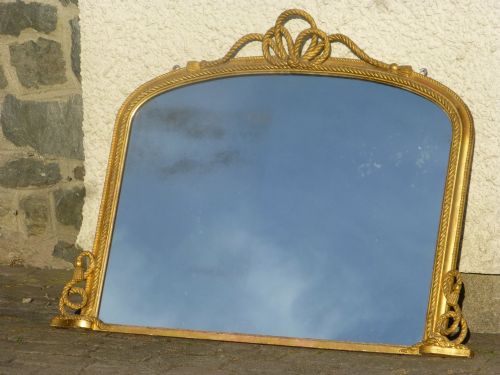
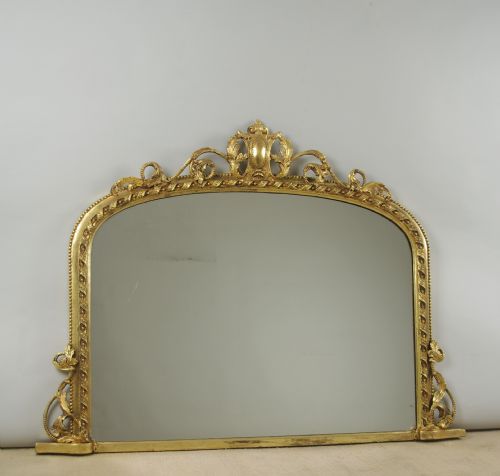
Carved wood provides the primary structural framework, overlaid with gesso to build up crisp mouldings, rope twists, and ornamental crests. Artisans applied thin sheets of gold leaf or applied gilding directly onto the prepared gesso surfaces.
Composition ornamentation was frequently moulded separately and applied to wooden frames before gilding. Glass mirror plates, often original, are set within these heavy giltwood surrounds.
Many an overmantel mirror spent a century quietly listening to family arguments while pretending simply to reflect the wallpaper.
Judging quality
The depth and crispness of the hand-carved woodwork and the subtlety of the gesso detailing distinguish finer examples from standard production. Richness in the layering and burnishing of the gold leaf creates a warmer, deeper lustre that ages with distinct character.
Proportion and the integrity of the original frame structure dictate the visual impact of the piece. High-tier examples retain their original mirror plates and complex decorative mouldings, such as rope twists or architectural crests, without heavy modern intervention.
The Gold Leaf Arched Mirror Glossary
- Gesso
- A plaster-like mixture applied to carved wood frames to create a smooth surface for gilding. It allows for intricate moulded details and relief ornamentation.
- Giltwood
- Timber that has been coated in gold leaf or gold paint. This material defines the warm metallic finish seen across nineteenth-century frames.
- Overmantel mirror
- A large horizontal or arched mirror designed to hang specifically above a fireplace mantelpiece. These pieces often anchor the decorative scheme of a period room.
- Pier mirror
- A tall, narrow mirror designed to hang on the wall space between windows. They frequently incorporate painted wood or gilt framing.
- Louis Philippe
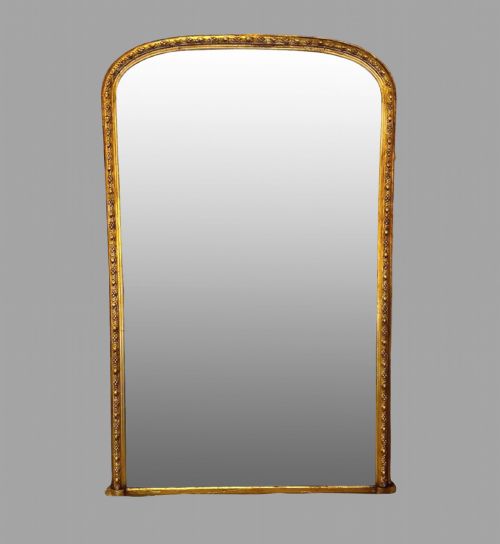
- A French mid-nineteenth-century style characterised by clean arched tops, subtle classical restraint, and minimal ornamentation. These mirrors offer understated elegance compared to elaborate Rococo pieces.
Gold Leaf Arched Mirror: Frequently Asked Questions
Where should I hang an arched mirror?
These mirrors traditionally sit above a fireplace mantelpiece where their height draws the eye upward and balances the hearth below. They also function effectively on principal living room walls to bounce natural light around the space.
Ensure the wall construction supports substantial weight, as frames combining solid wood, gesso, and glass plates are exceptionally heavy.
How do I clean a giltwood frame?
Dust the carved and gilded surfaces gently with a soft, dry brush to prevent any disturbance to the delicate gold leaf. Avoid moisture and chemical cleaning agents, which can strip historic gilding from the gesso.
Regular, careful dusting preserves the fragile metallic surface without risking abrasion to the nineteenth-century finish.
Are nineteenth-century mirror plates original?
Many period pieces retain their original glass, which often exhibits charming oxidation, dark speckling, and minor distortion. These signs of age confirm the antiquity of the mirror and add depth to the reflection.
Replacement plates appear in some restored pieces, offering a clearer, brighter reflection while retaining the historic frame.
What is the difference between Victorian and Louis Philippe mirrors?
Victorian examples frequently display heavier ornamentation, including carved crests, rope twists, and robust gesso moulding. They lean towards architectural grandeur and dramatic presence.
Louis Philippe pieces favour a simpler arched profile with restrained decoration, reflecting mid-nineteenth-century French taste for cleaner lines.