
Gold Heart Padlock
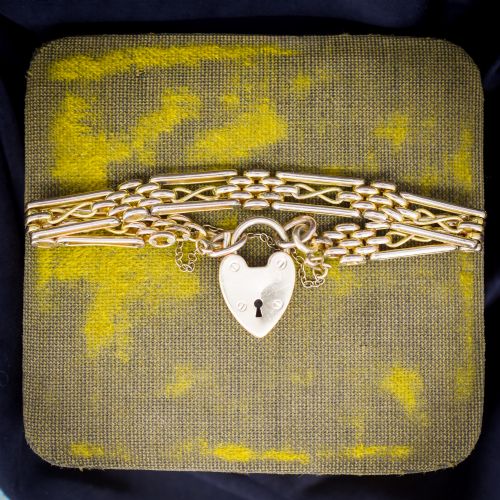
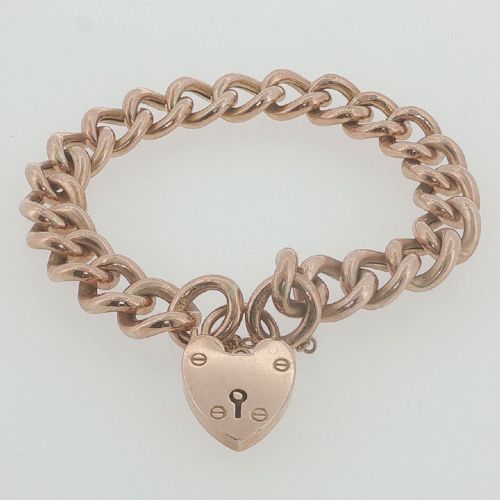
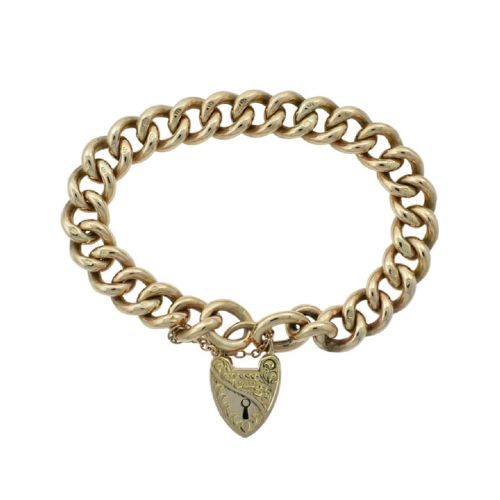
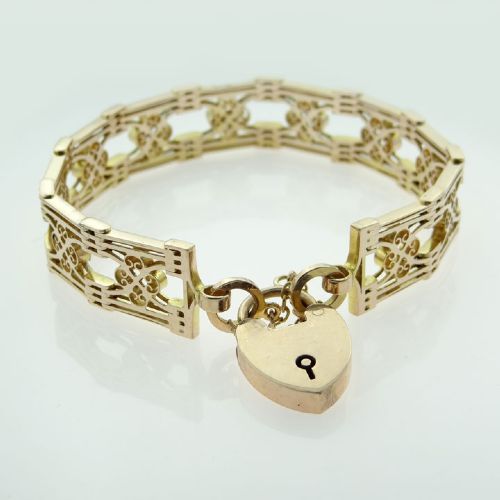
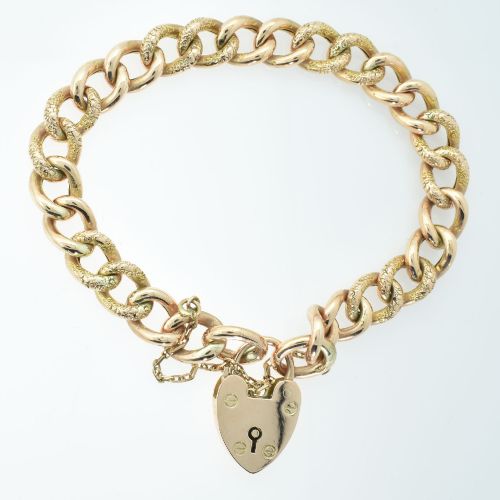
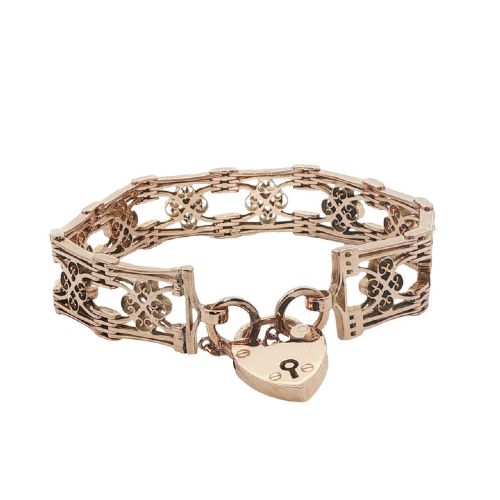
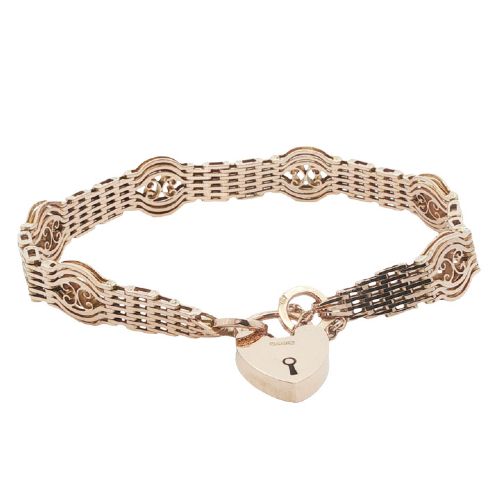
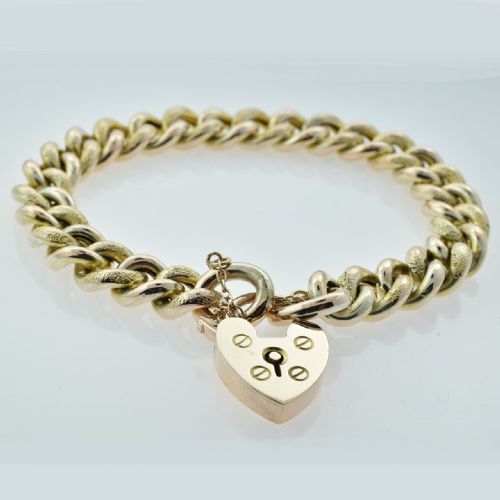
A gold heart padlock is a sentimental fastening mechanism, most often found securing antique curb link and gate bracelets from the Victorian and Edwardian eras.
Gold Heart Padlock
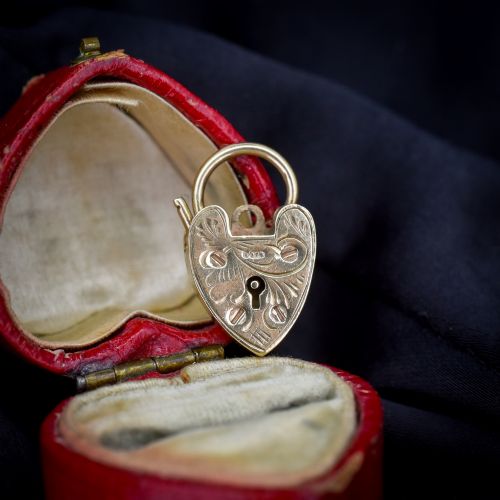
When you examine a gold heart padlock on this page, you are looking at functional clasps adapted into charming pendants or the secure closures of historic link bracelets. These items span from the late nineteenth century through to mid-century vintage productions, with the majority originating in the Victorian and Edwardian periods.
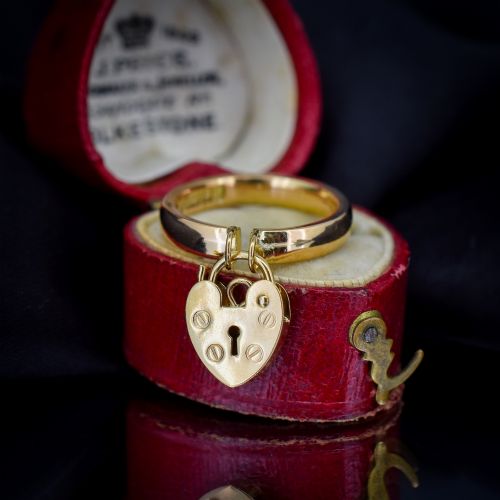
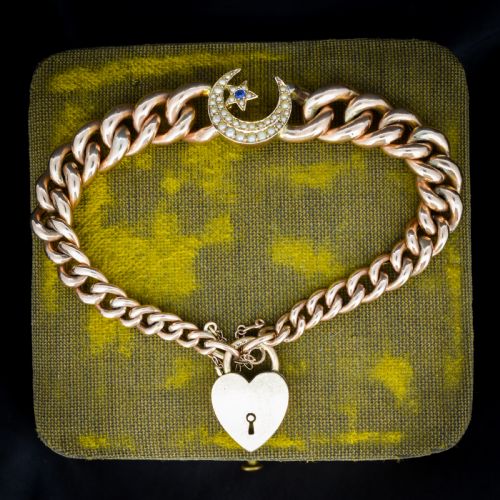
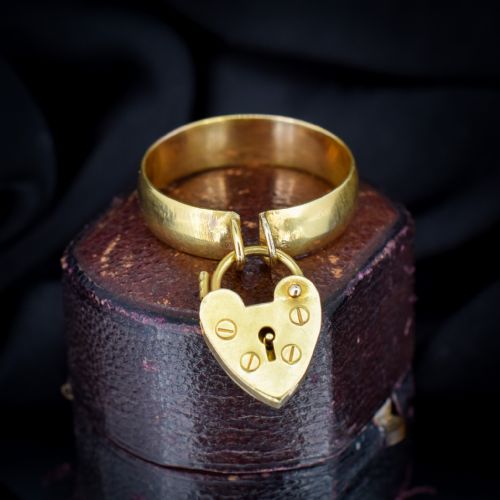
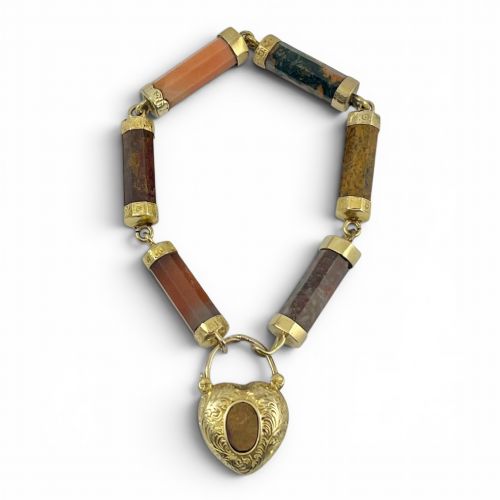
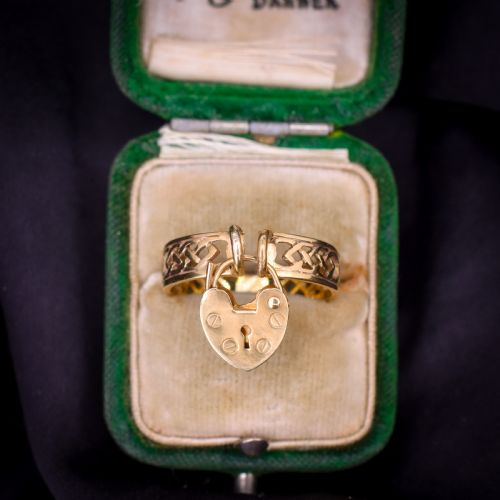
The most common forms you will encounter are heavy rose gold curb chain bracelets and intricate gate bracelets fitted with a sprung heart-shaped lock. Alongside bracelets, you will find standalone pendants, charms, and band rings featuring a drop padlock motif.
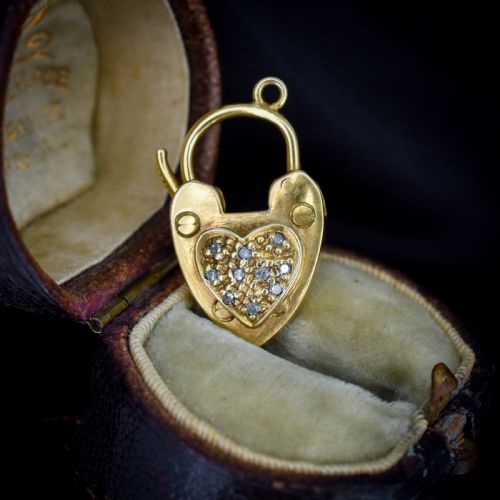
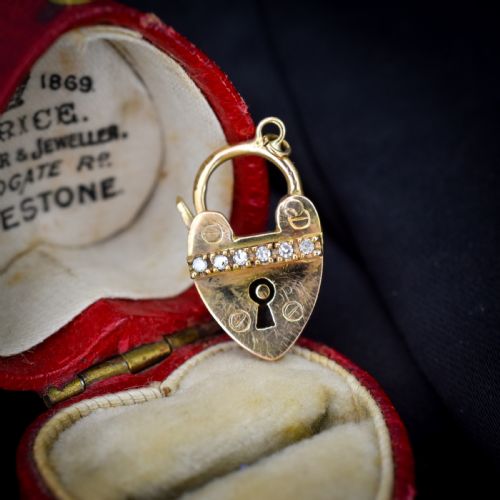
Many examples incorporate decorative engraving, chased details, or flush-set gemstones such as seed pearls, amethysts, rubies, and diamonds. They reflect a rich history of sentimental jewellery design where security and romantic symbolism merged into a single wearable object.
How they were made
The construction of a gold heart padlock relies on traditional goldsmithing techniques applied to nine-carat and fifteen-carat yellow and rose gold alloys, alongside rolled gold variants. Goldsmiths frequently utilised hollow or solid casting for the heart bodies, integrating internal steel springs to ensure the snap closure functioned reliably.
Surface ornamentation involved hand engraving, chased scrolling, and niello work, often executed by regional British workshops and hallmarked in cities like Birmingham, Chester, and London. Gemstones such as seed pearls, garnets, and amethysts were precision-set into the gold surface, sometimes complemented by delicate claw or bezel settings.
Listings feature items from Victorian, Edwardian, and mid-century periods, showcasing 9ct rose gold, yellow gold, and rolled gold materials.
What varies in quality
The distinction between ordinary and exceptional pieces rests upon the weight of the gold, the crispness of the hand engraving, and the structural integrity of the internal spring mechanism. Heavier gauge metal and fully hallmarked components indicate superior craftsmanship and better preservation over decades of wear.
Subtleties in design, such as the inclusion of multiple gemstone accents like rubies, diamonds, or seed pearl crescents, elevate certain padlocks above plain polished versions. The presence of matching safety chains and intact original link configurations also defines the upper tiers of quality among surviving items.
W H Wilmot
The Gold Heart Padlock Glossary
- Curb link
- A type of jewellery chain formed of interlocking uniform links that lie flat against the skin. This style provides the sturdy foundation for many traditional padlock bracelets.
- Gate bracelet
- A wide bracelet design composed of parallel vertical bars connected by small links, mimicking a country gate. These pieces frequently utilise a heart padlock as their primary clasp.
- Rolled gold
- A material made by mechanically bonding a thin layer of gold to a base metal core. It offers the visual warmth of solid gold while utilising less precious metal.
- Hallmark
- An official stamp or series of marks applied to precious metals indicating purity and origin. British items often display assay office symbols and date letters.
- Niello
- A black metallic alloy used as an inlay on engraved metal surfaces. It creates a stark contrast that highlights intricate geometric or floral patterns.
Gold Heart Padlock: Frequently Asked Questions
How do you open a heart padlock?
Most antique heart padlocks operate via a small internal spring mechanism accessed by pressing a tiny protruding nib or lever on the side or bottom of the heart. When depressed, the hinged arm or bail pops open to release the bracelet loop.
Because these springs are historic, they require gentle handling rather than force. Checking that the snap action remains crisp ensures the padlock will stay secure when worn today.
Are these padlocks solid gold?
The materials vary, with many pieces constructed from solid nine-carat rose or yellow gold, and occasionally higher purities or rolled gold alternatives. Hallmarks stamped onto the body or jump rings typically verify the specific gold standard used by the maker.
Rolled gold examples feature a substantial layer of gold fused to a base metal core, offering an accessible historical alternative to solid gold construction without sacrificing appearance.
How do you wear an antique padlock?
Antique padlocks are most traditionally worn suspended from their original curb or gate link bracelets, resting centrally on the wrist. Alternatively, they can be removed and hung from a delicate neck chain as a pendant or added to a charm cluster.
When worn on a bracelet, pairing them with a fine safety chain provides extra security, mirroring how these pieces were kept safe by their original owners a century ago.