

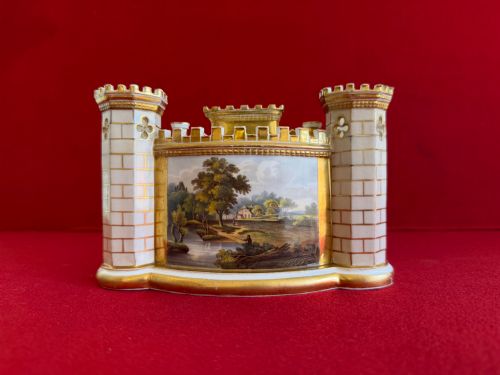
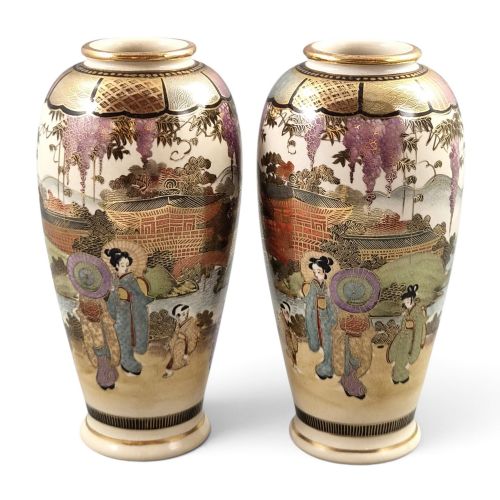
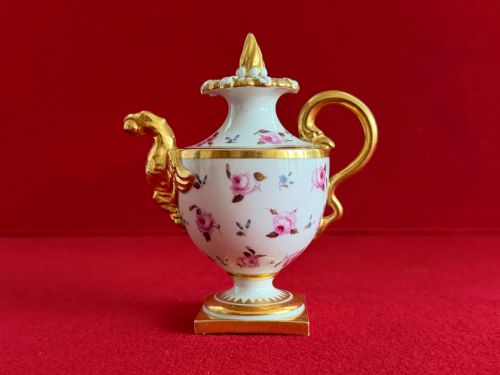
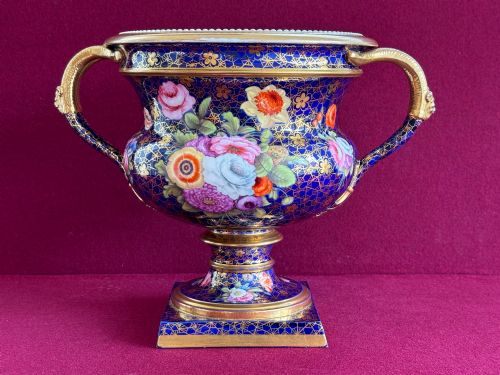
Gold Hand Painted Vase
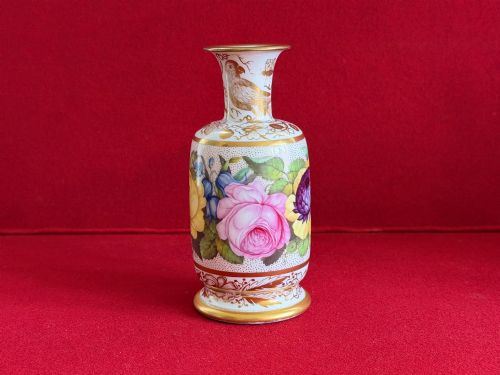
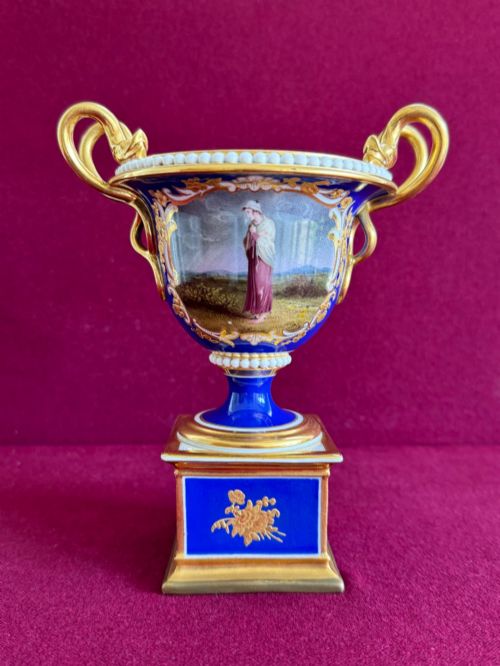
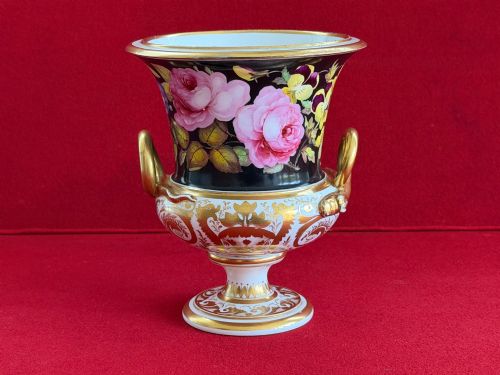
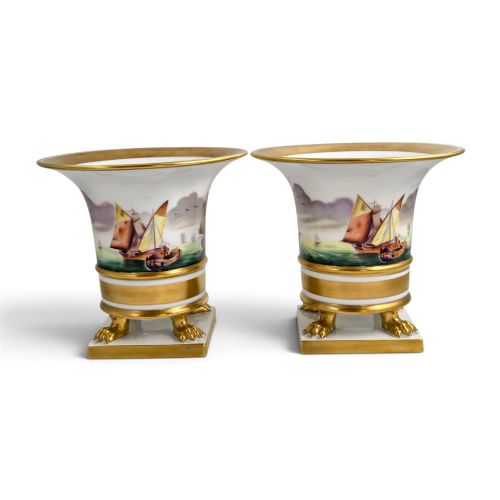
A gold hand painted vase brings porcelain, earthenware and glass decorated with metallic highlights into a room, offering rich colour and historic craftsmanship.
Gold Hand Painted Vase
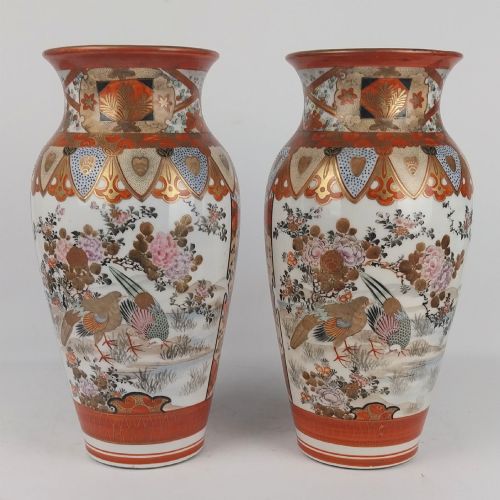
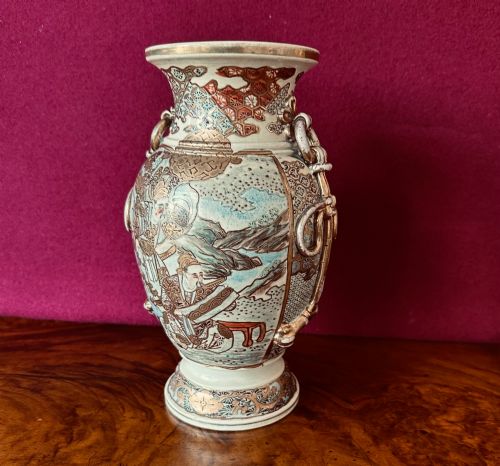
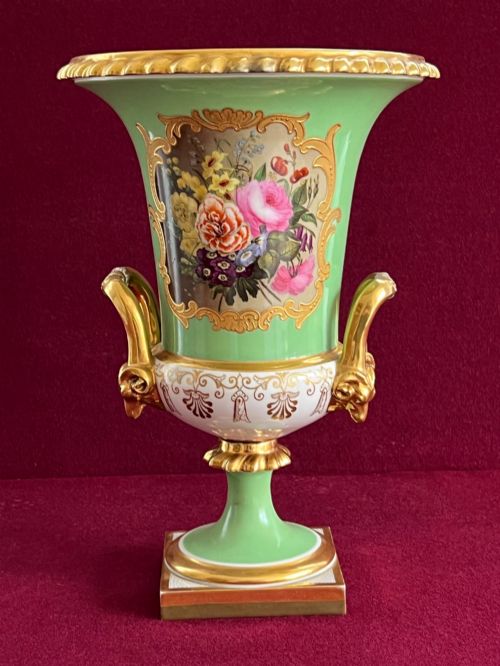
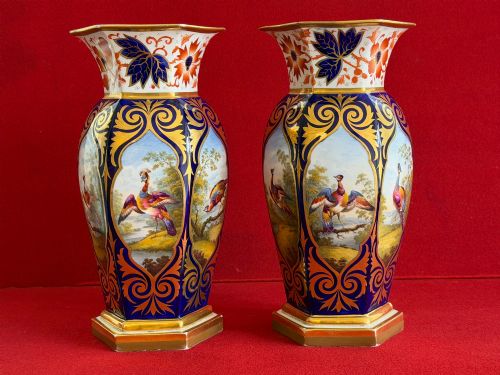
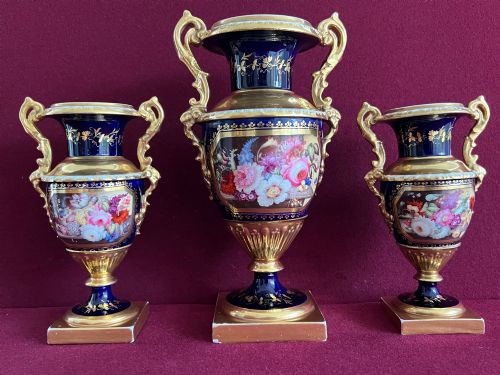
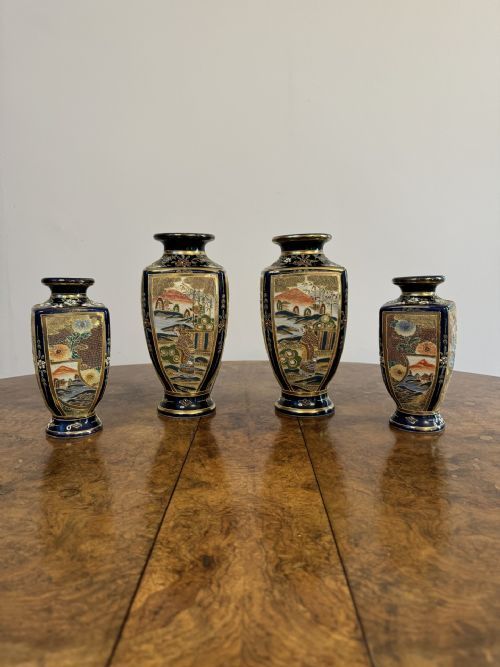
A gold hand painted vase is a ceramic or glass vessel embellished with detailed brushwork and metallic leaf or gilding, designed as both a decorative centrepiece and a functional container for flowers. Buyers seeking this phrase encounter pieces ranging from early porcelain campana urns to delicate earthenware vessels and Japanese satsuma works.
The selections span numerous periods, notably the Regency, Georgian and Edwardian eras, alongside late nineteenth century continental and Japanese Meiji creations. Forms vary from small spill vases and miniature vessels to large garnitures, jardinières and covered amphoras.
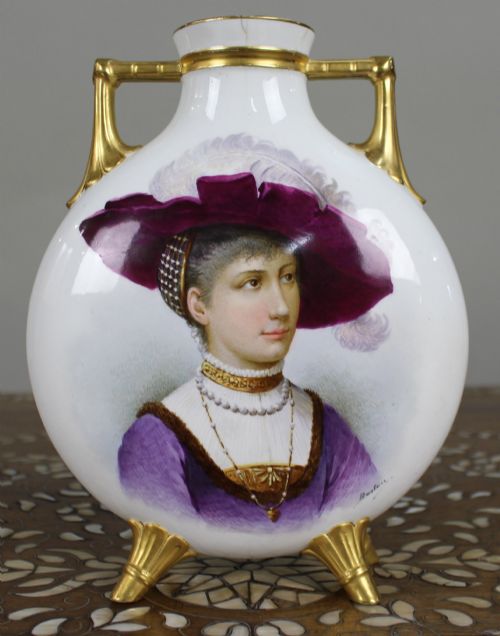
Makers and factories represented include Worcester, Spode, Derby, Minton, Royal Worcester and Royal Doulton, alongside Japanese workshops such as Satsuma and Kutani. These pieces reflect diverse styles including French Empire, Art Nouveau and traditional Japanese figural scenes.
How they were made
Makers shaped porcelain, bone china, earthenware or glass before applying ground pigments, enamels and fine glazes by hand. Kiln firing fixed the colours and glaze surfaces prior to any secondary application of metal.
Artisans applied gold leaf, liquid gilding or heavy gold enamel over or under the glaze, often using burnished highlights to catch the light. Hand painting required steady brushwork for floral motifs, landscapes or figural processions.
Gold Hand Painted Vase Retail Price Guide 2026
Typical asking prices for gold hand painted vase among the pieces listed under this phrase on Sellingantiques today, from the lower quarter to the upper quarter. They describe what is for sale here now, not the wider market.
Some antique parrots made of lustre pottery gaze proudly from their perches, wrapped entirely in hand-enamelled gold and bright colours.
What varies in quality
Quality rests in the precision of the hand painting and the depth of the gilding, where refined brushwork on porcelain distinguishes master studio pieces from simpler factory output. The crispness of moulded details on campana urns and amphoras also separates finer pieces from standard productions.
The reputation of the porcelain manufactory or individual decorator dictates the standing of a vessel, with signed works by known painters commanding greater attention. Preservation of the original gold leaf and enamel without excessive rubbing indicates how carefully a piece was kept.
Flight Barr And Barr·Royal Worcester·Royal Doulton·Kinkozan·Reissner Stellmacher And Kessel
The Gold Hand Painted Vase Glossary
- Campana
- A bell-shaped urn or vase popular during the Regency and neoclassical periods. These vessels frequently feature twin handles and pedestal feet.
- Gilding
- The application of gold leaf or gold dust to the surface of ceramics or glass. This technique provides metallic highlights that accent the painted scenes.
- Spill vase
- A tall, slender cylindrical vessel designed to hold taper spills for lighting fires. They appear frequently in early nineteenth-century English porcelain.
- Garniture
- A set of matching vases or urns designed to be displayed together on a mantelpiece or sideboard. They typically comprise three or more graduated pieces.
Gold Hand Painted Vase: Frequently Asked Questions
What is a Satsuma gold hand painted vase?
Satsuma vases originate from Japan during the Meiji period and feature earthenware bodies with intricate figural scenes or floral processions.
They are distinguished by dense hand-painted enamels and fine crackle glazes enhanced with gold leaf.
How should I clean a gilded and painted vase?
Dust these vessels gently with a soft, dry brush to protect the delicate enamel and gold leaf on the surface.
Avoid using water, liquid cleaners or abrasive cloths, which can damage the historic hand-painted decoration.
Where were Royal Worcester gold hand painted vases made?
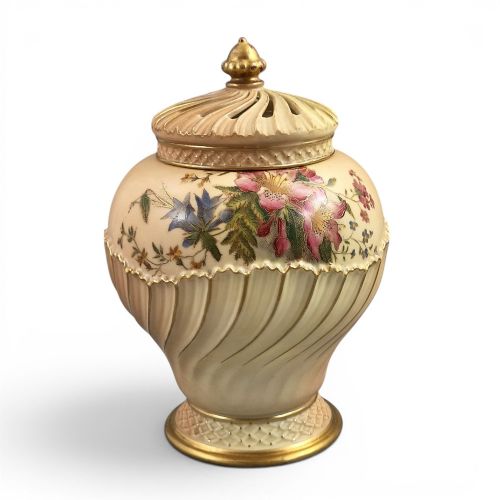
Royal Worcester pieces were produced in England, utilising fine porcelain and bone china bodies decorated by notable studio artists.
They frequently feature blush ivory backgrounds or rich cobalt blue grounds accented with heavy gilding.