
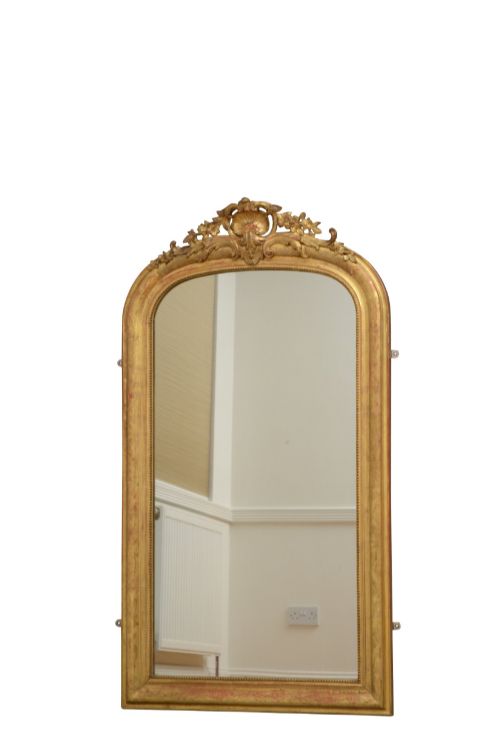
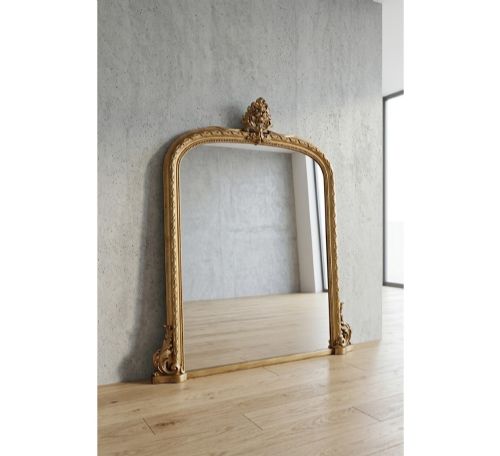
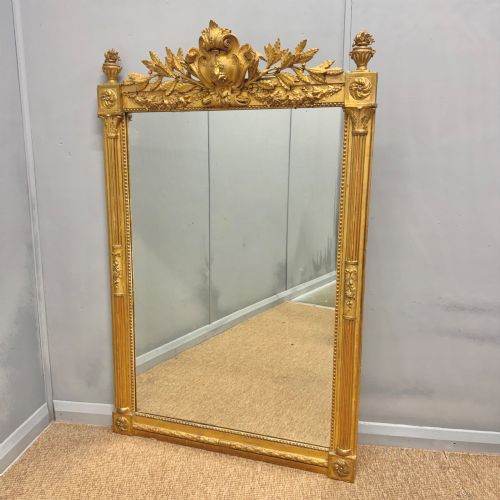
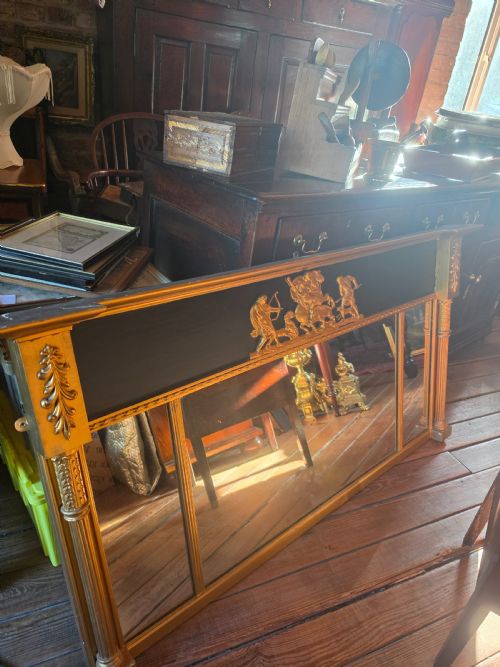
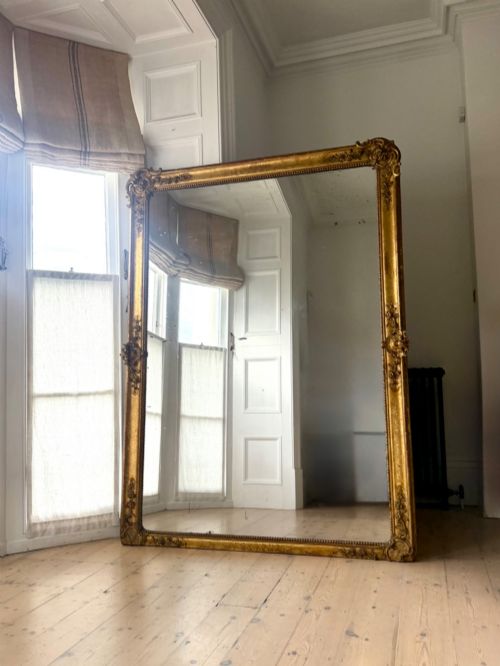
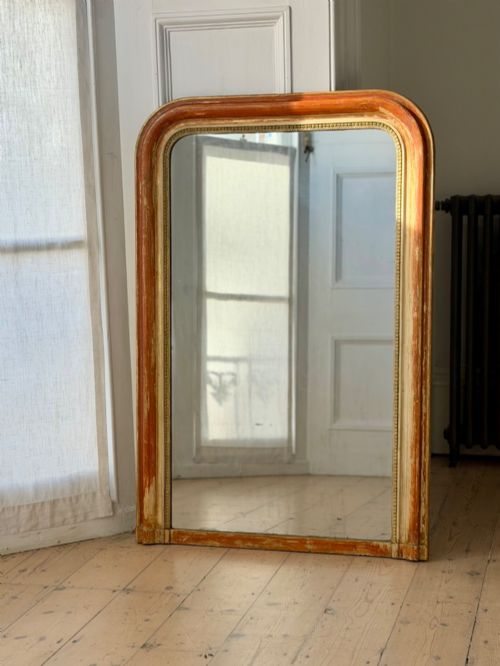
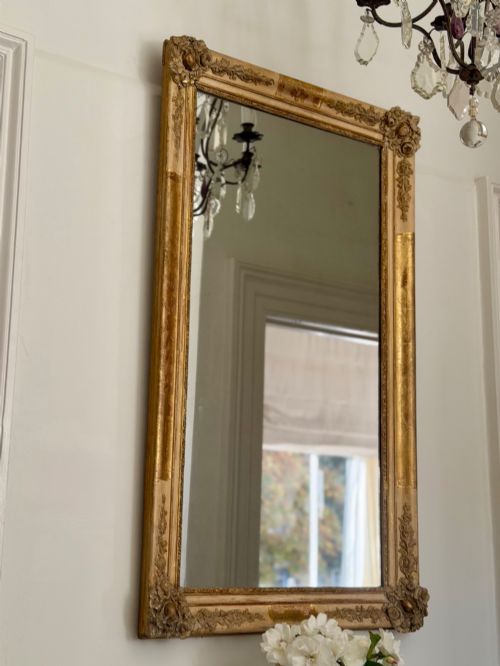
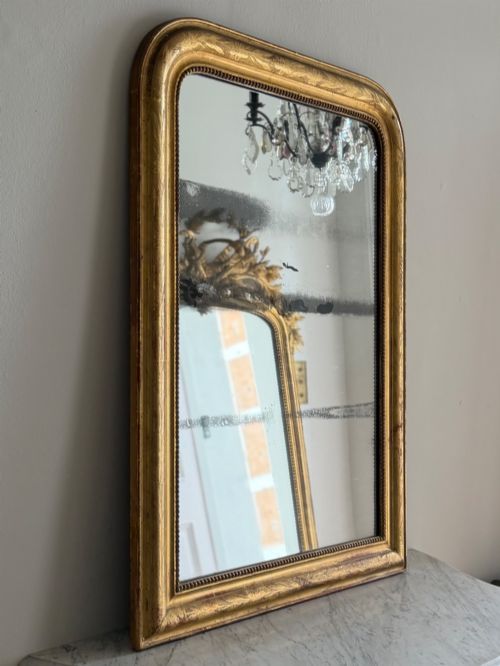
Gold Glass Wall Mirror
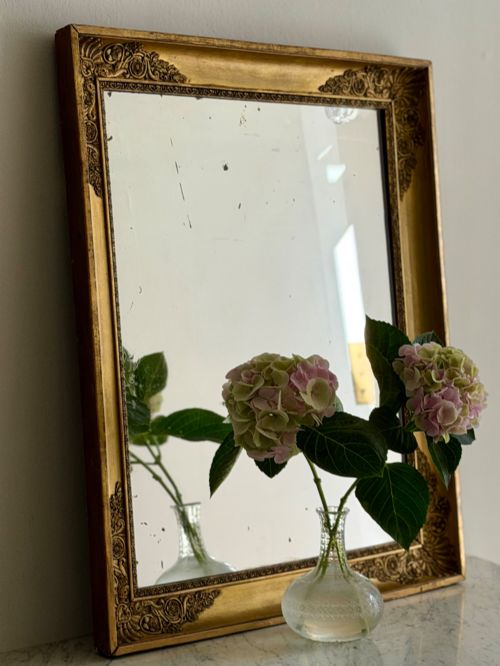
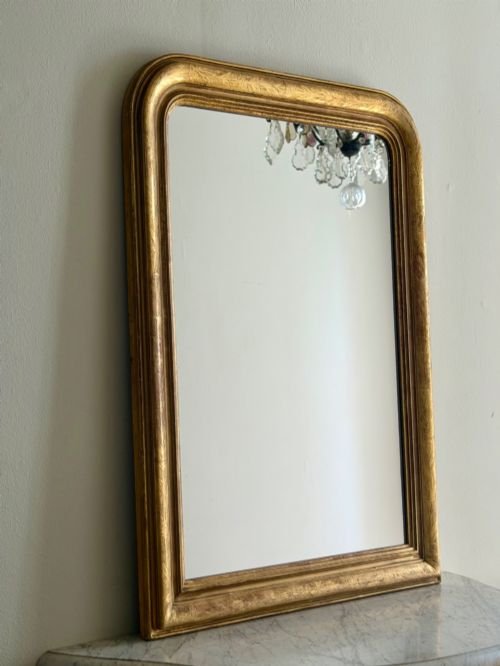
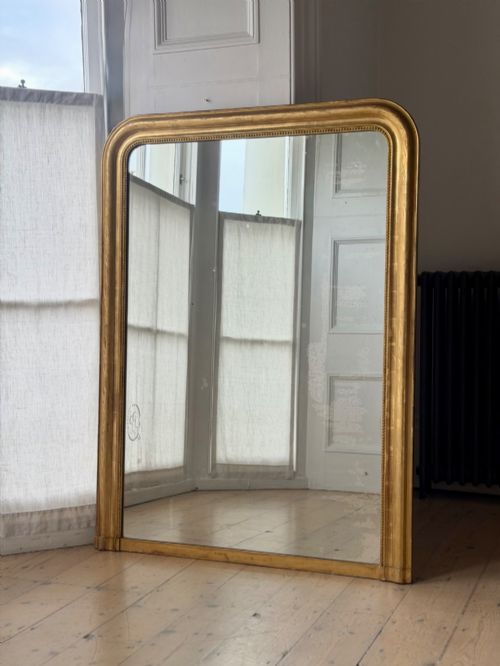
A gold glass wall mirror brings light and period character into a room, spanning grand Regency proportions and ornate Victorian gesso frames.
Gold Glass Wall Mirror
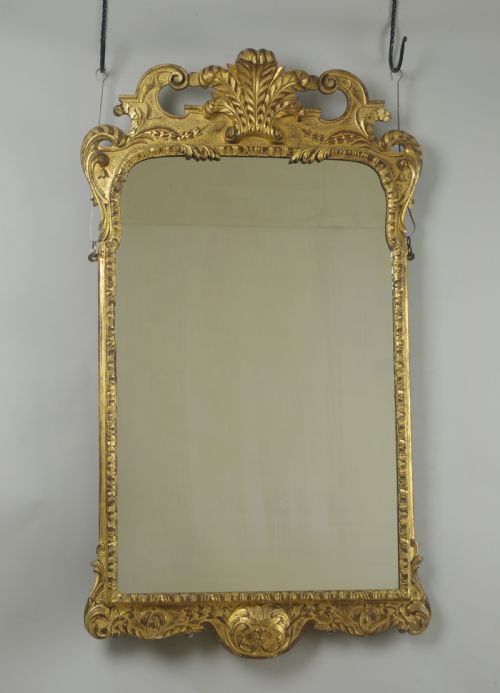
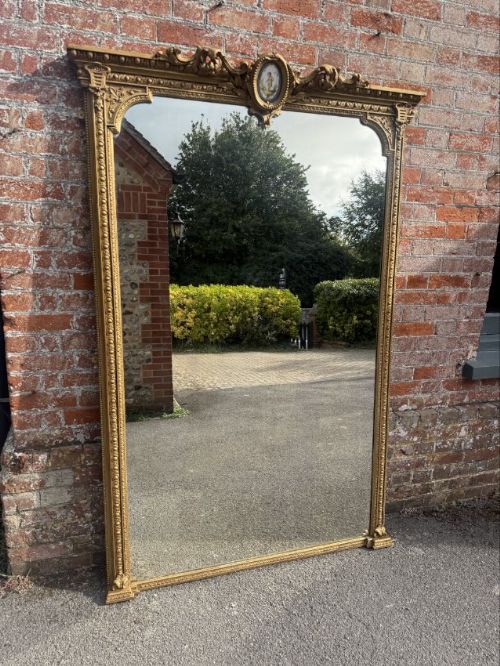
When searching for a gold glass wall mirror, buyers encounter a diverse selection of antique forms including architectural overmantles, tall pier mirrors, and carved oval frames.
The pieces on this page originate predominantly from the eighteenth and nineteenth centuries, taking stylistic cues from Regency, Victorian, and French Rococo Revival traditions.
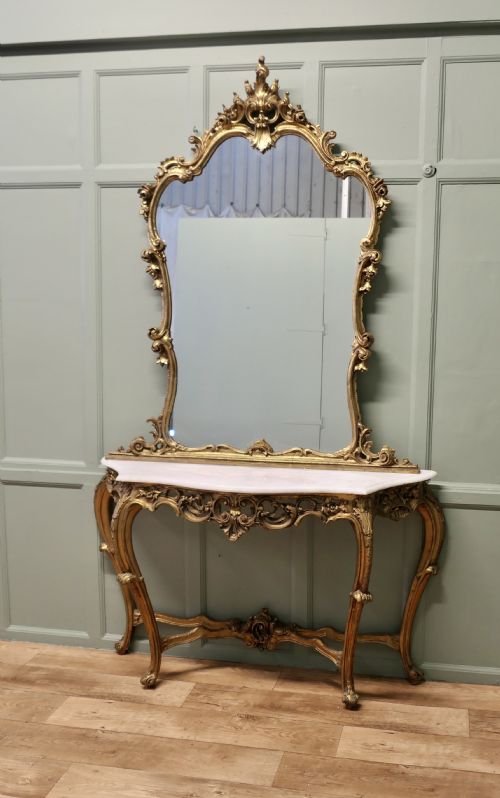
Overmantle mirrors and pier glasses dominate the selection, frequently paired with console tables or designed to hang above mantelpieces with arched or shaped tops.
How they were made
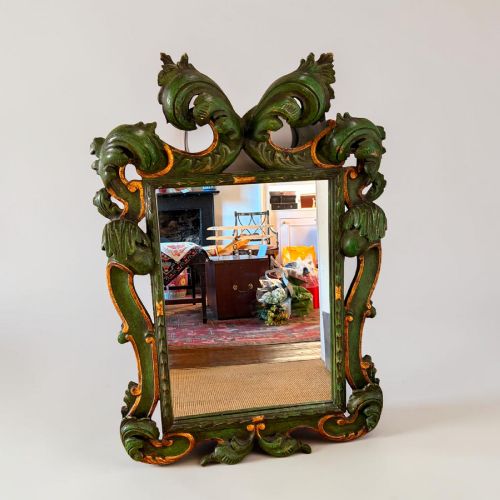
Carved timber frames formed the structural foundation for many examples, often built from mahogany, walnut, or painted wood before receiving decorative embellishments.
Gesso and composition mouldings applied over wood provided the crisp scrollwork, floral carvings, and rope-twist details seen across nineteenth-century gilt frames.
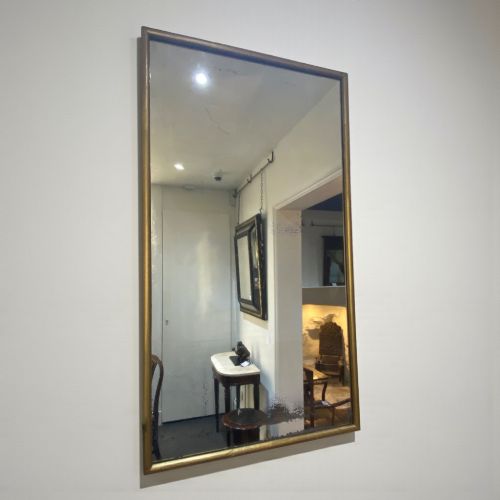
Early glass plates relied on mercury backing, which frequently develops an aged foxed appearance over centuries, while later pieces utilise standard mirror glass.
What varies in quality
The depth and crispness of hand-carved wood ornamentation distinguish finer pieces from mass-produced composition mouldings that can appear soft in detail.
Originality of the mirror plate and gilding surface heavily influences the integrity of an antique glass wall mirror, showing how well the piece survived through the periods.
The Gold Glass Wall Mirror Glossary
- Giltwood
- Wood that has been coated with gold leaf or metal leaf. This finish defines the reflective warmth of traditional antique frames.
- Gesso
- A plaster-like mixture applied to wood frames and carved. It creates a smooth base for subsequent gilding and intricate decorative moulding.
- Mercury glass
- A double-walled blown glass filled with a silvering mixture of mercury and other metals. It produces a distinctive speckled reflection seen on older pieces.
- Overmantle mirror
- A wide mirror designed specifically to hang above a fireplace mantel. These large plates helped distribute firelight around dark period rooms.
- Pier mirror
- A tall mirror intended to hang on the wall space between two windows. They often sat atop matching console tables in formal reception rooms.
Gold Glass Wall Mirror: Frequently Asked Questions
How do I hang a heavy antique mirror safely?
Heavy giltwood and gesso frames require robust wall fixings anchored directly into masonry or substantial timber studs. Using a professional mirror hanger or a heavy-duty split batten system ensures the weight distributes evenly across the wall.
Avoid relying solely on decorative top rings or loops attached to the frame, as these often served only for light stabilization rather than supporting the full mass of the glass.
What is foxed mercury glass?
Foxing refers to the dark, mottled spots and patches that develop behind older mirror plates as the reflective backing oxidises over time. This chemical ageing process creates a soft, hazy reflection prized by collectors for its authentic antique appearance.
Original mercury glass plates naturally show this characteristic wear, distinguishing them from modern, flawless replacement glass.
Can I place a gold glass wall mirror opposite a window?
Positioning a mirror opposite a window maximises natural light reflection and creates an illusion of greater spatial depth in a room. This traditional placement was a primary reason for installing large pier mirrors and overmantles in Georgian and Victorian interiors.
Ensure direct, intense sunlight hitting the antique glass is managed if the finish is particularly delicate or sensitive.