
Gold Gilt Portrait Art
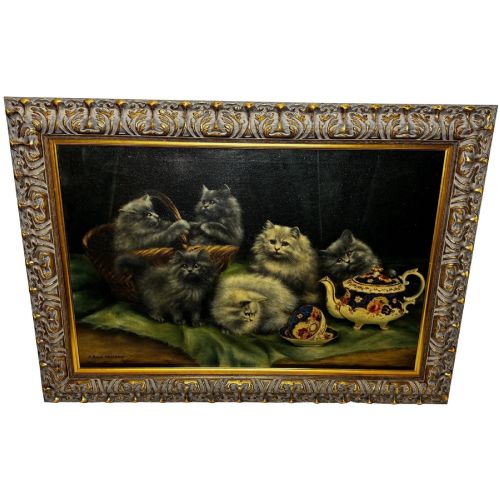
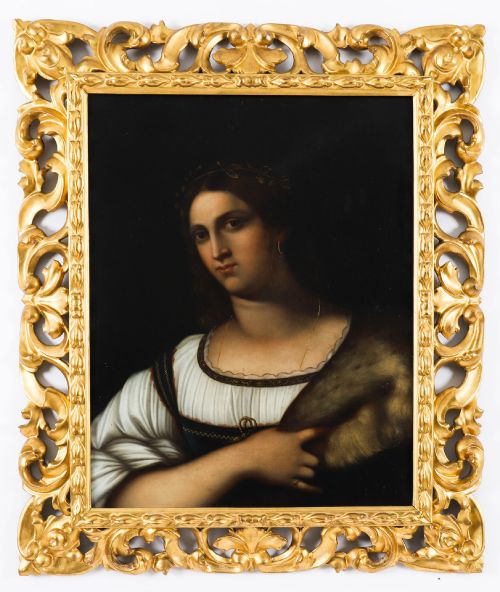
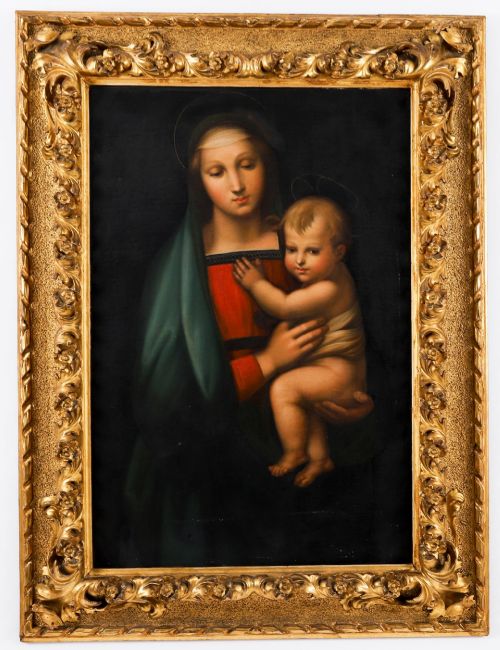
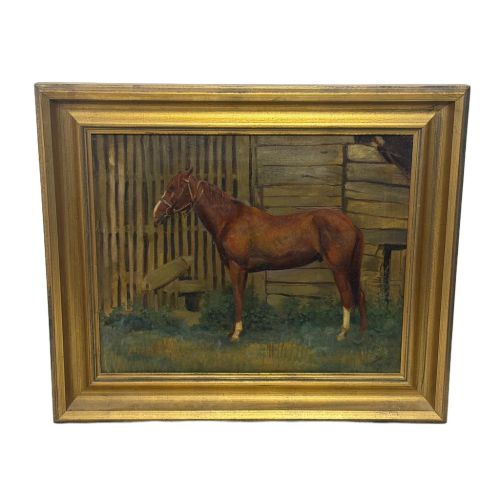
Gold gilt portrait art encompasses historic paintings and prints defined by rich metallic frames and likenesses rendered in oils, pastels, and watercolours.
Gold Gilt Portrait Art
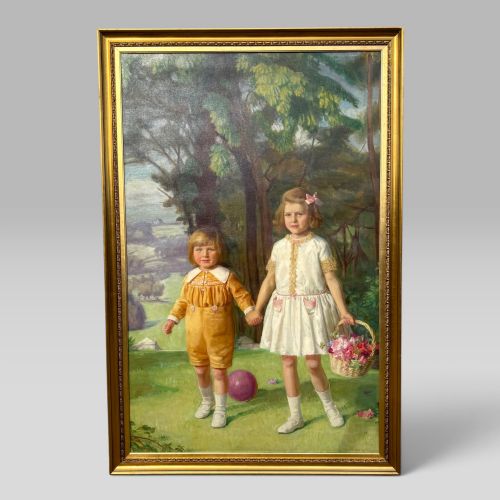
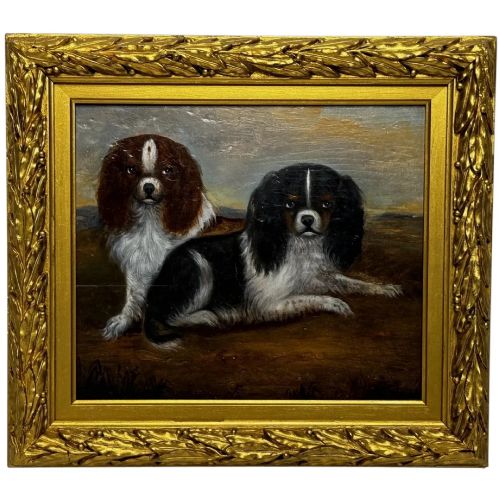
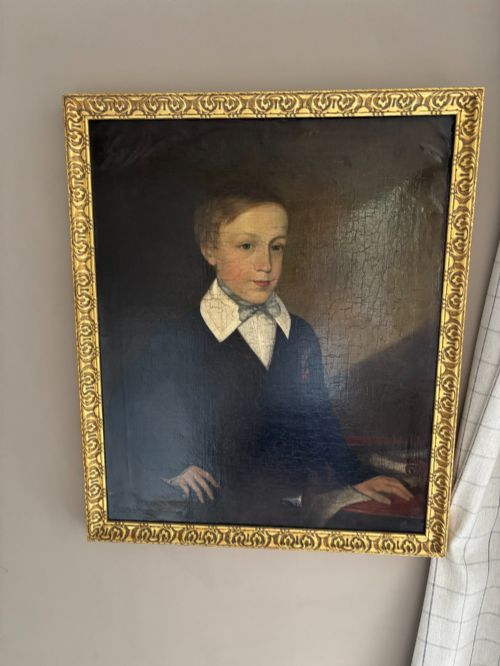
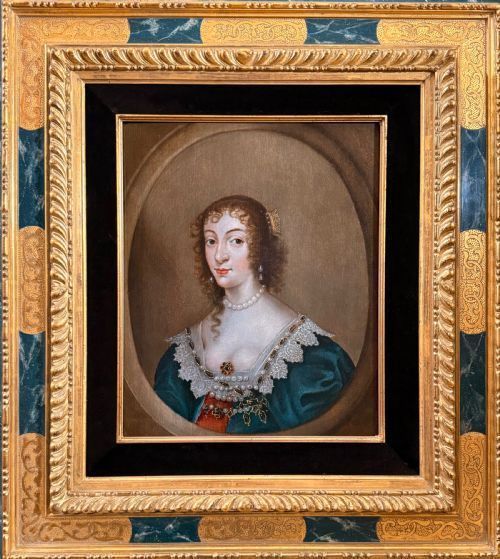
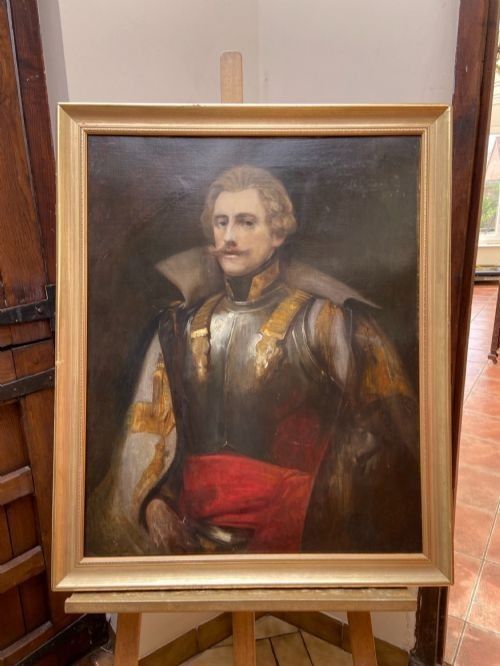
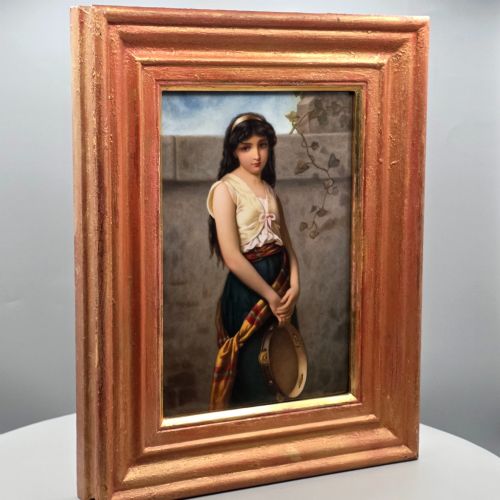
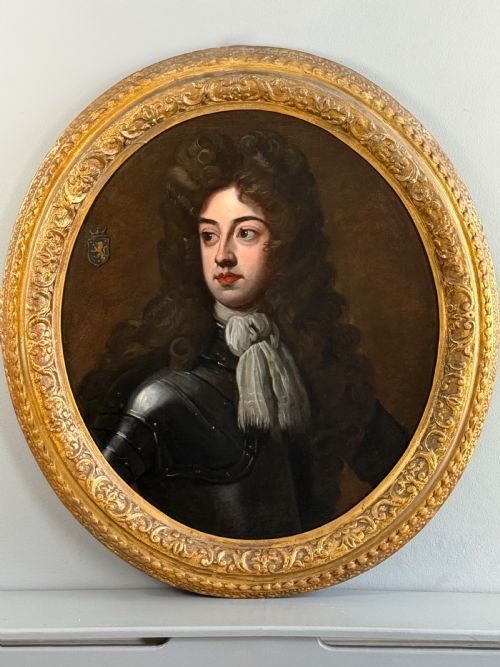
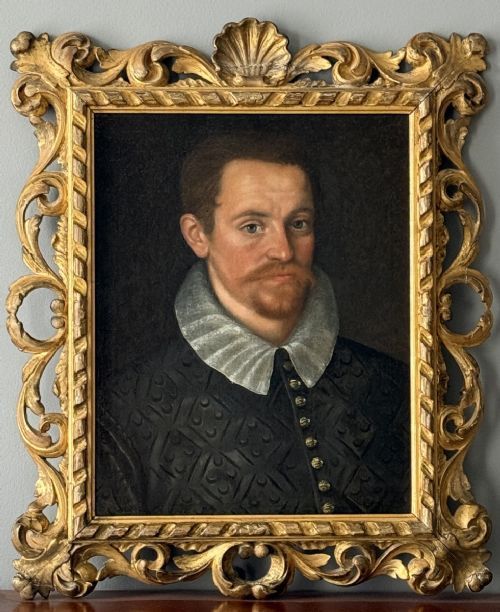
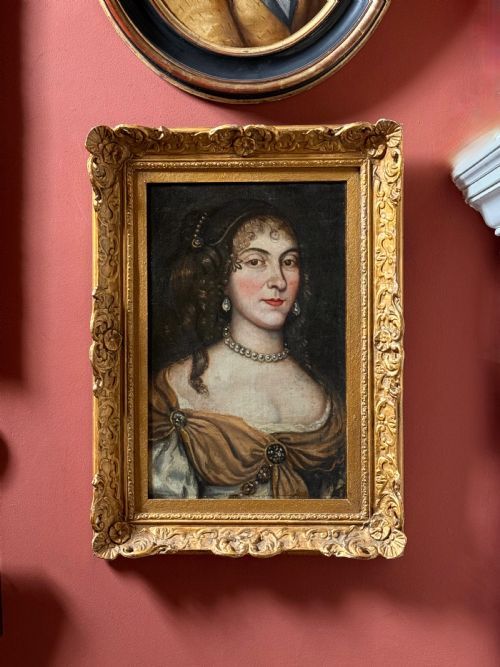
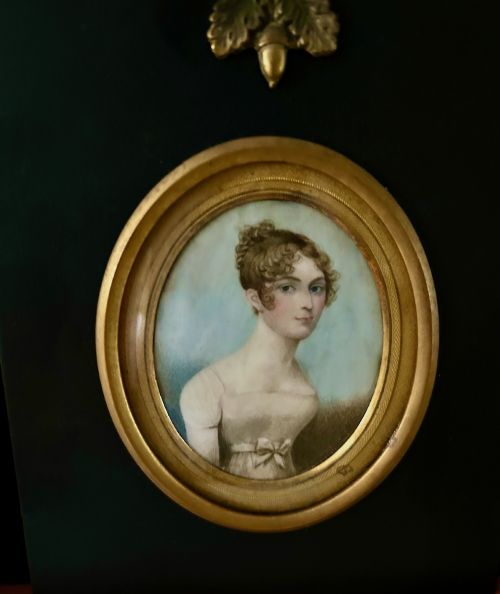
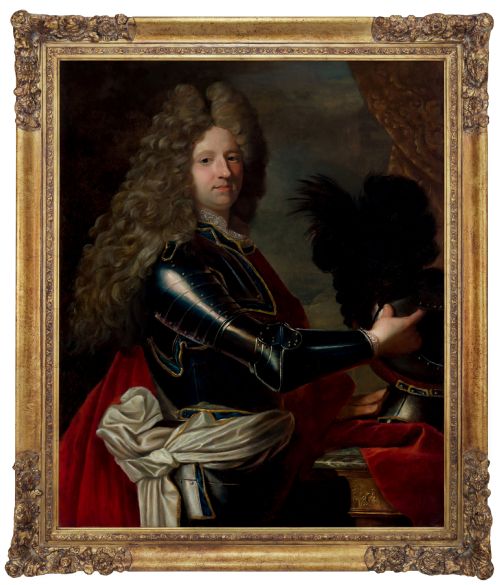
Gold gilt portrait art spans centuries of creative output, featuring depictions of nobility, clergymen, and everyday figures set within ornate frames.
The versions most commonly met on this page include oil on canvas paintings and framed prints dating from the seventeenth, eighteenth, and nineteenth centuries.
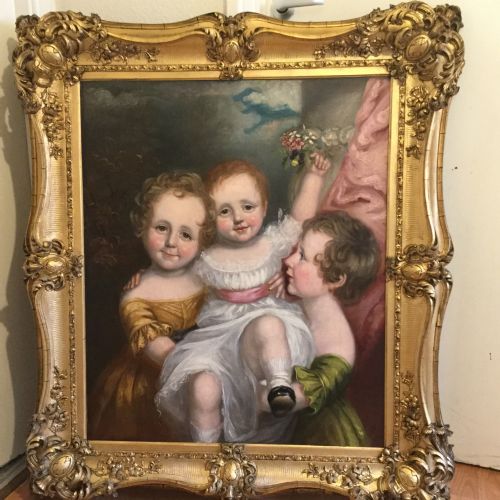
Subjects range from formal aristocratic studies to intimate portrayals of children, animals, and architectural designers.
How They Were Made
Makers applied oil paint or pastels onto canvas, wood panels, paper, and board to build up depth and texture in the depiction of clothing and flesh.
Frames were constructed from wood and finished with a layer of metallic leaf, creating the characteristic gold gilt border that highlights the artwork within.
Listings feature oil on canvas, giltwood frames, and paper prints spanning the seventeenth century through to the nineteen-sixties.
What Varies in Quality
The construction and original gilding of the wooden frame contribute substantially to the overall integrity and period harmony of the object.
Sir Joshua Reynolds·Sir Godfrey Kneller·Sir Anthony van Dyck·Sir Peter Lely·Jean-Baptiste van Loo
The Gold Gilt Portrait Art Glossary
- Giltwood
- Wood that has been coated with a thin layer of gold leaf. This material frequently defines the heavy, decorative frames housing historic portraits.
- Oil on Canvas
- Pigment suspended in a drying oil applied to woven fabric. This medium allows for rich colour blending and durability over centuries.
- Portrait Miniature
- A small, highly detailed painting capturing an individual's likeness. These works often required fine brushes and considerable technical precision.
- Pastel
- A dry drawing medium composed of powdered pigment and a binder. Artists utilised pastels to achieve soft skin tones and delicate textures on paper.
Gold Gilt Portrait Art: Frequently Asked Questions
What periods do these portraits represent?
The works span multiple eras, with strong representation from the seventeenth, eighteenth, and nineteenth centuries. Pieces from the Regency and Victorian periods also appear frequently among the listings.
Earlier examples often reflect Baroque sensibilities, while later items encompass Edwardian and mid-twentieth-century interpretations of historical subjects.
How are the frames constructed?
Frames are primarily built from wood and surfaced with gilt metal leaf to provide a bright, reflective border. The joinery and ornamentation of these surrounds generally correspond to the era of the artwork.
Many frames feature moulded plaster details underneath the gilding to create elaborate relief patterns and corners.
What surfaces were used for painting?
Artists painted on various supports depending on the period and format, with stretched canvas being the most common choice for large works. Wooden panels, paper, and board also serve as foundations for pastels, oils, and engravings.
Each surface imparts a distinct texture that influences how the pigment adheres and ages over time.
How do I identify different painting styles?
Styles are recognised through the handling of light, shadow, and subject matter, ranging from formal seventeenth-century aristocratic poses to looser nineteenth-century brushwork. Attributions often link works to specific historical schools or circles of prominent artists.
Examining the clothing, hair styling, and background accessories provides further clues regarding the date of creation.