
Gold Gilt Plate
Gold gilt plate pieces span porcelain cabinet plates and gilded mirrors, offering decorative elegance from Georgian to twentieth-century workshops.
Gold Gilt Plate
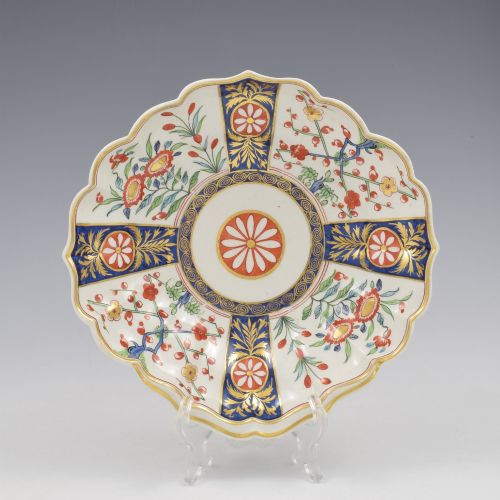
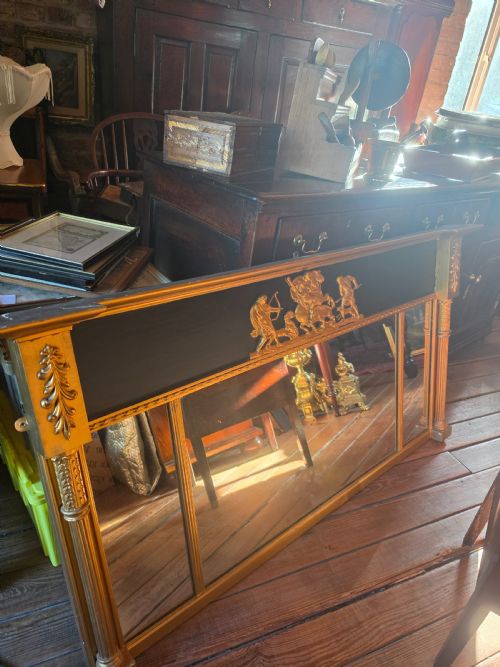
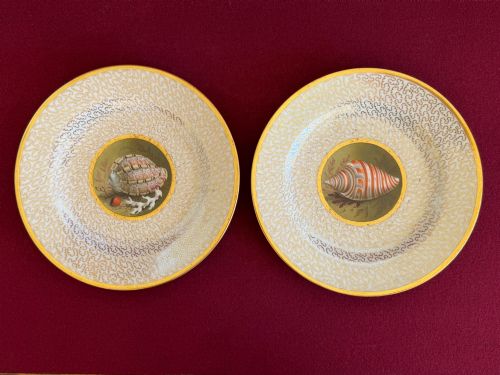
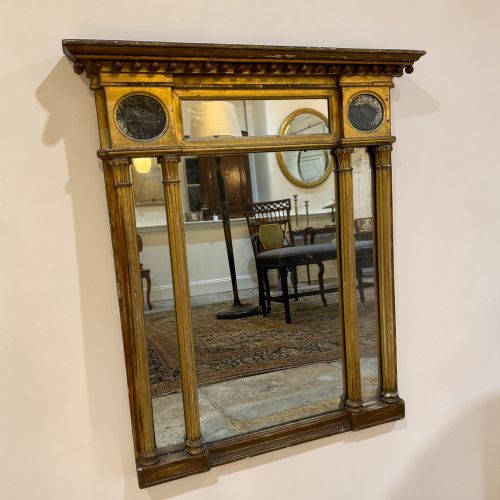
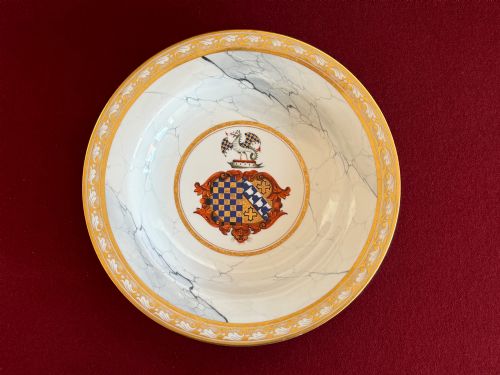
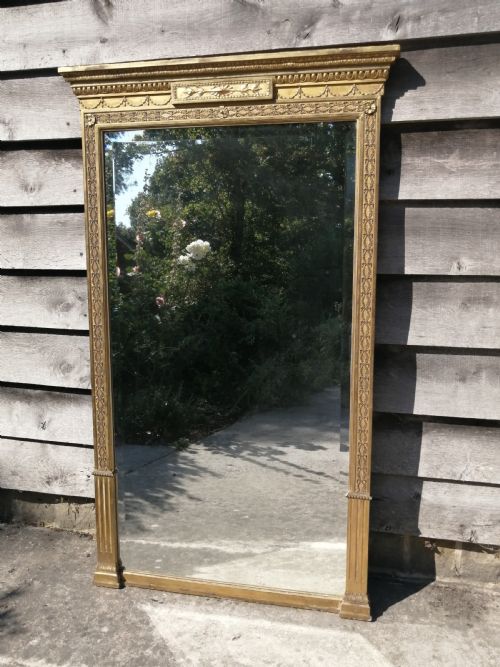
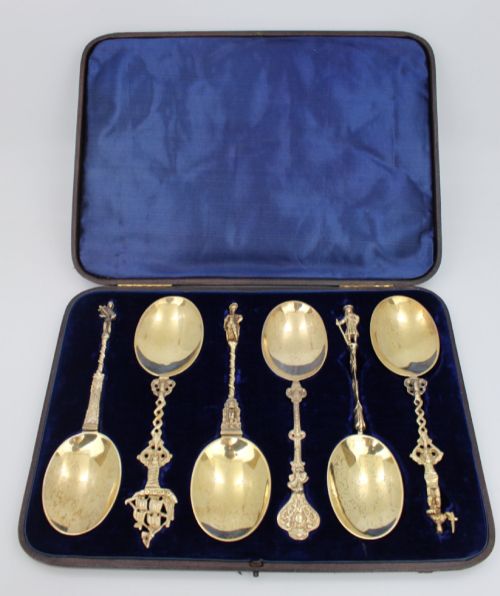
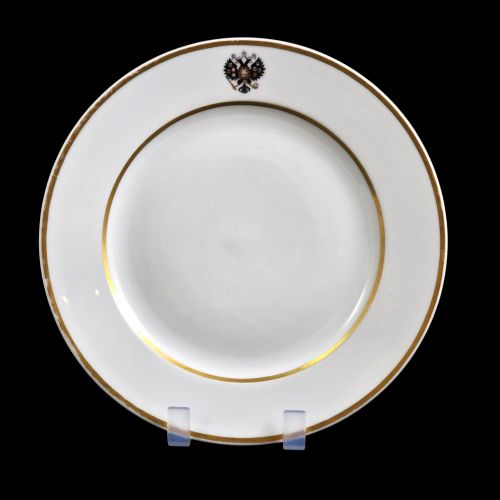
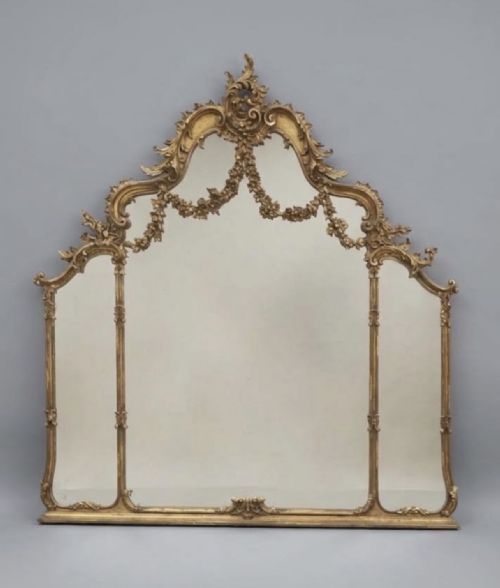
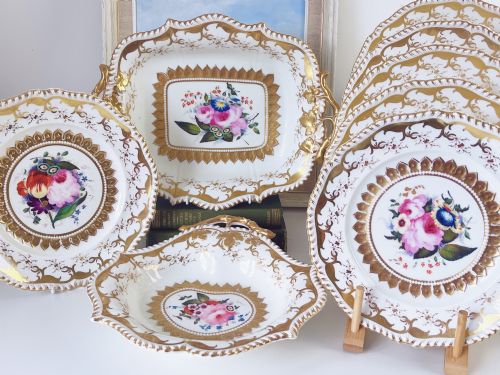
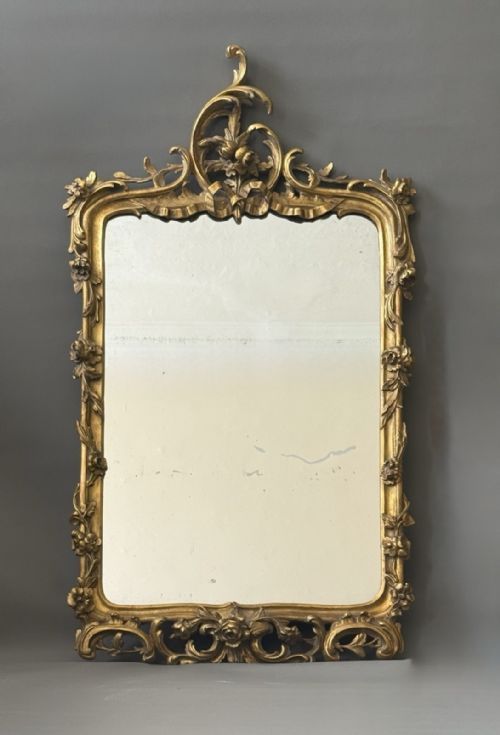
When searching for gold gilt plate, buyers encounter a diverse selection ranging from porcelain cabinet plates adorned with hand-painted fruit to large overmantel mirrors framed in carved giltwood. These items bridge domestic utility and high decorative art, originating from periods spanning the Georgian era through the early twentieth century.
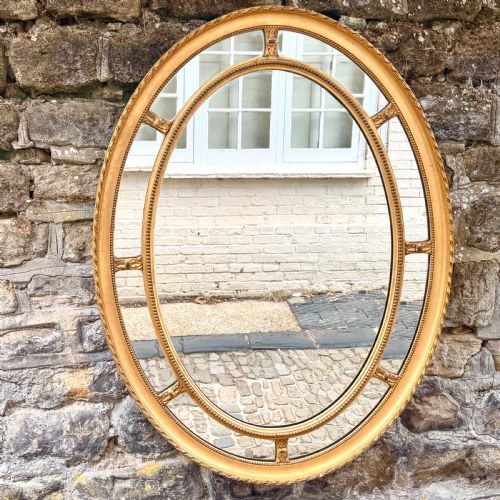
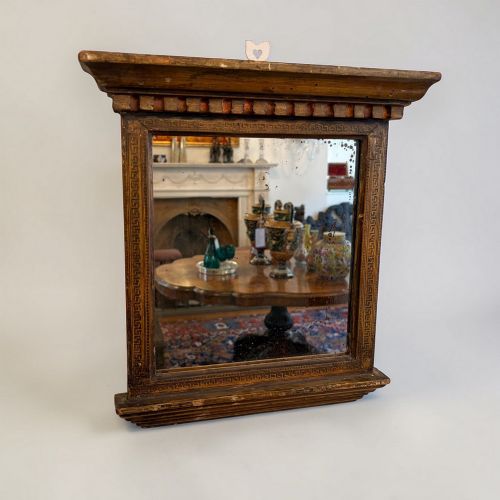
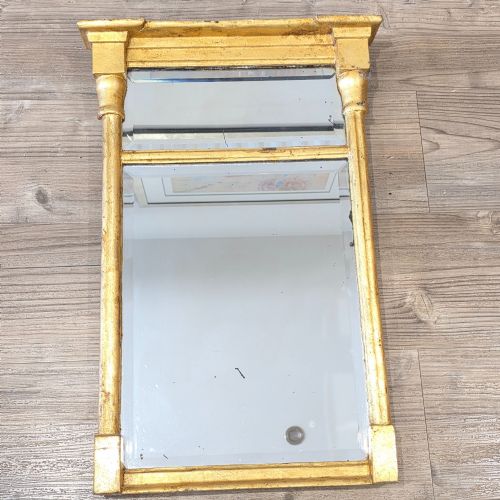
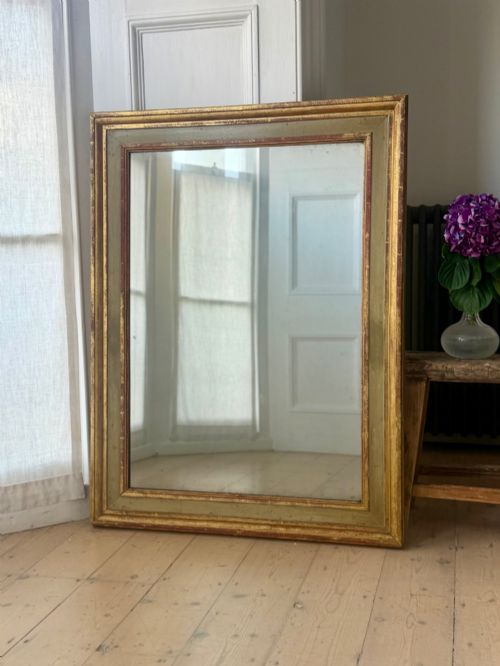
Ceramic forms include armorial soup plates and dessert services by makers such as Royal Worcester and Barr, Flight and Barr. Mirror plates set within gesso and giltwood frames represent the larger architectural objects found in this category, often featuring antique mercury glass.
Materials and technique
The manufacture of these objects relies heavily on wood, gesso, and gold leaf applied to create luminous mirror frames, alongside fine bone china and porcelain used for decorative plates. Artisans shaped carved wooden substrates and applied layers of gesso before laying gold leaf to achieve a reflective, gilded surface.
Porcelain items combine fired ceramic bodies with hand-painted enamel details and gilding. Mirror construction frequently incorporates original mercury glass or bevelled mirror plates fitted securely into heavy timber frames.
Several items combine disparate functions entirely, such as walking sword sticks featuring concealed porcelain sections.
Factors of quality
Quality in these pieces is determined by the crispness of the carving in giltwood frames and the fidelity of hand-painted details on porcelain plates. Superior examples exhibit finely detailed brushwork, such as signed botanical or fruit studies, and well-preserved gilding that retains its original depth of colour.
The condition of the glass in mirrors, including the presence of authentic foxing or original mercury backing, distinguishes high-grade antique frames from later replacements. The integrity of the underlying gesso and wood joinery further separates standard production items from masterworks.
Barr, Flight and Barr·Grainger Lee and Co·Imperial Porcelain Factory·Royal Crown Derby·Royal Worcester
The Gold Gilt Plate Glossary
- Giltwood
- Wood that has been coated with gold leaf or a gold-coloured finish. This technique was widely utilised on frames and decorative furniture throughout the Georgian and Regency periods.
- Gesso
- A plaster mix applied to wood frames to create a smooth surface for gilding. It holds intricate moulded relief details exceptionally well.
- Cabinet plate
- A decorative ceramic plate intended for display rather than dining. These often feature elaborate hand-painted scenes and gilt borders.
- Mercury glass
- A type of double-walled glass blown in the nineteenth century with a silvered liquid mercury lining between the layers. It produces a distinctive misty, reflective surface.
- Overmantel mirror
- A large horizontal mirror designed to hang above a fireplace mantel. They form a prominent architectural feature in period interiors.
Gold Gilt Plate: Frequently Asked Questions
What is a gold gilt plate?
A gold gilt plate refers either to decorative ceramic cabinet plates finished with gilded accents or to the glass mirror plate housed within a gilded frame.
These objects serve primarily decorative functions, showcasing the craftsmanship of historic ceramic factories and mirror makers.
How do I date a giltwood mirror?
Dating involves examining the construction of the wooden frame, the composition of the gesso, and the characteristics of the glass plate itself.
Earlier pieces from the Georgian and Regency eras feature hand-carved details and heavier timber frames compared to later revival styles.
Can antique cabinet plates be used for food?
Most antique cabinet plates are intended strictly for display due to their delicate enamel paints and metallic gilding.
Using them for dining can wear away the hand-painted details and historic surface finishes.
What is mercury glass in mirrors?
Mercury glass refers to mirrors manufactured with a reflective silvering technique popular in the nineteenth century before modern chemical processes took over.
Over time, this material develops a charming speckled appearance known as foxing.