


Gold Gilt Miniature
When you search for gold gilt miniature, you uncover small-scale portraits, clocks, and decorative objects framed or rendered in shimmering metallic surfaces.
Gold Gilt Miniature
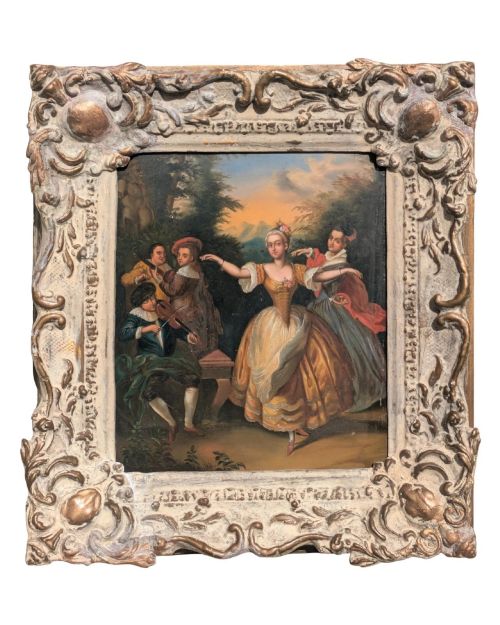
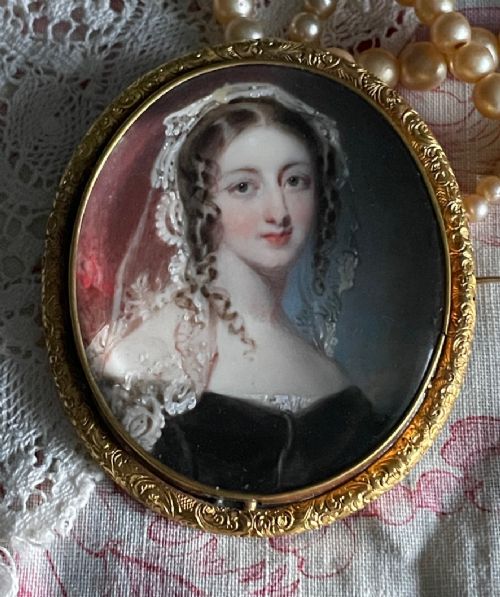
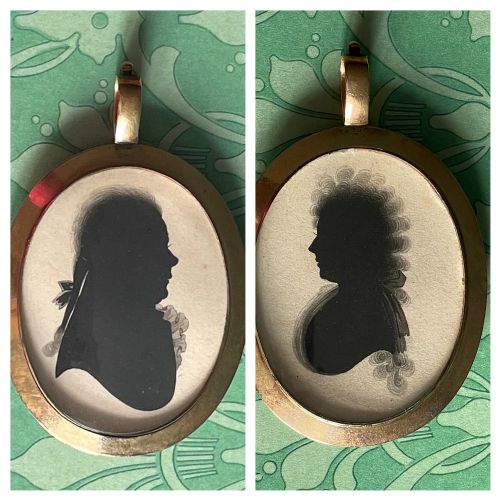
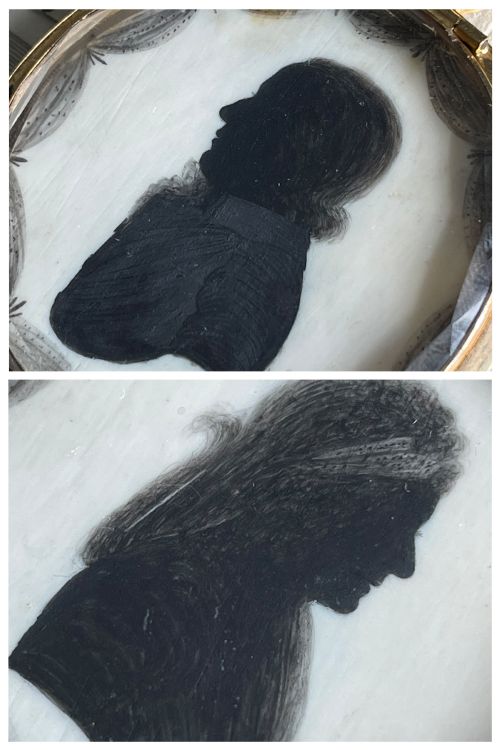
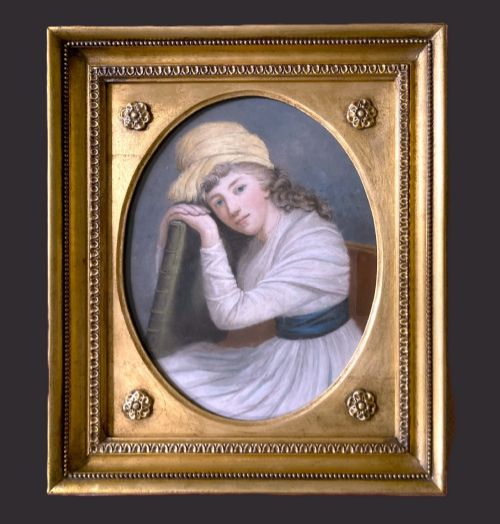
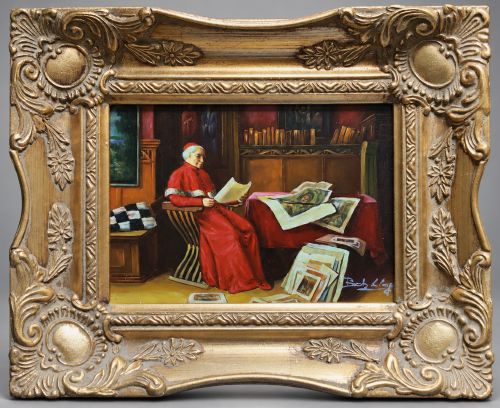
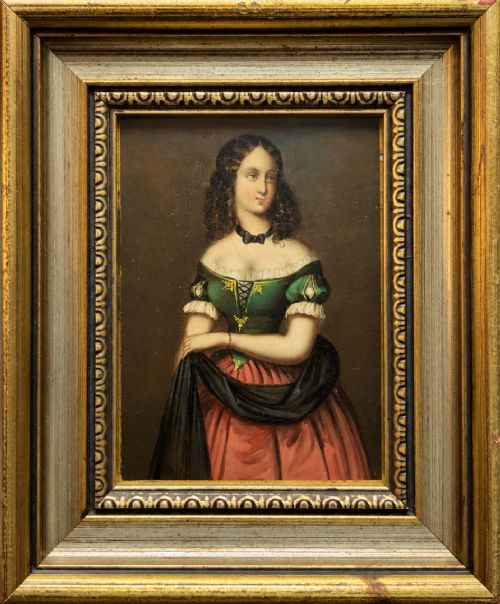
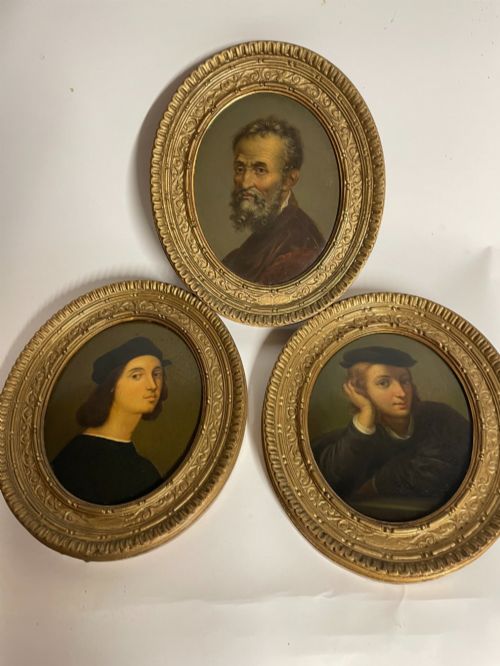
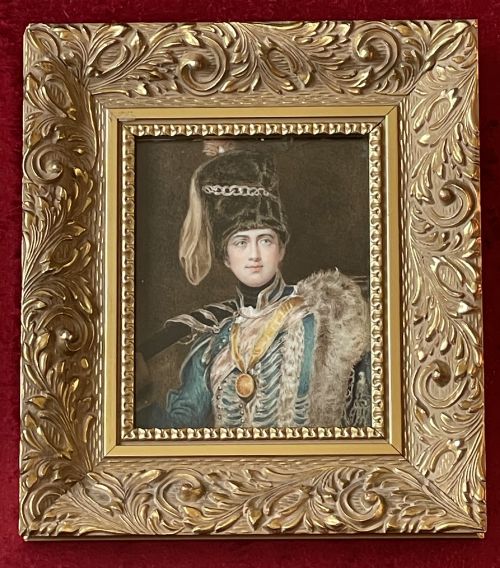
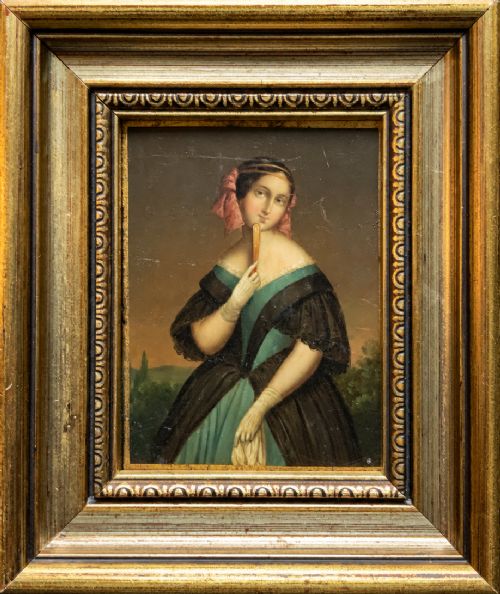
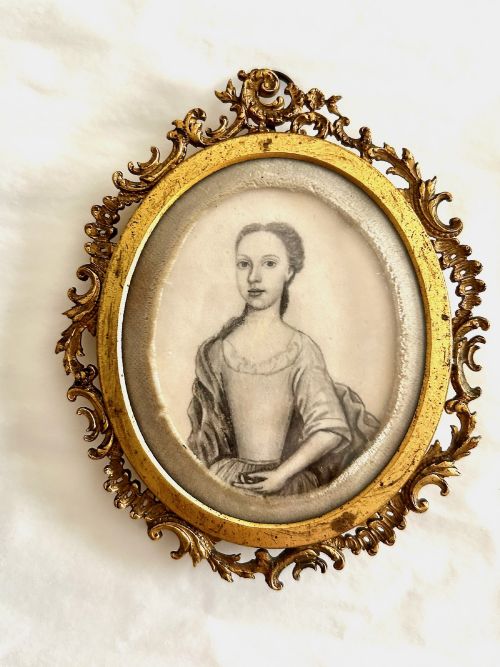
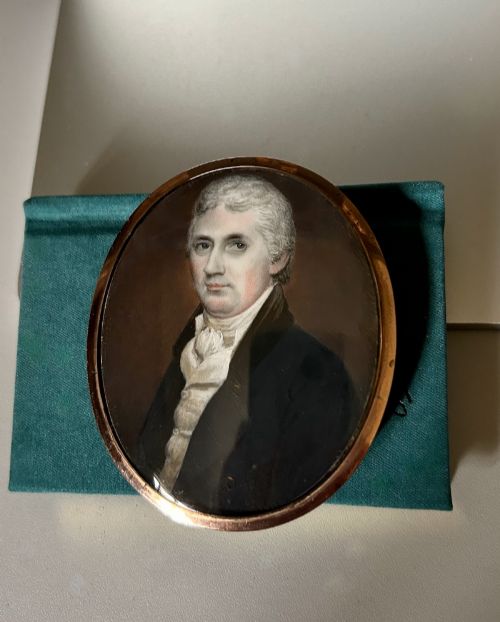
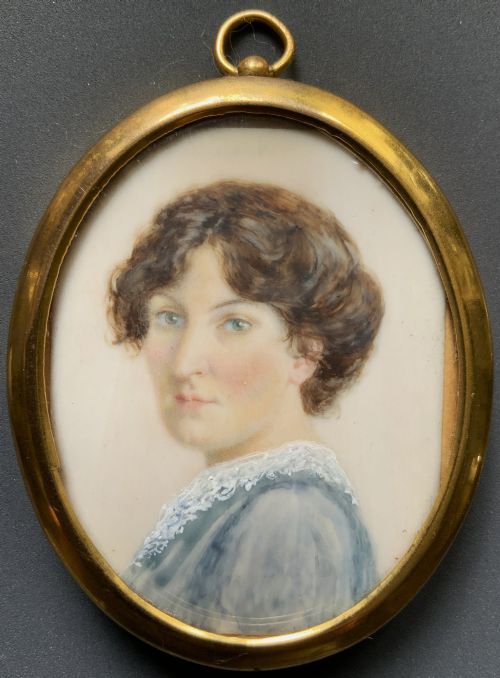
A gold gilt miniature encompasses compact portrait paintings, delicate carriage clocks, and small decorative boxes originating from the eighteenth, nineteenth, and early twentieth centuries. These diminutive works frequently showcase detailed portraiture executed in watercolour, oil, or pastel, housed within ornate metallic frames.
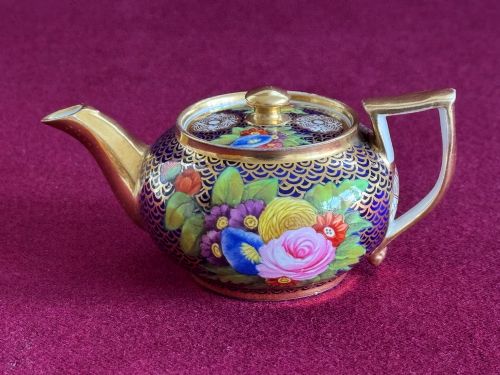
Buyers will encounter numerous portrait miniatures depicting ladies, gentlemen, and children, alongside gilded metal and bronze reductions, carriage clocks, and lacquer objects. The prevailing aesthetic draws heavily from Georgian, Regency, and Victorian sensibilities, often incorporating Rococo Revival ornamentation.
Origins span across British, French, and Japanese workshops, reflecting a diverse range of historic small-scale craftsmanship. The common thread uniting these diverse artefacts is their petite scale and the application of gold leaf, gilt bronze, or gilt brass.
Materials and construction methods
Makers utilised substrates such as ivory, paper, glass, porcelain, and wood for the primary painted or relief surfaces, applying delicate watercolours, oils, gouache, or enamel. Portrait miniatures on paper or card required exceptional precision from artists working with fine brushes under natural light.
Metal components, including frames, chatelaine scent bottles, and carriage clock cases, relied on gilt brass, gilt-bronze, or gold-plated alloys. Artisans employed techniques like fire gilding, engraving, and casting to achieve the brilliant metallic surfaces characteristic of the period.
Giltwood and lacquer elements, seen in tabernacles and Japanese export boxes, involved traditional woodcarving and layered lacquering finished with gold dust or leaf. These construction methods ensured that even the smallest objects displayed durable, decorative opulence.
Gold Gilt Miniature Retail Price Guide 2026
Typical asking prices for gold gilt miniature among the pieces listed under this phrase on Sellingantiques today, from the lower quarter to the upper quarter. They describe what is for sale here now, not the wider market.
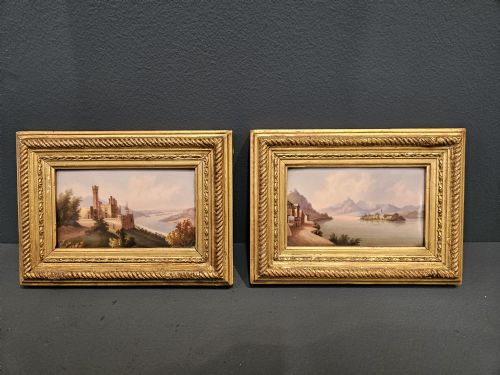
Listings feature items spanning the 18th, 19th, and early 20th centuries, utilising glass, watercolour, gilt metal, giltwood, paper, and enamel.
Evaluating craftsmanship and detail
The casing and framing elevate an object's stature, with finely engraved gilt brass, seed pearl embellishments, and heavy cast bronze reductions representing superior craftsmanship. The preservation of the original glass, gilding, and structural integrity dictates the distinction between standard and exceptional examples.
James Ferguson·Frederick Buck·James Sharples·John C D Engleheart·Charles Hayter·Rodier
The Gold Gilt Miniature Glossary
- Gilt bronze
- An alloy of copper and zinc finished with a layer of finely ground gold. This technique imparts a rich metallic lustre to decorative sculptures, clock mounts, and frames.
- Portrait miniature
- A small-scale painting executed with meticulous precision, usually depicting a specific person. Artists traditionally worked on vellum, card, or ivory.
- Reverse painted on glass
- An artistic technique where the image is painted directly onto the back of a glass panel to be viewed from the front. This method protects the pigments and produces a glossy finish.
- Carriage clock
- A small, portable spring-driven clock designed for travel during the nineteenth century. These timepieces typically feature bevelled glass panels within a heavy gilt brass frame.
- Chatelaine
- A decorative belt hook worn with a series of suspended chains carrying small utility items. Scent bottles, watches, and seals were frequently attached in this manner.
Gold Gilt Miniature: Frequently Asked Questions
What is a gold gilt miniature?
A gold gilt miniature is a small-scale artwork, timepiece, or decorative object decorated with gold leaf or gilt metal. These pieces encompass everything from intimate portrait paintings to carriage clocks and scent bottles.
Created across several centuries, they reflect the refined tastes of collectors who prized intricate detail compressed into a portable format.
How do I care for a gilt miniature?
Protect these delicate items by keeping them away from direct sunlight, which fades watercolours and damages paper substrates. Maintain a stable indoor environment to prevent wood warping and metal tarnishing.
Dust the frames gently with a soft, dry brush and avoid using chemical cleaning agents on the gilded surfaces or painted glass.
How do I tell Victorian pieces from Georgian ones?
Georgian pieces often display the softer, powdered aesthetic of the late eighteenth and early nineteenth centuries, with simpler oval frames and subtle watercolours. Victorian examples frequently lean towards heavier, ornate cast brass frames and richer, more saturated oil or porcelain palettes.
Examining the fastening mechanisms, glass bevels, and stylistic motifs helps anchor an object within its specific nineteenth-century decade.