



Gold Gilt Furniture
Gold gilt furniture brings bright presence to a room, offering console tables, mirrors and seats finished in leaf and ormolu.
Gold Gilt Furniture
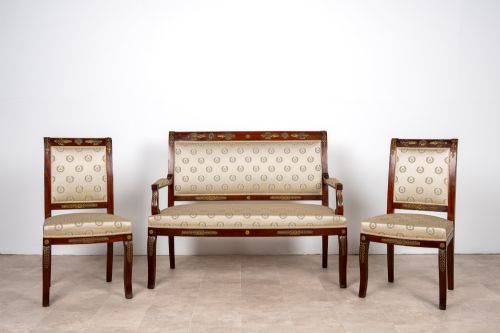
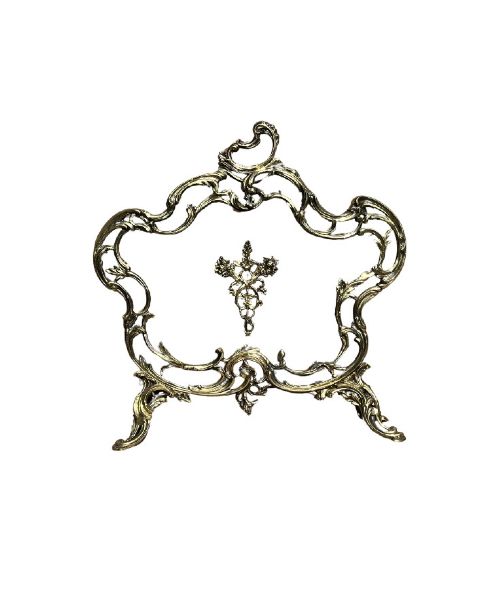
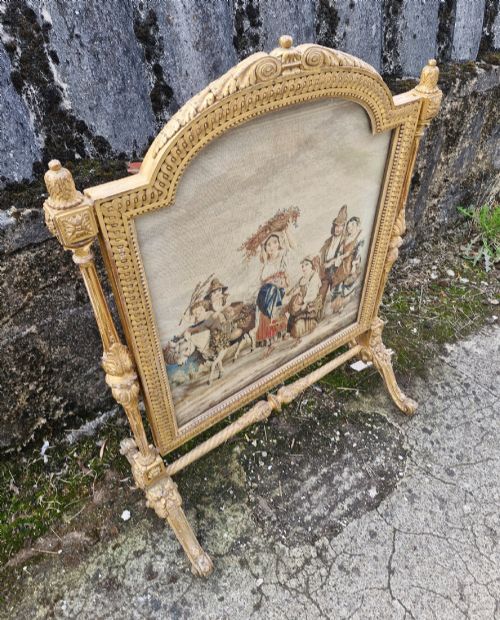
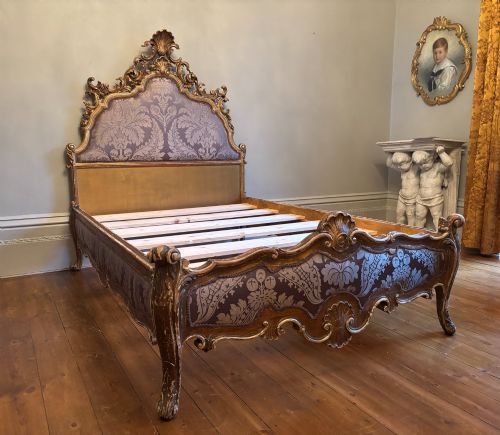
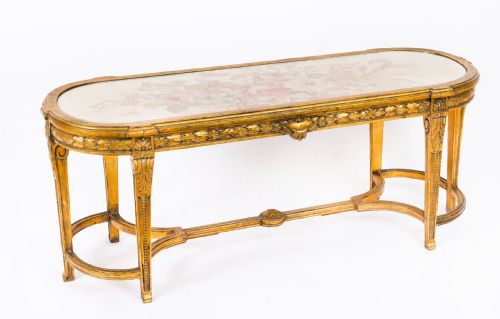
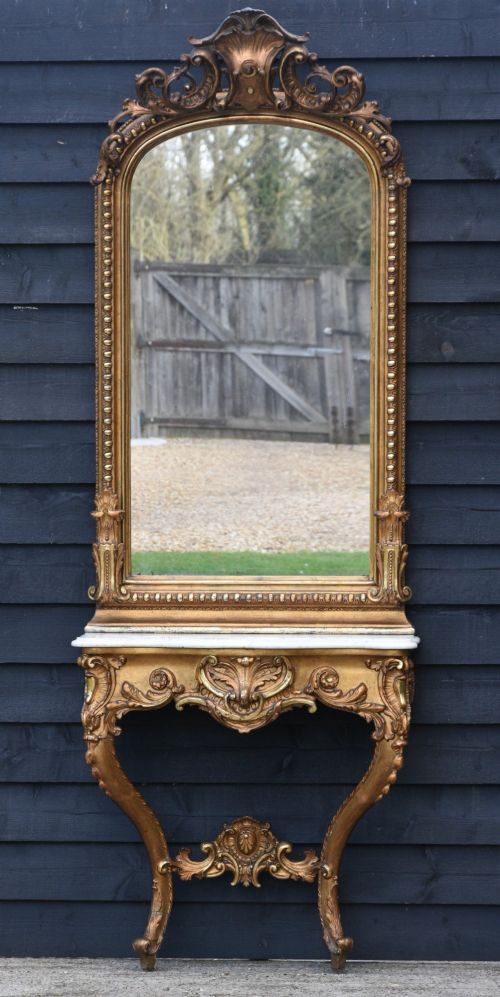
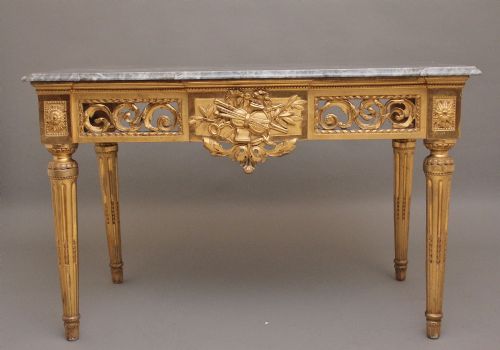
Gold gilt furniture encompasses console tables, display cabinets, armchairs, and fire screens originating primarily from nineteenth and eighteenth-century French and Italian workshops. Buyers searching this phrase encounter console tables paired with pier mirrors, alongside seating and occasional tables dressed in rich surface treatments.
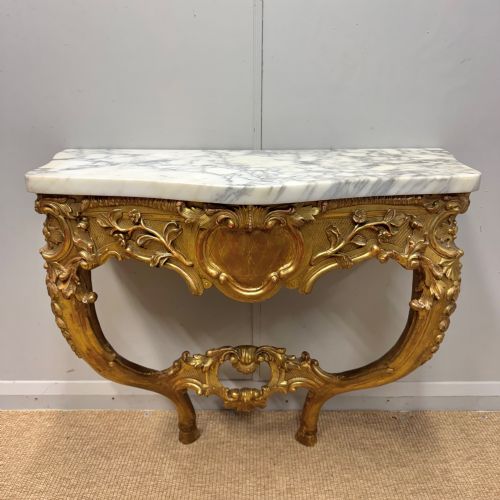
The most prevalent pieces on this page are nineteenth-century console tables, often topped with marble and set against matching mirrors, alongside seating and small cabinets. These items reflect revival styles such as Louis XVI, Rococo, and Italian Neoclassical designs.
Originating largely from continental drawing rooms and salons, these objects served to reflect candlelight and signal status through reflective surfaces and carved wood. Their survival across centuries demonstrates their enduring role in formal interior decoration.
Materials and Technique
Giltwood forms the structural basis for many pieces, created by applying thin sheets of gold leaf over a prepared gesso layer on carved timber. This technique allows intricate floral and scroll motifs to catch the light from multiple angles.
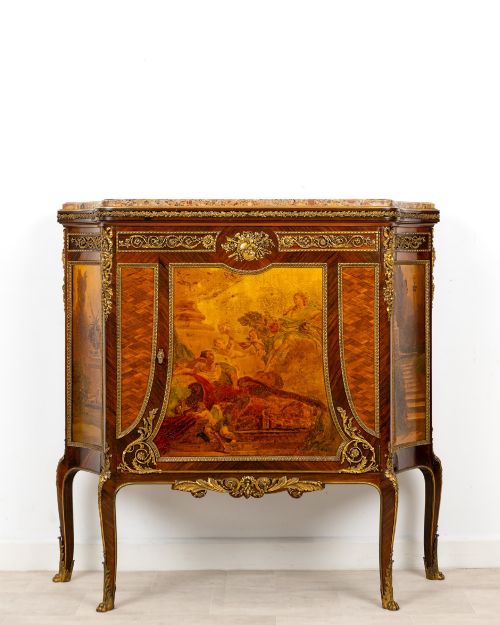
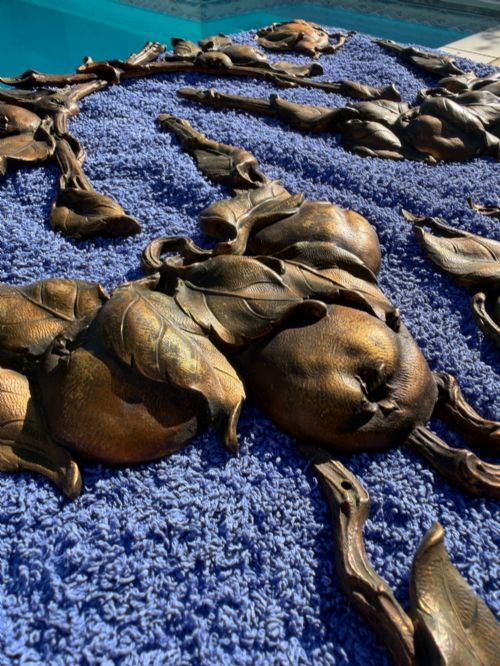
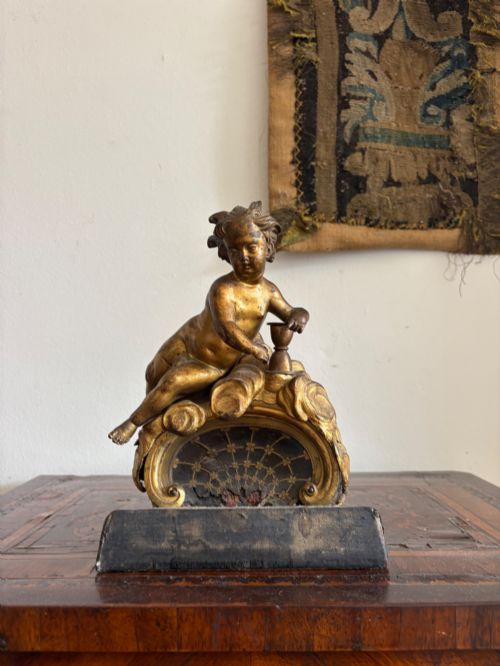
Ormolu and gilt-bronze mounts provide contrasting metallic detail, cast and chased before being applied to cabinets, tables, and étagères. Marble slabs, including figured varieties like breccia, frequently complete the tops of console tables and commodes.
Gold Gilt Furniture Retail Price Guide 2026
Typical asking prices for gold gilt furniture among the pieces listed under this phrase on Sellingantiques today, from the lower quarter to the upper quarter. They describe what is for sale here now, not the wider market.
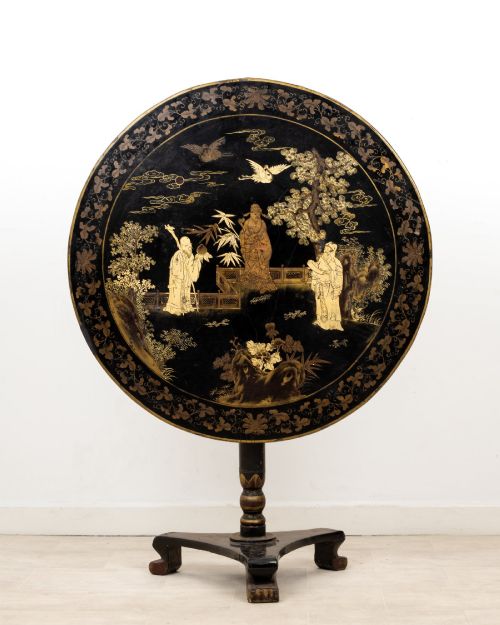
Listings span the eighteenth and nineteenth centuries, featuring materials such as giltwood, marble, ormolu, and lacquered wood.
Judging Quality
Quality rests in the crispness of the initial wood carving beneath the gold leaf and the depth of the metal chasing on ormolu mounts. Finer pieces retain their original gilding without heavy modern repainting, showing subtle wear that reveals the reddish bole underneath.
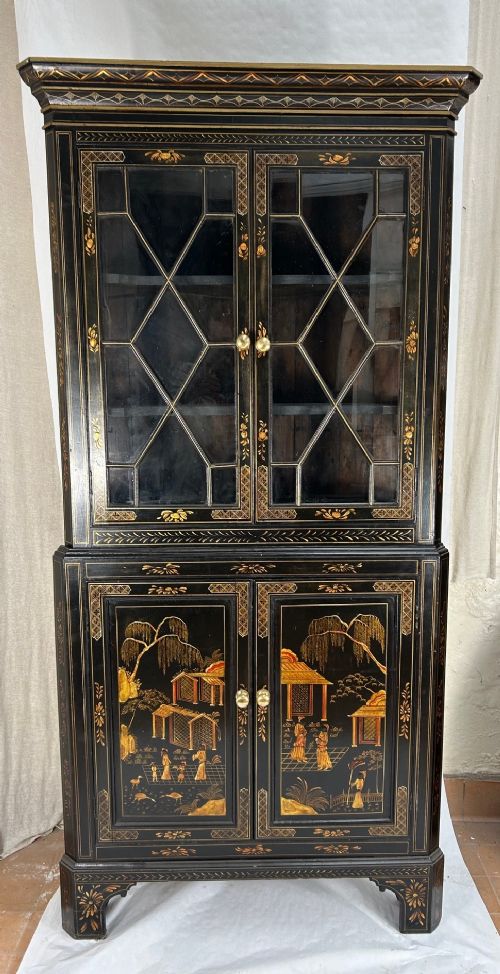
The integration of materials dictates distinction, such as the exact fit of figured marble tops into giltwood frames or the precision of lacquer work on chinoiserie pieces. Maker attribution, visible in stamps or historical provenance, further separates standard production from exceptional salon furniture.
François Linke·Poix Blin·Jacob-Desmalter·Strahan of Dublin·H. J. Hatfield & Sons
The Gold Gilt Furniture Glossary
- Giltwood
- Timber carved and coated with gold leaf over a fine gesso ground. It provides the bright, reflective finish characteristic of formal European console tables and mirrors.
- Ormolu
- Gilded bronze applied as decorative mounts to furniture. The technique involves mercury amalgamation or electroplating to bond gold to cast bronze elements.
- Gesso
- A plaster-like mixture applied to wood surfaces to create a smooth base for gilding. It holds sharp detail for carved ornamentation.
- Console table
- A table designed to stand against a wall, frequently supported by two front legs and secured with wall brackets. They often appear beneath matching pier mirrors.
- Fauteuil
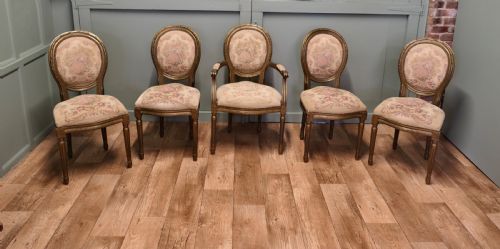
- An open-armed upholstered armchair with exposed wooden framing. French examples from the nineteenth century often feature giltwood finishes.
- Pier glass
- A tall mirror designed to hang on the wall space between windows, frequently paired below with a console table.
Gold Gilt Furniture: Frequently Asked Questions
Where should a console table go?
These tables suit hallways, drawing rooms, or spaces beneath large wall mirrors where their reflective surfaces expand the room.
Position them flat against a wall to support decorative objects, lamps, or porcelain.
How do I clean giltwood?
Dust surfaces gently with a very soft, dry brush to prevent damage to the delicate gold leaf.
Avoid liquid cleaners, polishes, or abrasive cloths which strip the thin metallic layer from the gesso.
Are marble tops removable?
Marble slabs on console tables and commodes usually rest loose on the wooden frame for transport.
Lift them carefully with assistance when moving the furniture to avoid chipping the stone or the giltwood edges.
How do I spot a revival piece?
Revival items from the nineteenth century adopt earlier styles like Louis XV, Louis XVI, or Italian Rococo.
Examine the construction methods, secondary timbers, and fastener types to date the actual manufacture rather than the design inspiration.