





Gold Gilt Framed Landscape
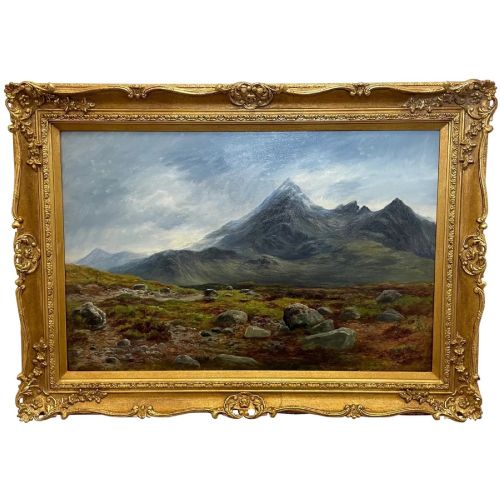
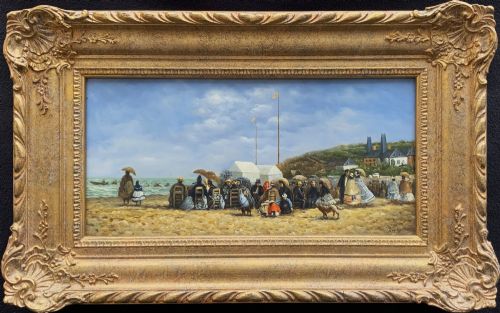
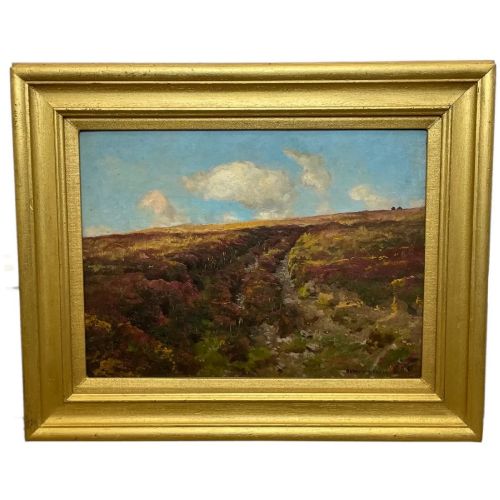
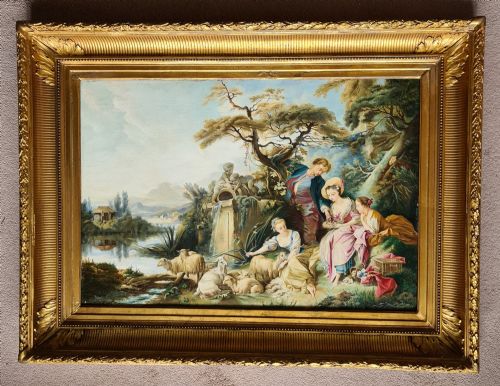
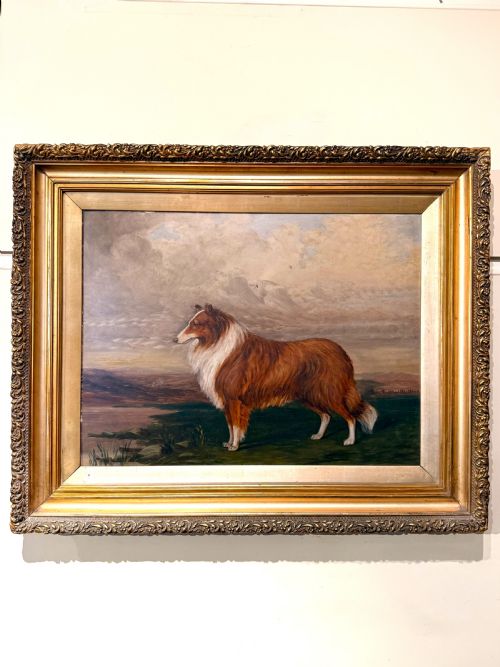
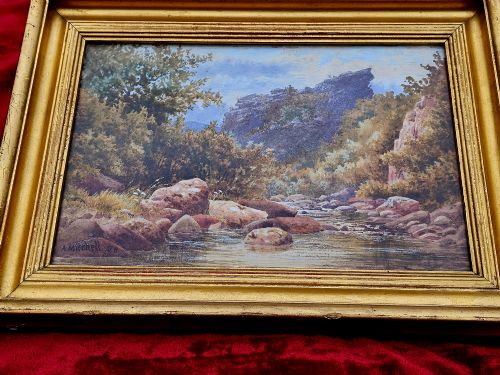
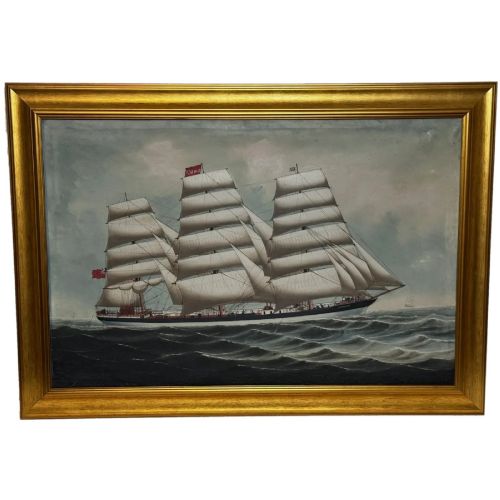
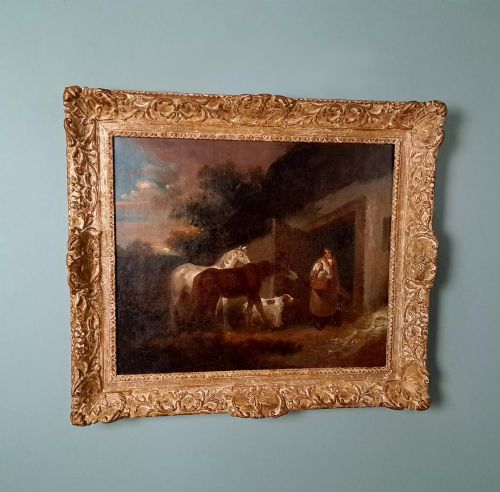
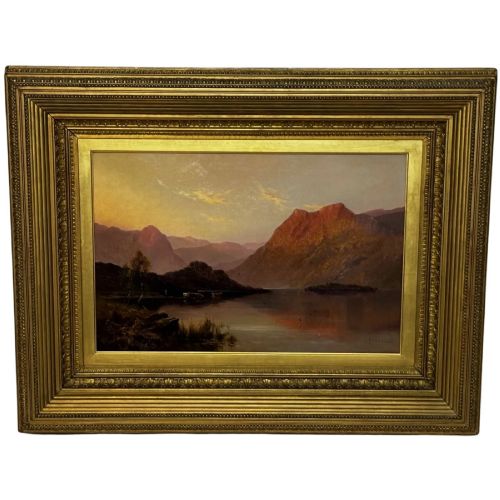
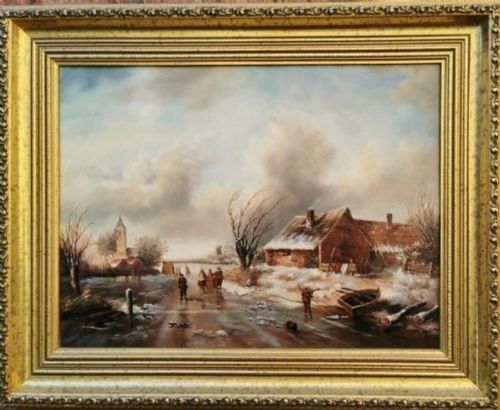
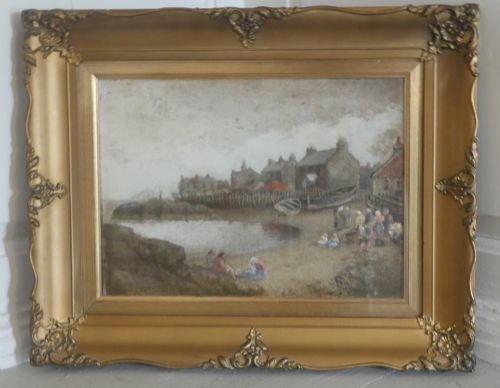
A gold gilt framed landscape brings together oil paint and wood moulding to capture pastoral, marine or woodland scenes.
Gold Gilt Framed Landscape
A gold gilt framed landscape presents scenic views, rural expanses and coastal water through oil on canvas, oil on board, oil on panel or watercolour, encased in ornate or simple gilded surrounds. These works span the Victorian era, the nineteenth century and the early twentieth century, taking in British Impressionism, Romanticism and the Victorian Pastoral style.
Buyers seeking a gold gilt framed landscape encounter works created by British, French and Italian schools, depicting scenes from Scottish mountains to West Country harbours. The selection includes framed artworks and fine art oil paintings produced across the decades from eighteen-sixty to nineteen-sixty.
The most common pieces on this page are nineteenth century oils on canvas and board, carrying the characteristic gold leaf or gesso frames that define the genre. They vary from small pastoral panels to large canvas depictions of harvest fields, livestock and marine views.
Materials and construction
Painters applied oil paint or watercolour to woven canvas, wooden panels or paper substrates, utilising natural pigments to build up depth in skies, foliage and water. These supports were fixed into timber stretchers or backing boards before insertion into the outer casing.
Frames combine wood, gesso and gold gilt, where plaster compositions were moulded over carved timber bases and coated in gold leaf or metallic paint to create the reflective border. Artisans shaped these surrounds to complement the pastoral or marine subjects held within.
Listings feature works from the nineteenth century, nineteen-hundreds, nineteen-tens, nineteen-twenties, nineteen-sixties and the Victorian period.
Assessment of quality
Quality rests in the handling of light, brushwork and atmospheric depth within the painted landscape, alongside the integrity of the original gesso and gilt on the wooden frame. Works by established regional and Royal Academy artists demonstrate superior draughtsmanship in figures, animals and architecture compared to anonymous student pieces.
The preservation of the paint surface, minimal cracking, and the retention of the original gilded frame without extensive modern restoration separate the finer examples from heavily repaired alternatives.
William Beattie-Brown·William Howard Hardy·Arthur Wardle·John Horace Hooper·Reginald Arthur Borstel·William Joseph Shayer·Alfred Fontville de Breanski·George Houston·William Banks Fortescue·Thomas W Lascelles·James Kay·Augusto Alberici·Gabriel Mathieu·David Bates·Robert John Hammond·Walter Heath Williams·Bonaventura Peeters·Robert Thorne Waite·Antonio DeVity·Francis Moltino
The Gold Gilt Framed Landscape Glossary
- Giltwood
- Wood carved and coated with gold leaf or metal leaf. This material provides the bright, reflective border characteristic of period frames.
- Gesso
- A plaster mixture applied to wood frames and carved to create raised decorative mouldings. It forms the base beneath the gold leaf layer.
- Oil on Canvas
- Pigment bound in drying oil applied to a stretched woven fabric support. This medium allowed artists to achieve rich colour saturation and lasting durability.
- Victorian Pastoral
- A nineteenth century artistic style focusing on idealized rural life, agricultural labour and domestic animals. These scenes often feature cottages, harvest fields and grazing livestock.
- Watercolour
- Pigments suspended in a water-based, translucent solution applied to paper. It produces luminous, delicate effects distinct from the heavy texture of oil paint.
Gold Gilt Framed Landscape: Frequently Asked Questions
What periods do these pieces date from?
The listings span the nineteenth century, the Victorian era, and the early to mid-twentieth century up to nineteen-sixty. They include works produced during the height of British landscape painting and later traditional revivals.
Most items originate from the eighteen-sixties through to the nineteen-twenties, reflecting established academic and regional artistic movements of those decades.
How should I hang a gilt framed landscape?
Secure the piece using appropriate wall fixings that match the weight of the timber and gesso construction. Hang the artwork away from direct sunlight and moisture to protect both the canvas and the gilded surface.
Ensure the wall mount engages directly with structural supports, as period frames can carry considerable weight due to their dense wooden and plaster composition.
How do I identify a Victorian pastoral painting?
Look for rural motifs such as harvested fields, figures outside cottages, grazing livestock and working horses under expansive skies. These subjects celebrate traditional country life and agricultural scenes popular in nineteenth century Britain.
The palette typically relies on earthy greens, warm browns and soft golden light to evoke a calm, romanticized atmosphere.
What is the difference between canvas and panel works?
Canvas works consist of woven fabric stretched over a wooden frame, offering slight give and a textured surface visible through the paint layers. Panel and board works utilise rigid wooden supports, providing a smooth, stable surface for fine detail.
Both supports were widely used across the nineteenth and twentieth centuries, with panels often appearing in smaller landscape formats.