




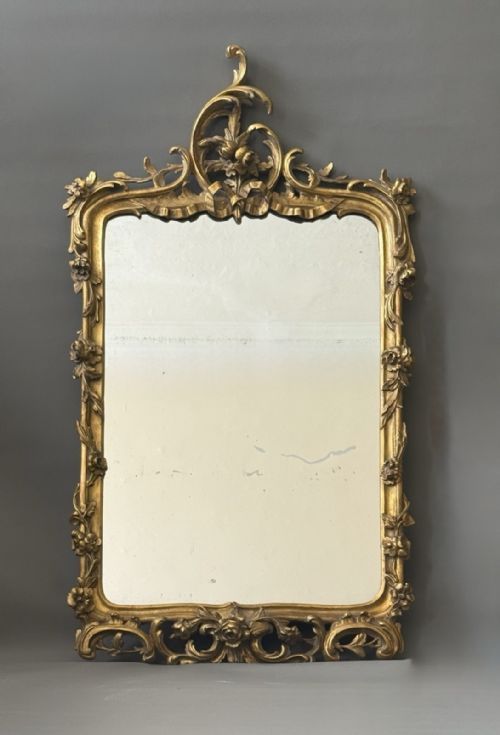



Gold Gilt Frame
A gold gilt frame brings warmth and reflected light to walls, housing centuries of oils, pastels, and mirrors.
Gold Gilt Frame
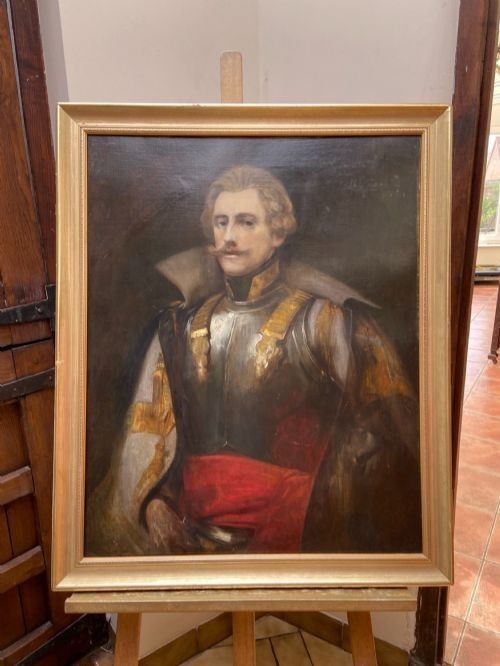
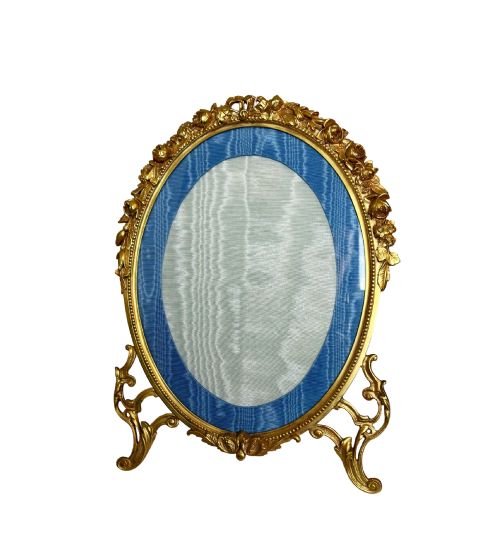
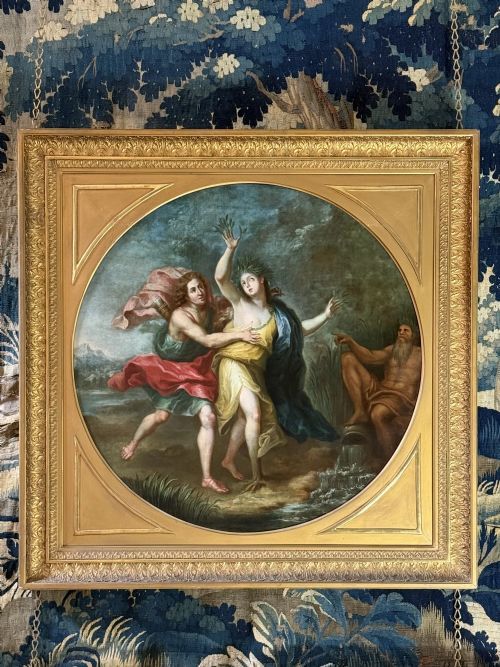
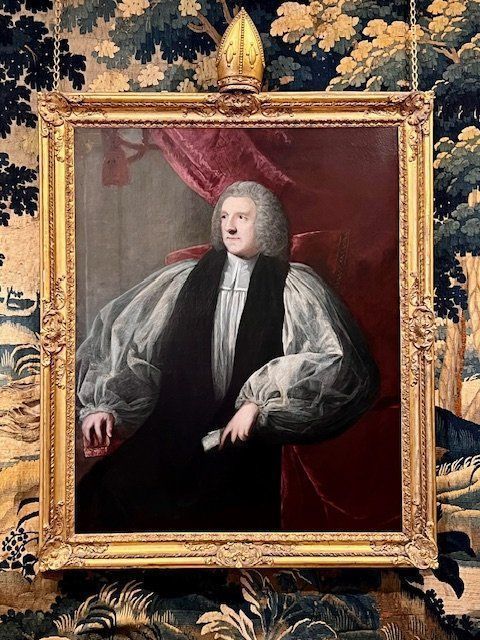
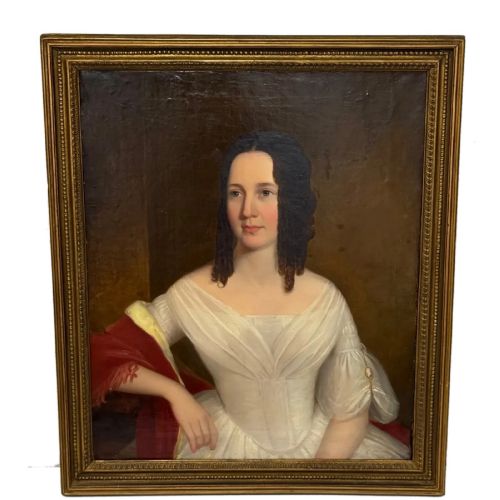
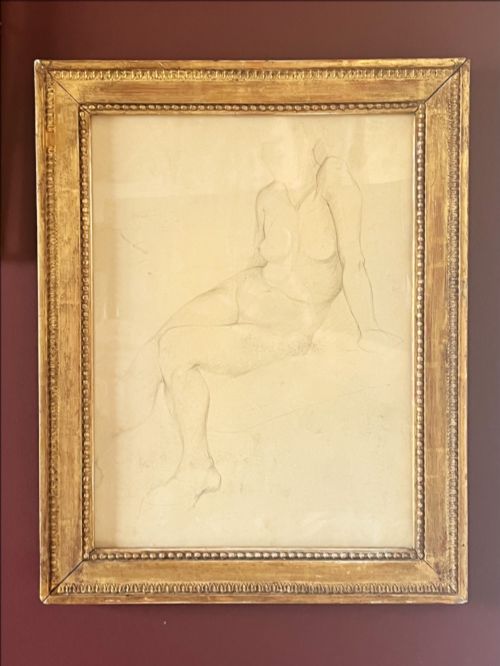
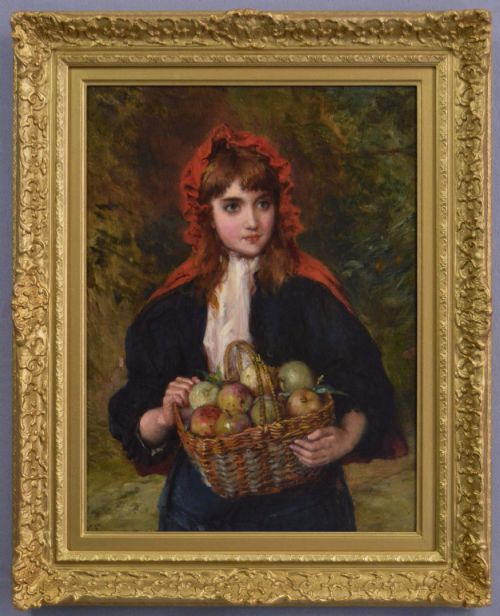
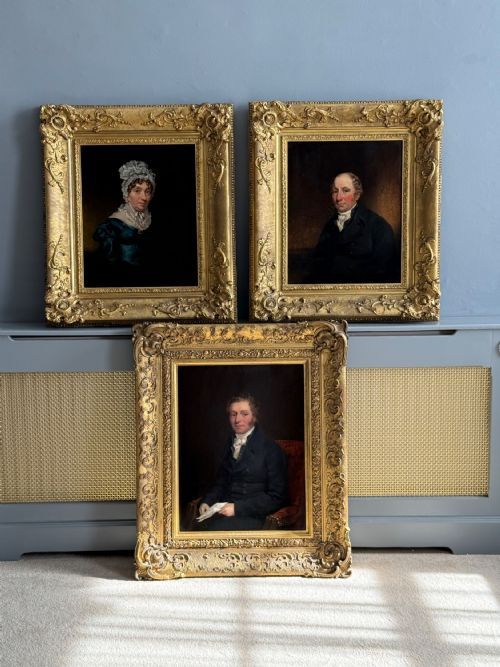
When searching for a gold gilt frame, collectors encounter two distinct forms: standalone surrounds made to house fine art or mirrors, and period pieces encasing original oil paintings, drawings, and engravings.
The inventory spans from the seventeenth century through the twentieth century, encompassing Georgian, Victorian, and French Rococo aesthetics.
Wall mirrors, overmantel mirrors, and empty picture frames sit alongside portraits on canvas and panel, demonstrating the wide domestic application of gilded surrounds.
How they were made
Makers formed the structural foundation of these surrounds using carved wood, often layering gesso to build up intricate relief ornaments before applying gold leaf or bronze finishes.
Surrounds frequently combined timber substrates with moulded composition details, securing antique plate glass or canvas artworks within the rebate.
Joinery techniques ranged from heavy pegged corners on large architectural overmantel mirrors to delicate mitres on picture frames.
The inventory includes portrait paintings, wall mirrors, overmantel mirrors, and standalone picture frames across various stylistic periods.
What varies in quality
The depth and crispness of the carved wood and gesso ornamentation separate exceptional examples from simpler moulded versions, with hand-carved acanthus leaves and swept corners showing superior craftsmanship.
The integrity of the original gilding surface dictates value, where untouched gold leaf displays a softer, warmer patina than later overpainting or poor restoration.
Weight and structural rigidity indicate the quality of the underlying timber carcass, particularly in large overmantel and floor-standing mirrors that require robust joinery.
Charles Nosotti·Sir Joshua Reynolds·Sir Godfrey Kneller·Joseph Clover·Sir Peter Lely
The Gold Gilt Frame Glossary
- Gesso
- A prepared mixture of chalk, gypsum, and binder applied to wooden frames to create a smooth surface for gilding. This layer was often modeled or stamped into relief patterns before the gold leaf was laid.
- Giltwood
- Timber that has been covered with thin sheets of gold leaf or gold powder. It forms the primary luminous surface of traditional decorative frames and mirrors.
- Overmantel mirror
- A large horizontal mirror designed to hang above a fireplace mantelpiece. These pieces frequently feature ornate architectural crests and heavy gesso moulding.
- Pier glass
- A tall mirror designed to fit the narrow wall space between windows. They often match console tables and fill domestic rooms with reflected light.
- Rebate
- The recessed groove on the inner back edge of a frame designed to hold a canvas, panel, or mirror plate securely in place.
Gold Gilt Frame: Frequently Asked Questions
How do I hang a heavy overmantel mirror safely?
Large overmantel mirrors require substantial wall fixings anchored directly into masonry or studs to support the considerable combined weight of the wood, gesso, and glass.
Professional mirror plates or heavy-duty brackets attached to the frame back ensure the piece remains secure against the wall.
Can an empty picture frame be used as a mirror?
Many empty antique frames easily accommodate custom-cut mirror glass fitted into the existing rebate by a professional glazier.
This method transforms historical picture surrounds into functional wall mirrors while retaining their original gesso and gold leaf character.
How do I clean a antique gilt surface?
Dusting gently with a very soft, dry brush prevents damage to fragile seventeenth and eighteenth-century gold leaf layers.
Water, chemical solvents, and abrasive cloths must be avoided entirely because they strip the delicate metal leaf from the gesso substrate.
How do I identify a Victorian frame?
Victorian frames frequently employ heavy composition ornamentation pressed over wood, often displaying deep swept profiles and rich gold leaf finishes.
Construction details such as machine-cut timber and later backing methods help distinguish these nineteenth-century pieces from earlier Georgian examples.