



Gold Gilt Desk Stand
A gold gilt desk stand brings metallic lustre and functional elegance to a study, uniting period craftsmanship with practical desk accessories.
Gold Gilt Desk Stand
A gold gilt desk stand encompasses ornate metalwork pieces designed for writing desks, most frequently appearing here as inkstands, inkwells, and desk sets originating from the nineteenth and early twentieth centuries.
The selection leans heavily towards French Rococo Revival, Second Empire, and Empire styles, alongside Victorian and Edwardian examples that combine gilding with materials like marble, glass, and porcelain.
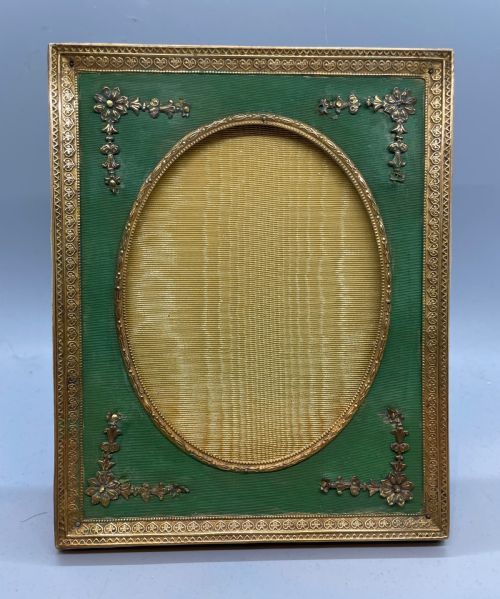
While primarily associated with inkstands, the pieces also incorporate associated desk accessories such as candlestands, picture frames, and novelty items like figural animal inkwells.
How they were made
Maker's workshops utilised bronze, brass, and gilt metal, applying fire gilding or ormolu techniques to impart a rich golden surface onto cast metal bases.
Many items incorporate contrasting natural materials, pairing gilded metal with carved marble plinths, fitted glass inserts for inkwells, and occasionally champlevé enamel or ceramic elements.
Detailed ornamentation was achieved through careful casting and chasing, often reflecting French stylistic revivals or naturalistic motifs such as animals and foliage.
Gold Gilt Desk Stand Retail Price Guide 2026
Typical asking prices for gold gilt desk stand among the pieces listed under this phrase on Sellingantiques today, from the lower quarter to the upper quarter. They describe what is for sale here now, not the wider market.
Listings feature items from the 19th century and Edwardian period, incorporating materials like marble, ormolu, glass, and champlevé enamel.
What varies in quality
Quality separates through the crispness of the metal chasing and the depth of the original gilding, where sharper details and richer patination distinguish superior foundry work.
The choice and integration of secondary materials dictate value, with heavier variegated marble bases and intact, original glass or porcelain components indicating finer production standards.
Albert Marionnet·Barwise London·Robert Hennell
The Gold Gilt Desk Stand Glossary
- Ormolu
- Gilded bronze produced by applying a mercury and gold amalgam to a bronze object and heating it until the mercury vaporised. This historic technique leaves a distinctively rich and durable golden surface.
- Champlevé enamel
- A technique where troughs or cells are hollowed out of a metal surface and filled with vitreous enamel before firing. It creates vibrant coloured patterns across desk accessories.
- Gilt bronze
- Copper alloy cast and coated with a layer of gold. It forms the structural core of many nineteenth-century French desk pieces.
- Inkstand
- A tray or stand holding inkwells, pen holders, and sometimes sanders or bell components. These pieces formed the centrepiece of a nineteenth-century writing table.
- Rococo Revival
- A nineteenth-century design style mimicking the flamboyant, asymmetric curves and naturalistic scrollwork of the eighteenth century. It appears frequently on French desk pieces.
Gold Gilt Desk Stand: Frequently Asked Questions
What is a gold gilt desk stand used for?
These pieces served as functional writing accessories on nineteenth-century desks, holding ink, pens, and sometimes sealing wax or taper sticks for correspondence.
Today, they function as decorative objects that bring period character to modern studies, mantelpieces, or display cabinets.
How do I date a gilt bronze desk stand?
Dating relies on stylistic clues, such as the exuberant curves of Rococo Revival pieces from the mid-nineteenth century or cleaner Edwardian lines.
Maker signatures, registry marks, and the specific composition of the underlying bronze or brass also help narrow down the period.
Are the glass inserts usually original?
Many surviving inkstands retain their original fitted glass or porcelain inkwell inserts, which were made specifically to sit within the metal apertures.
Replacements do occur due to the fragile nature of glass, so inspecting the fit and wear of the insert provides useful context.
What materials accompany the gilt metal?
Desk stands frequently combine gilded bronze or brass with heavy variegated marble bases, adding stability and visual contrast.
Some examples also integrate hand-painted porcelain panels, champlevé enamel, or delicate glass components.