


Gold Gilded Porcelain Vase
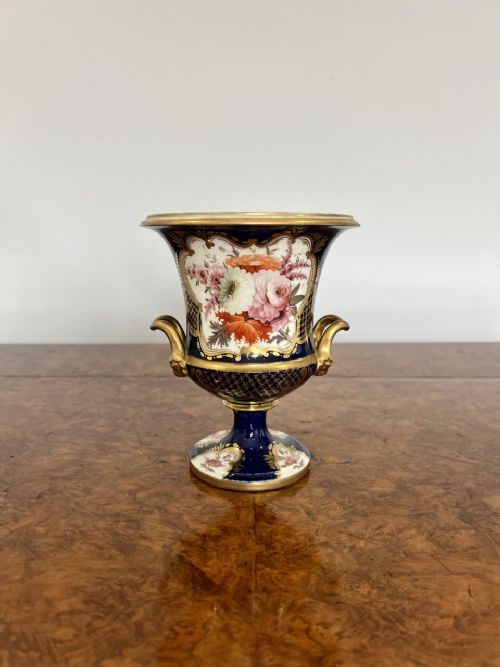
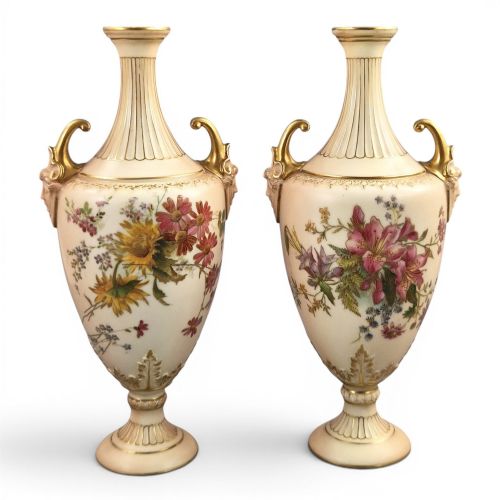
A gold gilded porcelain vase brings together refined ceramic bodies and luminous metallic ornament to anchor a mantelpiece or cabinet.
Gold Gilded Porcelain Vase
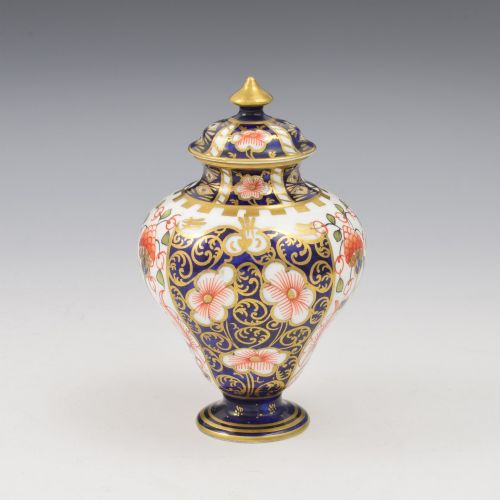
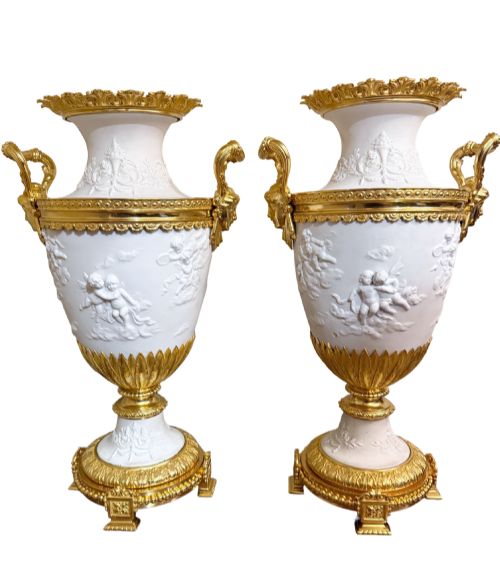
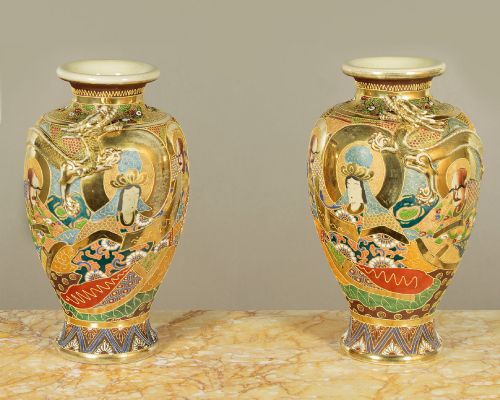
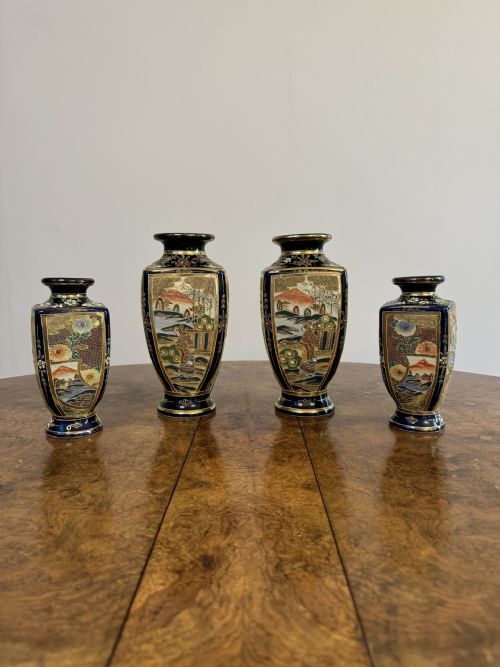
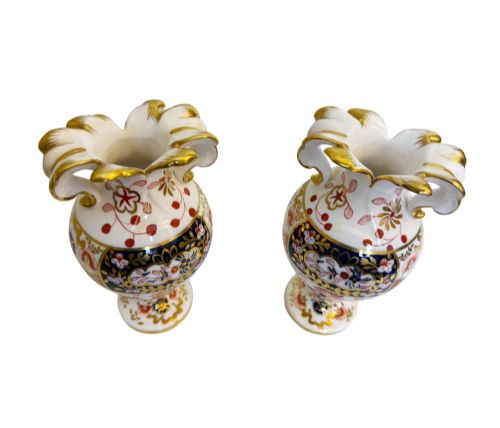
A gold gilded porcelain vase combines fired ceramic forms with surface gilding, reflecting centuries of decorative arts traditions across Britain, continental Europe, and East Asia. When exploring this phrase, buyers encounter everything from Regency campagna urns and Edwardian blush ivory pieces to intricate Meiji period Japanese satsuma earthenware.
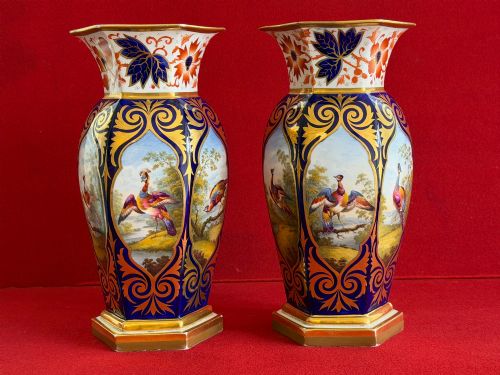
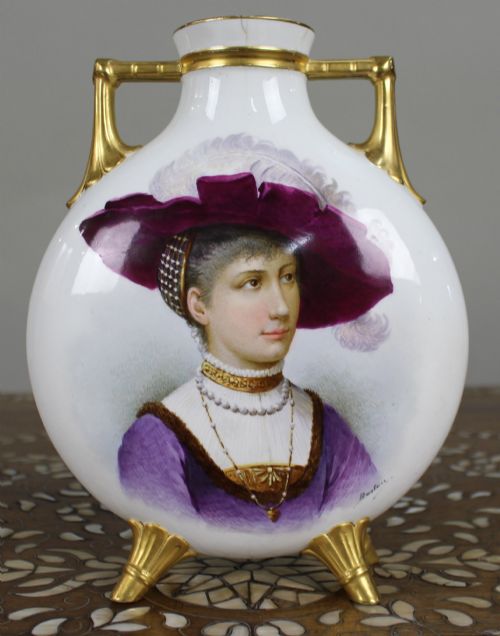
The selections span diverse object types including jardinieres, decorative jars, ewers, and table lamps, often bearing hand-painted scenes or rich imari patterns. Pieces from the nineteenth and early twentieth centuries dominate the offerings, representing various periods such as Georgian, Victorian, and Edwardian eras.
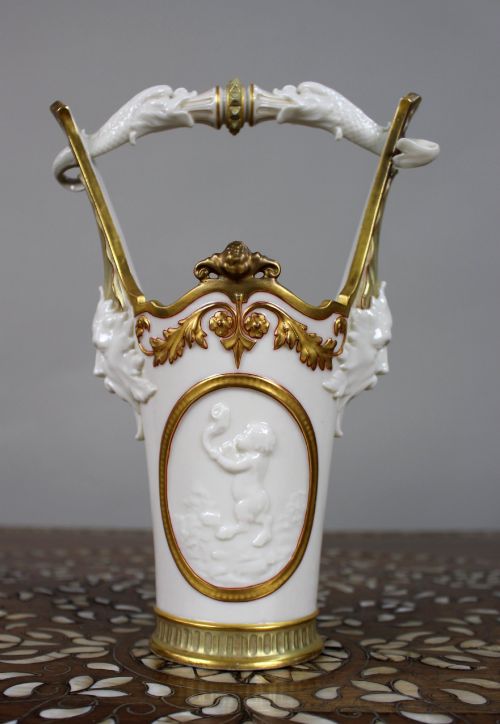
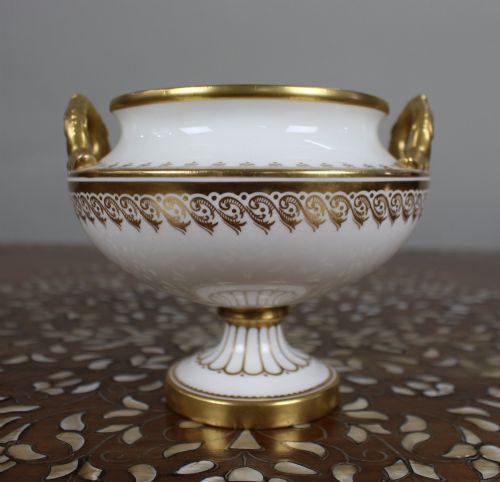
Makers ranging from English factories like Royal Worcester, Spode, and Coalport to Japanese workshops such as Kinkōzan demonstrate how widely this form was interpreted globally. Whether configured as a tall pedestal vessel or a diminutive cabinet miniature, each object relies on the contrast between white or coloured glaze and bright gold leaf.
Materials and production methods
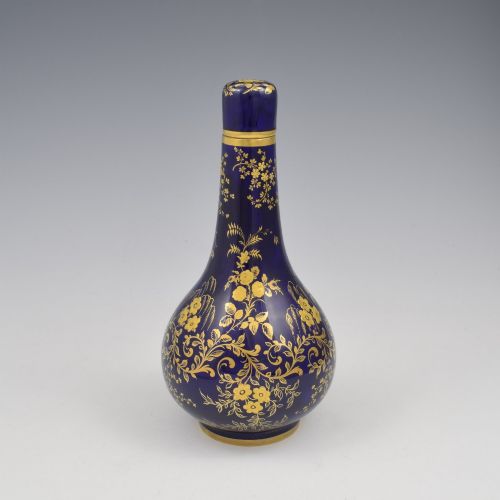
Potters formed these vessels using fine white porcelain or earthen pastes, shaping them on the wheel or casting them in moulds before kiln firing at high temperatures. The resulting biscuit body received smooth glazes, sometimes incorporating cobalt blue or deep mazarine grounds.
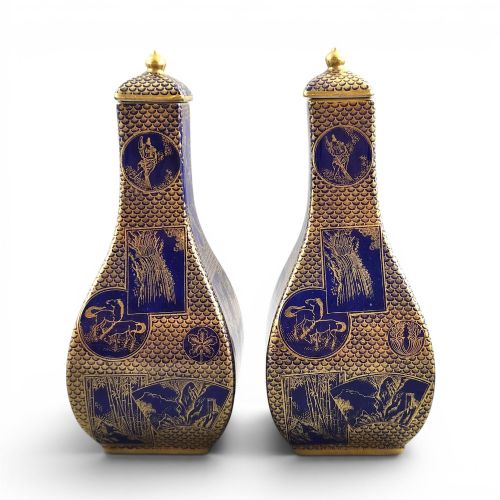
Decorators applied hand-painted enamels and gold leaf or liquid gilt directly onto the glazed surface, returning the vessels to the kiln to fuse the metallic lustre permanently. Artisans then burnished the gold highlights to achieve a matte or mirror-like finish that catches the light.
Some nineteenth-century parrots cast in porcelain wear brighter gold than any real bird ever managed.
Distinctions in craftsmanship
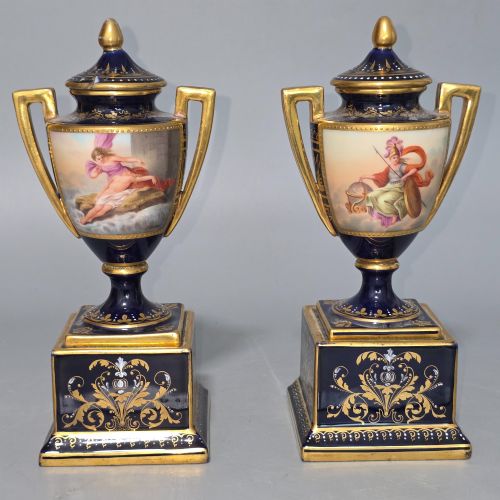
The hierarchy of quality rests primarily on the crispness of the hand-painted detailing and the precision of the gilding applied across the surface. Superior examples display finely rendered botanical scenes, mythological figures, or dense pictorial narratives painted by known artists, rather than simple transfer printing.
The weight and balance of the porcelain body, alongside the depth of the glaze and the purity of the gold leaf, dictate the distinction between standard commercial output and exhibition-grade creations. Well-preserved gilding with minimal rubbing indicates careful handling and higher initial material investment.
Royal Crown Derby·Flight, Barr and Barr·Royal Worcester·Spode·Mason·Vienna Porcelain·Reissner Stellmacher and Kessel·Kinkōzan·Coalport·Minton
The Gold Gilded Porcelain Vase Glossary
- Campagna urn
- A bell-shaped garden or decorative urn form popular in neoclassical design, often mounted on a square plinth. This classical silhouette frequently appeared in nineteenth-century English porcelain.
- Imari
- A style of ceramic decoration featuring rich underglaze blue combined with iron red, green, and heavy gold accents. Originating in Japan, this aesthetic heavily influenced European porcelain manufacturers.
- Gilding
- The application of gold leaf or powdered gold suspended in a medium to ceramic surfaces. It provides the signature metallic sheen defining these decorative vessels.
- Blush ivory
- A soft cream-coloured porcelain body developed by Royal Worcester in the late nineteenth century. It served as a muted background for delicate hand-painted floral motifs.
- Satsuma
- A type of Japanese earthenware featuring a crackled ivory glaze decorated with polychrome enamels and raised gold. These pieces were produced extensively for export during the Meiji period.
- Reticulation
- An openwork ceramic technique where portions of the vessel wall are cut away before firing to create a lace-like geometric or floral pattern.
Gold Gilded Porcelain Vase: Frequently Asked Questions
How do I identify the period of a gilded vase?
Examine the base for factory marks, registration numbers, or artist signatures that correspond to known operating dates of the pottery or workshop. Stylistic clues like neoclassical shapes, Victorian flora, or Meiji motifs further narrow the decade of production.
Compare the quality of the paste and the hand-painting techniques against documented examples from specific eras. Subtle changes in glaze formulations and gilding styles across the nineteenth and early twentieth centuries offer reliable dating evidence.
Were these vases used for holding water?
Many decorative vessels were intended strictly as ornamental garnitures, mantelpiece centerpieces, or cabinet showpieces rather than functional flower holders. Fine gilding and delicate enamels on antique porcelain can be sensitive to moisture and mineral deposits.
Larger jardinieres and certain utilitarian jugs were designed for plants or liquids, but examining the interior condition helps determine historical use. When in doubt, avoid filling antique pieces with water to preserve the original surface integrity.
What does Satsuma mean on a Japanese vase?
Satsuma refers to a distinctive style of earthenware originating from the Satsuma province in southern Japan, characterised by an ivory-coloured, finely crackled glaze. These decorative wares gained immense popularity in the West during the late nineteenth century.
Artisans embellished these vessels with elaborate, densely packed scenes rendered in enamel colours and raised gold leaf. Many pieces bear signatures of master workshops such as Kinkōzan or individual artists on the base.