



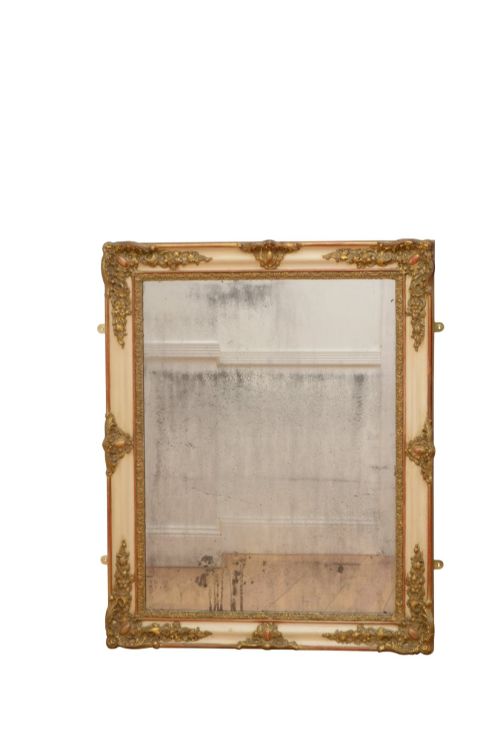
Gold Gesso Frame Mirror
A gold gesso frame mirror brings architectural presence and reflective depth to a room through centuries of decorative tradition.
Gold Gesso Frame Mirror
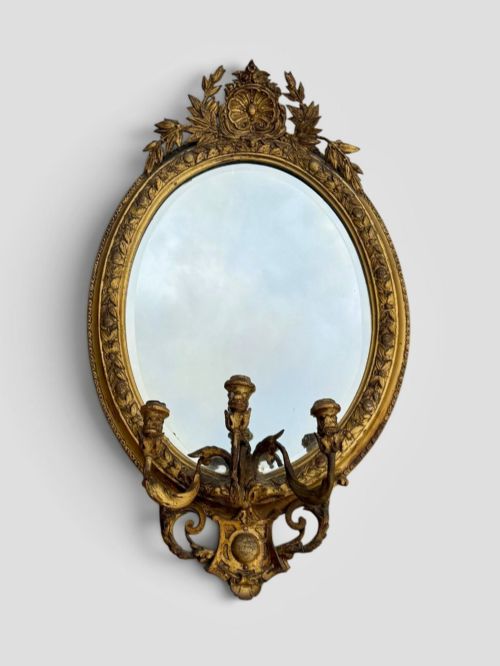
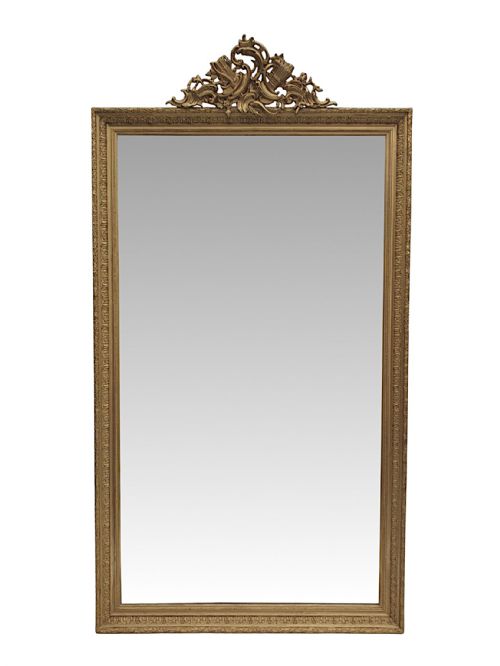
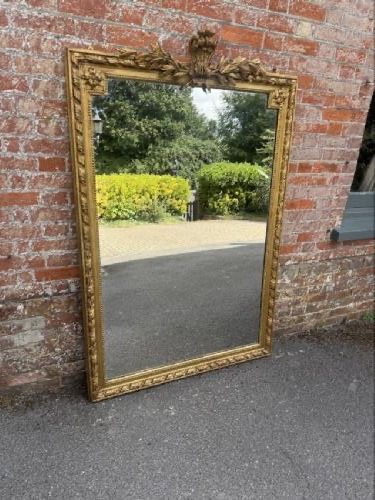
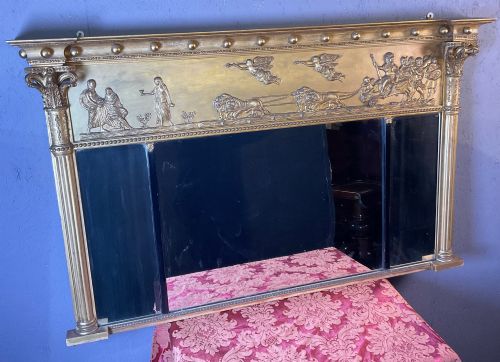
A gold gesso frame mirror combines carved wooden structure with a plaster-based ground to create a heavily ornamented reflective surface. These pieces span from the eighteenth century through the Victorian era and into the early twentieth century, taking the form of overmantles, wall mirrors, pier glasses, and girandoles.
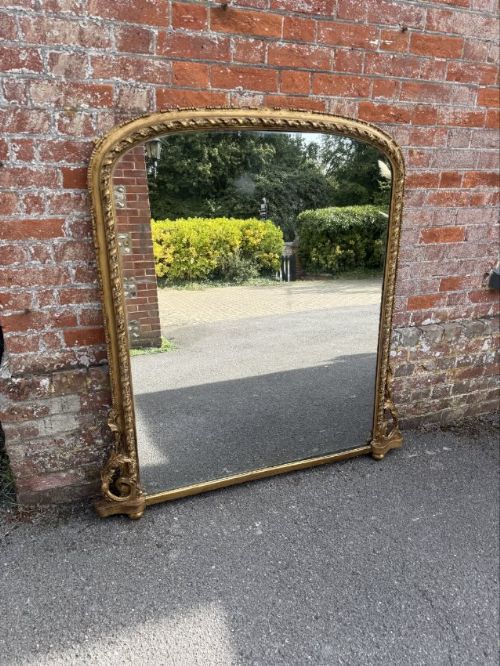
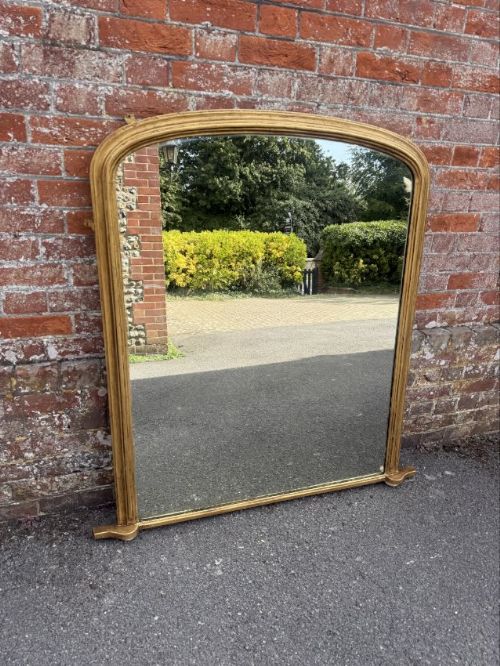
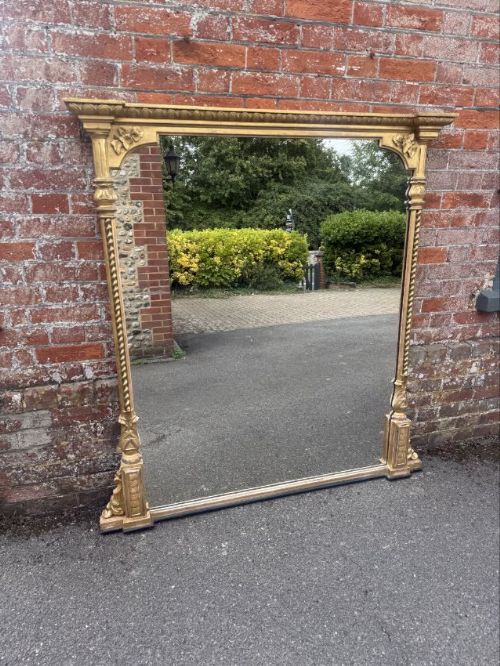
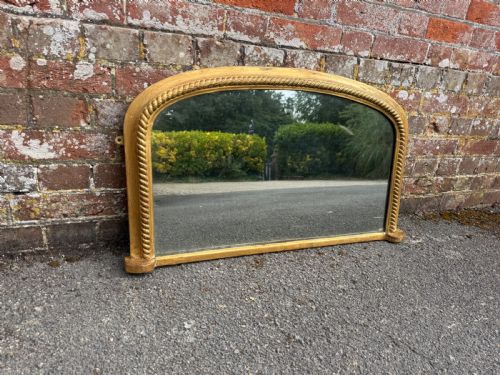
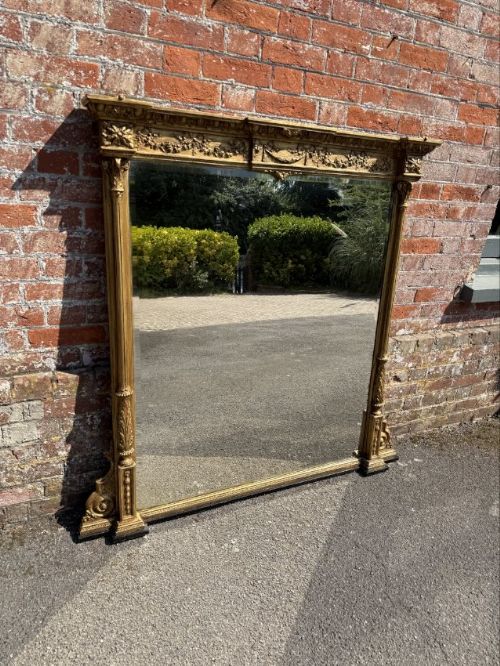
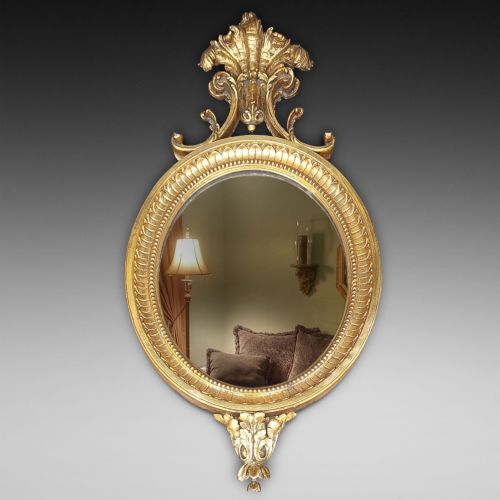
The buyer most frequently meets nineteenth-century English and French examples on this page, often featuring arched tops or ornate rope twist and column motifs. Alongside these larger architectural statements, smaller wall-hung and oval formats appear across various periods.
Originating in domestic interiors to bounce natural light around dimly lit rooms, these objects function simultaneously as functional looking glasses and decorative focal points. Their styles draw heavily from French Rococo, Grand Regency, and Victorian revivals.
Materials and construction
The structural foundation relies on carved wood, typically pine or oak, which provides the robust skeleton needed to support heavy glass plates. Artisans applied multiple layers of gesso - a mixture of chalk, gypsum, and glue - onto this wooden base to build up depth for subsequent carving and ornamentation.
Guilders applied gold leaf over the prepared gesso surface, often burnishing parts to a high shine while leaving other areas matte for textural contrast. Historic examples frequently incorporate original mercury plates within these elaborate giltwood frames.
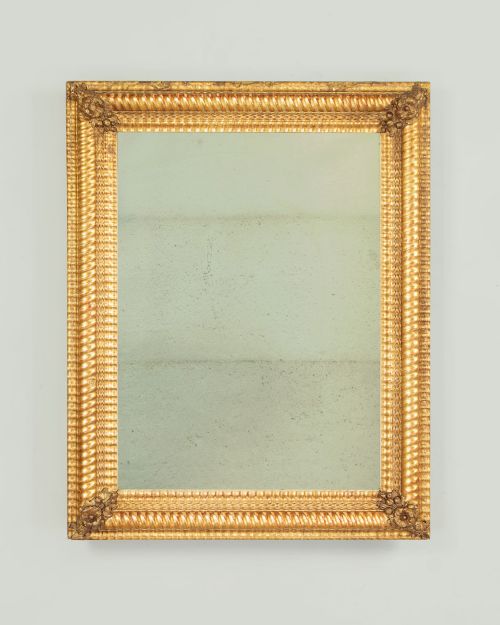
The inventory records diverse forms such as overmantle mirrors, wall mirrors, girandoles, and picture frames across English and French origins.
Assessing quality and execution
The crispness of the modelled gesso ornament dictates the visual success of the piece, separating finely hand-carved and shaped detail from softer, repetitive moulding. Deeper relief work and intricate elements like rope twists or floral motifs demand superior skill from the artisan.
The preservation of the original gold leaf and the character of the mirror glass itself define the historical integrity of the object. Surviving mercury plates with authentic foxing contribute significantly to the depth and atmosphere of the reflection.
The Gold Gesso Frame Mirror Glossary
- Gesso
- A dense plaster mixture applied to wood frames to create a smooth, mouldable surface for subsequent gilding. This compound allows for sharp relief work and intricate decorative detailing.
- Giltwood
- Timber that has been coated with gold leaf or gold paint to give the appearance of solid gold. It forms the primary visual vocabulary for formal mirrors of the eighteenth and nineteenth centuries.
- Overmantle Mirror
- A wide looking glass designed specifically to hang on the wall directly above a fireplace mantelpiece. These pieces often feature grand proportions and arched or shaped tops.
- Girandole
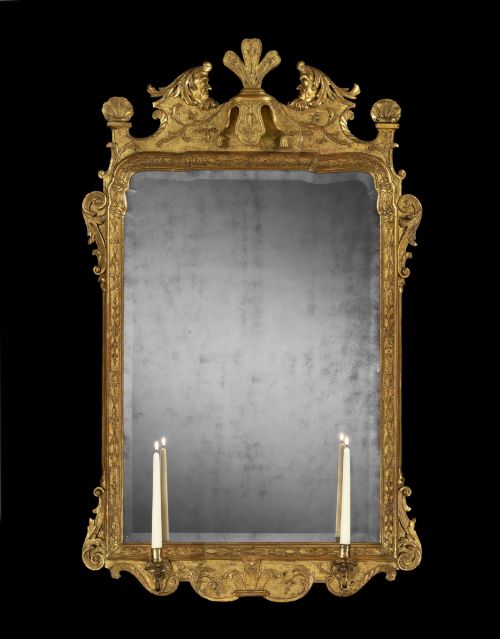
- An ornamental wall mirror fitted with attached candle sconces that project forward to multiply candlelight. They combine illumination with reflective glass.
- Pier Mirror
- A tall, narrow looking glass traditionally hung on the pier, the section of wall space situated between two windows. They make efficient use of vertical space and available light.
Gold Gesso Frame Mirror: Frequently Asked Questions
How do I clean a antique gesso mirror?
Dust the ornate frame gently with a dry, soft-bristled brush to protect the delicate gesso and gold leaf layers from moisture damage.
Clean the mirror glass itself sparingly using a cloth slightly dampened with water or a mild glass cleaner, taking care to keep liquids away from the wooden edges.
Can these heavy mirrors hang safely on drywall?
Large overmantle and wall mirrors possess substantial weight due to their dense wooden frames and thick glass plates. Proper installation requires securing the fixings directly into wall studs or masonry rather than relying on plasterboard alone.
What is foxing on a mirror?
Foxing refers to the small dark spots and mottled patches that develop on antique mirror plates over long periods. This chemical ageing process occurs behind the glass and is prized by collectors as proof of authenticity.
Are eighteenth-century and Victorian styles easy to tell apart?
Eighteenth-century examples often display restrained symmetry and hand-carved subtleties associated with George I or Louis XV periods. Victorian and later revival pieces tend toward heavier, more exuberant ornamentation and machine-assisted moulding.