
Gold Gemstone Pendant
A gold gemstone pendant brings together coloured stones and precious metal in wearable forms spanning Victorian, Edwardian, and later decades.
Gold Gemstone Pendant
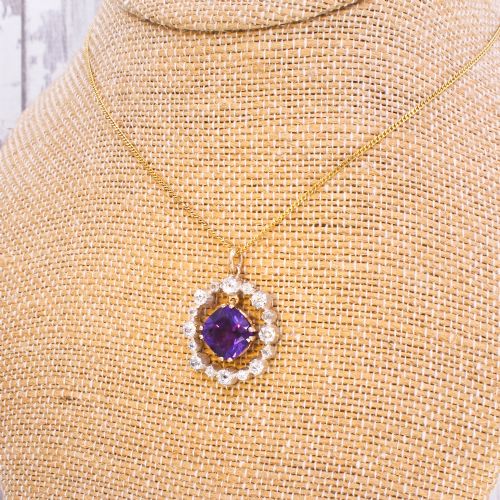
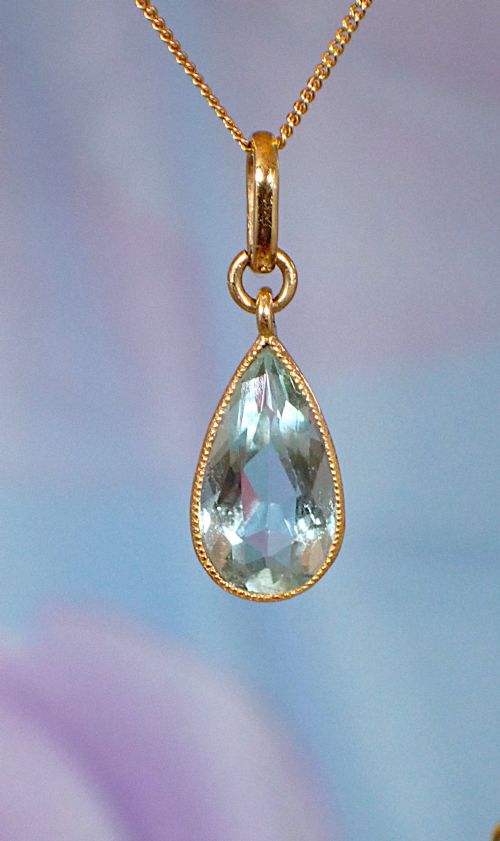
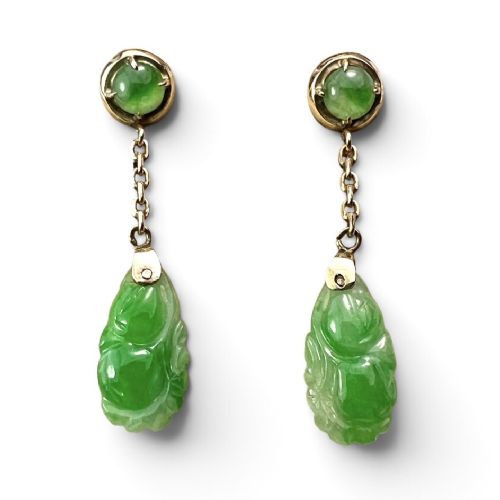
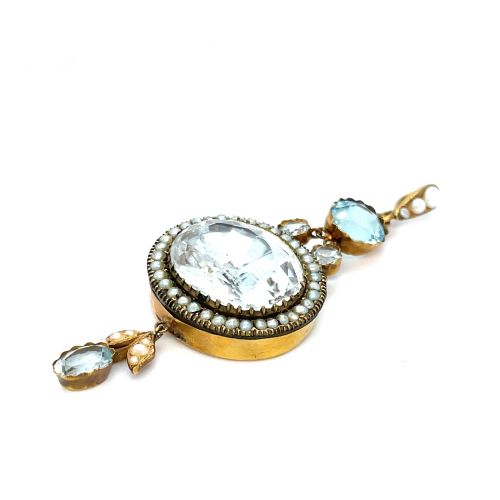
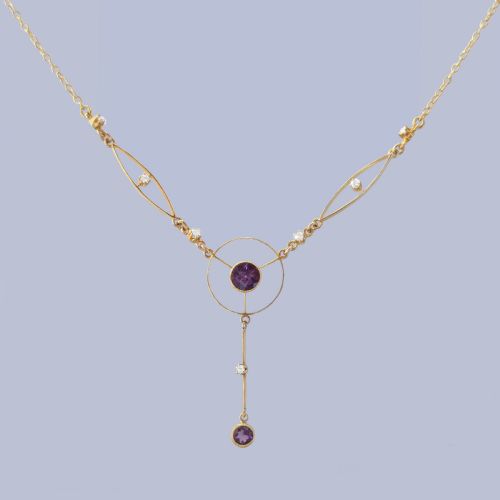
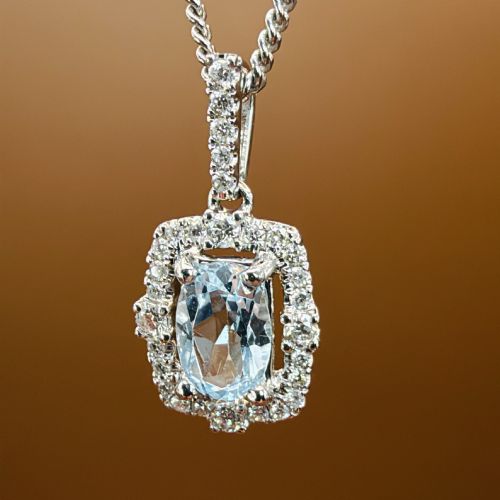
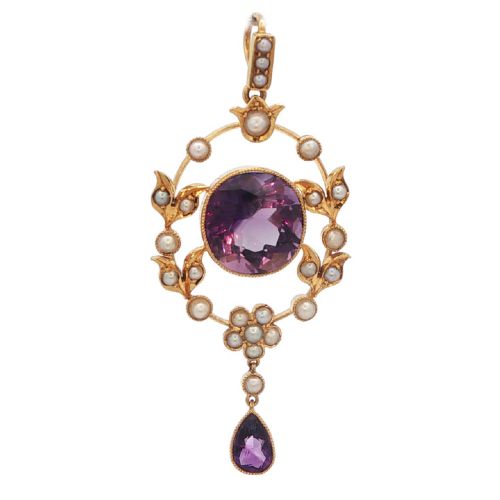
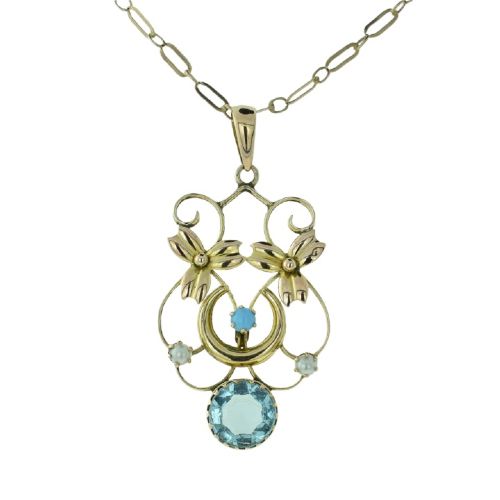
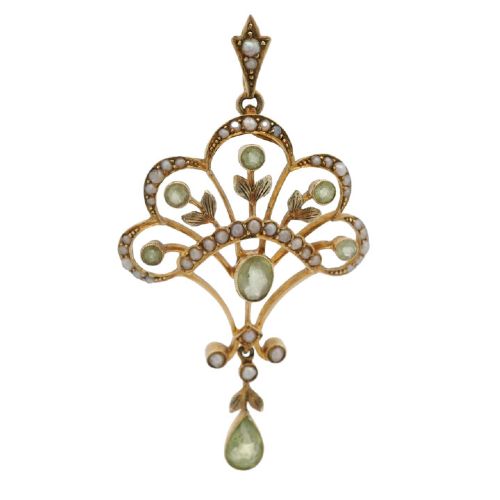
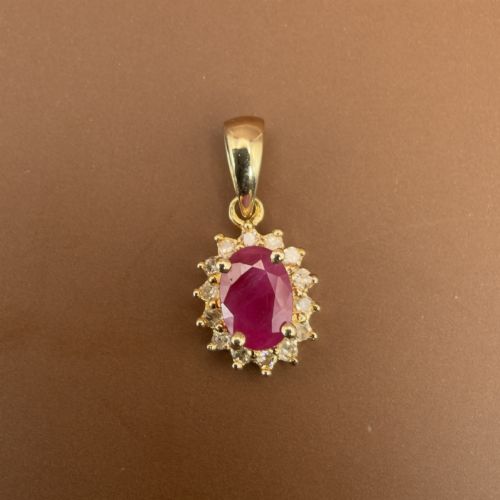
A gold gemstone pendant is a suspended ornament worn about the neck, combining precious metal with cut or cabochon stones. Buyers searching this phrase meet everything from delicate Edwardian lavaliers to robust Victorian lockets and geometric Art Deco cluster designs.
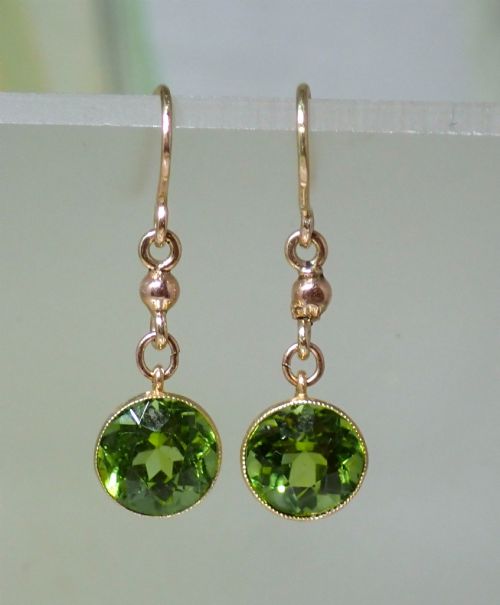
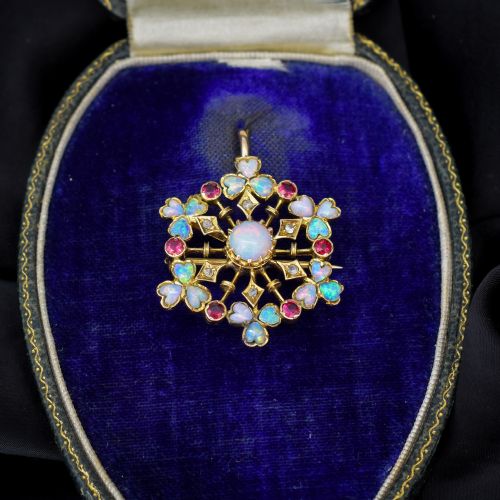
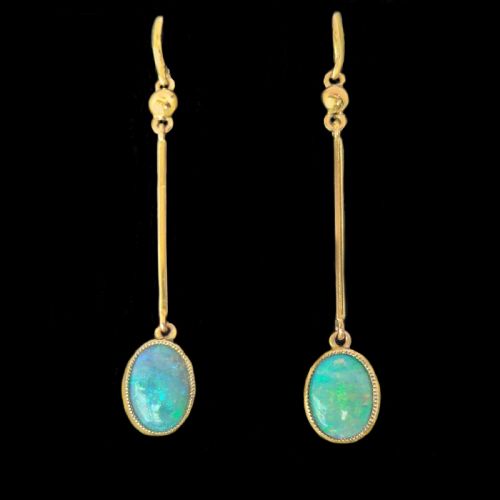
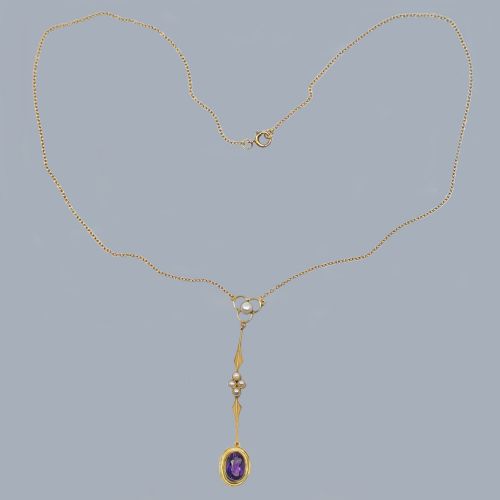
The selection here draws on periods ranging from the nineteenth century through the mid-twentieth century. Pieces frequently pair gold with stones such as amethyst, aquamarine, opal, and pearl, reflecting the prevailing tastes of their respective eras.
How they were made
Goldsmiths worked primarily in nine-carat and fifteen-carat yellow and rose gold, occasionally employing white gold and platinum in later twentieth-century pieces. Stones were securely set by hand, utilising collets, bezels, and delicate claw settings adapted to each mineral's hardness.
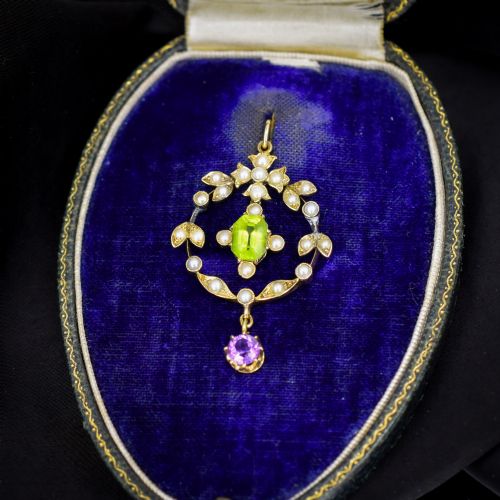
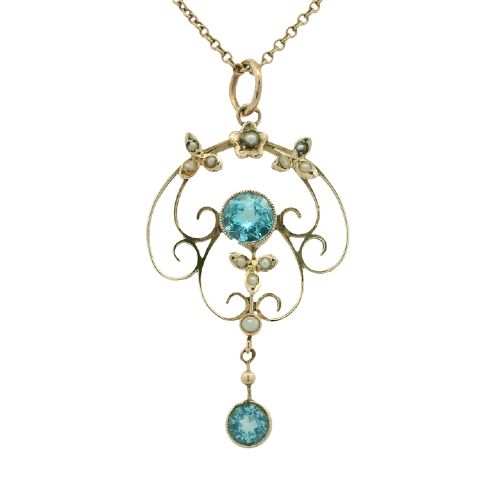
Complex constructions often incorporated seed pearls strung on silk or wire, foil backing to enhance stone colour, and intricate openwork metal frames typical of Art Nouveau and Edwardian workshop practices.
Gold Gemstone Pendant Retail Price Guide 2026
Typical asking prices for gold gemstone pendant among the pieces listed under this phrase on Sellingantiques today, from the lower quarter to the upper quarter. They describe what is for sale here now, not the wider market.
What varies in quality
Quality rests upon the originality of the components and the precision of the goldsmith's assembly. Superior items display intact, uniform gemstone cutting and secure, well-finished metalwork without heavy trace repair.
The choice of stones also dictates standard; natural untreated gems and balanced colour pairings distinguish finer workshop output from more modest commercial productions.
The Gold Gemstone Pendant Glossary
- Lavalier
- A pendant featuring a primary suspended stone with a further drop stone hanging below it. This style gained immense popularity during the Edwardian period.
- Cabochon
- A gemstone shaped and polished with a smooth, convex surface rather than faceted edges. This cut is frequently applied to opals, carnelians, and star stones.
- Foil back
- A thin sheet of coloured metallic foil placed behind a gemstone within a closed setting to enhance its brilliance and hue. This technique appears often in older jewellery.
- Seed pearl
- A very small, naturally occurring or early cultured pearl used extensively as an accent in clusters and floral motifs. They are typically threaded or pegged into position.
Gold Gemstone Pendant: Frequently Asked Questions
How do I date a gold gemstone pendant?
Dating relies upon stylistic clues, such as the flowing organic lines of Art Nouveau or the rigid symmetry of Art Deco design. Hallmarks stamped into the metal can also pinpoint specific assay offices and years.
Material choices further narrow the timeframe, as fifteen-carat gold fell out of use by the nineteen-thirties, replaced largely by nine-carat and eighteen-carat standards.
Were these pendants always sold with chains?
Many historical pendants survive independently because owners swapped chains according to fashion or preference. Finding a piece retaining its original period chain is an uncommon bonus.
Buyers frequently pair antique pendants with contemporary or matched vintage chains of a complementary gold colour and weight.
How do I care for antique gemstone jewellery?
Gentle cleaning with a soft, dry cloth preserves the metal and softer stones like opals and pearls. Ultrasonic cleaners should be avoided, as they can damage foil backs and dislodge delicate seed pearls.
Storing pieces individually prevents scratching between harder diamonds and softer coloured stones during long periods in the jewellery box.
What is the difference between a pendant and a locket?
A pendant is a purely decorative ornament designed to hang from a chain or collar. A locket, by contrast, includes a hinged compartment intended to hold a small photograph or keepsake.
Both forms utilise similar goldworking techniques and gemstone embellishments across Victorian and Edwardian examples.