
Gold Gemstone Pendant Necklace
When you look for a gold gemstone pendant necklace, you are choosing a piece where coloured stones meet precious metal.
Gold Gemstone Pendant Necklace
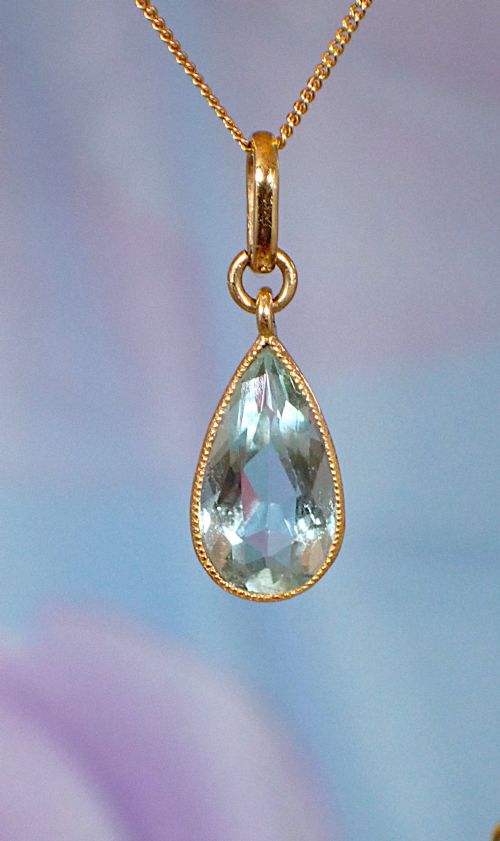
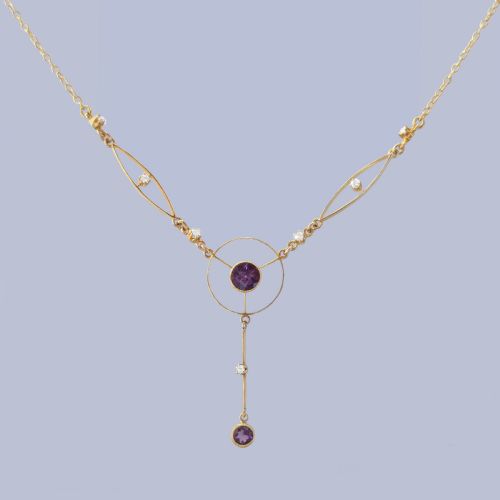
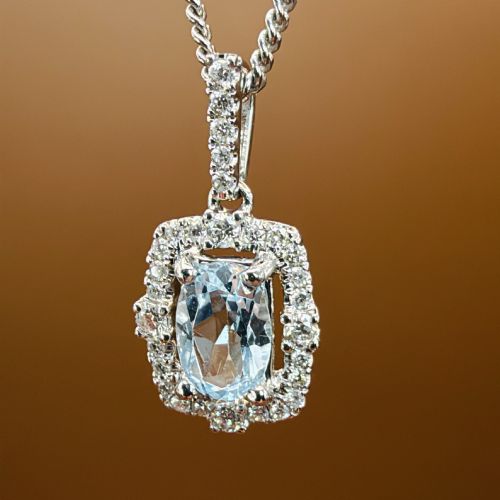
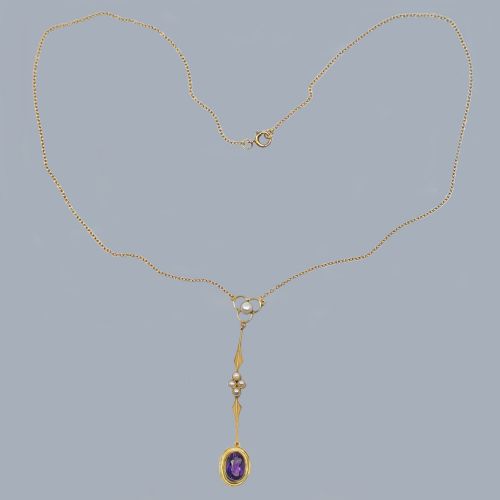
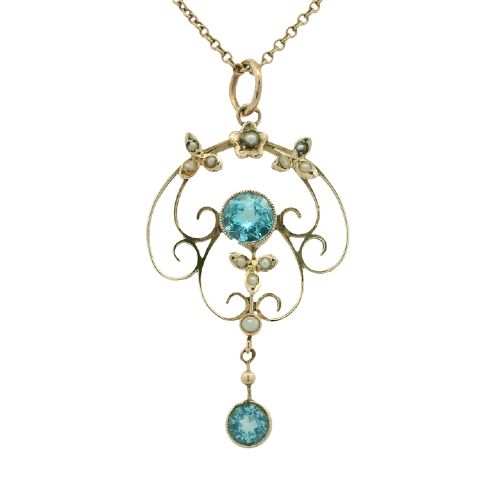
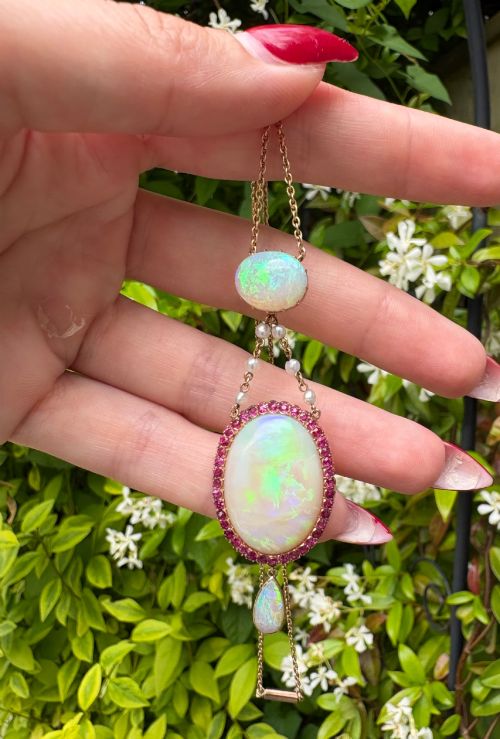
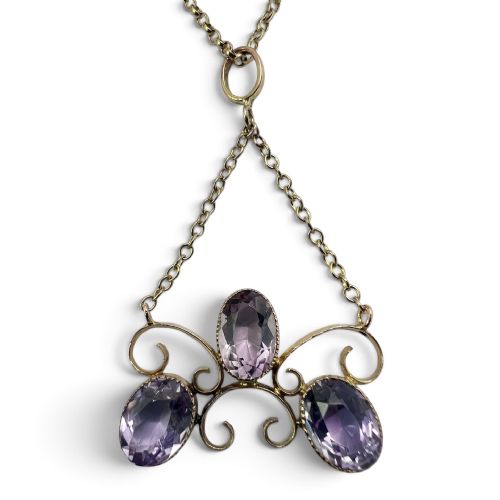
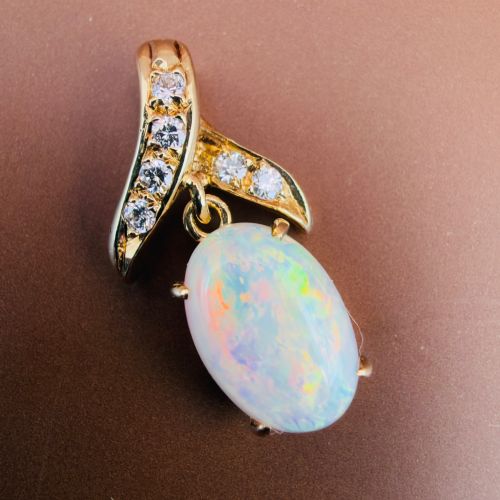
A gold gemstone pendant necklace combines precious metal with set stones, taking forms such as lavallières, drops, clusters, and lockets. Pieces span the Victorian, Edwardian, Art Nouveau, and Art Deco periods, alongside later twentieth-century and vintage designs.
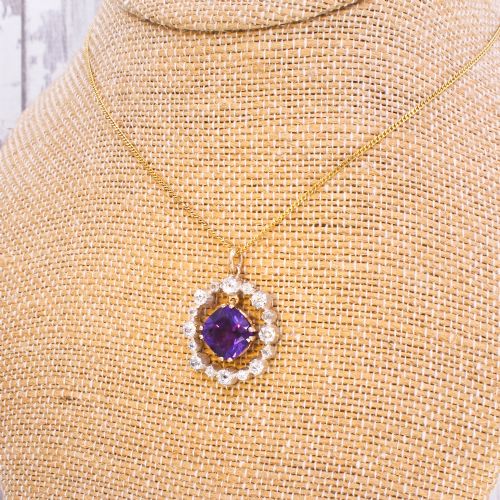
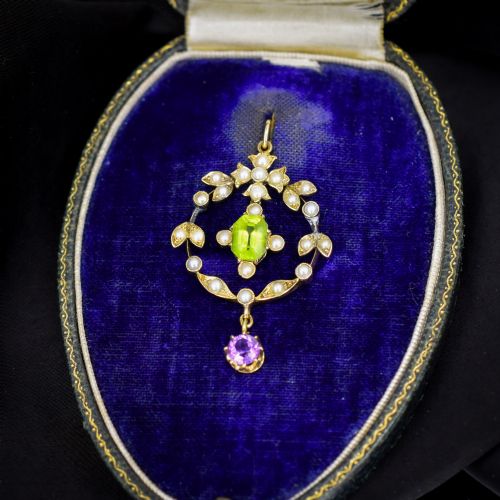
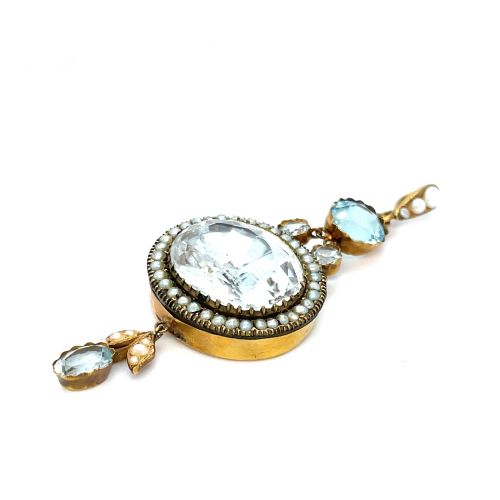
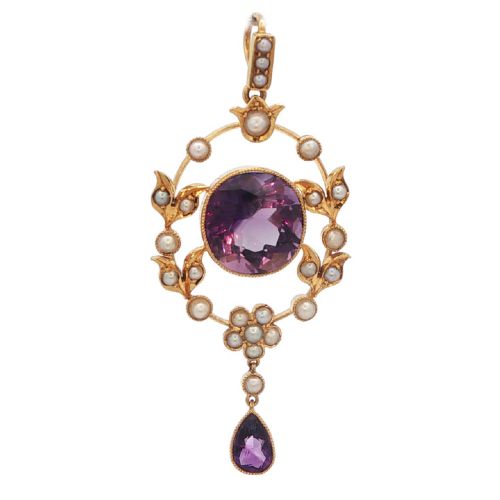
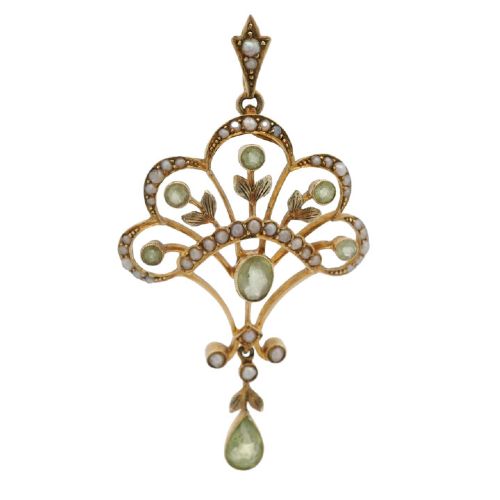
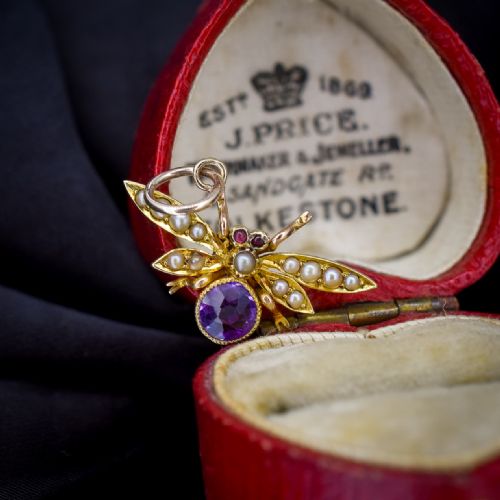
The version most commonly met on this page is the Edwardian or Victorian pendant, frequently featuring amethysts, aquamarines, or peridots paired with seed pearls in nine-carat or fifteen-carat gold.
How they were made
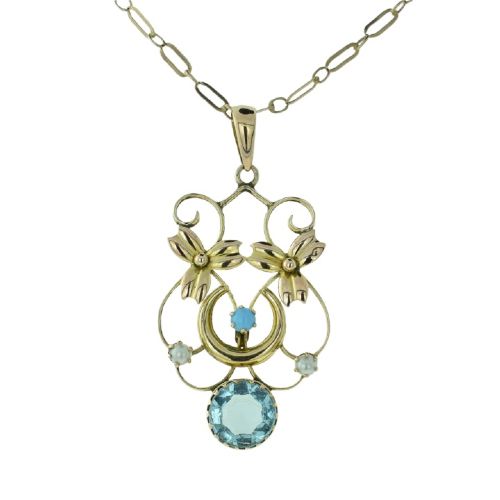
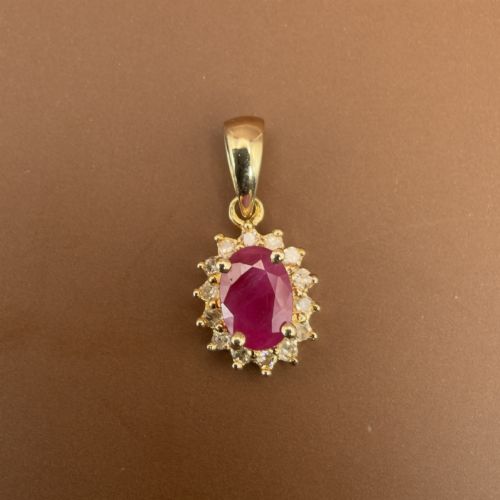
Goldsmiths worked with varying purities of gold, including nine-carat, fifteen-carat, and eighteen-carat, shaping metal into delicate wirework, filigree, and claw settings. Stones such as amethysts, opals, aquamarines, and diamonds were hand-cut in shapes like oval, cabochon, and old-cut, then secured alongside tiny seed pearls.
Techniques from the early twentieth century often involved articulated drops and lavallière configurations, where pendant sections hang freely from fine chains to catch the light.
Listings span Victorian, Edwardian, Art Nouveau, Art Deco, and mid-twentieth-century periods, utilising nine-carat and fifteen-carat gold.
What varies in quality
Quality rests on the depth of colour and clarity of the central gemstone, alongside the finesse of the metalwork. Pieces featuring higher-carat gold, such as fifteen-carat or eighteen-carat, display more substantial construction than lighter nine-carat alternatives.
S. Blanckensee & Son
The Gold Gemstone Pendant Necklace Glossary
- Lavallière
- A pendant necklace featuring a central drop stone with one or more suspended elements hanging below it. This style became particularly popular during the Edwardian period.
- Seed pearl
- A very small, naturally formed or cultured pearl used extensively as a delicate accent border in Victorian and Edwardian jewellery.
- Cabochon
- A gemstone shaped and polished with a smooth, rounded surface rather than faceted with flat planes. This cut is frequently utilised for opals, moonstones, and sapphires.
- Old-cut
- A diamond cut characteristic of the nineteenth and early twentieth centuries, featuring a smaller table and a higher crown than modern brilliant cuts.
- Foil back
- A technique where a thin sheet of metallic foil is placed behind a gemstone within a closed setting to enhance its colour and reflectivity.
Gold Gemstone Pendant Necklace: Frequently Asked Questions
What is a lavallière necklace?
A lavallière is a pendant necklace featuring a central drop with dangling gemstone elements. The design gained widespread popularity during the Edwardian era.
These pieces often incorporate pearls and amethysts suspended on fine gold chains.
How do I identify an Edwardian pendant?
Edwardian pendants typically feature light, airy metalwork in nine-carat or fifteen-carat gold. They frequently combine aquamarines, peridots, or amethysts with seed pearls.
Styling from this period often uses symmetrical drop configurations and delicate millegrain details.
Are these necklaces supplied with chains?
Many listings include original or matched period chains accompanying the pendant. The descriptions specify whether a chain forms part of the piece.
Lengths and gold purities for the chains vary across the selection.
How should I care for antique gemstone jewellery?
Antique pieces require gentle handling due to delicate settings like seed pearls and closed-back foils. Avoid immersion in water or ultrasonic cleaning solutions.
Store each necklace separately in a lined box to prevent scratching.