



Gold Curved Pendant
These gold curved pendant pieces offer striking illumination and jewellery, bringing distinctive period character into modern spaces.
Gold Curved Pendant
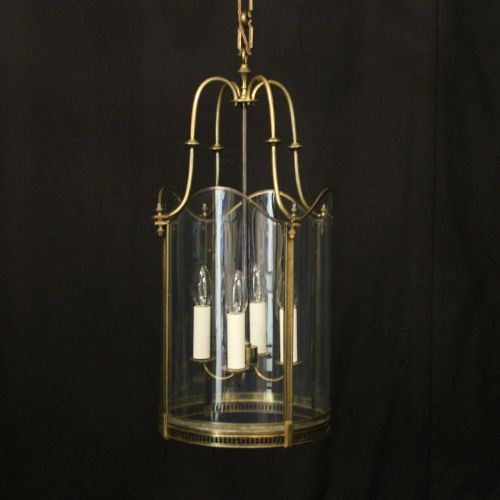
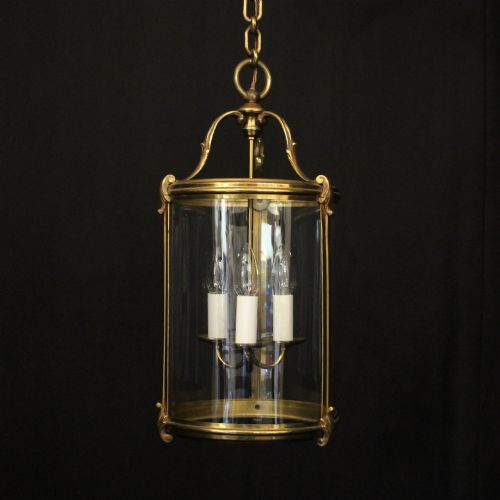
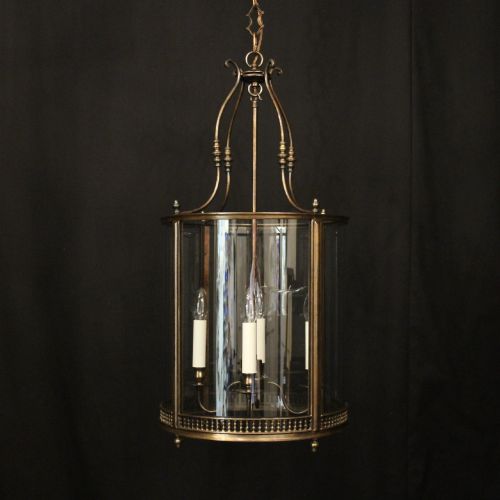
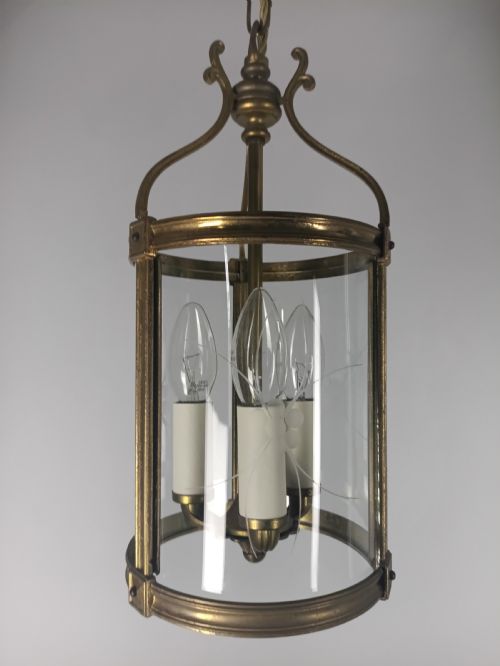
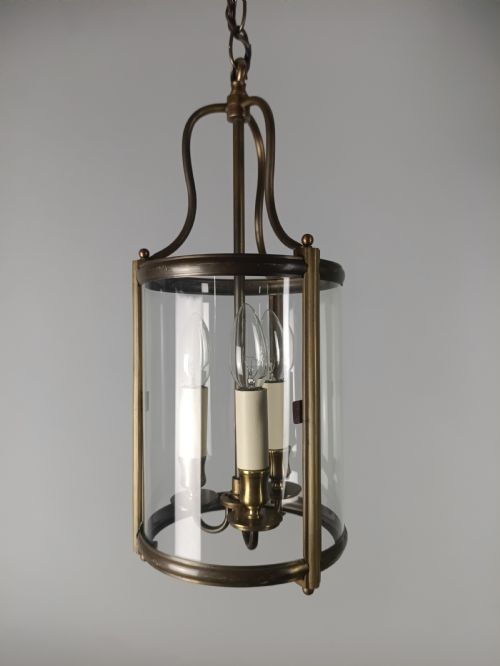
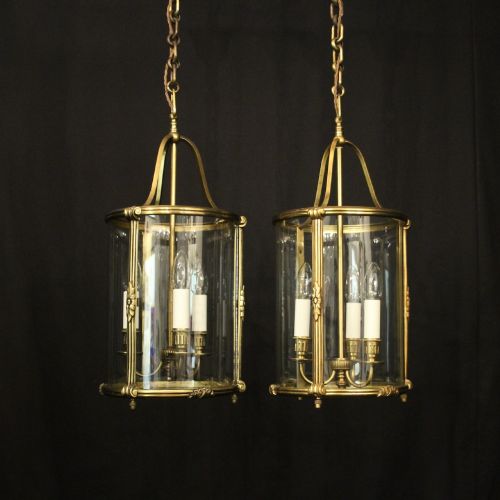
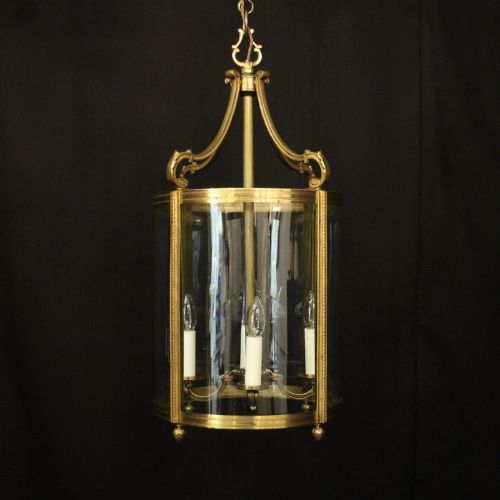
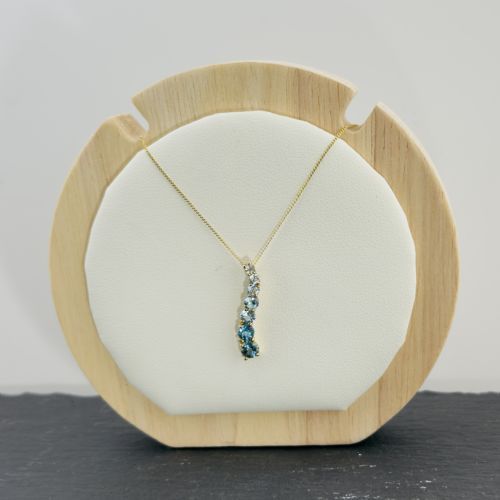
A gold curved pendant encompasses both striking hanging hall lanterns and delicate necklaces, capturing various historical design periods. Buyers exploring this phrase encounter items ranging from early twentieth-century lighting to mid-century jewellery.
The lighting pieces typically feature convex glass or curved frames designed for ceilings and hallways. Meanwhile, the jewellery options include intricate necklaces incorporating precious stones and fine metals.
Origins span across English and French workshops, with distinct regional styling evident in the metalwork and glass configuration. Edwardian and mid-century aesthetics dominate the jewellery selections, while lighting pieces lean heavily toward the nineteen-twenties and nineteen-thirties.
Materials and construction
Metalwork utilises bronze, brass, and gold, often finished with gilding to enhance the reflective quality of the pieces. Artisans shaped these metals into curved frames for lanterns and delicate chains for necklaces.
Glass components on the lighting fixtures are frequently etched and shaped into convex panels. These glass elements require precise fitting into the gilded frames to diffuse light effectively.
Jewellery pieces combine nine-carat and eighteen-carat gold with gemstones such as sapphire, blue topaz, and seed pearls. Construction methods reflect the fine craftsmanship of the Edwardian and mid-century eras.
Lighting forms dominate the selection, accompanied by necklaces spanning the Edwardian and mid-century periods.
Distinctions in quality
The refinement of the cast bronze or brass metalwork dictates the overall sophistication of each lighting fixture. Superior examples display crisp chasing and consistent gilding across complex curved surfaces.
Etched glass panels demonstrate varying levels of artistic depth and clarity. Pieces featuring finely detailed glass work command greater attention from discerning collectors.
In jewellery, the setting of stones such as sapphires and blue topaz determines the standard of manufacture. Secure mounting and balanced composition separate standard items from exceptional ones.
The Gold Curved Pendant Glossary
- Convex
- Curving outward like the exterior of a sphere. This shape appears frequently on the glass panels and frames of hall lanterns.
- Gilded
- Covered thinly with a layer of gold leaf or gold paint. This technique adds warmth and brilliance to bronze and brass lighting fixtures.
- Seed Pearl
- A very small, naturally occurring pearl often used in Edwardian jewellery. These tiny pearls add delicate texture to intricate designs such as witches heart pendants.
- Hall Lantern
- An enclosed light fixture designed to hang in an entrance hall or corridor. Many examples incorporate multiple lights within a curved glass frame.
- Witches Heart
- A vintage jewellery motif featuring a heart shape with a twisted tail pointing to one side. This romantic design enjoys popularity in Edwardian pieces.
Gold Curved Pendant: Frequently Asked Questions
What is a gold curved pendant?
A gold curved pendant refers to either a hanging ceiling lantern with convex glass panels and a gilded frame or a fine gold necklace. These pieces draw from various twentieth-century and nineteenth-century design traditions.
Buyers encounter both decorative lighting for entryways and wearable jewellery featuring precious stones. Each category showcases distinct craftsmanship from English and French makers.
How do I hang a hall lantern?
Hanging a hall lantern requires secure ceiling fixings and appropriate electrical clearance for multiple internal lights. The weight of bronze and brass frames necessitates professional installation.
Positioning the lantern centrally in an entrance hallway ensures the curved glass and gilded metalwork create an inviting focal point.
How do I style vintage jewellery?
Vintage necklaces integrate well with both contemporary and traditional attire, depending on the scale of the pendant. Pairing a gold gemstone necklace with simple clothing highlights the craftsmanship.
Careful storage away from other pieces prevents scratching on softer stones like blue topaz and pearls.
What periods do these pieces come from?
The available selection spans the Edwardian era, the nineteenth century, and several decades of the twentieth century. Nineteen-twenties and nineteen-thirties lighting fixtures form a significant portion of the offerings.
Mid-century items represent the later period, particularly within the jewellery categories.