




Blue Gemstone Necklace
A blue gemstone necklace brings bright colour and historic character to the neckline, offering timeless appeal for everyday wear.
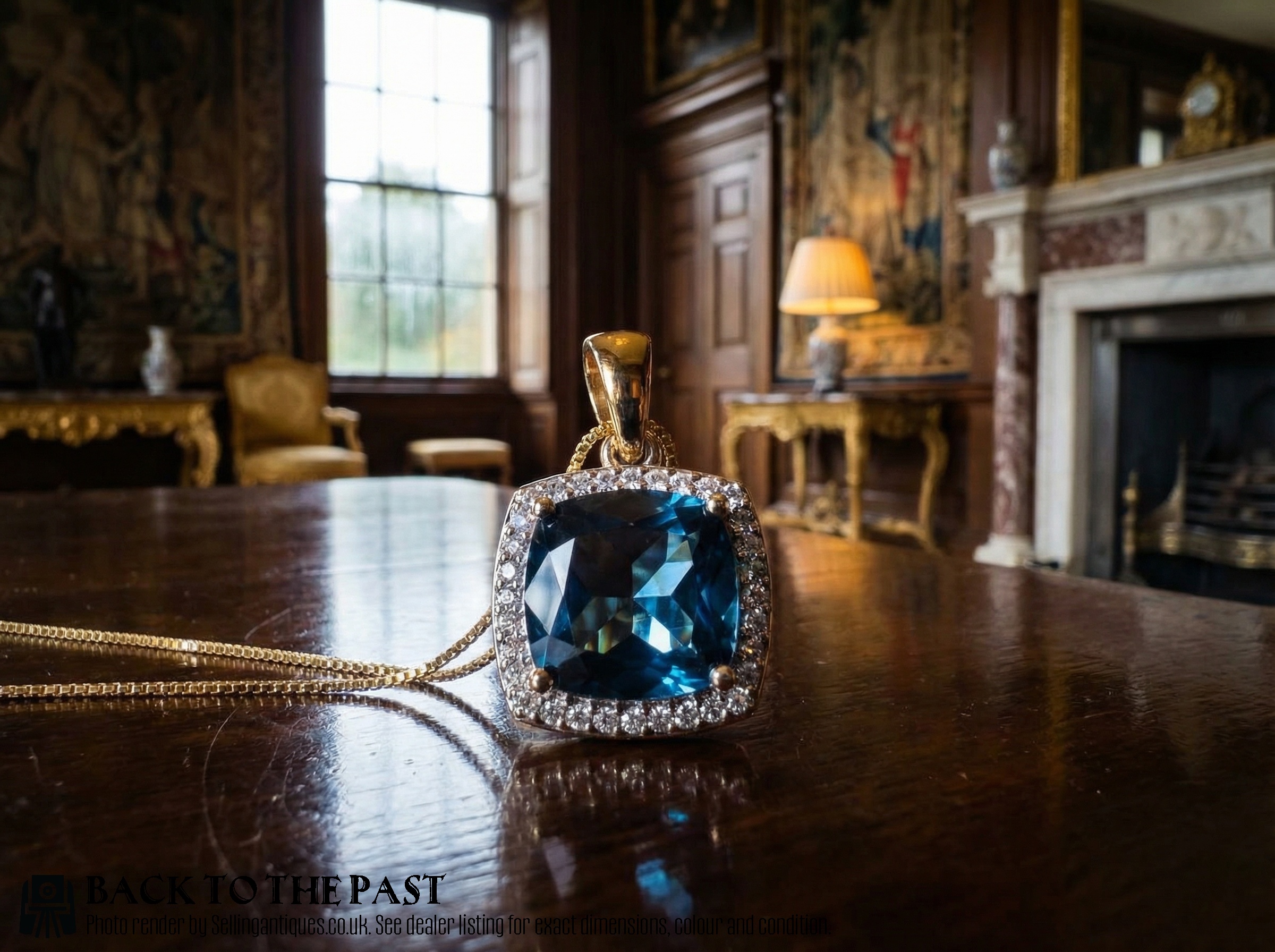
What a blue gemstone necklace is
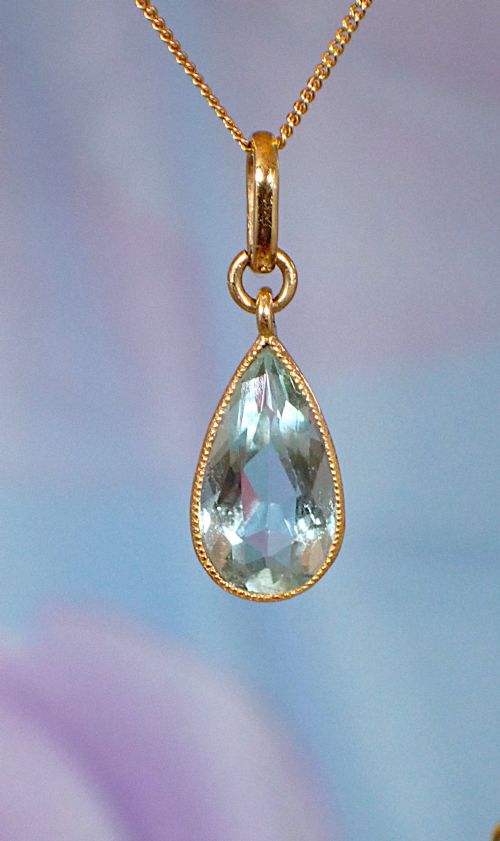
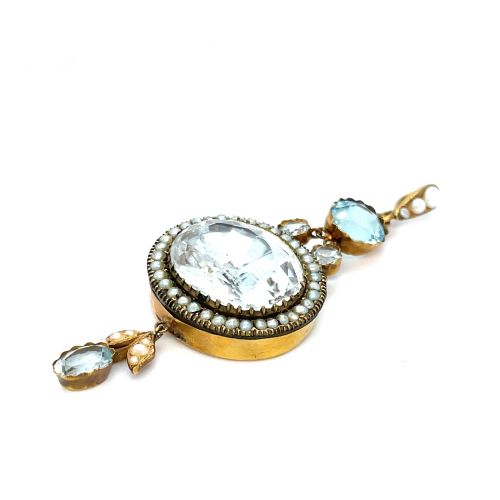
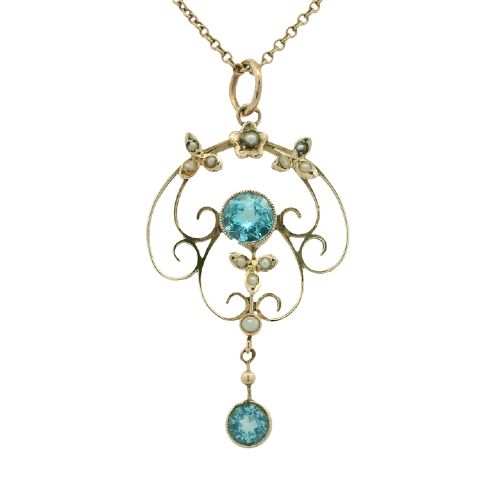
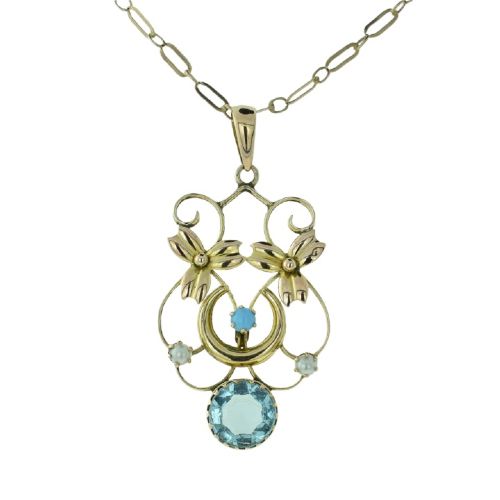
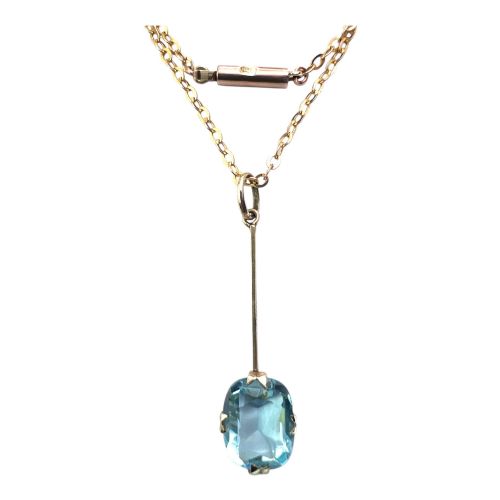
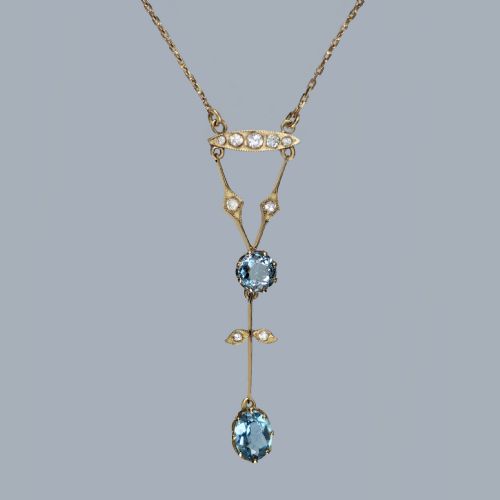
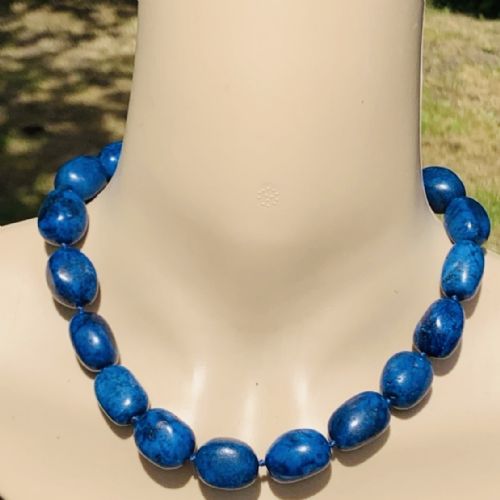
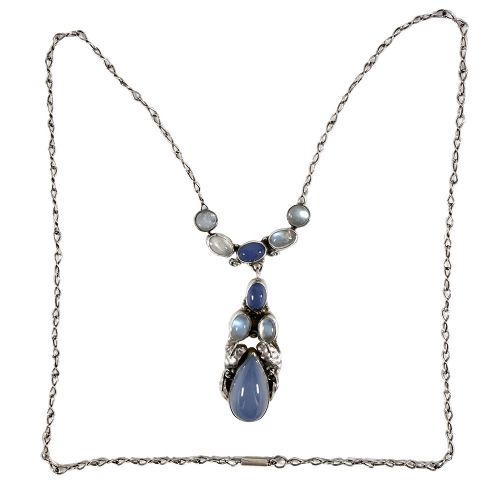
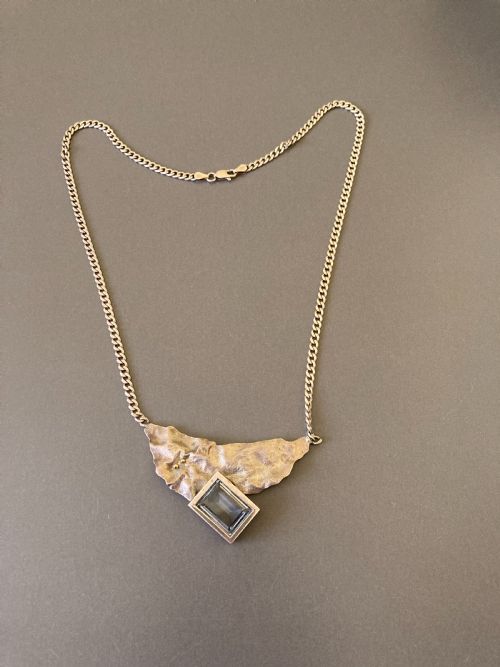
A blue gemstone necklace comprises pendants and pendant necklaces set with stones in various shades of blue. These pieces span distinct periods including Edwardian, 1930, and 1960 examples.
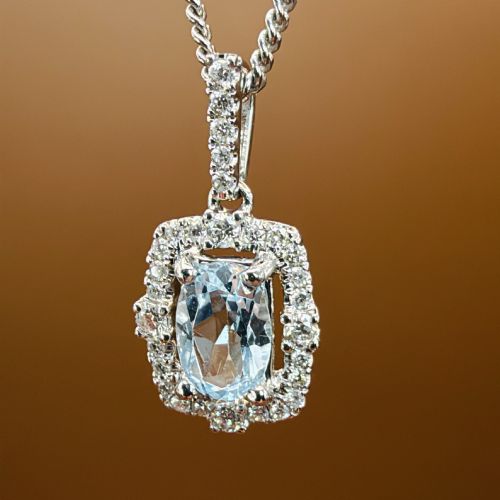
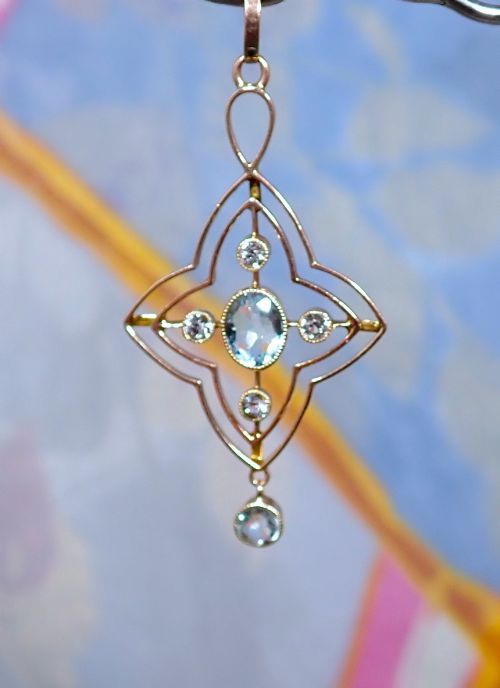
The most common formats on this page are individual pendants hung on chains, featuring single stones or cluster designs. They reflect styles from modern classic to Art Deco and Edwardian aesthetics.
How they were made
These items utilise precious metals such as gold, 9ct gold, and 9k gold as the structural base for each mount and chain. Goldsmiths securely set the central stones into these metallic frameworks.
Gemstones including aquamarine, blue topaz, sapphire, and white zircon are combined with delicate details like seed pearls and diamonds. Each component is shaped and fitted to highlight the natural brilliance of the blue stones.
Retail Price Guide 2026
Typical UK retail prices for blue gemstone necklace, calculated from the Sellingantiques database of over a million retail prices indexed since 2003. This retail price guide relies exclusively on Sellingantiques data; no external sources or auction records are used, so the figures do not describe the wider market.
What varies in quality
Quality differences emerge in the selection and clarity of the blue gemstones and supporting stones like seed pearls or diamonds. Finer examples display superior stone cutting and more intricate metalwork.
The stylistic execution also defines the tier of the piece, ranging from simple modern classic designs to elaborate Art Deco and Edwardian cluster arrangements.
The Blue Gemstone Necklace Glossary
- Aquamarine
- A pale blue to light greenish-blue variety of beryl used frequently in Edwardian and Art Deco jewellery.
- Seed pearl
- A very small natural or cultured pearl, often utilised in historic jewellery to frame central gemstones.
- Cluster pendant
- A pendant design featuring a central stone surrounded by a geometric arrangement of smaller gems.
- 9ct gold
- An alloy of gold containing 37.5 percent pure gold, commonly used in British jewellery manufacturing.
Frequently Asked Questions
What periods do these necklaces come from?
The collection includes pieces originating from the Edwardian era, the 1930s, and the 1960s. Each period introduces distinct design characteristics.
Design styles range from traditional Edwardian motifs and Art Deco geometry to 1960s modern classic aesthetics.
What metals are used in these necklaces?
These items are constructed using gold, specifically 9ct gold and 9k gold alloys. These metals provide durable settings for the gemstones.
Different periods utilise these gold variations to support stones like aquamarine, sapphire, and blue topaz securely.
What gemstones appear in these designs?
Common stones include aquamarine, blue topaz, sapphire, and white zircon. Some pieces also incorporate seed pearls and diamonds.
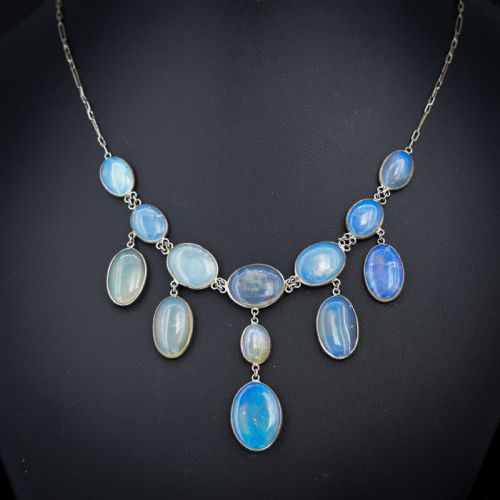
These blue gemstones form the focal point of pendants, often arranged in clusters or wave patterns.
How do I care for a historic gemstone necklace?
Store each pendant separately in a soft pouch to prevent metal scratching and stone abrasion. Avoid exposing delicate settings to harsh chemicals or ultrasonic cleaners.
Regularly check the security of the stones within their gold mounts, particularly on Edwardian and older pieces.