





Gold Garnet Dress Ring
A gold garnet dress ring brings deep red fire to the hand, drawing on centuries of goldsmithing from the Victorian era to the mid-twentieth century.
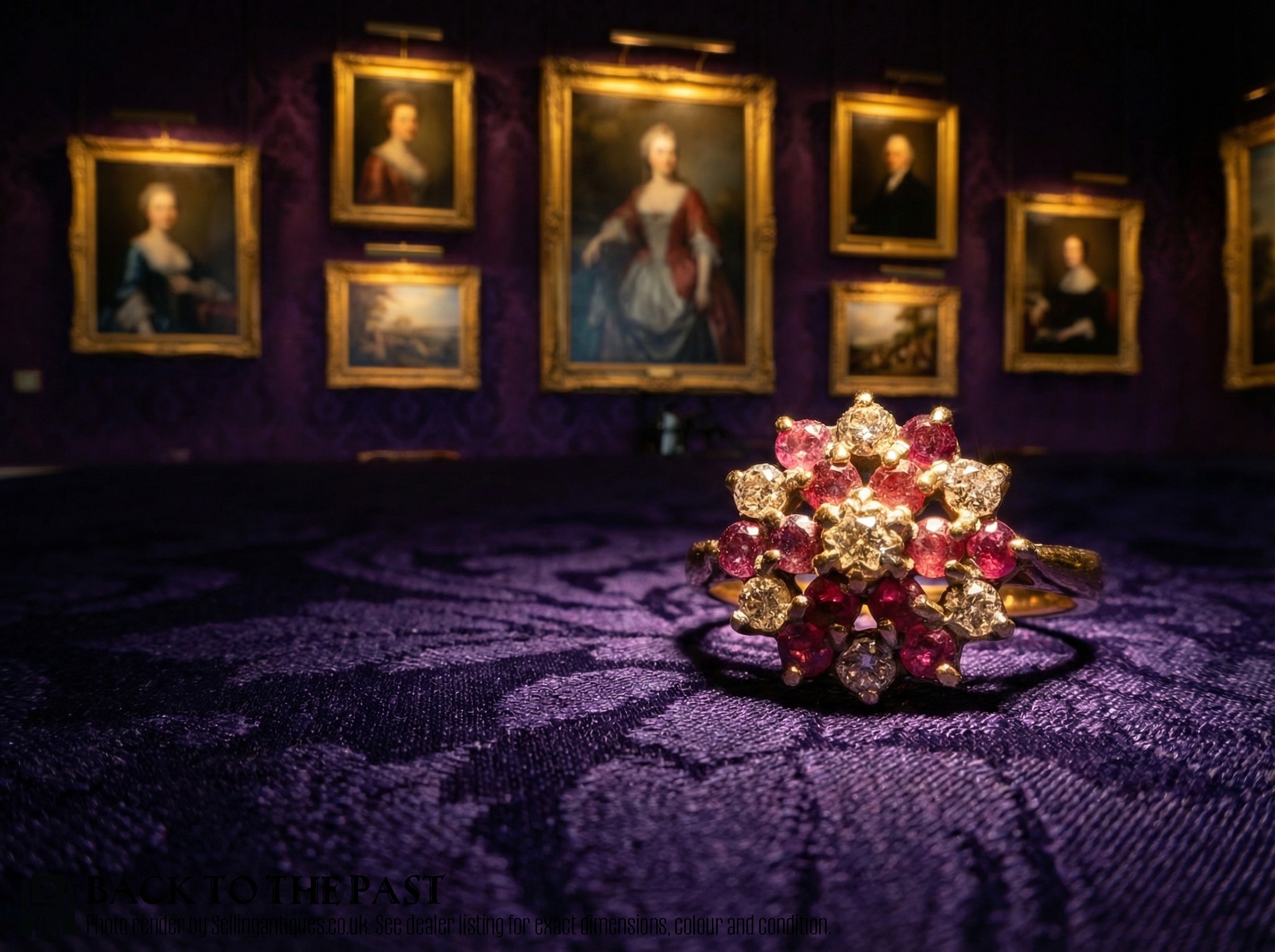
Gold Garnet Dress Ring
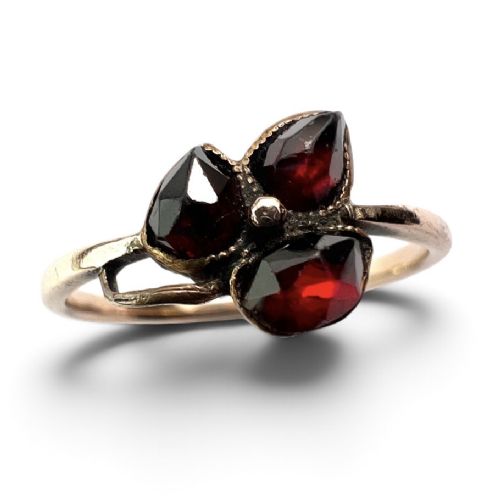
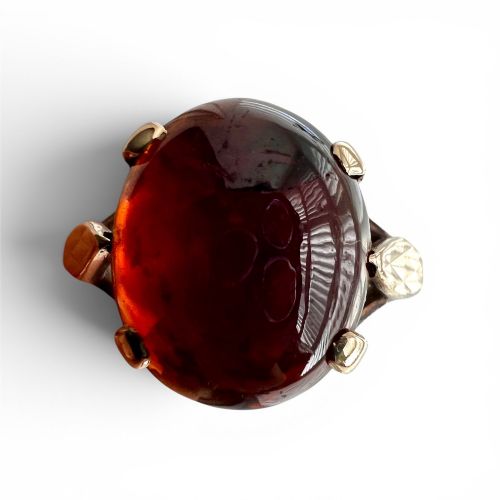
A gold garnet dress ring is a statement piece designed for ornament rather than betrothal, appearing in forms ranging from simple cabochon mountings to elaborate multi-stone clusters. You find pieces spanning the Victorian period through Edwardian times, the 1920s, 1930s, 1940s, and into the 1960s.
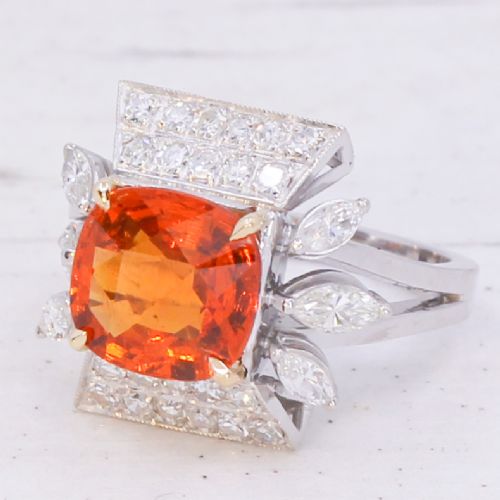
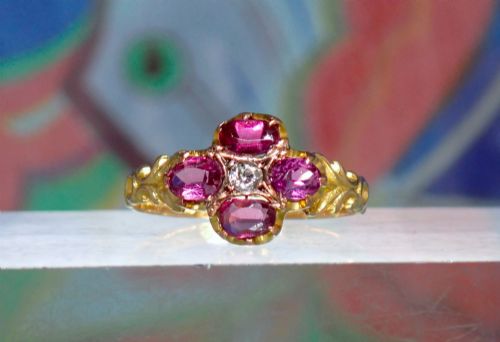
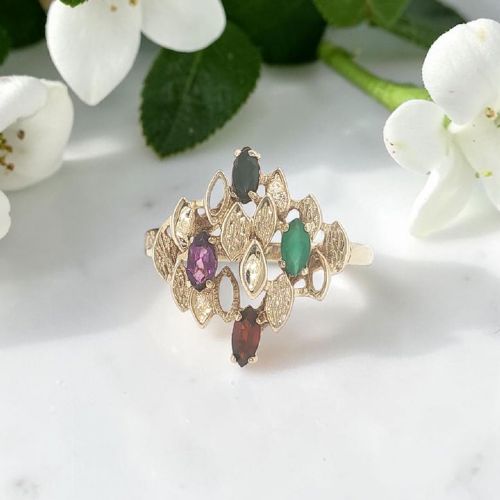
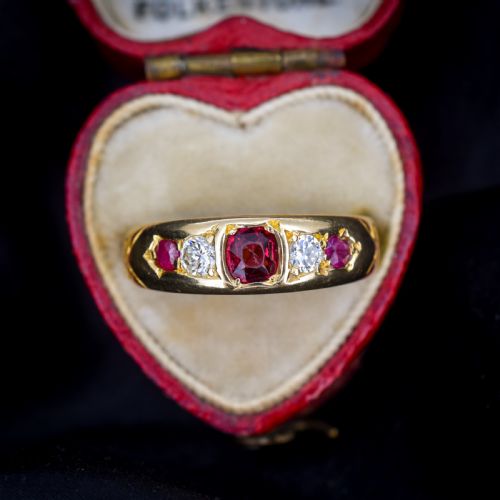
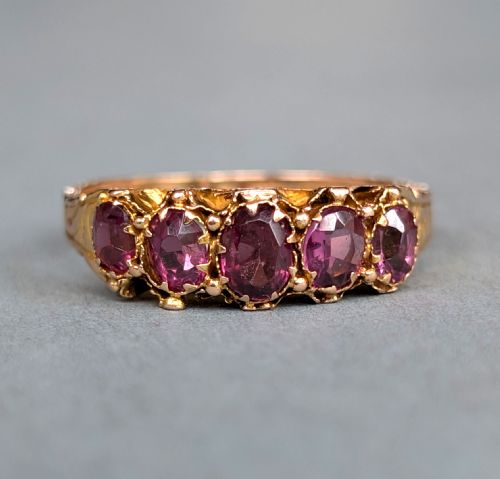
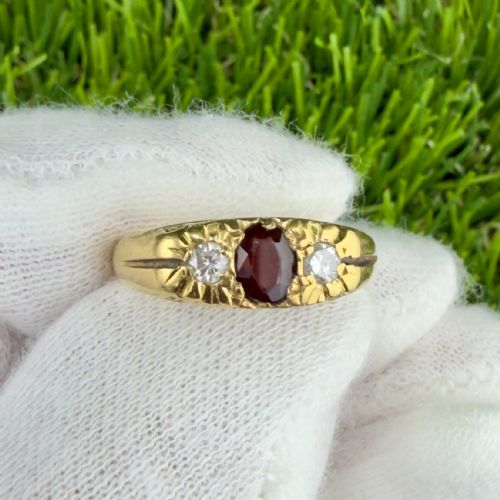
The most frequent examples combine red garnets with yellow gold, often enhanced by small diamonds, seed pearls, or other coloured gems such as emerald, amethyst, and ruby. Cluster designs and trilogy settings dominate the selection, alongside floral motifs and clean mid-century lines.
Originating as treasured personal ornaments, these rings showcase the enduring appeal of deep red garnet stones set in nine-carat, fifteen-carat, or eighteen-carat gold.
Materials and construction
Garnets are mounted in varying purities of gold, notably nine-carat, fifteen-carat, and eighteen-carat yellow or white gold, depending on the period of manufacture. Stones are secured in claw settings, bezels, or flush mounts, sometimes accompanied by seed pearls or old-cut diamonds.
Craftsmen shaped the metal by hand or utilised early casting and stamping methods in the later twentieth century. Cluster arrangements place the garnet centrally or as part of a floral geometric pattern supported by a solid gold band.
Gold purities seen across the collection include nine-carat, fifteen-carat, and eighteen-carat yellow and white gold.
Judging quality and craftsmanship
Quality rests in the depth of colour and clarity of the garnet stones, alongside the weight and purity of the gold mount. Superior examples display secure stone settings, well-matched gems, and crisp detailing in the metalwork rather than hollow or pressed bands.
The integration of secondary stones, such as diamonds or seed pearls, and the precision of the cluster arrangement distinguish finer atelier work from simpler mass-produced dress rings.
The Gold Garnet Dress Ring Glossary
- Almandine garnet
- A deep red variety of garnet commonly found in Victorian and Edwardian jewellery. It provides the dark, rich colour characteristic of nineteenth-century pieces.
- Cabochon
- A gemstone cut with a smooth, rounded, convex upper surface rather than faceted planes. This style highlights the natural lustre of the garnet.
- Cluster ring
- A ring featuring a central stone surrounded by a circle of smaller gems. This layout maximises visual impact and light reflection.
- Seed pearl
- A very small natural or cultured pearl used as delicate accent decoration. They frequently border garnet clusters in Victorian designs.
Gold Garnet Dress Ring: Frequently Asked Questions
How do I clean a gold garnet dress ring?
Clean your ring using warm soapy water and a soft brush, taking care not to submerge antique pearl-set pieces.
Dry thoroughly with a lint-free cloth to maintain the polish of the gold and the clarity of the garnet.
Can I wear my gold garnet dress ring daily?
Garnet has a moderate hardness, making these rings suitable for regular wear if handled with reasonable care.
Remove the ring during heavy manual work to protect the softer gold claws and secondary stones like seed pearls.
How do I date an antique garnet ring?
Examine the metal purity marks, stone cut, and overall setting style to determine the period of origin.
Victorian pieces often feature closed-back foils or almandine stones in fifteen-carat gold, whereas later vintage pieces utilise nine-carat gold and different stone cuts.
What is the difference between almandine and standard garnets?
Almandine garnets exhibit a deep, brownish-red colour typical of nineteenth-century jewellery.
Other variants include green demantoid and orange garnets found in later twentieth-century cocktail rings.