

Gold Framed Wall Painting
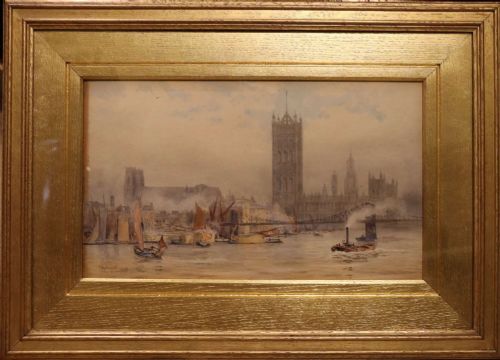
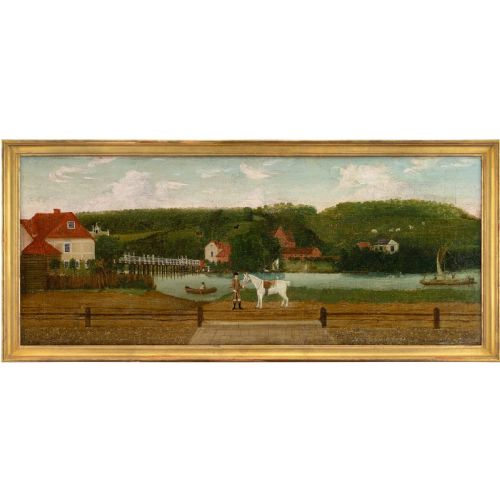
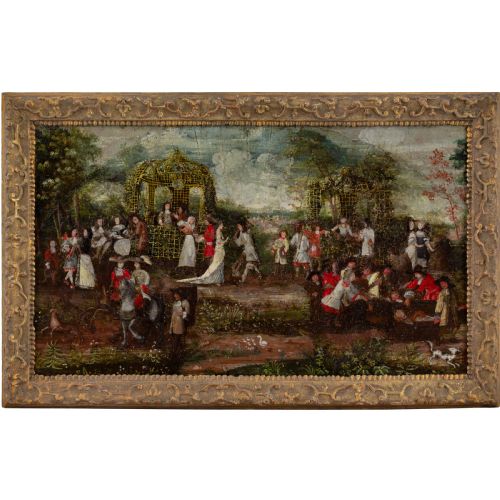
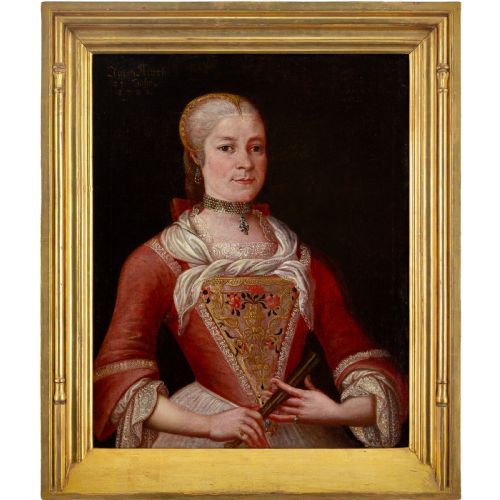
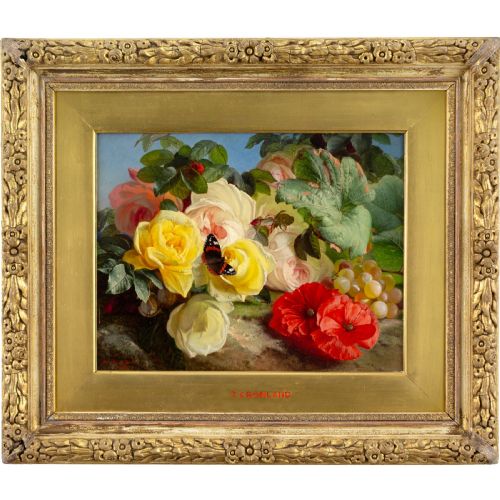
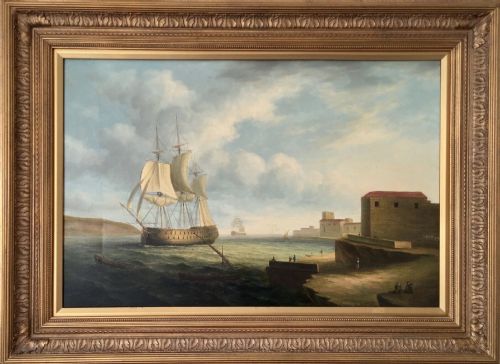
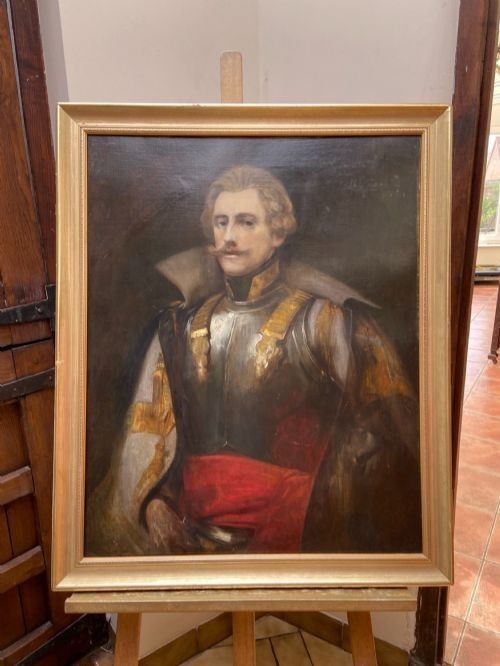
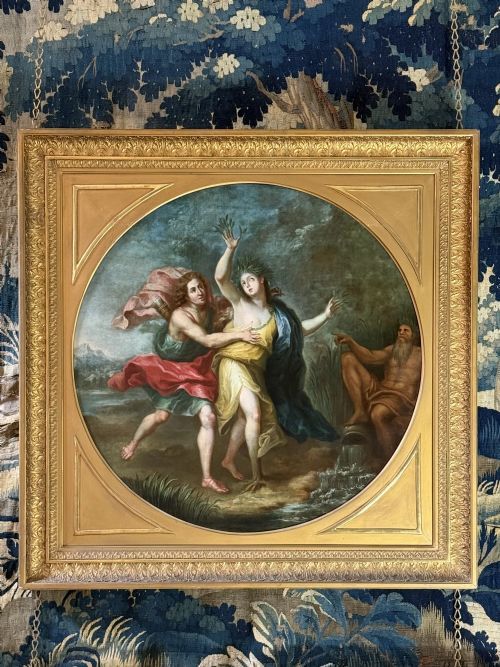
When you search for a gold framed wall painting, you encounter centuries of portraiture, landscapes and marine scenes enclosed in giltwood and gold leaf.
Gold Framed Wall Painting
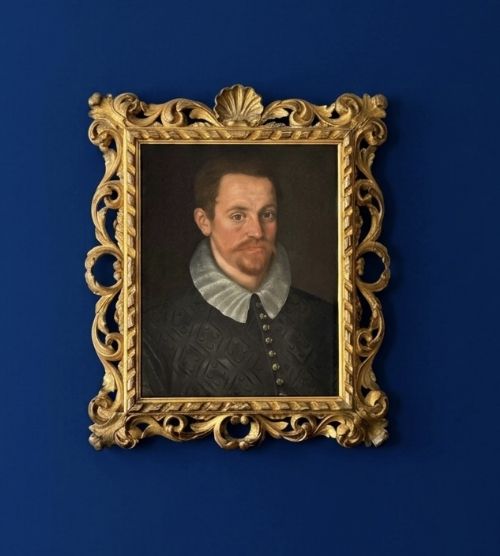
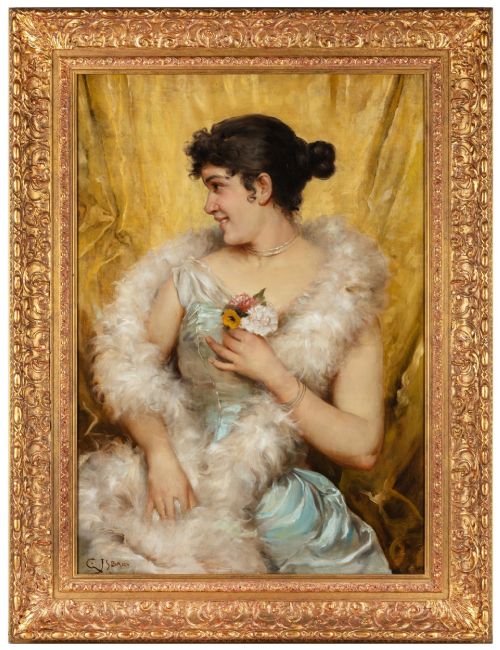
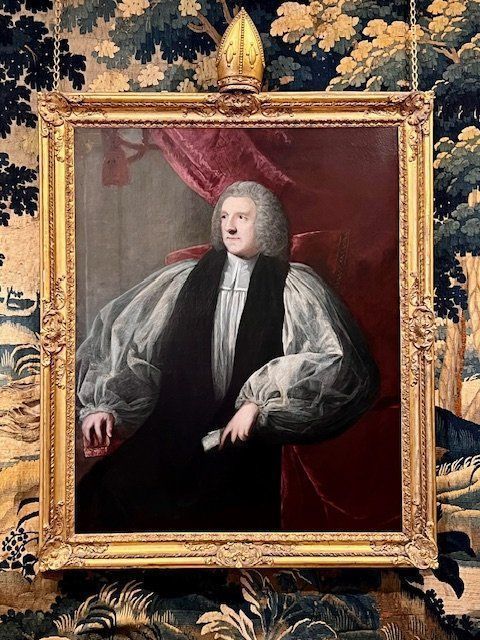
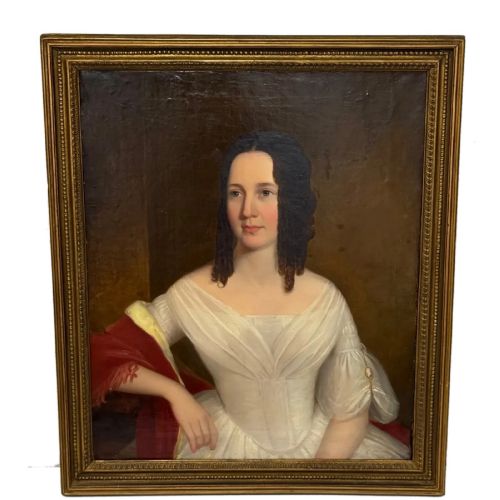
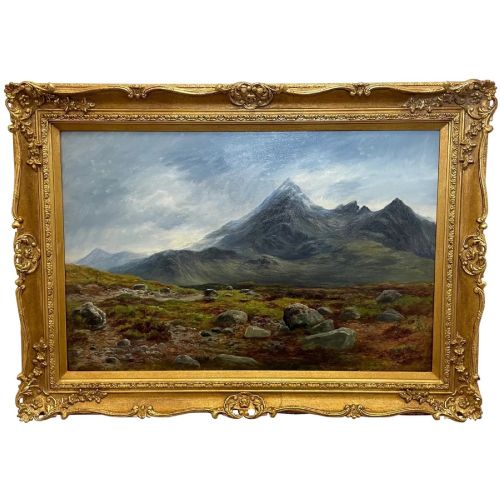
A gold framed wall painting comprises canvas, panel or board artworks set within decorative gilt surrounds, spanning periods from the seventeenth century through to the mid twentieth century. Buyers seeking a gold framed wall painting find formal oil portraits of nobility, pastoral landscapes and maritime subjects originating from English, French, Flemish and Bavarian schools. The selection incorporates both substantial nineteenth-century oil paintings and mirrors integrated with canvas works, reflecting classical realism, Victorian and Belle Epoque aesthetics.
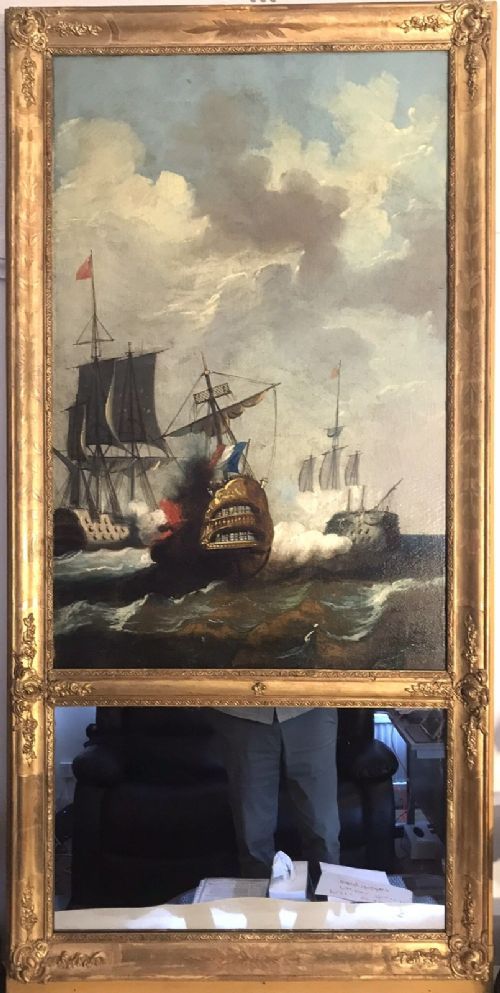
The objects take several distinct forms, primarily oil paintings on canvas alongside portrait miniatures, watercolours and trumeau mirrors featuring incorporated seascapes or portraits. Works span centuries of production, capturing subjects from seventeenth-century gentlemen in ruffs to agricultural scenes, botanical studies and military officers. Each piece relies on the interplay between the historic painted surface and the gilded wood structure that houses it.
How they were made
Makers constructed these works using oil paint applied to stretched canvas, wooden panels or paper, supported by foundational grounds and varnished surfaces. Painters utilised oil pigments to build depth in portraits and landscapes, capturing fine details in costume, foliage and light.
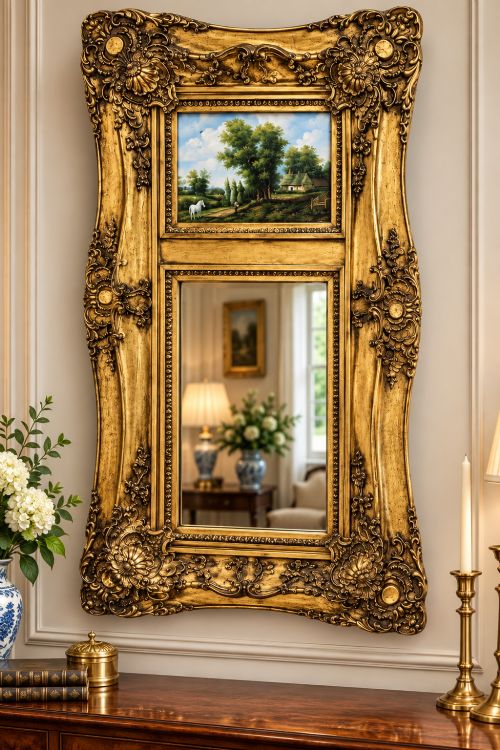
The associated frames consist of carved wood, often giltwood utilising applied gold leaf or metallic finishes to achieve reflective, ornate borders. Artisans shaped timber mouldings and applied gesso before gilding, creating robust housings designed to complement the tonal qualities of the artwork within.
Listings feature works spanning the seventeenth, eighteenth, nineteenth and twentieth centuries, utilising oil on canvas, giltwood, wood and glass.
What varies in quality
Quality resides in the precision of the brushwork, the anatomical or perspective accuracy of the subject matter, and the preservation of the original painted surface. Finer works display confident handling by named artists or accomplished regional schools, whereas simpler pieces show more schematic execution.
The construction and original state of the gilding further distinguish examples, noting whether the gold leaf and carved wooden elements retain their crispness or suffer from later overpainting and timber shrinkage.
G. J. S. Bary·H. Medlycott·Theude Grönland·James Hardy·Sir Godfrey Kneller·Charles-Antoine Coypel·Sir Joshua Reynolds·William Beattie-Brown·Jozsef Molnar·Henri Fradelle·Felix Stone Moscheles·Georges de La Tour·John Hayls·Emily Eyres·John Maler Collier·Dumini Leopoldo·Sir Peter Lely·Francois Boucher·Eugène-Louis Gillot·John Horace Hooper·Robert Heinrich·William McAlpine·Reginald Arthur Borstel
The Gold Framed Wall Painting Glossary
- Giltwood
- Wood carved and coated with gold leaf or metallic powder to create a reflective, decorative surface. This finish defines the ornate borders characteristic of period frames and mirrors.
- Trumeau
- A decorative wall mirror or panel featuring an inset oil painting, frequently executed in French neoclassical or rococo styles. These dual-purpose furnishings combined art and reflective glass within a single gilt frame.
- Oil on Canvas
- Pigment mixed with drying oils applied to a woven fabric support stretched over a wooden frame. This medium allowed artists to achieve rich tonal gradations and durable surfaces across centuries.
- Portrait Miniature
- A small, highly detailed painting depicting a specific person, often executed on vellum, card or ivory during the eighteenth and nineteenth centuries. These intimate works frequently utilised specialised fine brushwork.
- School
- A grouping of artists working in a particular region, period or stylistic tradition, often under the influence of a prominent master. Listings reference English, Flemish and Bavarian schools to indicate origin.
Gold Framed Wall Painting: Frequently Asked Questions
How do I hang a heavy gold framed painting?
These substantial works require secure fixings into structural wall studs or appropriate masonry anchors to support the combined weight of the timber, canvas and heavy gilt surround.
Professional mirror and picture hanging hooks rated for the specific weight ensure the piece remains stable and properly aligned against the wall surface.
Can I clean the gold leaf on the frame?
Dust accumulation should be managed gently using a soft, dry brush to avoid abrading the delicate metallic leaf or disturbing aged gesso underneath.
Moisture and chemical cleaners must be avoided, as they can permanently strip or tarnish the historical gilding applied to the wooden moulding.
What rooms suit a trumeau mirror?
Trumeau mirrors containing inset oil paintings historically functioned above mantelpieces or between windows in grand drawing rooms and reception spaces.
Their combined vertical presence and integrated artwork provide a focal point that complements period interiors and high-ceilinged rooms.
How do I identify the period of a frame?
Frame styles evolved from seventeenth-century carved timber profiles through ornate eighteenth-century rococo curves to nineteenth-century revival patterns and twentieth-century simplification.
Examining the corner construction, the composition of the underlying gesso, and the ageing of the wood helps connect the frame to its era of manufacture.