
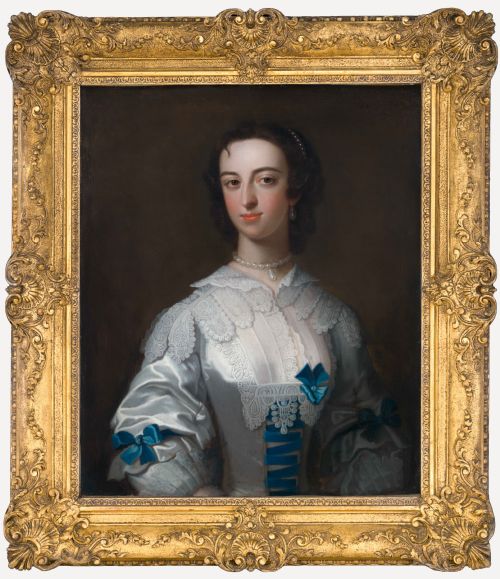
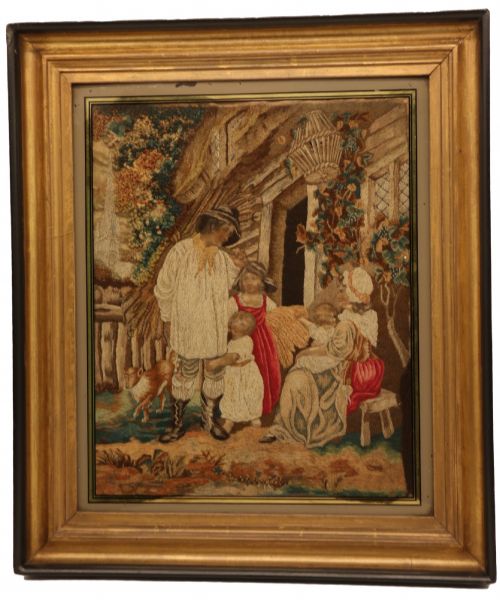


Gold Framed Silk Painting
These gold framed silk painting examples unite delicate textile art with opulent gilded surrounds, offering collectors a striking fusion of decorative texture and historical portraiture.
Gold Framed Silk Painting
A gold framed silk painting brings together fine fabric canvases and ornate metallic surrounds, capturing subjects from British portraiture to Asian artistic traditions. These works frequently span the eighteenth, nineteenth, and early twentieth centuries, reflecting diverse global workshops and classical European aesthetics.
Buyers encountering this selection will discover both delicate needlework and direct pigments applied to textile bases, secured within period wooden mouldings finished in gold leaf or giltwood. The forms range from intimate portrait miniatures and pastoral scenes to larger Chinese and Japanese compositions.
Originating across distinct stylistic traditions, these pieces demonstrate how diverse cultures utilised silk grounds for detailed portraiture and narrative watercolours. Each surviving example provides a window into historical interior decoration and traditional textile mounting techniques.
Assessing craftsmanship and condition
Superior examples demonstrate meticulous brushwork or precise needlework that retains its vibrant pigment saturation without excessive fading or structural fraying of the silk ground. The finesse of the original painting or embroidery directly dictates the artistic merit of the piece.
The quality of the surrounding giltwood or gold leaf moulding also plays a vital role, with hand-carved wooden frames showing superior definition compared to simpler cast compositions. Original glass and undisturbed backing materials further elevate the historical integrity of the object.
Wild birds perched among delicate plum blossoms gaze out from antique silk, proving that even centuries ago, artists knew the secret charm of feathered subjects.
Henry Pickering·Joaquín Luque y Roselló·Charles Jervas
The Gold Framed Silk Painting Glossary
- Giltwood
- Wood that has been coated with a thin layer of gold leaf or gold powder over a prepared gesso ground. This technique creates the brilliant metallic sheen characteristic of period frames.
- Needlework
- The craft of decorative stitching and embroidery using yarn or thread upon a fabric canvas. It frequently appears combined with painted elements in nineteenth-century textile works.
- Neoclassical
- A Western cultural movement drawing inspiration from the classical art and culture of ancient Greece and Rome. This style heavily influences the symmetrical lines found in many Georgian frames.
- Qing Dynasty
- The last imperial dynasty of China, ruling during an era of prolific artistic output. Works from this period often feature delicate watercolour painting on silk grounds.
- Provenance
- The chronological history of the ownership, custody, or location of a historical historical object. Clear documentation helps establish the authenticity and origin of fine art.
Gold Framed Silk Painting: Frequently Asked Questions
Are these artworks painted directly onto fabric?
Many examples feature pigments applied straight onto stretched silk, while others combine painted details with intricate needlework and embroidery. Both techniques require a stable textile foundation to support the media.
Artists favoured silk for its smooth texture and subtle sheen, which imparted a luminous quality to portraits and pastoral scenes alike. This combination of textile and pigment demands careful environmental control in modern homes.
What periods do these framed works represent?
The pieces span from the eighteenth century through the Georgian and Victorian eras, extending into early twentieth-century Asian and European workshops. Each era brings distinct stylistic traits to both the painting and its housing.
Georgian and Regency examples often display classical restraint, whereas later Victorian and Meiji period pieces embrace rich decorative narratives. Examining the framing techniques alongside the textile helps verify the period of origin.
How do I protect silk art from light damage?
Ultraviolet light poses a significant risk to historical textiles, causing natural pigments and silk fibres to fade and weaken over time. Hanging pieces away from direct windows preserves their original colouration.
Using specialised conservation glass with UV-filtering properties offers an effective layer of defence for pieces displayed in brightly lit rooms. Maintaining stable indoor humidity prevents the brittle degradation common in aged silk.